There Are Still Affordable Cars
With average new-car prices still hovering well above $50,000, genuinely affordable new vehicles have become harder to find. Still, a handful of automakers continue to offer smart, value-packed cars and crossovers that keep pricing within reach without feeling stripped bare. Below are the 10 most affordable new cars in America today, ranked not just by price, but by what buyers actually get for their money.
Hyundai Venue ($20,550)
- Pro: Lowest starting price in Hyundai’s lineup
- Con: Old. Limited power and available features
Hyundai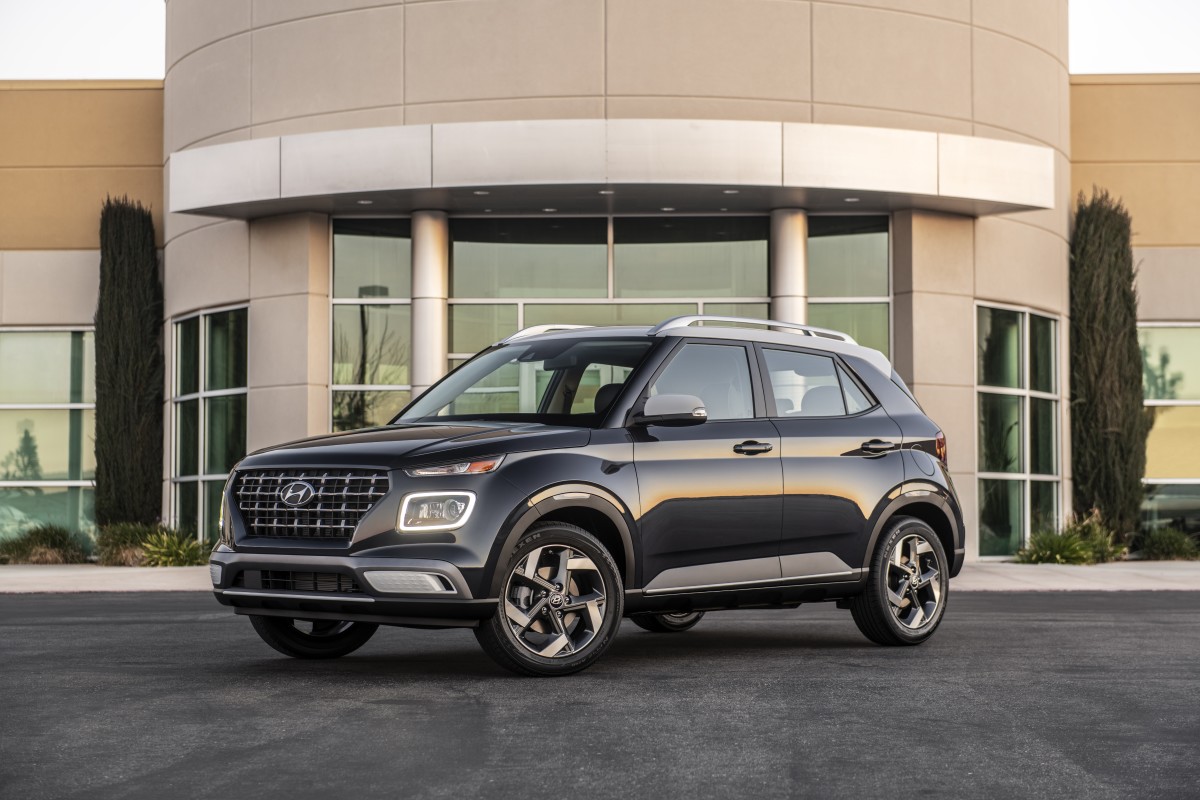
Hyundai’s Venue is the most affordable new vehicle from a major automaker in the U.S., making it a frequent entry point for budget-focused shoppers. This subcompact crossover is powered by a 1.6-liter four-cylinder engine producing 121 horsepower, paired with a continuously variable transmission and standard front-wheel drive. Fuel economy remains competitive for the segment, rated at 29 mpg city and 33 mpg highway.
While the Venue continues to excel as a city-friendly SUV thanks to its compact size, easy maneuverability, and standard wireless Apple CarPlay and Android Auto, it’s also starting to feel long in the tooth. The powertrain and interior layout have seen few meaningful updates in recent years, and acceleration and rear-seat space remain limited. Still, for first-time buyers, urban commuters, or anyone searching for the most affordable new SUV under $21,000, the Hyundai Venue remains a practical and accessible option.
Chevrolet Trax ($21,700)
- Pro: Spacious interior for the price
- Con: No all-wheel-drive option
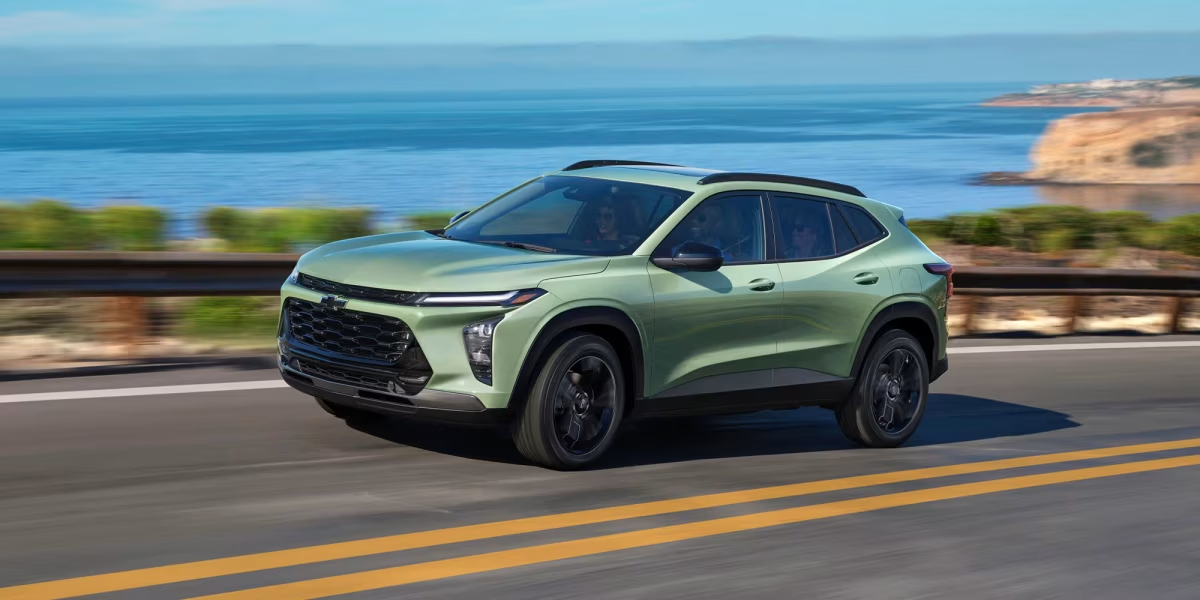
The redesigned Chevrolet Trax punches well above its price point, powered by a 1.2-liter turbocharged three-cylinder engine producing 137 horsepower and offering noticeably better low-end torque than many rivals. Inside, the Trax impresses with one of the roomiest cabins in the subcompact SUV segment, along with a modern infotainment system featuring a large touchscreen and crisp graphics even in base trims.
As much as some buyers may want all-wheel drive, no AWD option is available on the Trax, and performance is tuned more for efficiency than excitement. Even so, for shoppers who value interior space, up-to-date tech, and strong overall value, the Trax delivers a modern crossover feel without creeping into higher price brackets.
Hyundai Elantra ($22,625)
- Pro: Excellent fuel economy
- Con: Conservative driving dynamics
Hyundai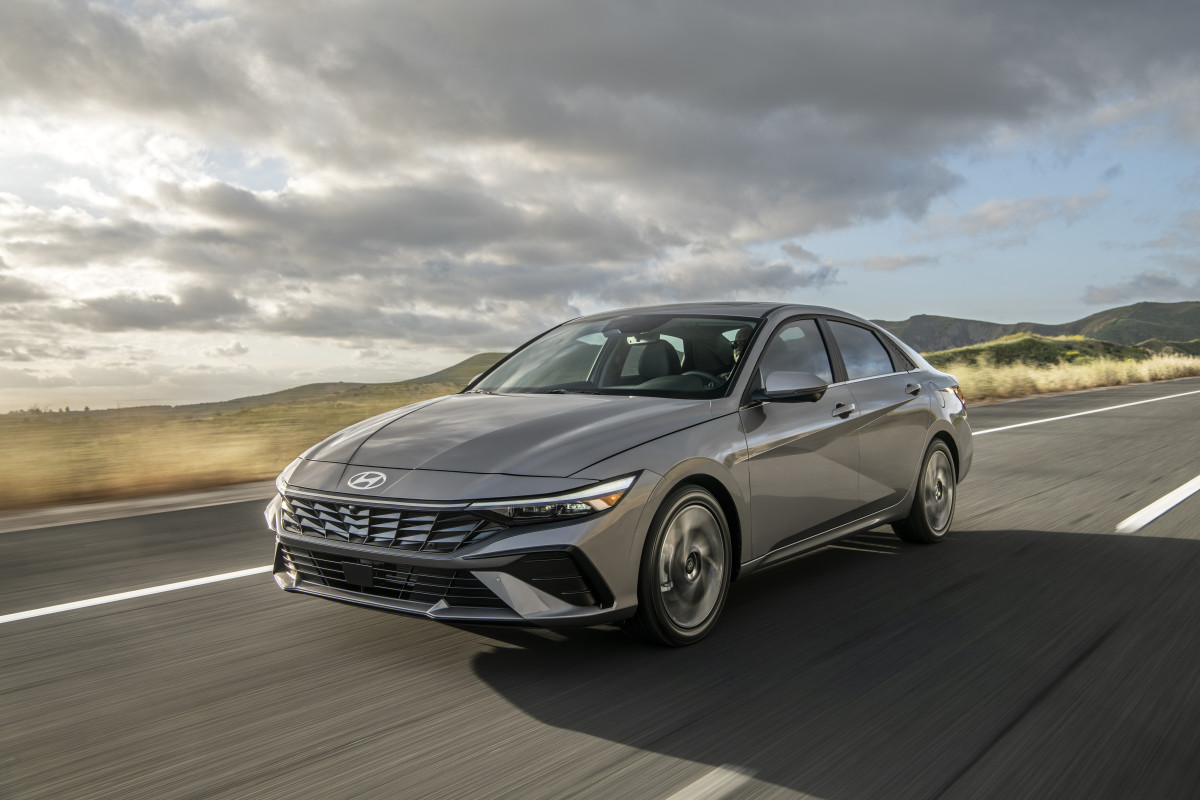
The Hyundai Elantra continues to be one of the strongest compact sedans for budget-minded shoppers. Its 2.0-liter four-cylinder engine produces 147 horsepower and delivers up to 41 mpg on the highway, making it one of the most fuel-efficient gas-only sedans in its class. Hyundai also includes a generous suite of standard safety features, such as forward collision warning and lane-keeping assist.
The Elantra isn’t the most exciting drive around. It’s not outright slow, but acceleration can feel laggy, especially when quick bursts of power are needed, with the driving experience clearly tuned for comfort rather than engagement. Even so, it remains a standout choice for commuters who value efficiency, warranty coverage, and modern styling over driving thrills.
Kia K4 ($22,290)
- Pro: Sharp design and modern tech
- Con: New model with limited track record
Kia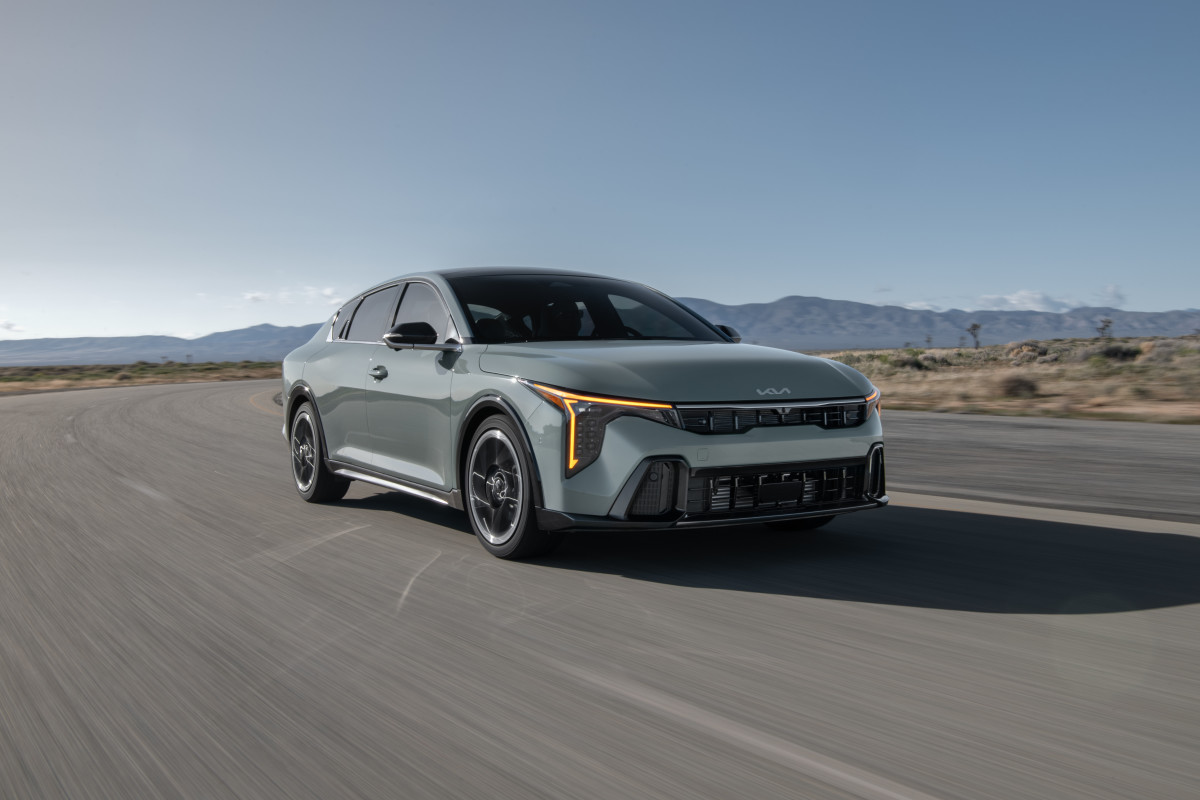
The all-new Kia K4 replaces the long-running Forte, a nameplate many shoppers will miss, and immediately positions itself as one of the most compelling budget sedans on the market. Standard power comes from a 2.0-liter four-cylinder engine, while available turbocharged options bring added performance on higher trims.
Inside, the K4 impresses with a sleek dashboard design and a digital-forward layout that feels unusually modern for the segment. For buyers who want something fresh, stylish, and well-equipped without paying a premium, the K4 is a strong contender, even if its long-term reliability remains to be proven.
Nissan Kicks ($22,430)
- Pro: Excellent city fuel economy
- Con: No AWD or electrified options
Nissan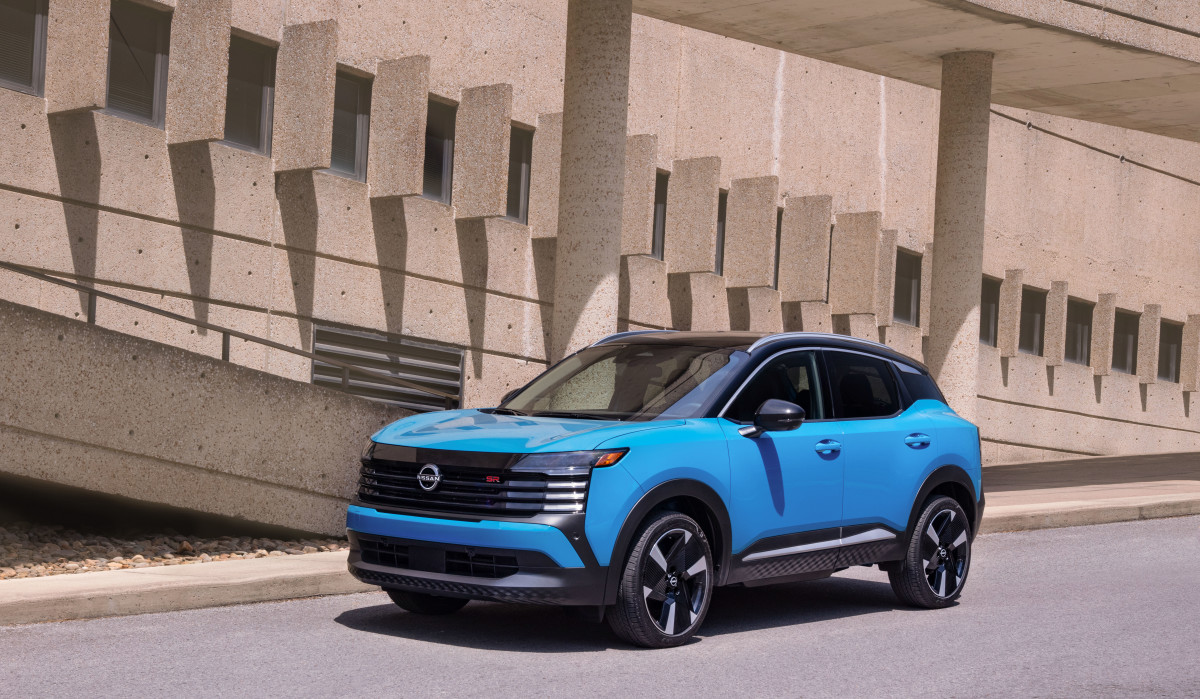
The Nissan Kicks focuses on efficiency and simplicity, powered by a 1.6-liter four-cylinder engine producing 122 horsepower and delivering strong fuel economy with a relaxed, easygoing driving experience. It’s front-wheel drive only and best suited for urban and suburban use, where its compact size and light controls work in its favor.
Acceleration is leisurely, and while we wish Nissan offered an all-wheel-drive option or an electrified hybrid variant, the Kicks makes up for it with a surprisingly roomy interior and a user-friendly infotainment system. For buyers prioritizing low running costs and a higher seating position over outright performance, it remains a practical and affordable choice.
Toyota Corolla ($22,925)
- Pro: Legendary reliability
- Con: Legendary lack of excitement
Toyota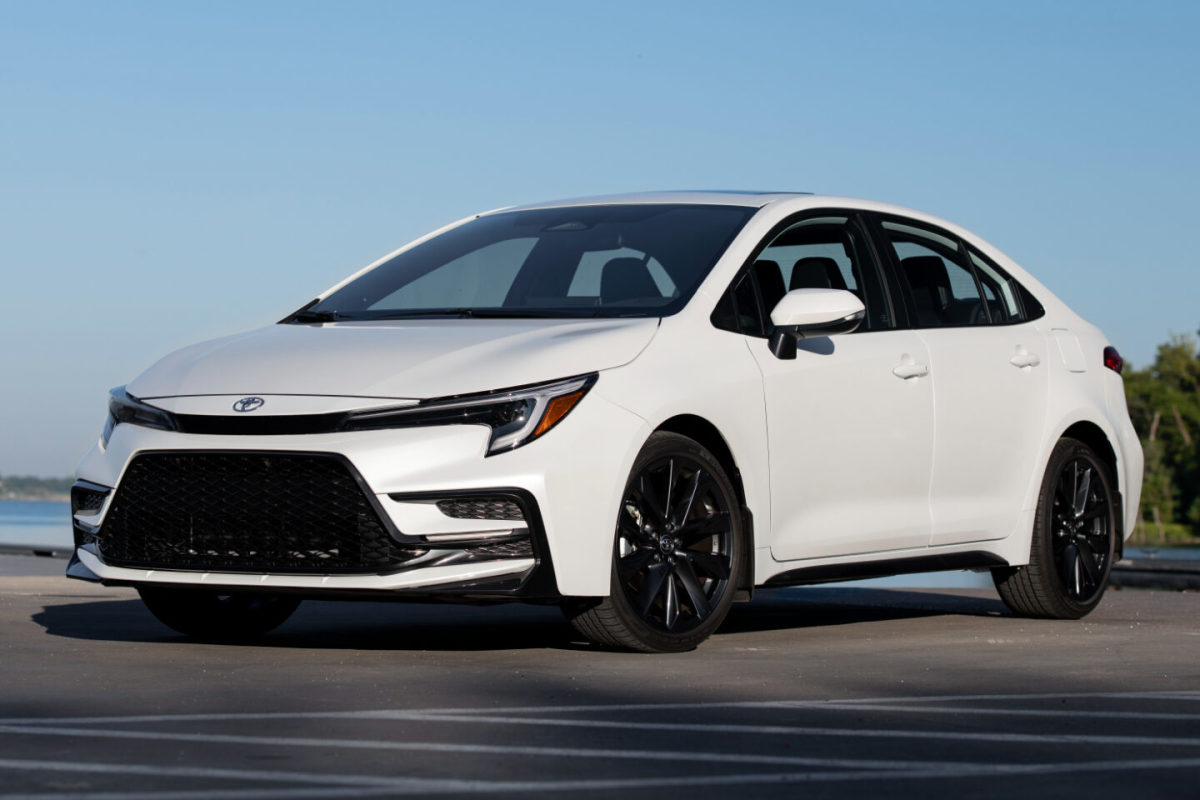
The Toyota Corolla remains a benchmark for affordable transportation. Its 2.0-liter four-cylinder engine produces 169 horsepower, giving it more punch than many rivals while still delivering excellent fuel economy. Toyota’s reputation for long-term durability continues to make the Corolla a safe and sensible buy.
That legendary reliability, however, comes with an equally legendary lack of excitement. The interior design is conservative, and the driving experience is firmly competent rather than engaging, but the Corolla’s dependability, strong resale value, and low ownership costs still make it one of the smartest choices for long-term ownership.
Chevrolet Trailblazer ($23,300)
- Pro: Available all-wheel drive
- Con: Price climbs quickly with options
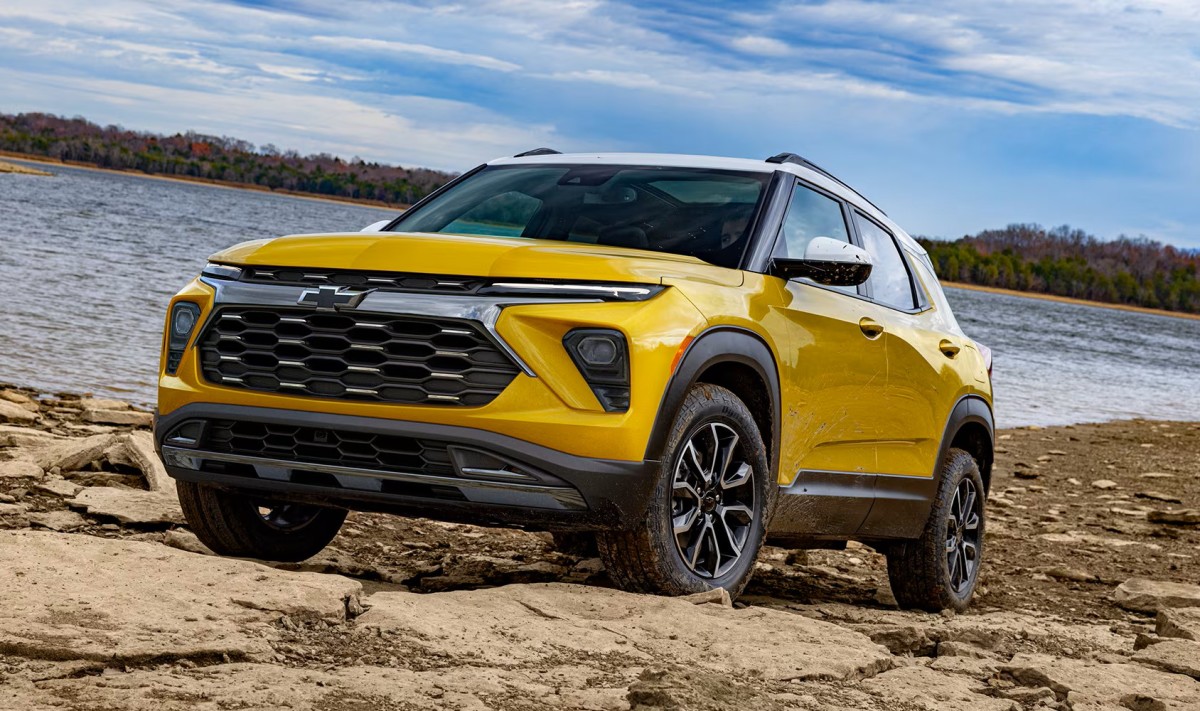
The Chevrolet Trailblazer offers something rare at this price point: available all-wheel drive, a feature many budget-friendly crossovers simply don’t offer. Buyers can choose between two turbocharged three-cylinder engines, with the larger 1.3-liter option producing 155 horsepower, and its boxy styling and elevated ride height give it a more traditional SUV look and feel despite its compact size.
That said, value-conscious shoppers should note that the Chevrolet Trax is both more affordable and spacious, which complicates the Trailblazer’s positioning. Its saving grace is the aforementioned all-wheel drive, but once optioned, Trailblazer pricing can climb quickly into higher territory, making careful trim selection essential for buyers trying to stay within a tight budget.
Kia Seltos ($23,790)
- Pro: Available turbocharged power
- Con: Base engine feels underpowered
K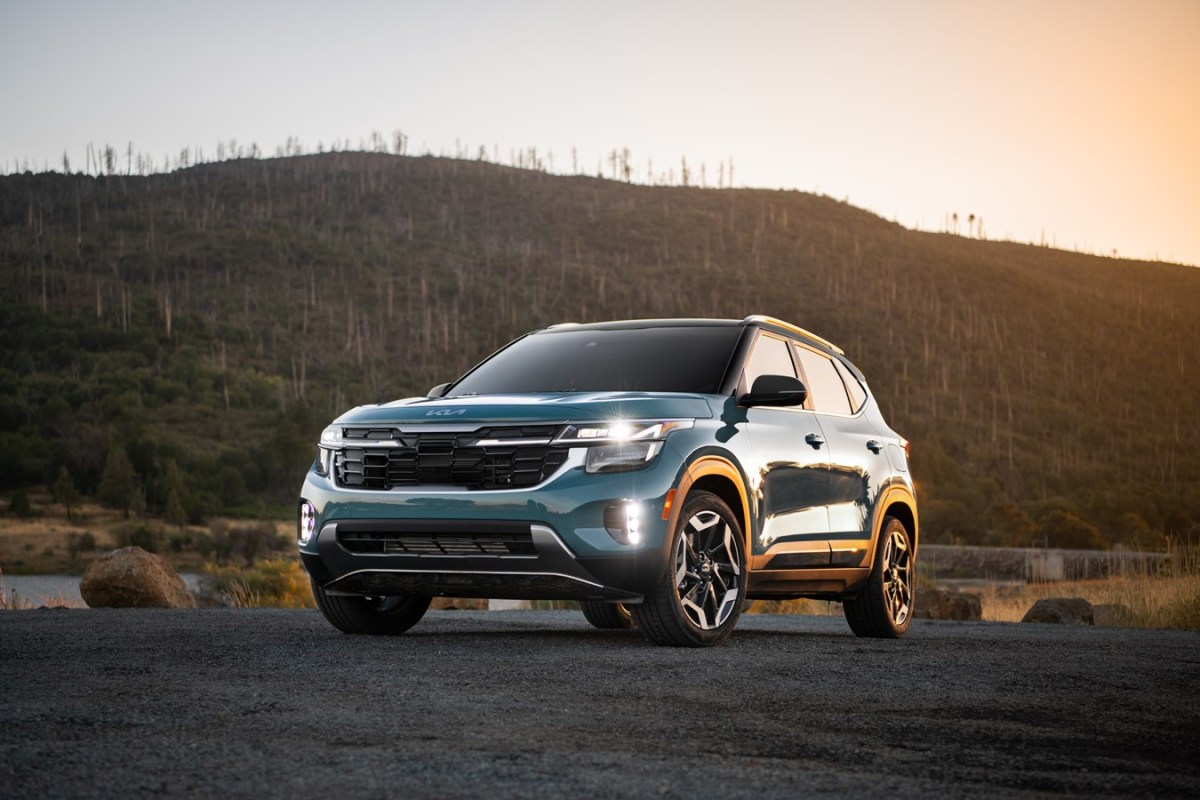
The Kia Seltos sells big for the brand as it bridges the gap between subcompact and compact SUVs, offering more interior room and presence than many entry-level crossovers. Standard power comes from a 2.0-liter engine, while an available turbocharged option significantly improves performance and responsiveness. Bold styling, a comfortable cabin, and available all-wheel drive help the Seltos stand out in a crowded segment.
While the standard engine isn’t slow in any absolute sense, acceleration can feel sluggish, especially during highway merges or quick passing maneuvers. Even so, the Seltos remains an appealing choice for buyers who want extra space, available AWD, and modern features without stepping into a much higher price bracket.
Volkswagen Jetta ($23,995)
- Pro: Strong turbocharged engine
- Con: Interior materials feel basic
John Beltz Snyder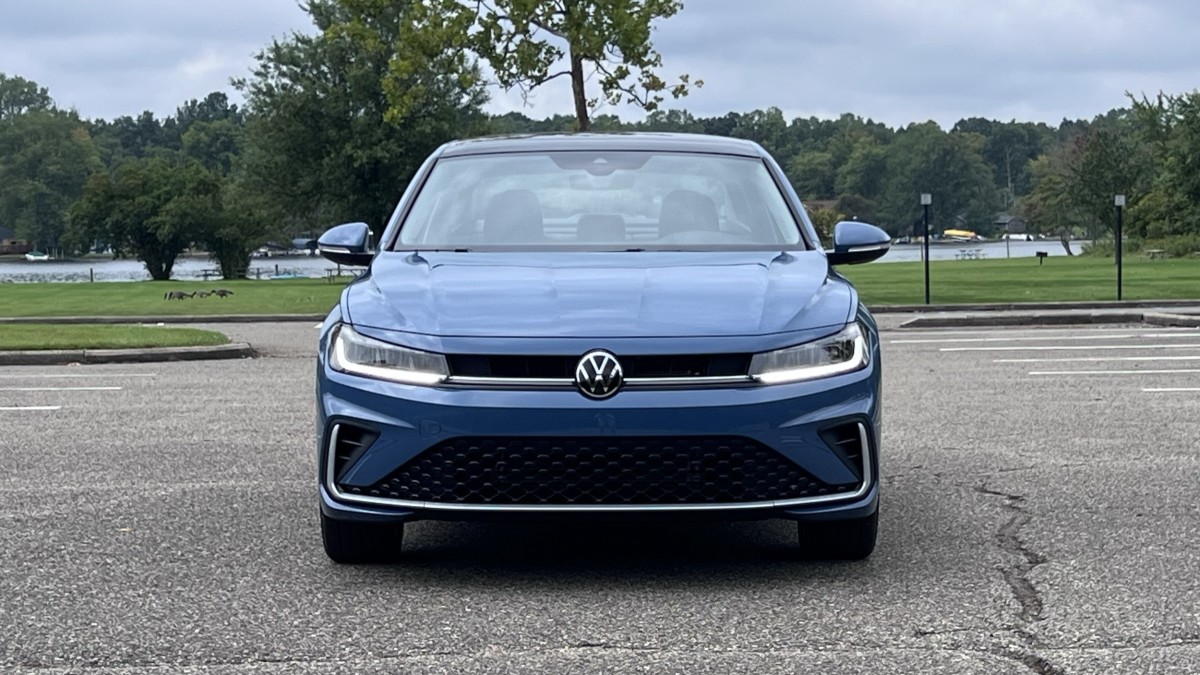
The Volkswagen Jetta delivers a more European driving feel than many competitors, powered by a 1.5-liter turbocharged engine producing 158 horsepower and offering smooth, responsive acceleration. The cabin design is minimalist but functional, and the Jetta excels in ride quality and long-distance highway comfort.
Despite offering a solid list of standard features, sales of Volkswagen’s last remaining sedan haven’t been particularly strong, which could spell trouble for the Jetta nameplate in the long term. For shoppers, however, that uncertainty may translate into aggressive incentives and stronger deals, making the Jetta an appealing option for drivers who value refinement and driving dynamics at a potentially discounted price.
Mazda3 — Starting at $24,550
- Pro: Upscale interior feel
- Con: Smaller rear seat and trunk
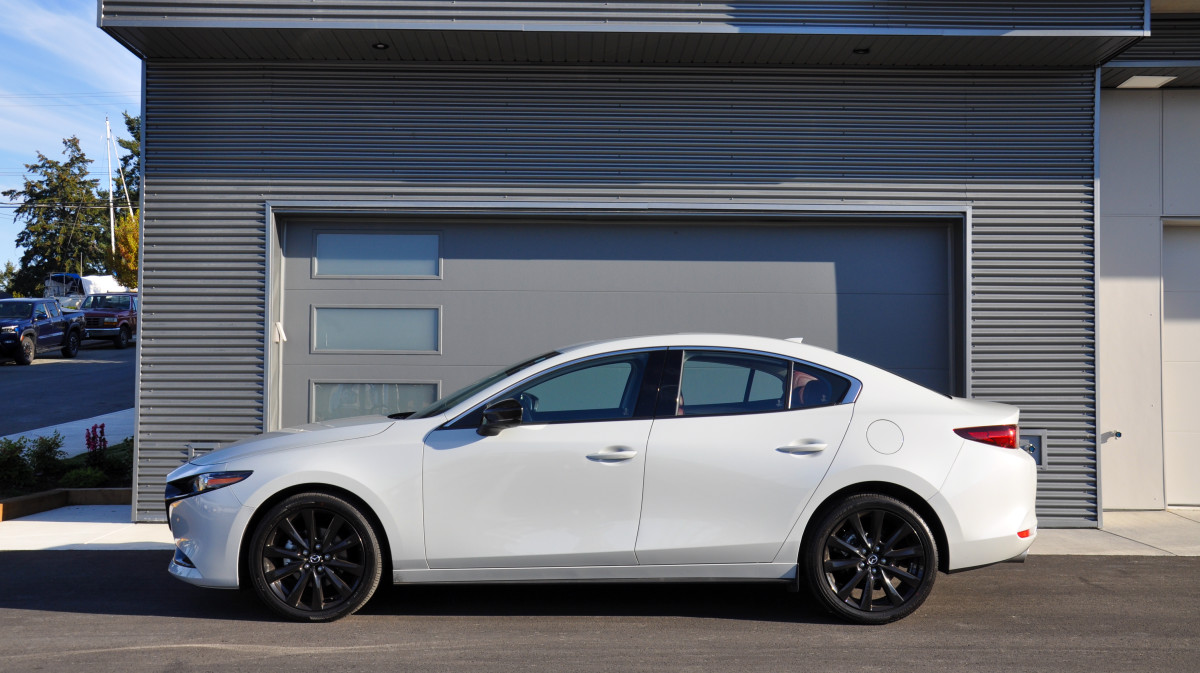
The Mazda3 may sit at the top of this affordability list, but it offers near-luxury refinement for the money. Its 2.5-liter four-cylinder engine produces 191 horsepower, making it one of the most engaging cars in this segment. Mazda’s focus on premium materials and sharp handling sets the Mazda3 apart. While rear-seat space is limited, buyers who prioritize driving enjoyment and interior quality will find it worth the extra cost.
While the sub-20K brand new car no longer exists, there are still many options below 25K, and many are better equipped, safer, and more refined than ever. The key is knowing where true value lives before prices start climbing fast.
Disclaimer: Every vehicle on this list starts below $25,000 and continues into the 2026 model year. We’ve excluded discontinued nameplates and outgoing 2025-only models to focus on cars shoppers can actually buy new today, without chasing leftover inventory or limited-time clearances. The prices mentioned also exclude the mandatory destination charges, which vary per brand.