2026 J.D. Power Most Reliable Vehicles: Every Segment Winner Explained
The 2026 J.D. Power U.S. Vehicle Dependability Study (VDS) is out. It ranks vehicles based on problems per 100 vehicles (PP100) after three years of ownership, covering key areas such as powertrain performance, infotainment systems, driver assistance tech, and overall build quality. Drawing from real-world feedback from owners of 2023 model-year vehicles, the study provides a practical measure of how cars hold up once the initial ownership glow fades.
For shoppers focused on long-term durability, strong resale value, and minimized ownership headaches, these segment winners stand out as the most dependable in their respective classes. Below is a breakdown of each top-ranked model and what likely contributed to its performance on the list.
Compact Car: Toyota Corolla
Toyota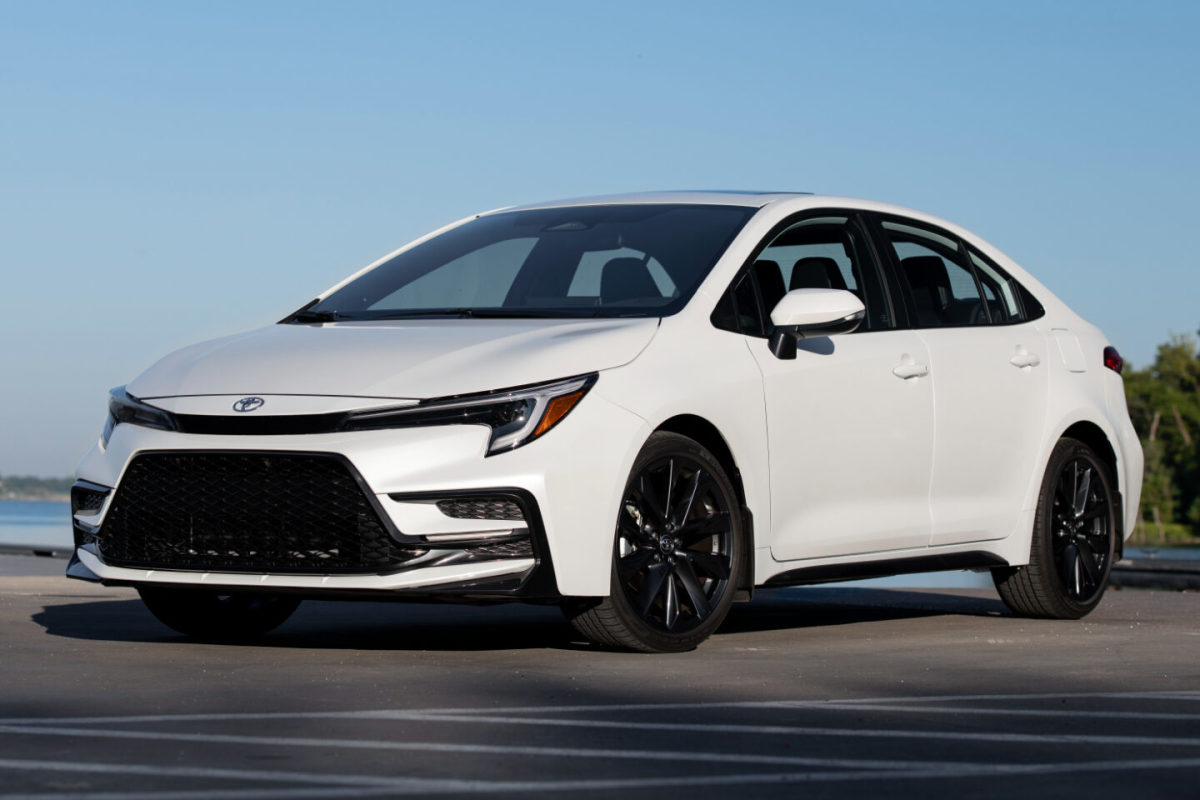
The Corolla remains a durability benchmark in the compact class. Its naturally aspirated engines, CVT refinement, and conservative update cycle minimize complexity. Toyota’s focus on incremental improvements rather than sweeping redesigns has helped the Corolla maintain consistently low problem counts and predictable maintenance costs.
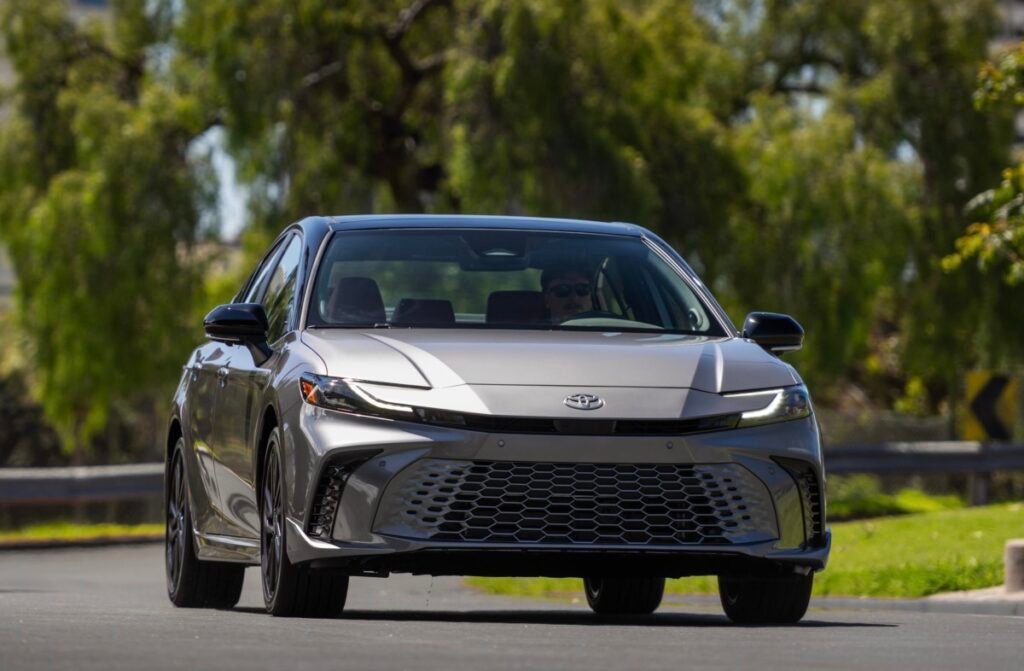
Midsize Car: Toyota Camry
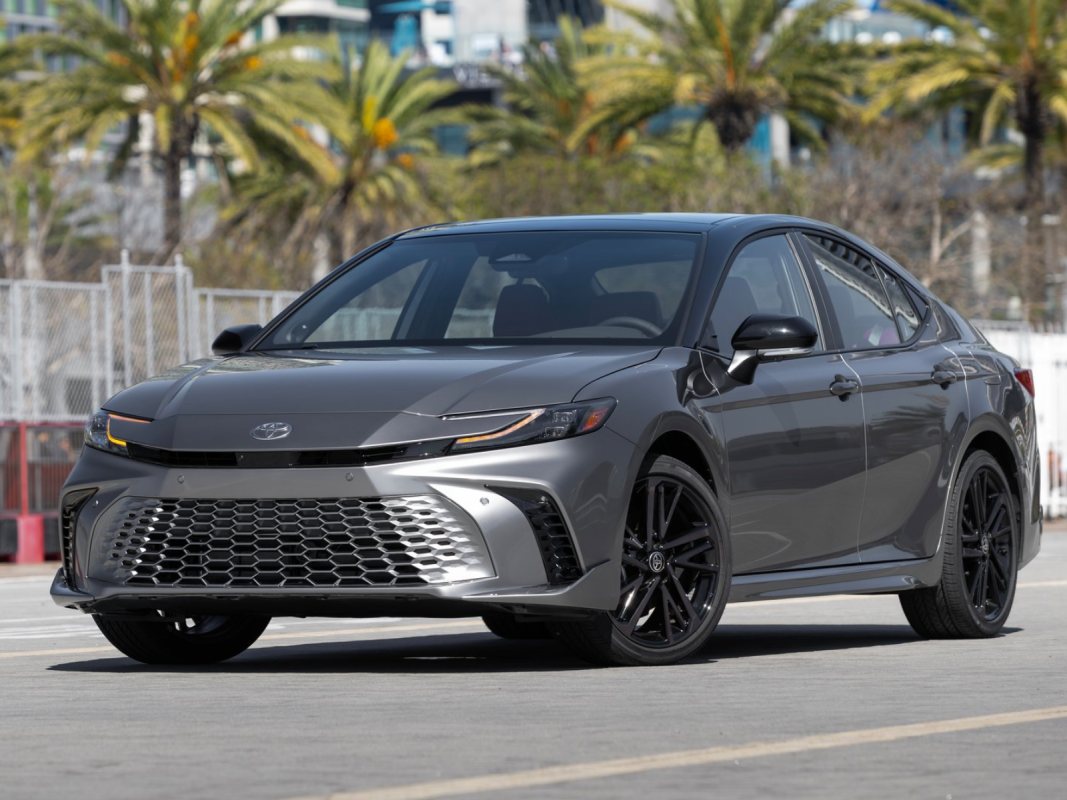
The Camry’s continued success reflects its reliable platform and proven powertrain lineup, including both gasoline and hybrid variants. Strong build quality, straightforward ergonomics, and restrained technology integration contribute to fewer reported issues over the three-year ownership window.
Compact Premium Car: Lexus IS
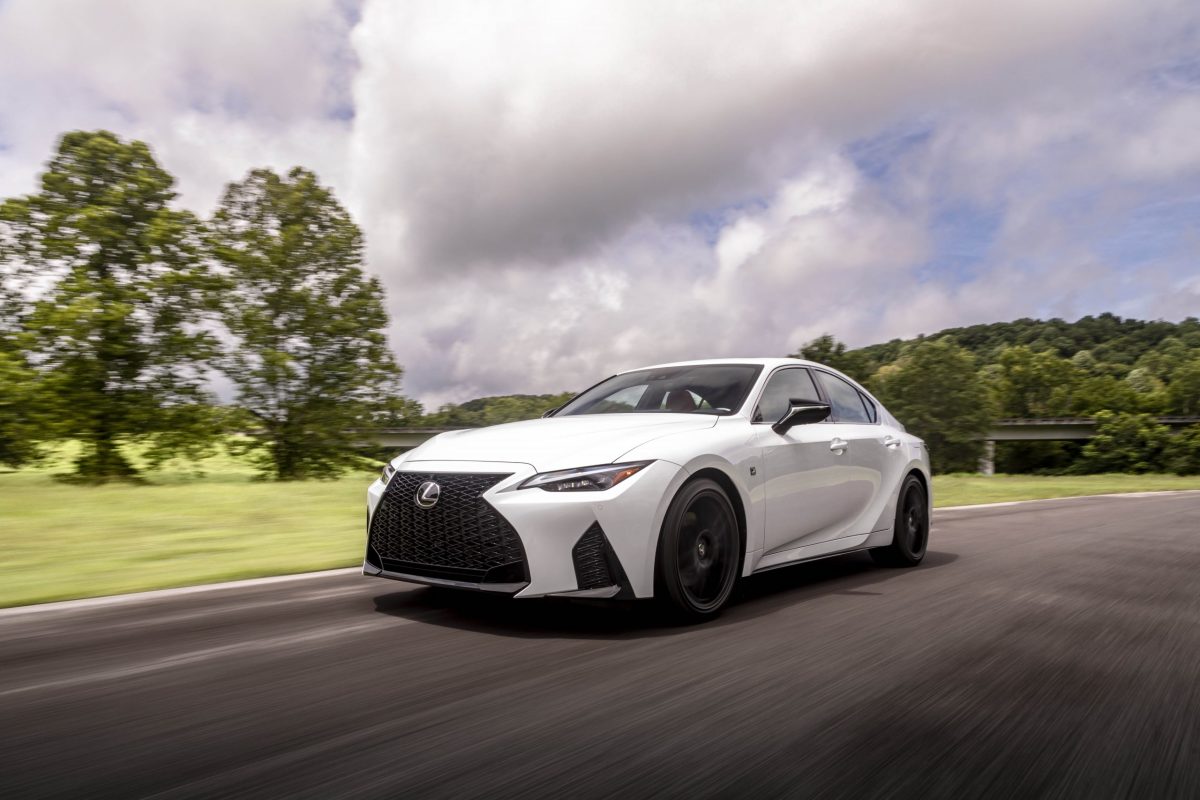
The Lexus IS benefits from a well-established rear-wheel-drive architecture and Lexus’ disciplined engineering philosophy. By avoiding excessive feature proliferation and prioritizing refinement over rapid innovation, the IS delivers luxury performance with above-average long-term dependability.
Small SUV: Subaru Crosstrek
Kristen Brown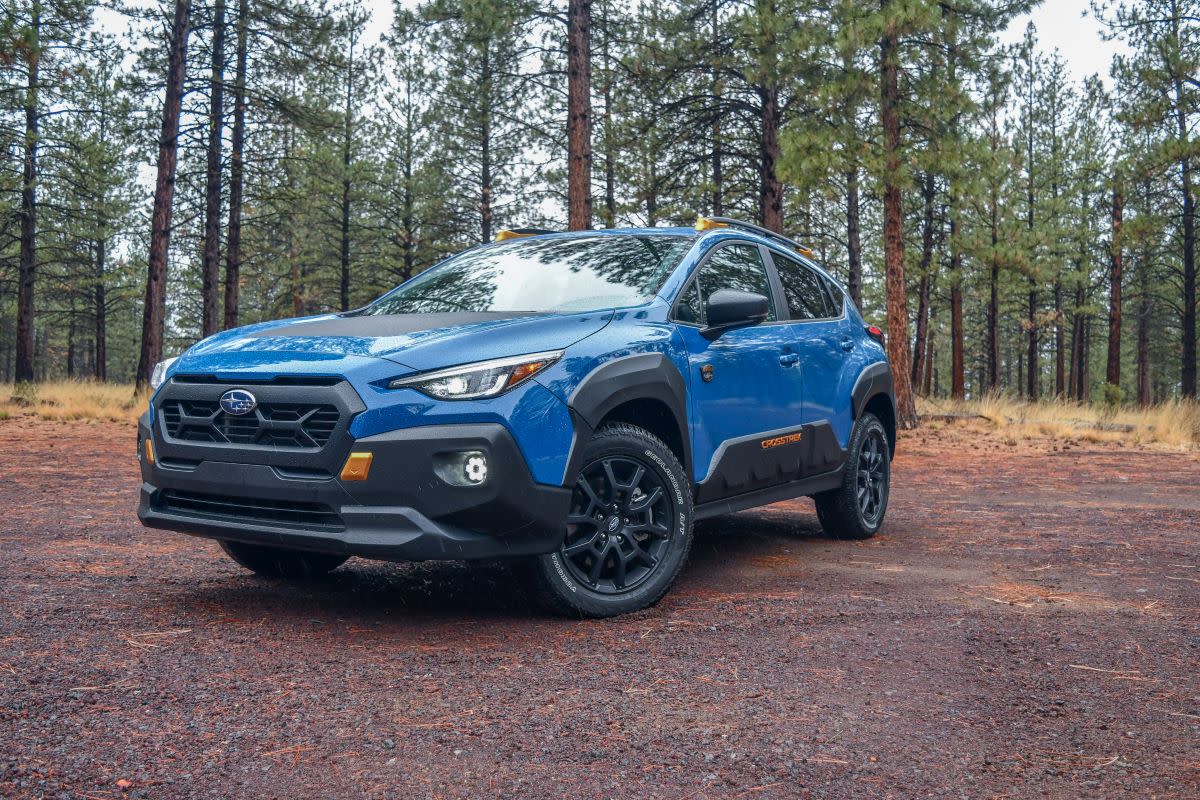
The Crosstrek’s symmetrical all-wheel-drive system and horizontally opposed engine layout have developed and improved significantly over successive generations. Owners report strong drivetrain durability and solid chassis robustness, key factors in its segment-leading reliability performance.
Compact SUV: Chevrolet Equinox
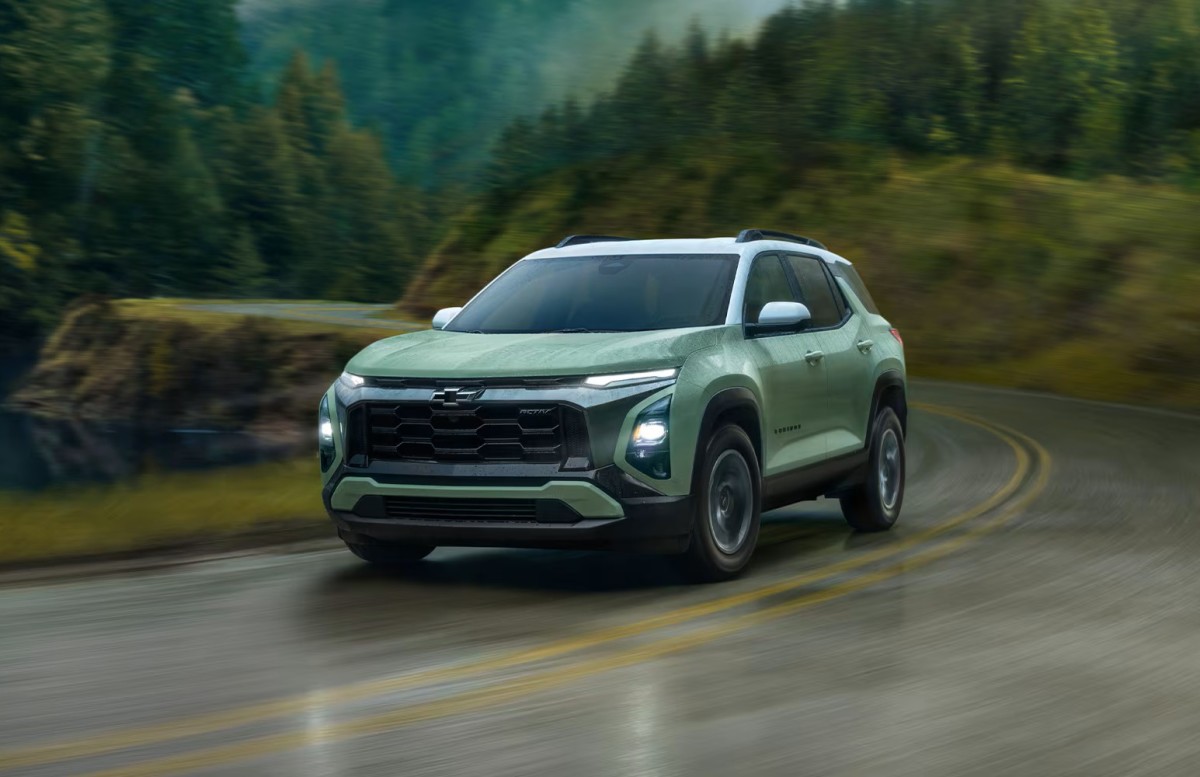
The Equinox is one of GM’s volume crossovers, but it hasn’t historically dominated dependability headlines. Compact SUVs are brutally competitive in the U.S., often led by Japanese nameplates. For the Equinox to top the segment indicates meaningful quality control gains and possibly simplified powertrain strategies.
Midsize SUV: Nissan Murano
Nissan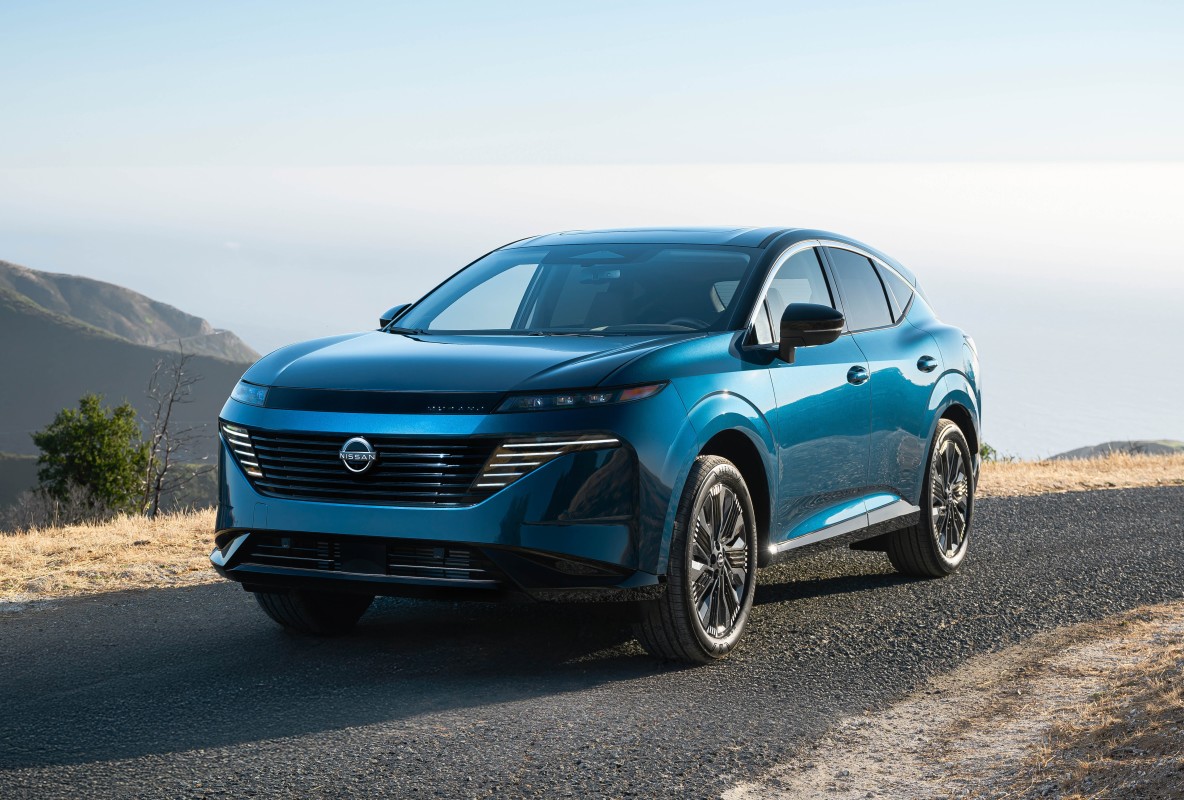
Nissan’s brand reputation in the U.S. has taken hits over the past decade, particularly surrounding CVT reliability concerns. The Murano leading its segment, especially given Nissan’s broader perception challenges might be a strong indicator of Nissan rebound.
Upper Midsize SUV (Tie): Buick Enclave / Toyota 4Runner
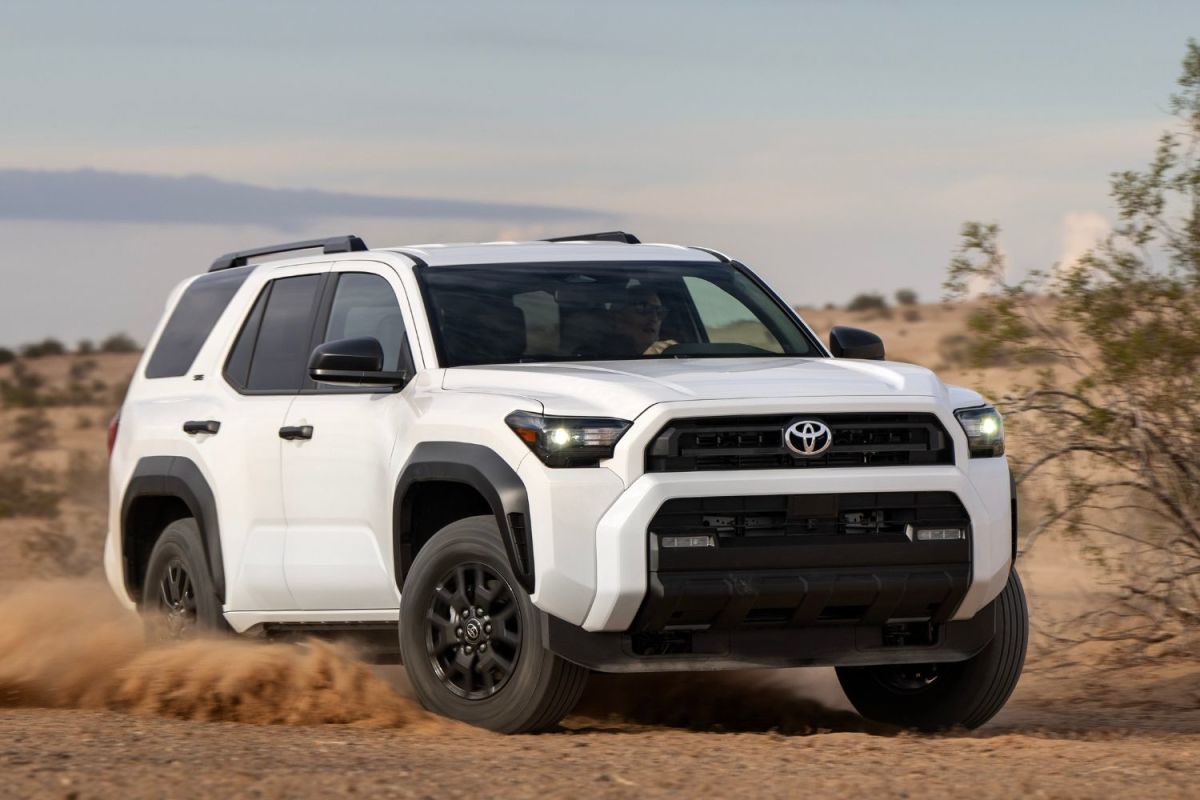
The Buick Enclave leverages GM’s refined V6 architecture and focuses on comfort-oriented family usability, delivering consistent long-term performance. The Toyota 4Runner, in contrast, relies on body-on-frame construction and an extended production lifecycle. Its rugged mechanical simplicity continues to reward buyers prioritizing durability over cutting-edge tech.
Small Premium SUV: Lexus UX
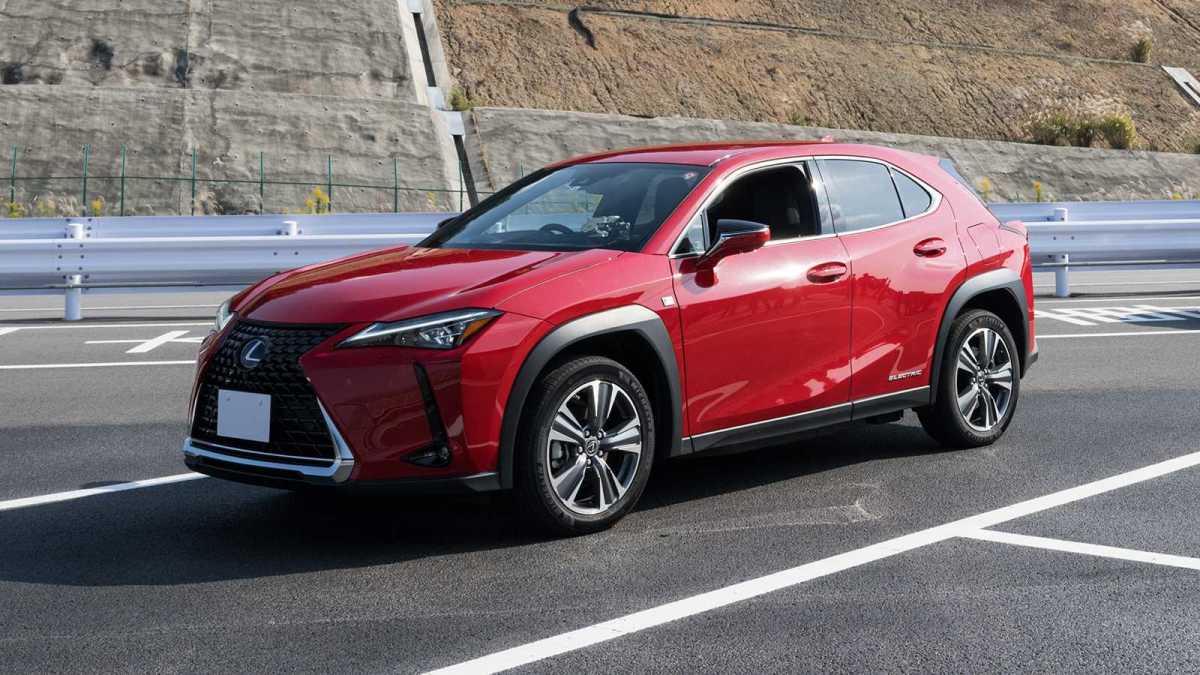
The UX combines Toyota-derived hybrid engineering with Lexus-level fit and finish. Its electrified system is built on a well-established architecture, reducing complexity-related risk and supporting strong long-term reliability outcomes.
Compact Premium SUV: BMW X4
BMW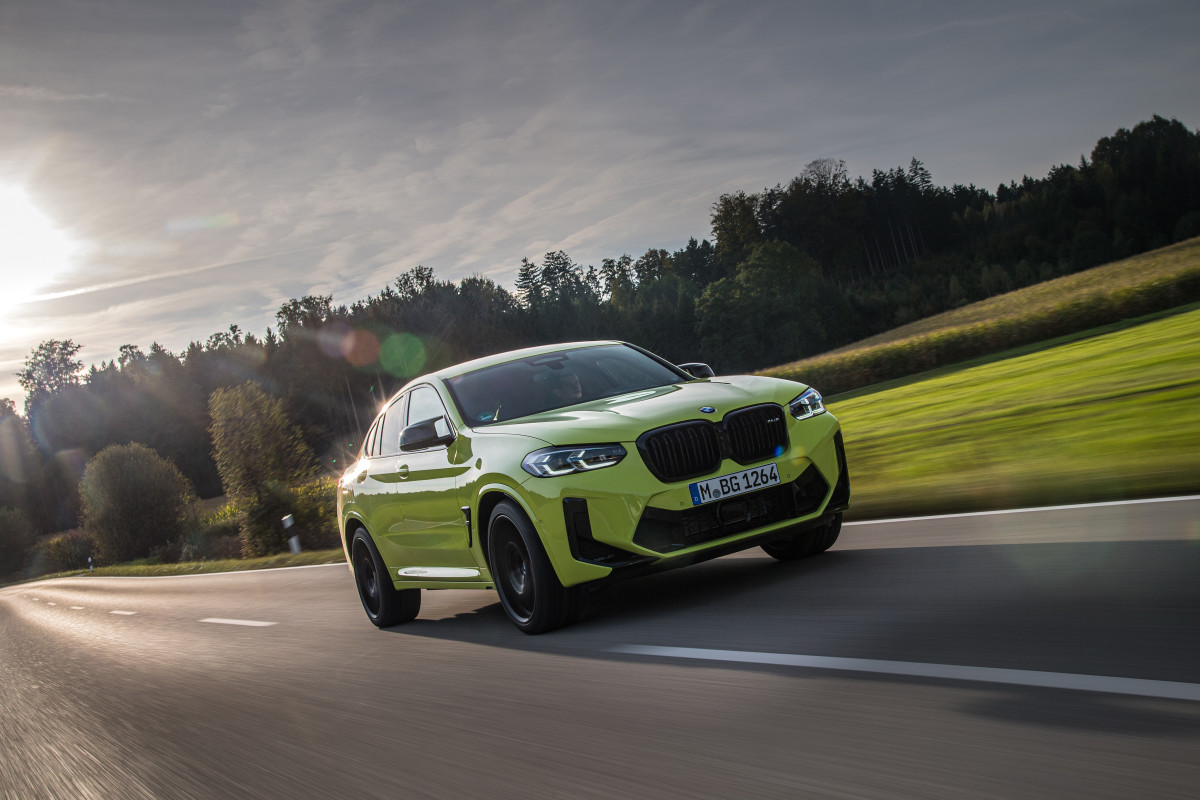
Despite its performance-focused positioning, the BMW X4’s segment win is notable given the brand’s historical reputation for complex electronics and higher ownership costs. Built on solid turbocharged powertrains and a refined modular platform, its strong showing suggests BMW’s drivetrain standardization and improved engineering discipline are translating into measurable reliability gains.
Midsize Premium SUV: Lexus GX
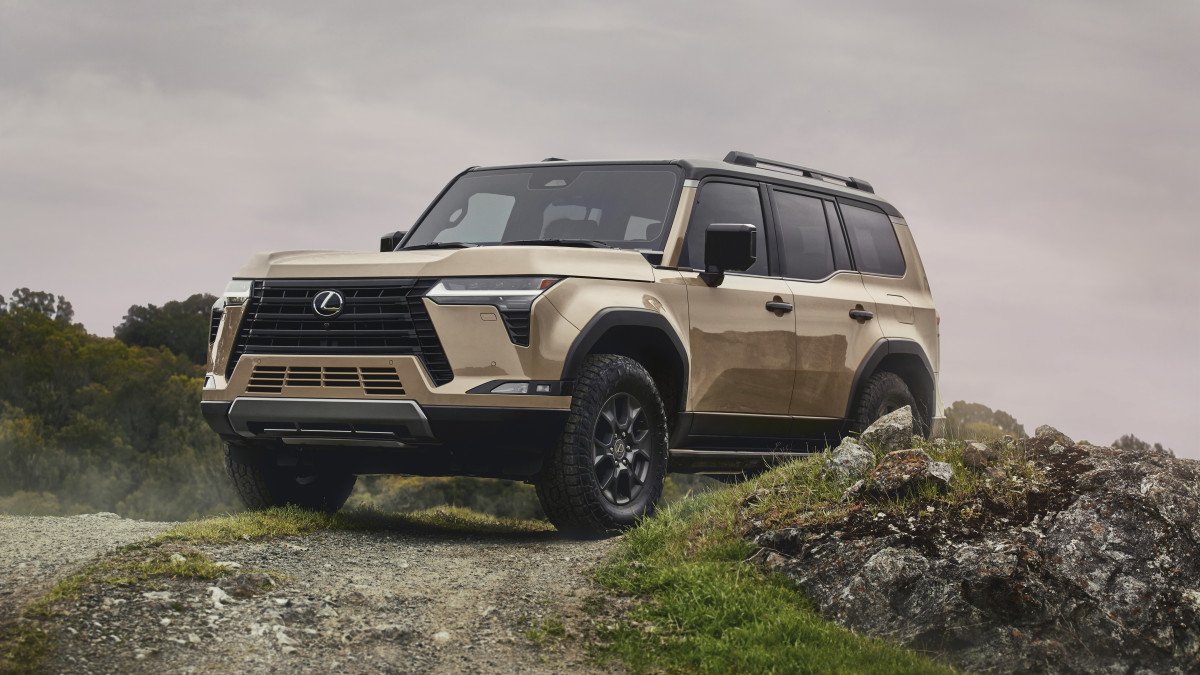
The GX pairs traditional ladder-frame construction with luxury appointments, offering a rare combination of rugged durability and upscale refinement. Its long lifecycle and proven V8 powertrain architecture contribute to its strong dependability standing.
Upper Midsize Premium SUV: Cadillac XT6
Cadillac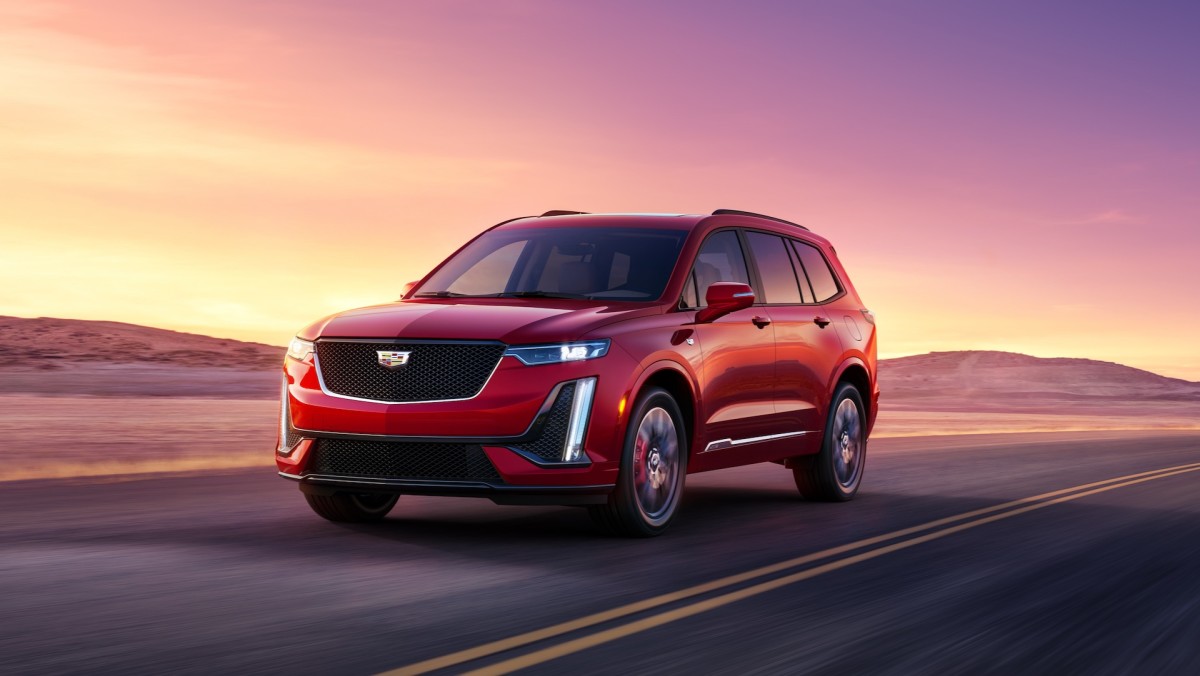
The XT6’s segment win suggests Cadillac’s recent quality control improvements and disciplined engineering approach are yielding tangible results. It may not carry the long-standing reliability reputation of Lexus, but this ranking indicates Cadillac is narrowing that gap in measurable, data-backed terms.
Midsize Pickup: Toyota Tacoma
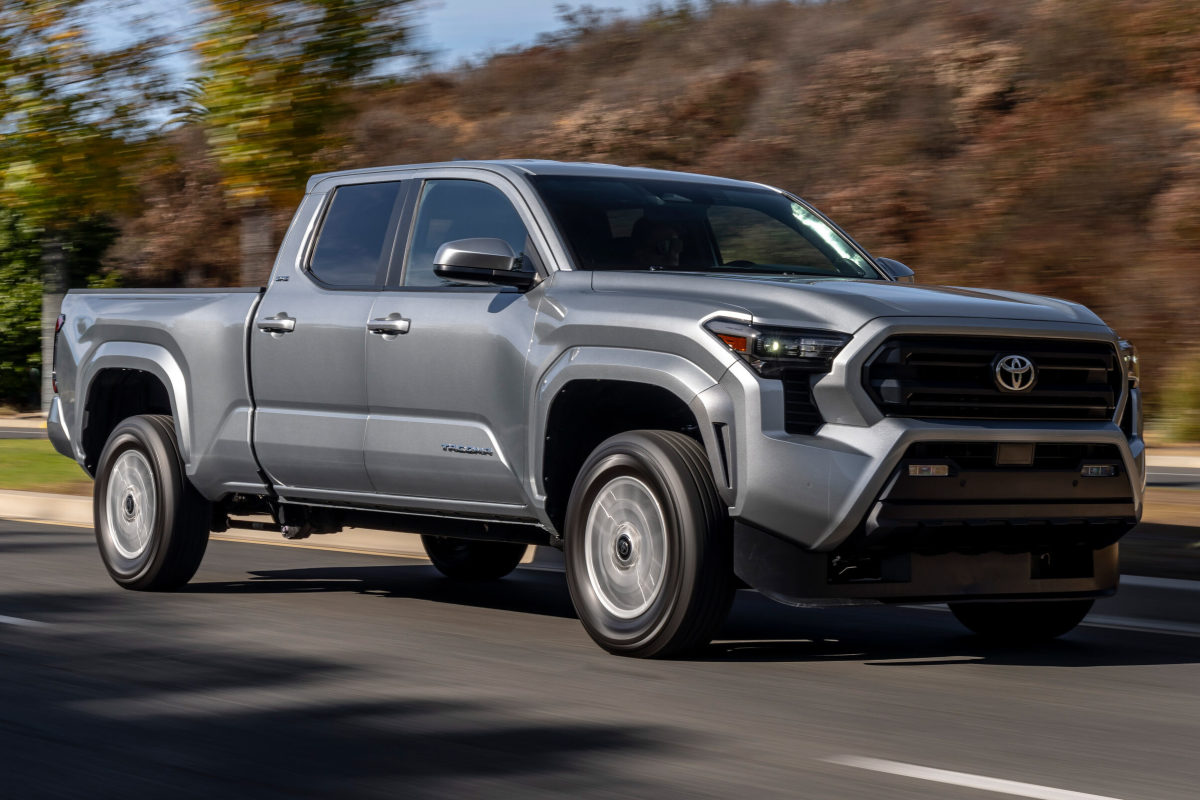
The Tacoma’s body-on-frame design and conservative mechanical updates underpin its reputation for longevity. Strong resale values and consistent owner satisfaction align with its segment-leading dependability performance.
Minivan: Toyota Sienna
Kristen Brown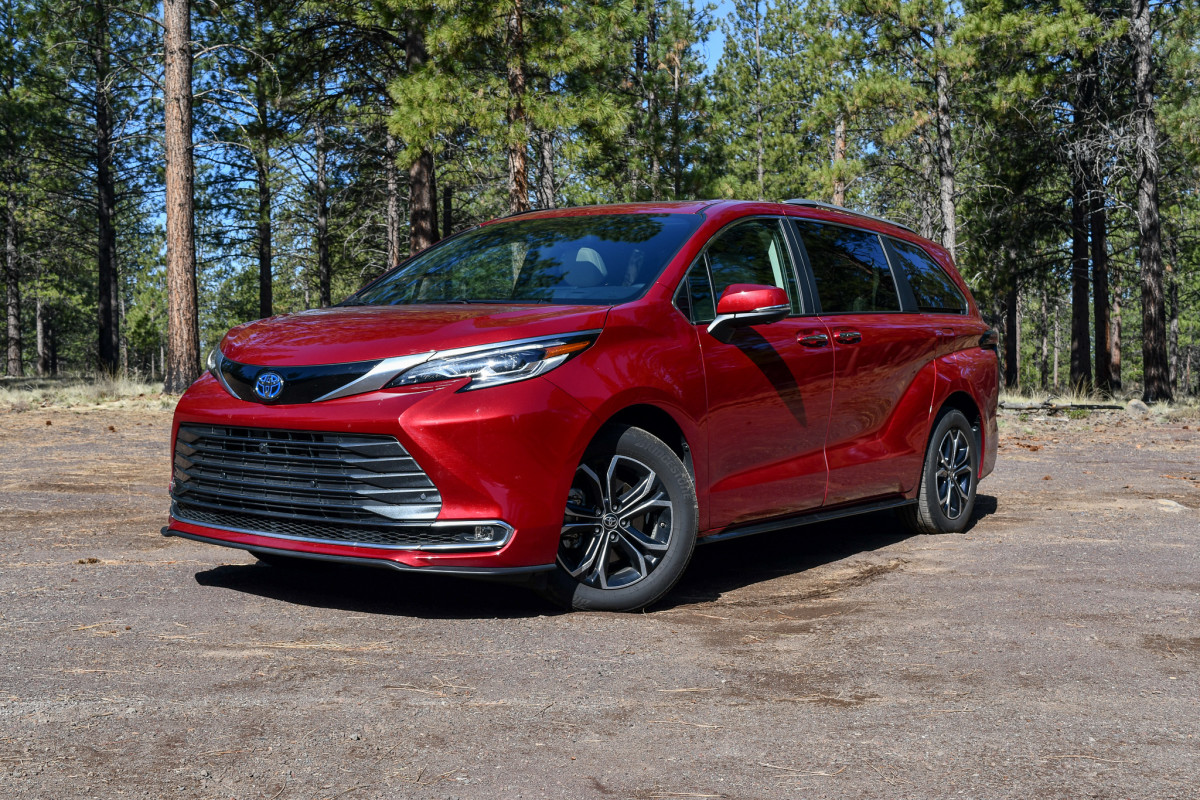
Now exclusively hybrid, the Sienna blends fuel efficiency with Toyota’s established reliability record. Its electrified powertrain is based on a tried and tested system, helping maintain low problem rates in family-focused applications.
Large Light Duty Pickup: Ram 1500
Stellantis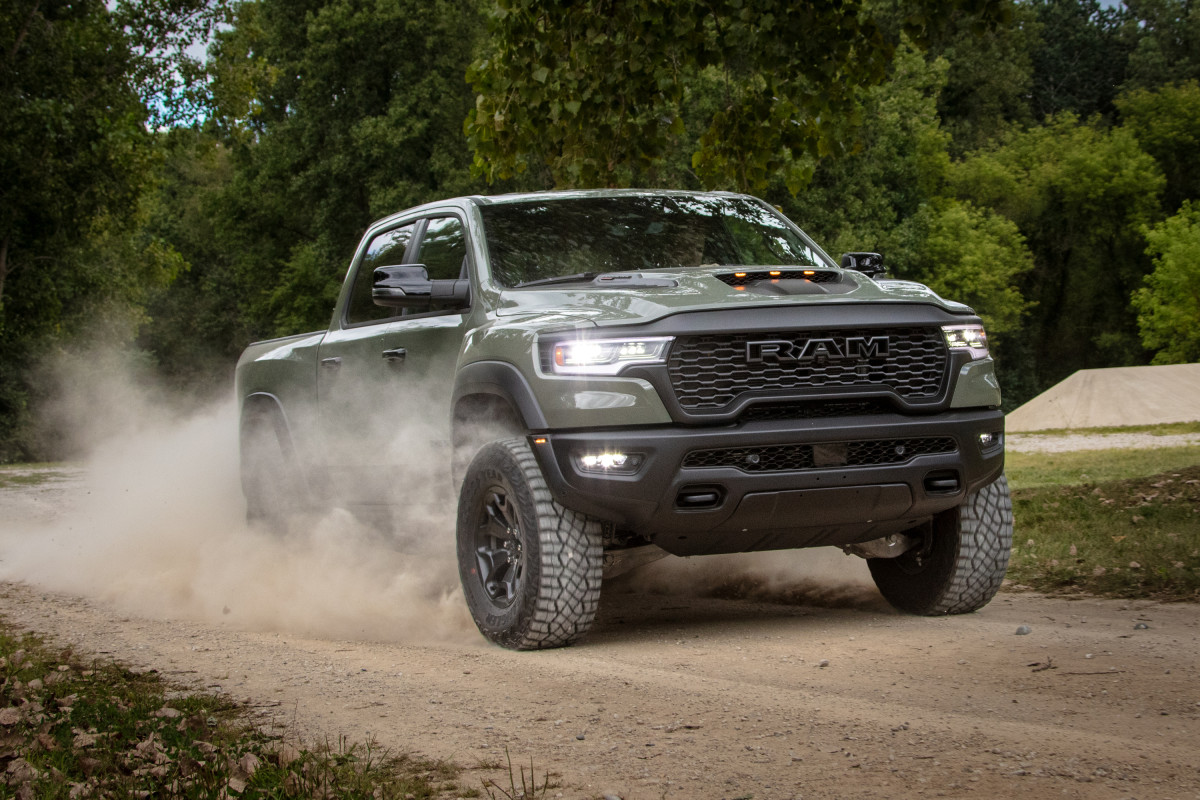
The Ram 1500 leads the full-size light-duty segment, delivering solid owner satisfaction despite demanding usage cycles. Full-size trucks often face intense usage cycles, and Ram in particular hasn’t historically led long-term reliability conversations compared to Toyota or even Ford. That the Ram 1500 tops its category suggests improved build quality and refinement in recent generations.
More Issues Now Concern Software and Electrification
According to the J.D. Power report, today’s reliability challenges are increasingly tied to software and premium-level complexity. Premium vehicles averaged 217 PP100, widening the gap over mass market brands, while mobile phone integration, particularly Android Auto and Apple CarPlay, remains the top industry complaint for a third straight year. OTA updates have delivered mixed results, with most owners reporting little to no improvement.
Electrified powertrains also post higher problem rates, with PHEVs the most problematic, followed by BEVs and hybrids, while gas-powered vehicles recorded the lowest PP100 score. As vehicles become more software-driven, electronic integration, and not mechanical hardware, is now the primary reliability hurdle, which may help explain why some unexpected models appear on this year’s most dependable list.