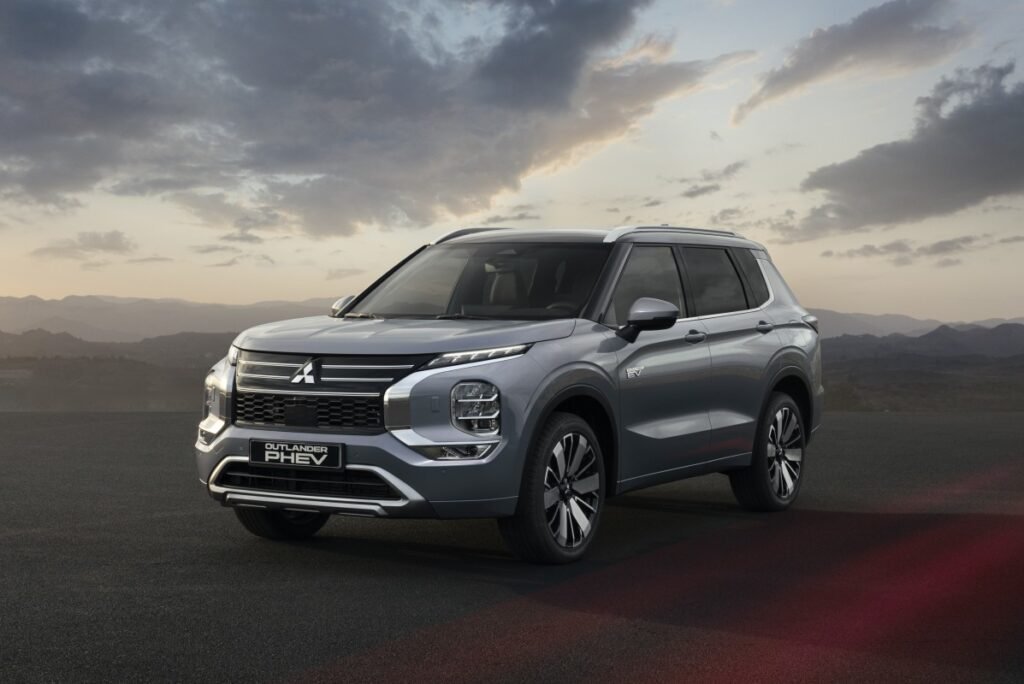
Mitsubishi has announced a series of updates for the 2026 Outlander Plug-In Hybrid, one of only a few PHEVs in the compact crossover segment. A larger battery promises a longer all-electric range, efficiency has improved, and it now produces more power than before. The benchmark in this category is the new Toyota RAV4 PHEV, so the Mitsubishi has its work cut out if it wants to attract buyers who would otherwise go knocking on Toyota’s door without a second thought. Is the Outlander a better buy than its Toyota rival? Here’s a closer look.
2026 Outlander PHEV Changes
Mitsubishi
As before, the Outlander PHEV uses a 2.4-liter four-cylinder engine and electric motors, but the larger battery has extended the all-electric range. Here’s a look at how the 2025 and 2026 models compare.
|
2025 Outlander PHEV |
2026 Outlander PHEV |
|
|
Horsepower (combined) |
248 hp |
297 hp |
|
Battery capacity |
20 kWh |
22.7 kWh |
|
All-electric range |
38 miles |
45 miles |
|
MPGe rating (combined) |
64 MPGe |
73 MPGe |
A 49-hp jump and an increase in the all-electric range by 8 miles are decent gains for what is merely a facelifted model. Mitsubishi didn’t stop there, as the following enhancements have also been applied to 2026 models:
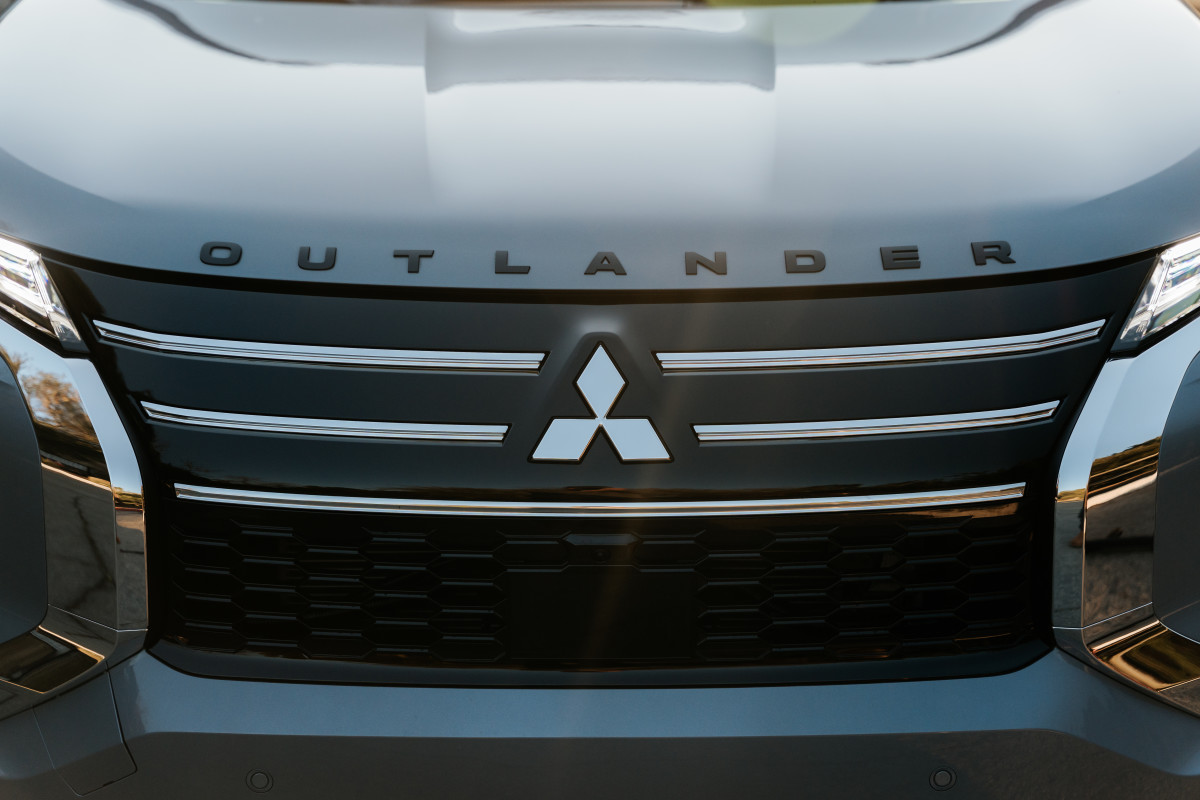
- New wheel designs, updated grille/front bumper, revised taillights
- All-LED exterior lighting
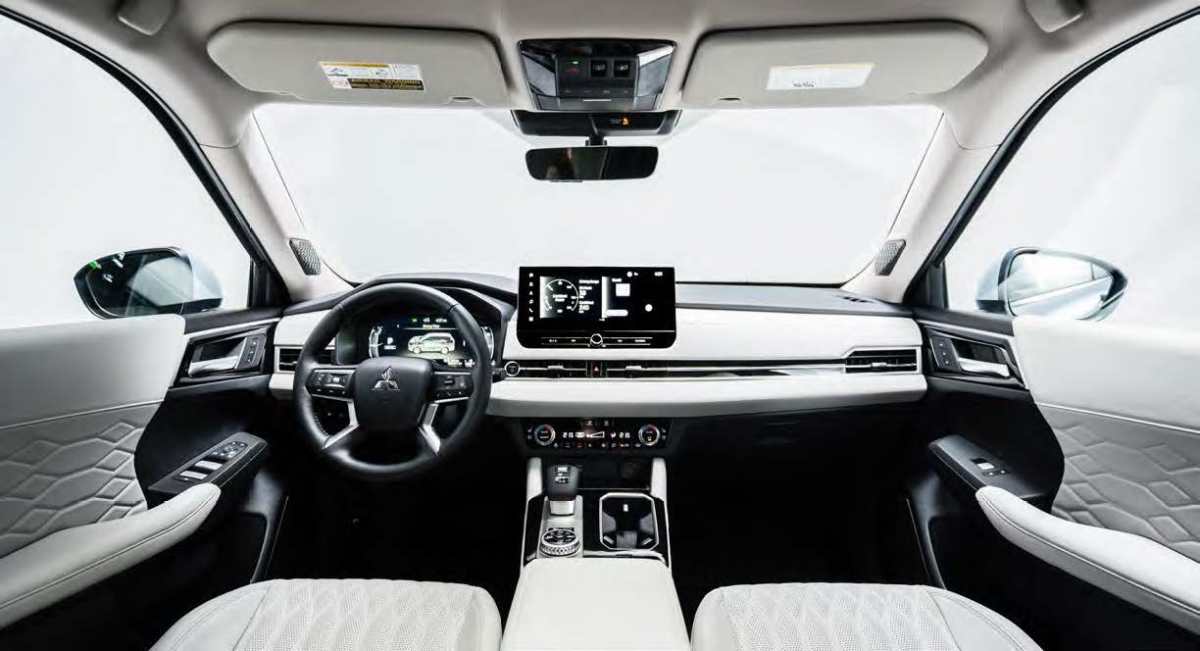
- New seating surfaces, cooled front seats on select trims, improved storage options
- New sound-deadening materials
- Revised steering and suspension tuning
- Available 12-speaker Yamaha sound system
The interior updates mentioned here were already applied to the normal Outlander for the 2025 model year, so the PHEV is now in line with those models.
“The real change for 2026 is in the way the vehicle performs. More electric operation, improved acceleration, a quieter and more engaging driving experience.,” said Mark Chaffin, Mitsubishi Motors North America, Inc.’s president and CEO.
Related: Why Plug-In Hybrids Rarely Match Their MPG Claims
Pricing and Comparison to RAV4 PHEV
Toyota
There’s a downside to all these improvements, though. The 2026 Outlander PHEV now starts at $43,245 (excluding destination), which is $2,800 more than the 2025 version. Full pricing for all trims hasn’t been shared yet, but the top models will likely surpass $50,000.
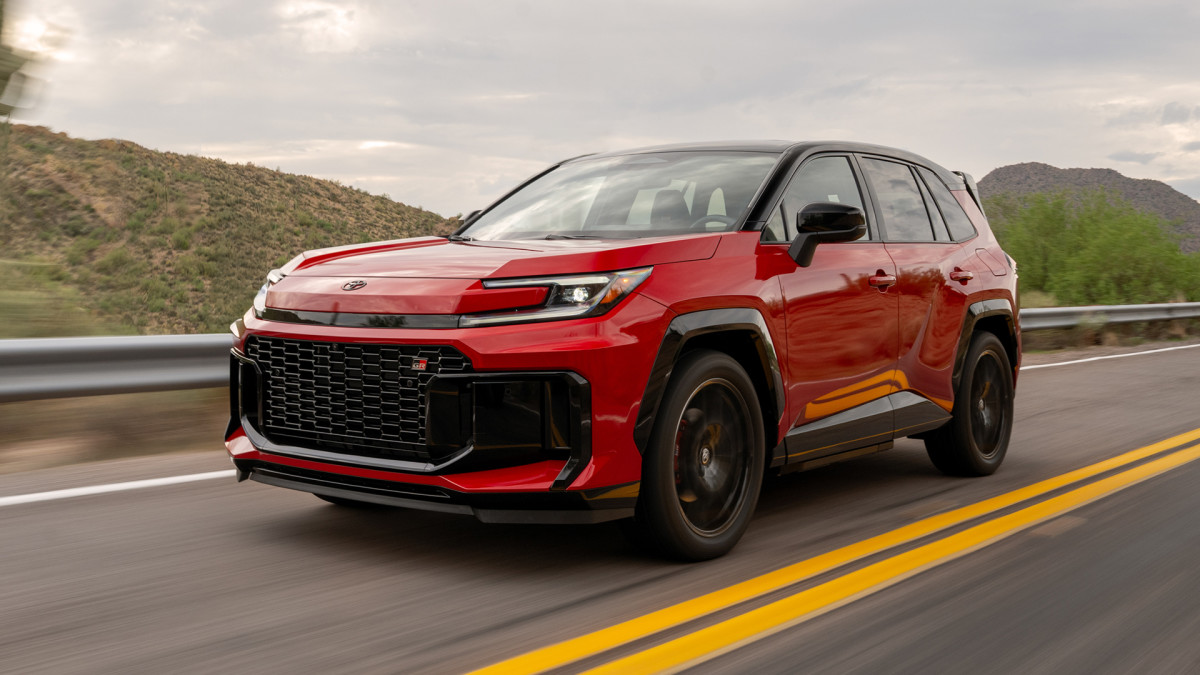
While the Outlander PHEV has gotten pricier for 2026, the all-new RAV4 PHEV has gone in the opposite direction; the Toyota is now $3,315 cheaper than before. It starts at $41,500, undercutting the older Outlander by nearly $2,000. One major plus for the Outlander is its 10-year/100,000-mile powertrain warranty, which trumps the RAV4’s five-year/60,000-mile equivalent.
The RAV4 PHEV produces 324 hp and can be driven for 52 miles on electric power alone, so it’s more powerful yet still has a better electric range. At up to 107 MPGe, the RAV4 is also far more efficient. Like the Mitsubishi, the Toyota also gets AWD as standard.
The Outlander does have a pleasingly plush interior, though, and the 2026 model’s improvements should enhance comfort levels even more. The RAV4 takes a more rugged approach to interior design.
Final Thoughts
Mitsubishi
The Mitsubishi Outlander PHEV is the most appealing product in the Japanese brand’s U.S. lineup, and the improvements made to it for 2026 are welcome. At nearly 300 hp, it’s one of the segment’s more powerful offerings, and the all-electric range is better, too. The high-end cabin and strong warranty are other advantages.
However, the all-new RAV4 is now hard to beat for anyone else competing in this segment. In PHEV form, it’s very powerful, extremely efficient, and better priced than before. With the Outlander’s own price hike, it’s difficult to see it stealing a significant chunk of RAV4 PHEV sales.