Drivers across the eastern United States are facing record spring heat while parts of the central Plains brace for dangerous fire weather conditions. Forecasters say temperatures could run as much as 30–40°F above normal in some areas. While the eastern half of the nation prepares for temperatures far above seasonal averages, the central Plains are facing a very different risk: strong, dry winds capable of rapidly spreading wildfires.
Forecasters say the unusual combination of record-breaking warmth in the East and critical fire weather conditions in the Plains is being driven by the same large-scale weather system moving across North America.
According to the National Weather Service’s Weather Prediction Center forecast discussion, a surge of warm air ahead of an advancing cold front is pushing temperatures well above normal across much of the eastern United States this weekend.

Spring Heat Surge Pushes Temperatures 30–40°F Above Normal
Drivers across the Mid-Atlantic, Southeast, and parts of the Ohio Valley may experience unusually warm conditions as the warm air mass moves east. Forecast highs are expected to reach the 60s and 70s across the Ohio Valley and northern Mid-Atlantic, while areas farther south could see temperatures climb into the 80s from the southern Mid-Atlantic through the Gulf Coast. Parts of the Carolinas could even reach the mid- to upper-80s, which is exceptionally warm for mid-March.
According to the Weather Prediction Center forecast discussion, some locations could see temperatures 30 to 40 degrees above seasonal averages, increasing the chance that daily record highs could be tied or broken. However, the spring-like warmth will be short-lived. A strong cold front moving east later this week is expected to push temperatures back toward more seasonal levels.
Dry Winds Raise Wildfire Risk Across the Plains
While the East experiences record warmth, the central High Plains are facing a different hazard. Forecast discussions from the Weather Prediction Center indicate that gusty downslope winds east of the Rocky Mountains, combined with warm temperatures and low humidity, could create critical fire weather conditions across parts of the region.
These conditions are most likely across eastern Colorado, western Kansas, the Texas Panhandle, and surrounding areas. When strong winds combine with dry vegetation and low humidity, even small sparks — from equipment, vehicles, or roadside debris — can ignite grassfires that spread rapidly across open terrain. The Weather Prediction Center national forecast overview notes that these conditions have prompted a Critical Risk of Fire Weather (level 2 of 3) across parts of the central and southern High Plains.
Photo by Erik Mclean on Unsplash
What Drivers Should Watch for on the Roads
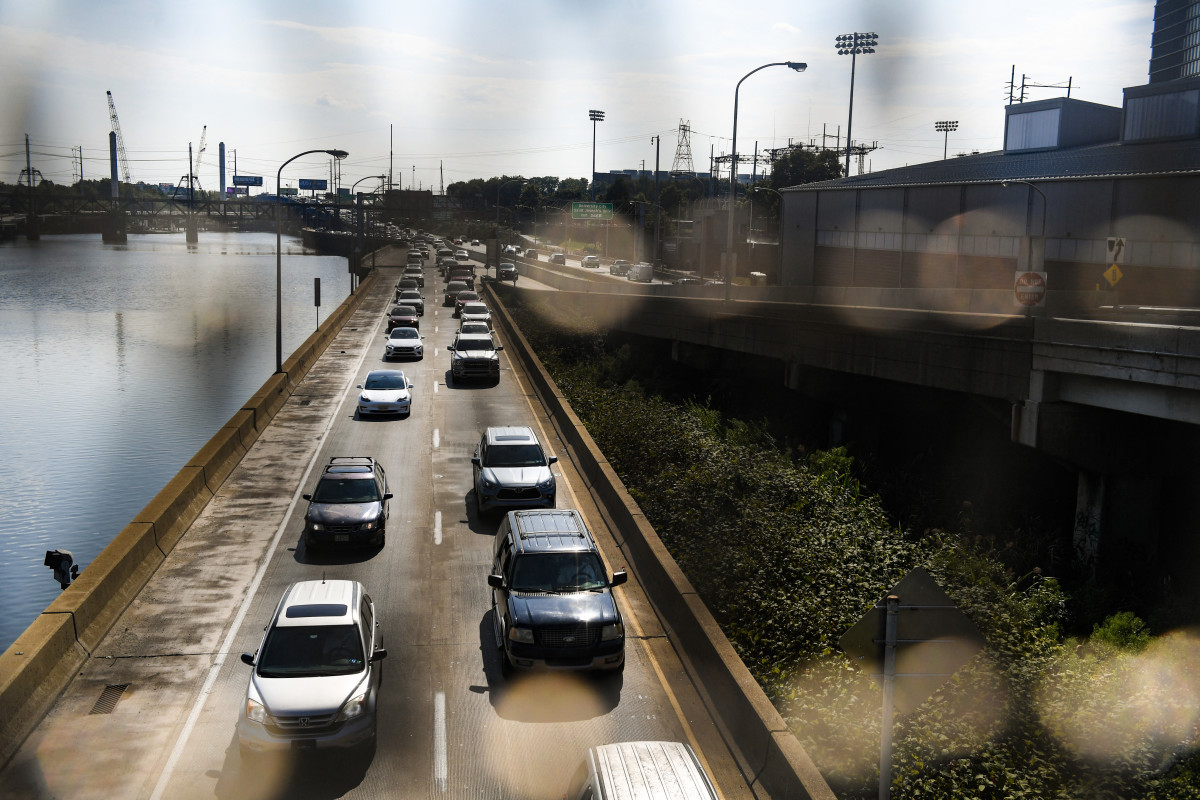
The mix of extreme warmth and strong winds can create several unexpected hazards for drivers. Across the Plains, dry winds associated with the weather system can carry dust and debris across open highways, occasionally reducing visibility on rural roads. In areas where grassfires develop, smoke can also drift across highways and rapidly reduce visibility for approaching traffic.
Meanwhile, unusually warm temperatures across the eastern United States may accelerate snowmelt in northern areas, creating standing water on roads and increasing the likelihood of potholes forming on heavily traveled routes. When the cold front arrives later this week, falling temperatures could cause wet road surfaces to cool rapidly, potentially creating slick spots in areas where temperatures drop overnight. Drivers can monitor developing severe weather threats through the Storm Prediction Center severe weather outlook, which tracks areas where strong storms may develop ahead of the advancing front.
Kristen Brown
How Spring Heat Can Affect Your Tires and Roads
Sudden bursts of spring heat can affect both road surfaces and vehicle performance. As pavement warms, tire pressure inside a vehicle’s tires rises as well. Even moderate temperature increases can slightly raise pressure levels, which may alter tire grip and handling characteristics if tires are already close to their maximum recommended pressure.
Warmer pavement temperatures can also soften asphalt surfaces, especially on heavily traveled highways. That process can accelerate the formation of potholes and loosen debris on roadways. Drivers traveling during unusually warm weather should periodically check tire pressure and inspect tires for uneven wear, particularly after large swings in temperature.