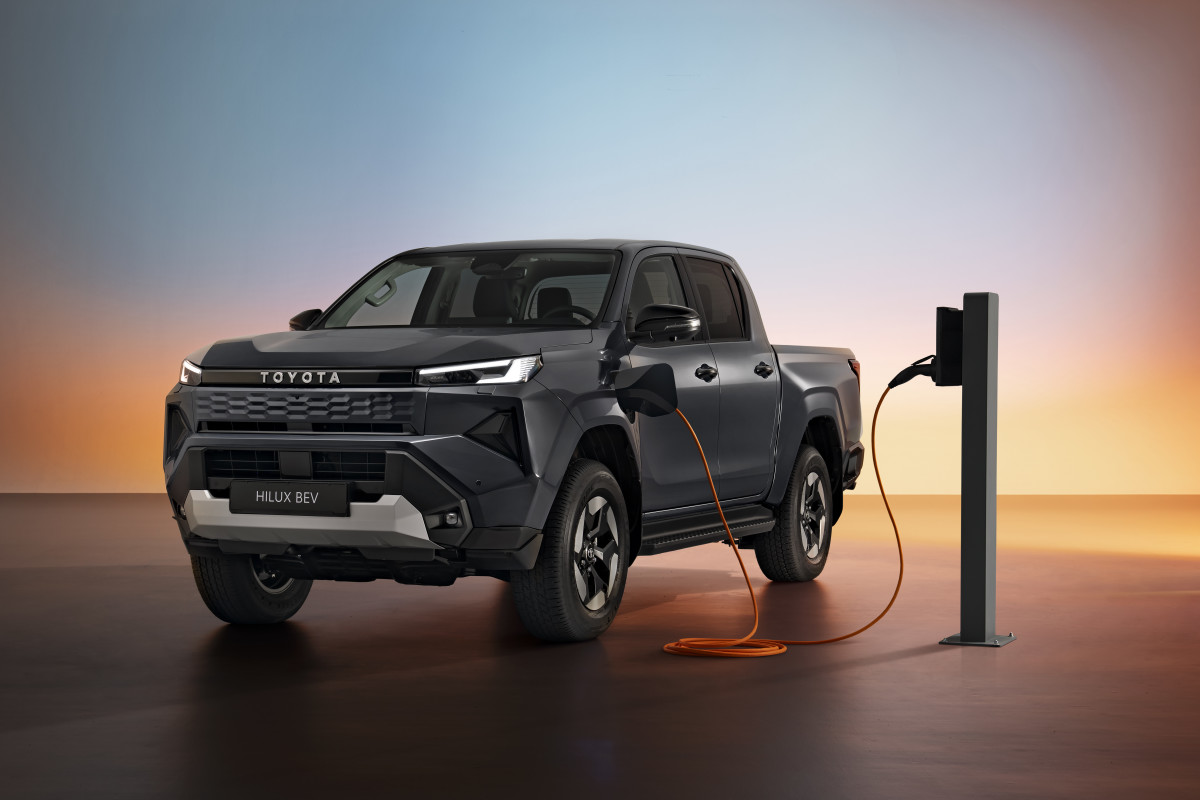
A Longer Life for Toyota Models
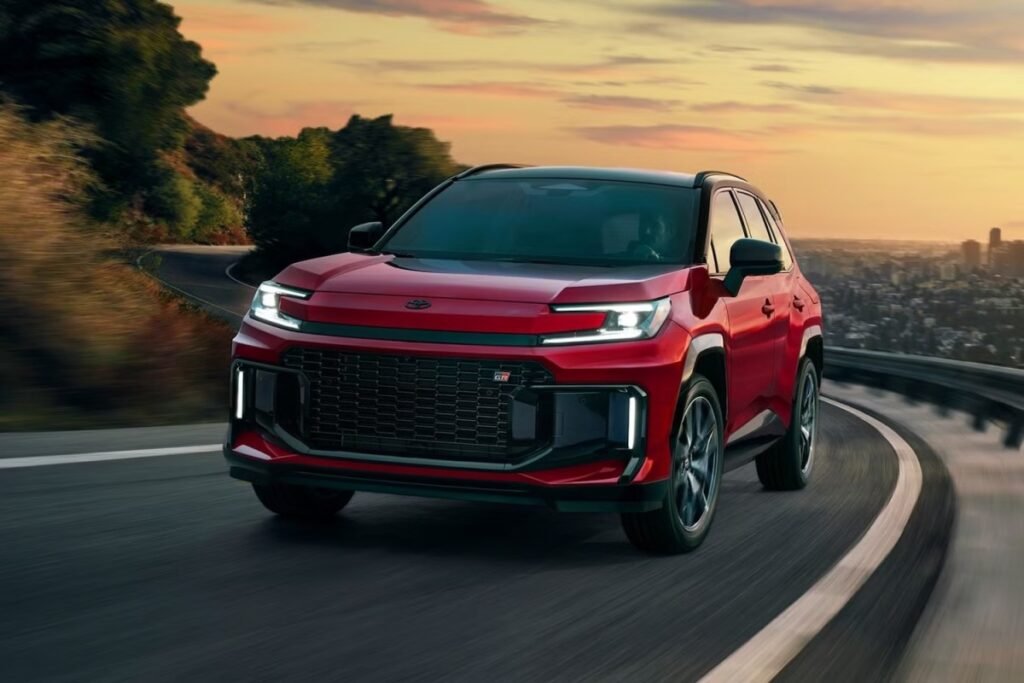
Toyota’s reputation for long-lasting cars is about to take on a new meaning. For years, the company followed a familiar rhythm: a full model change roughly every five years, especially for its top nameplates. That timeline stretched to around seven years through the previous decade. That’s what we see with models like the Toyota RAV4, with its new-gen model rolling off after about seven years in its current form.
But even that cadence is no longer the target. According to a report from Nikkei Asia, Toyota plans to extend the average life cycle of its flagship models to about nine years. It’s an unusually long span for a mainstream brand, but Toyota believes this direction makes sense as demand remains strong and certain models face years-long waiting times. The idea is to create a more stable sales environment and make it easier for buyers to get popular models without having the next-generation version appear just as their order is fulfilled.
Cole Attisha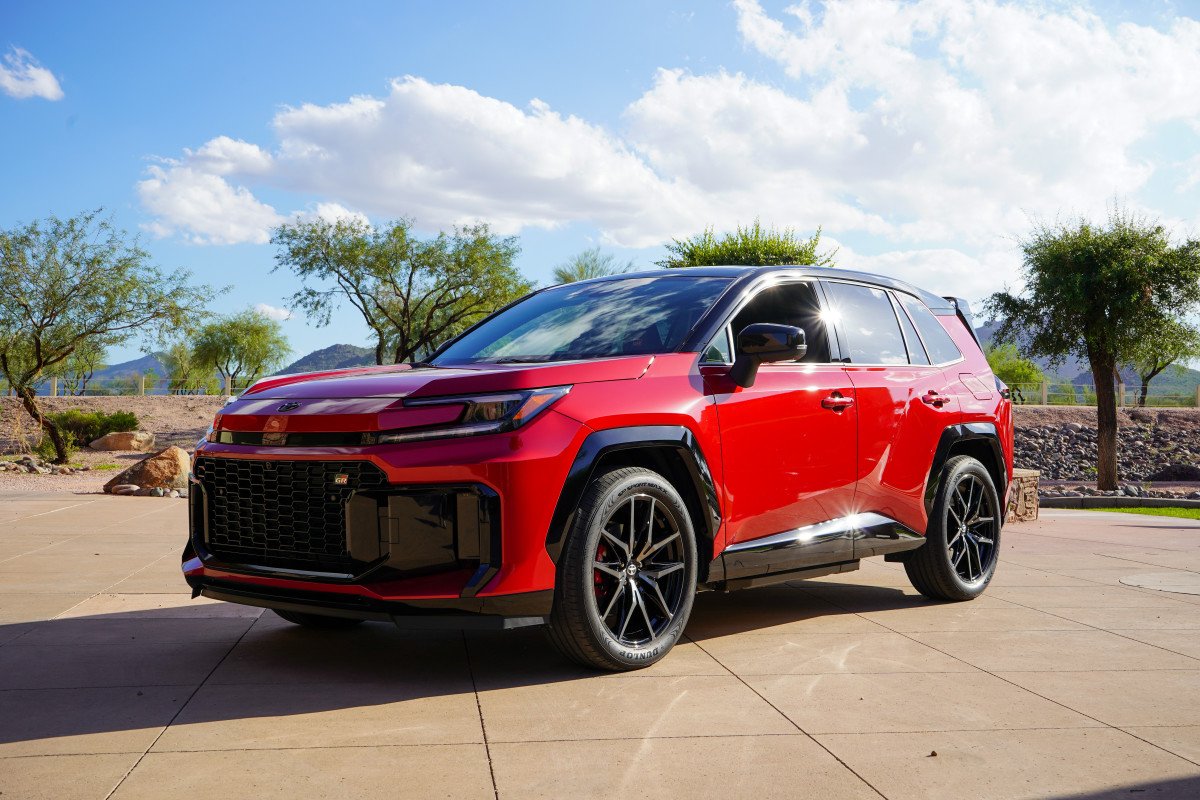
How Toyota Plans to Make It Work
The life cycle adjustment comes with tweaks in how Toyota handles pricing and dealer operations, with the company reviewing its wholesale pricing strategy. Traditionally, wholesale prices go down as a model ages, and customer discounts become more common as the end of the cycle approaches. Toyota is now looking to set these prices more flexibly, based on each model’s performance in the market rather than relying on a declining schedule.
Longer cycles also help the brand better manage high demand. Vehicles like the Land Cruiser already require long waiting periods, sometimes stretching into years. Extending the product run reduces the risk of customers finally receiving their vehicle only to find that a new generation has already launched. Toyota expects this approach to maintain product value, including in the used market, where a more stable model timeline can help preserve resale prices.
Jacob Oliva/Autoblog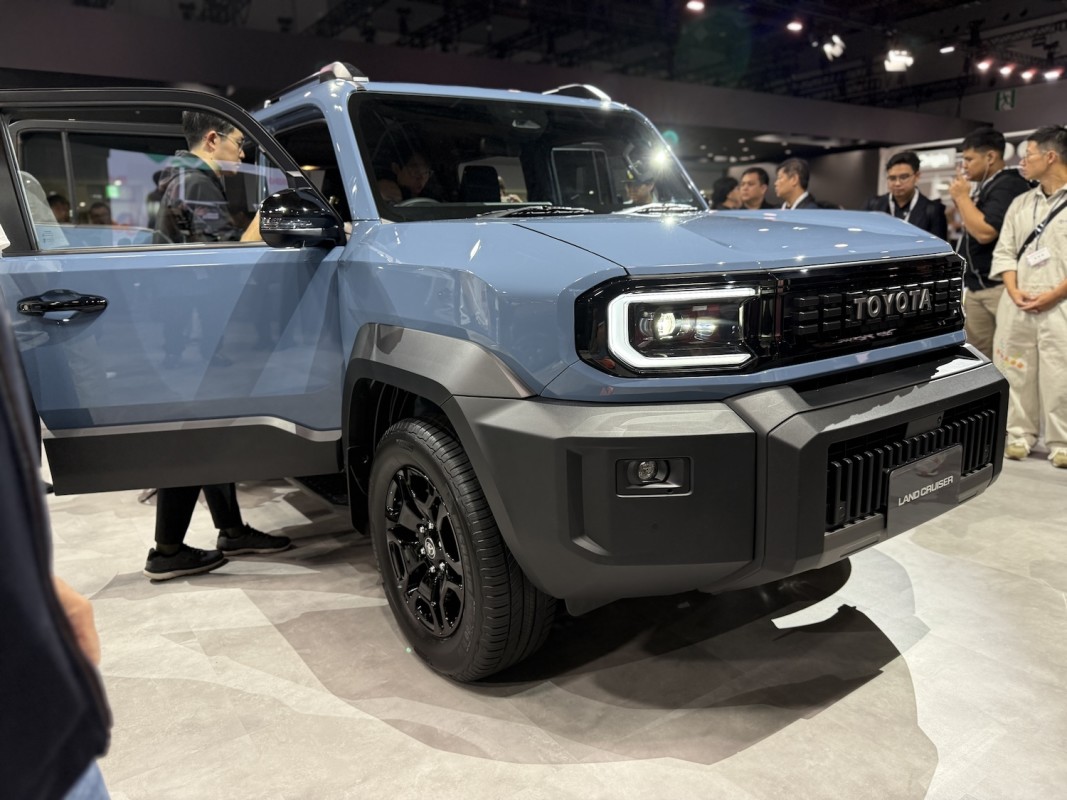
The Software-Defined Shift
One of the main reasons Toyota can afford a longer model cycle is the rise of the software-defined vehicle. Instead of bundling every new feature into a single redesign, the company can roll out improvements through software updates and new digital functions. Over-the-air updates, once a niche feature, are now common enough to support substantial changes without touching the hardware.
With the ability to add performance tweaks, safety features, interface upgrades, and even new user functions post-purchase, the tech makes it possible for a Toyota vehicle to feel current even several years into its run. The automaker sees this as a way to keep full redesigns less frequent.
Toyota