A key precedent set
The long-running battle between automakers and franchised dealers over direct-to-consumer sales just tilted again, this time in Colorado. Scout Motors, the Volkswagen-backed revival of the iconic off-road brand, has secured a dealer license that allows it to sell vehicles directly to customers in the state. For dealers already uneasy about the slow erosion of the franchise model, it’s another worrying precedent.
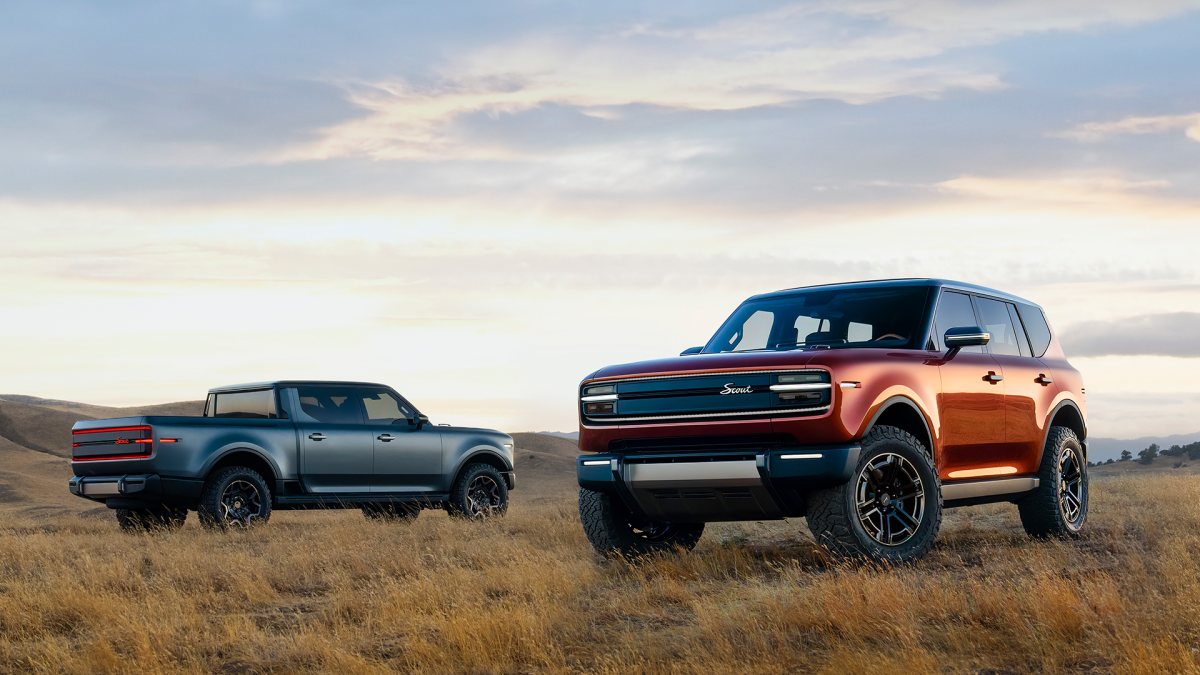
Colorado’s Motor Vehicle Dealer Board voted 6–2 to grant Scout Motors a license to sell new, used, and wholesale vehicles. The permit expires in October 2026, well before Scout’s South Carolina factory is expected to begin production in 2027. Still, the symbolism matters more than the timing. Colorado is the first state to formally approve Scout’s direct-sales strategy, handing automakers a fresh example to cite as they push back against dealer laws elsewhere.
More than a retro throwback
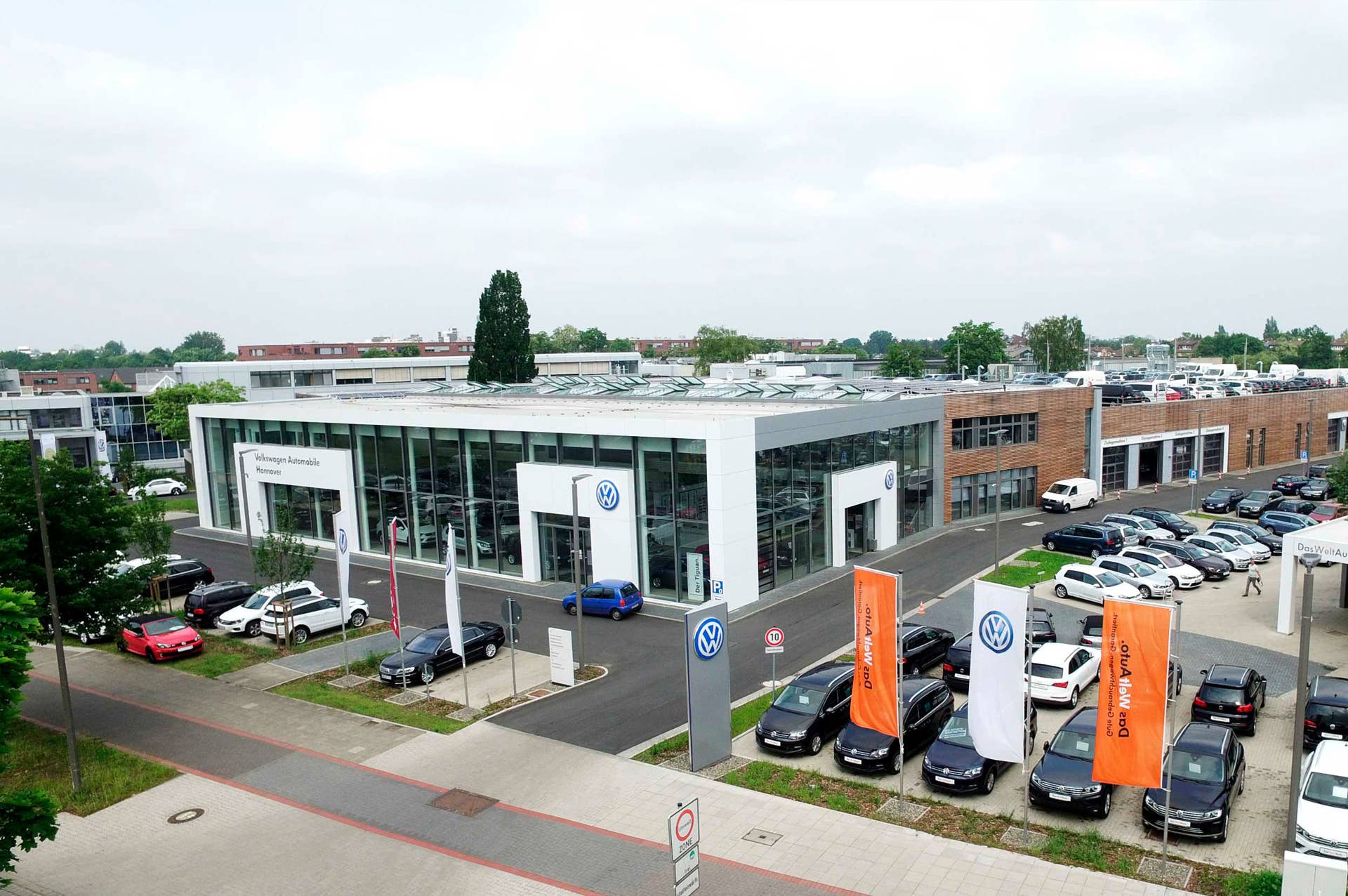
When Volkswagen announced the return of the Scout brand in 2022, nostalgia wasn’t the only headline. VW also made clear that Scout would not use the traditional dealer network. Instead, the company plans to sell vehicles online, supported by company-owned showrooms and service centers. That approach immediately alarmed Volkswagen dealers, who argued that Scout, as a VW-backed brand, should be required to sell through existing franchises.
Volkswagen
Colorado regulators disagreed. In granting the license, the board determined that Scout Motors is not a “same-line” manufacturer as Volkswagen, Audi, or Porsche, despite being financially backed by VW. That distinction could prove crucial as Scout faces similar legal challenges in other states, including California and Florida.
Dealer backlash grows louder
Not surprisingly, Colorado dealers aren’t thrilled. Mike Maroone, CEO of Mike Maroone Auto and a former AutoNation executive, has been particularly outspoken. In an interview with CBT News, he criticized the decision as a workaround that undermines the franchise system and the investments dealers have made under long-standing state protections.
Scout Motors
Maroone has also pushed back on the idea that Scout is meaningfully separate from Volkswagen. In his view, operating as a standalone brand doesn’t change the reality that it’s owned and funded by a major OEM—one that has relied on dealer partners for decades. Allowing a manufacturer-backed brand to bypass those partners, he argued, sets a dangerous precedent.
Dealer associations, Maroone said, are likely to respond with a mix of litigation, negotiation, and political pressure. Franchise dealers have deep roots in state politics, and many see this fight as existential rather than theoretical.
Why Colorado matters
Colorado isn’t just any test case. The state has one of the strongest EV markets in the country, accounting for roughly 27% of EV sales, buoyed by federal and state incentives. Even though some incentives were rolled back in October, demand remains relatively strong, making the state an attractive proving ground for new sales models.
Scout
For Scout, the irony is hard to miss. While it can now sell directly in Colorado, it still can’t do so in South Carolina—its home state and the site of its multibillion-dollar factory investment. South Carolina law not only bans direct manufacturer sales but also prohibits automakers from owning service centers, a potential headache for future Scout owners.
Final thoughts
For dealers, Scout’s Colorado win feels less like an isolated ruling and more like another crack in the franchise wall. Even if Scout sells relatively low volumes at first, the broader implication is clear: regulators may be increasingly willing to let automakers experiment outside the traditional system.