Engine Failure That Didn’t Add Up
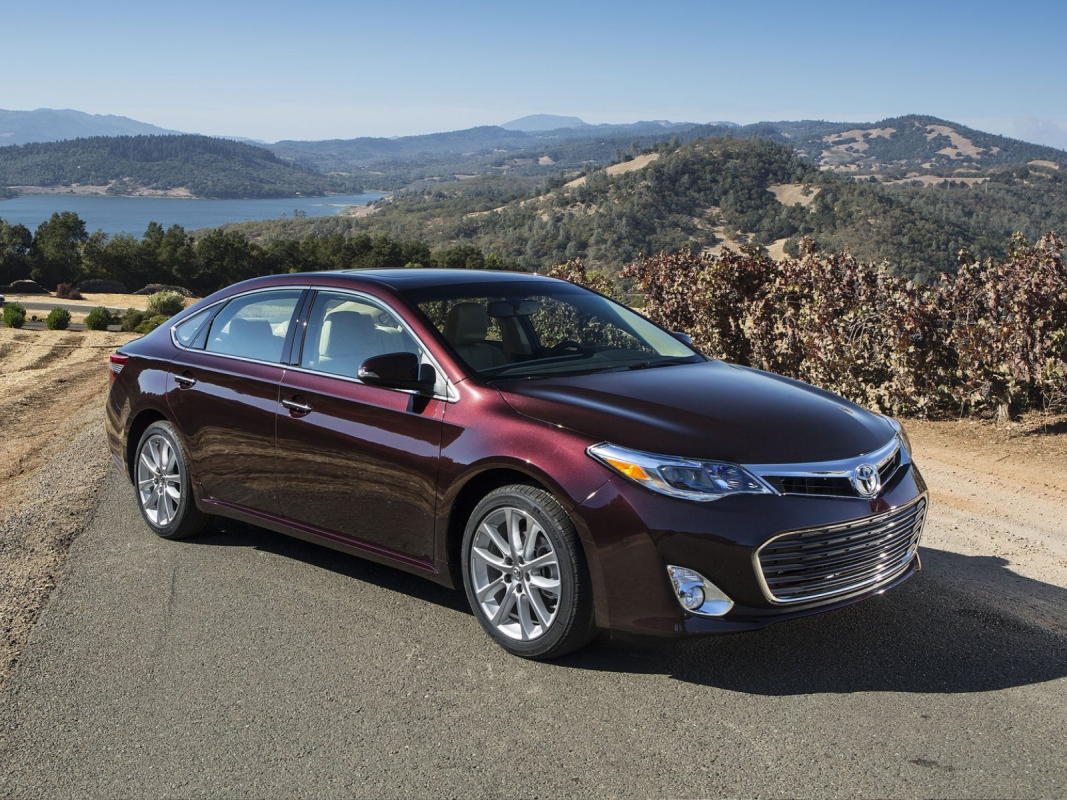
Toyota’s 2GR-FE has long championed the brand’s reputation for reliability since the mid-2000s, even demonstrating its performance capabilities when it was used in the Lotus Evora. That’s why a supposedly blown 2GR-FE in a 2014 Toyota Avalon – shared by The Car Care Nut – is an interesting case, especially given that the car had accumulated just 11,000 miles.
Both the Avalon and the 2GR-FE can now be considered part of Toyota’s past, making some background useful. The Avalon, a full-size sedan, was discontinued in the U.S. after the 2022 model year as consumer demand continued to shift toward crossovers and SUVs. The 2GR-FE, a 3.5-liter V6 previously offered in larger Toyota models such as the RAV4 and Sienna, as well as the Lexus ES, followed a similar trajectory. It was gradually phased out in favor of more fuel-efficient powertrains as stricter emissions and fuel-economy regulations took hold in the early 2020s, with the 2026 RAV4 now offered exclusively as a hybrid.
What Was Really Going On
Given the 2GR-FE’s reputation and the car’s low mileage, the mechanic at The Car Care Nut argued that the issue was not a fundamental engine failure but the result of poor servicing. He cited a loose coolant hose and a horn that had not been properly connected as signs of careless prior work. The dealership that previously serviced the Toyota Avalon had recommended a full engine replacement, prompting the owner to seek a second opinion and have the car inspected elsewhere.
According to the mechanic, the issue came down to something called cylinder washdown. When an engine is cold, it runs a rich fuel mixture, and if the car is mostly driven on short trips, it may never fully warm up. Over time, that excess fuel can wash away the oil that protects the cylinder walls, leading to increased wear. That aligns with the Avalon having 11,000 miles only despite being a decade old.

A Simple Fix, and a Bigger Lesson
The fix was simple: resecuring the coolant hose clamp, replacing the spark plugs, and changing the engine oil. However, the broader takeaway here is the importance of allowing an engine to reach proper operating temperature, especially in colder conditions when oil thickens and circulates more slowly, delaying lubrication to critical components such as the cylinder walls.
Cylinder washdown is more commonly associated with those equipped with direct injection and turbochargers – think of Ford’s EcoBoost and GM’s Ecotec engines – but this case shows that driving habits and maintenance matter as much as engine design.