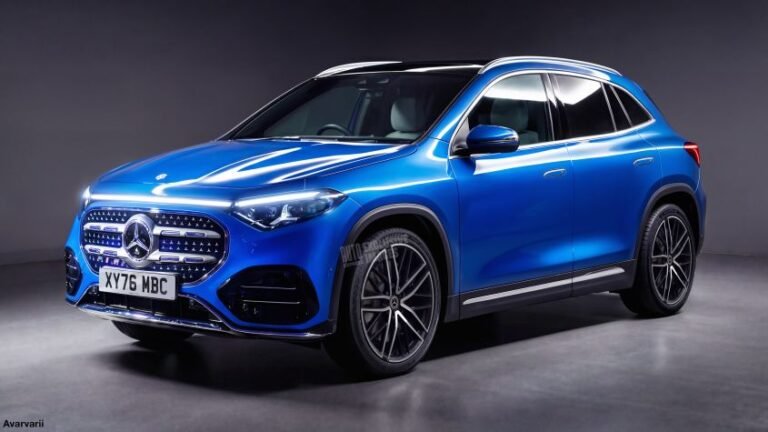
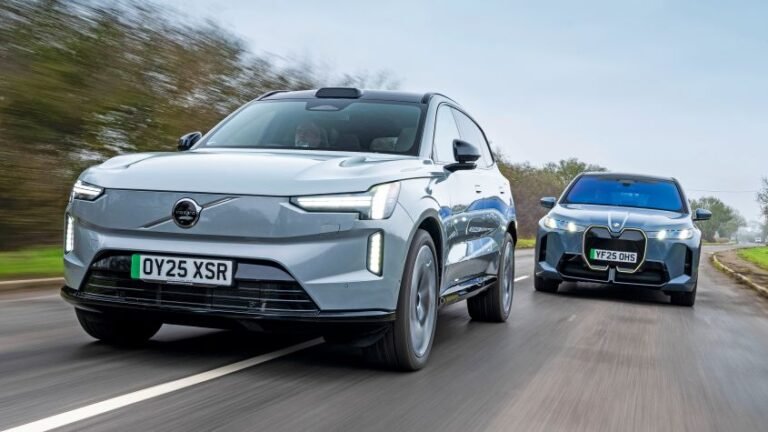
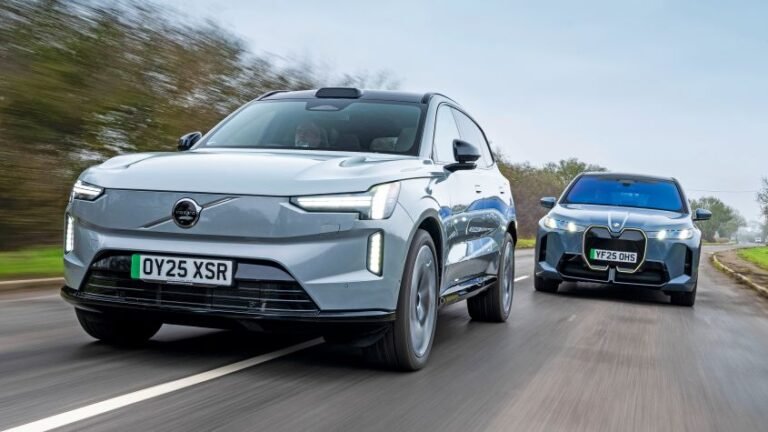
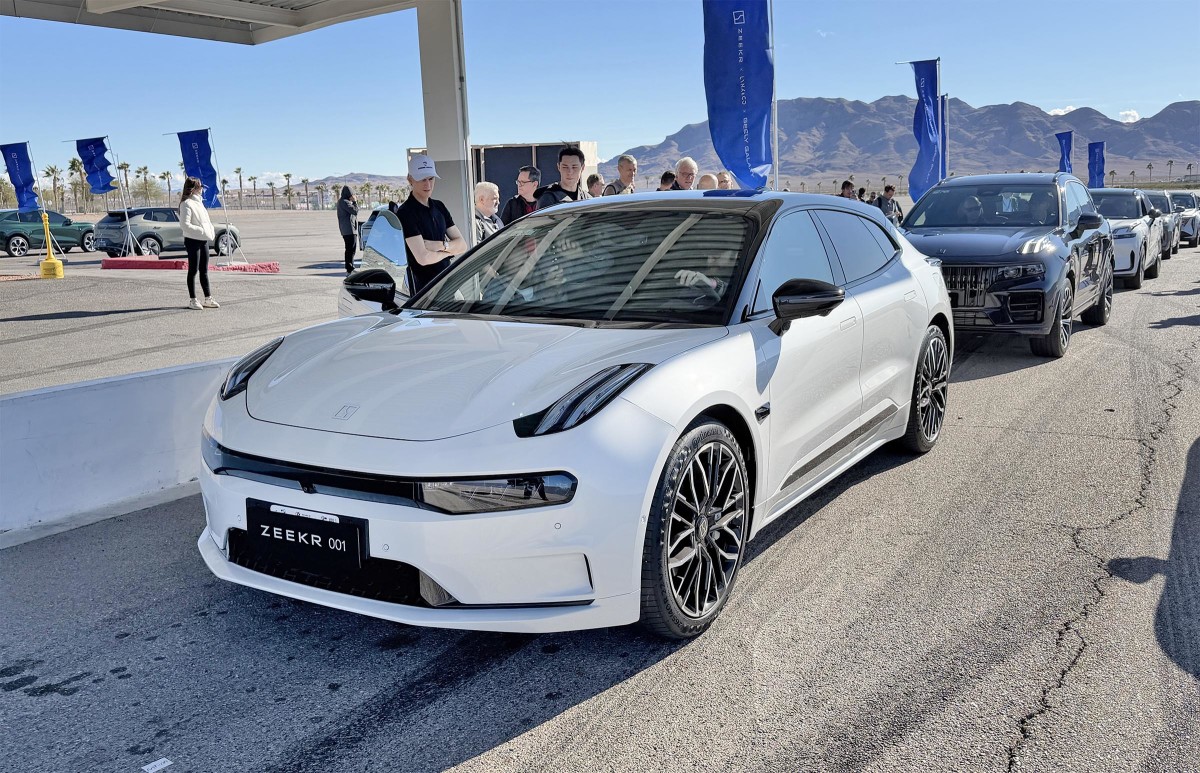
There were plenty of takers earlier this month when Chinese automaker Geely offered journalists attending the Consumer Electronics Show a chance to drive some of its new vehicles. For now, at least, the only alternative would be to travel abroad since no domestic Chinese brands are today available in the U.S.
Related: After Years of Rumors, Geely Confirms Plans to Enter the U.S. Market
But that may change in the not-too-distant future. Chinese manufacturers have captured a 20% share of the Mexican market and, as part of a new trade deal announced last week, Canada initially will open its borders to 49,000 Chinese-made vehicles annually. Sandwiched in the middle, U.S. automakers have fought to keep the Chinese out, but they may not be able to keep the doors closed much longer, Pres. Donald Trump quoted as saying he’s open to “Let China come in” during a Detroit visit last week.
More significantly, American motorists seem quite eager to learn more about the options posed by Chinese vehicles – considering their generally low price tags – at a time when affordability issues have priced millions of potential buyers out of the market.
Growing Awareness
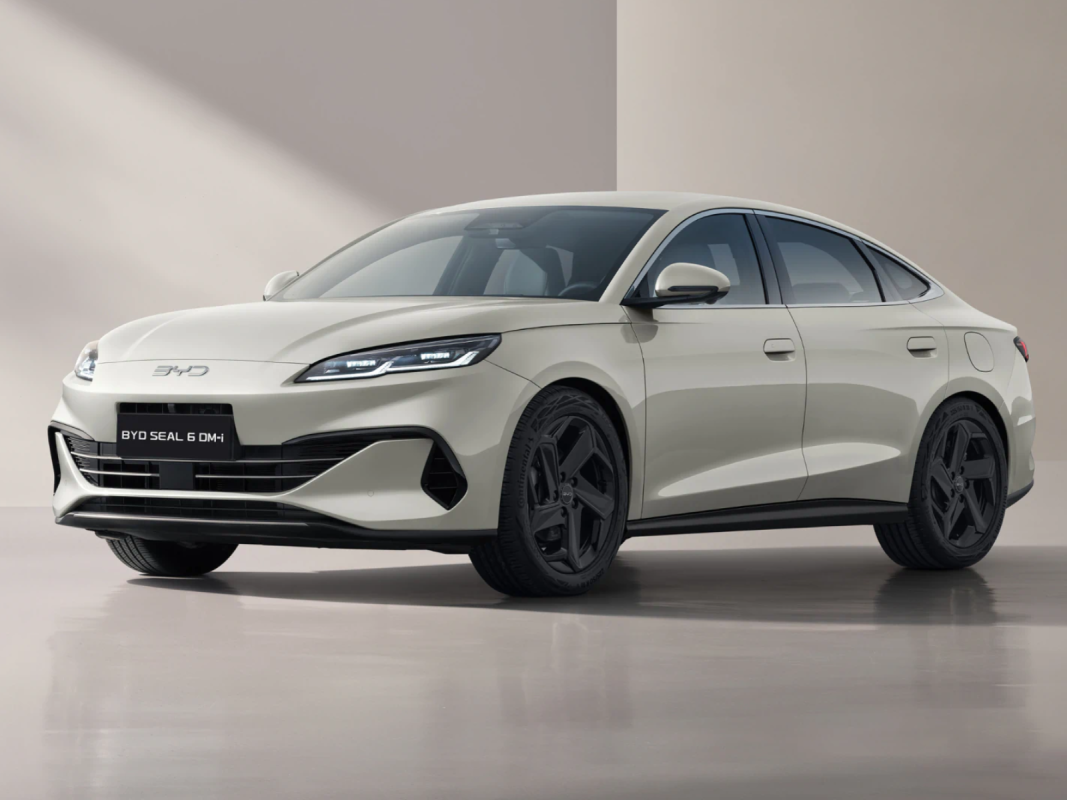
For manufacturers that have yet to sell a single vehicle in the U.S., Chinese automakers like BYD, Geely, Xiaomi and Great Wall have a surprisingly high level of awareness among American consumers, according to AutoPacific. Surveying 19,000 motorists expecting to buy a new vehicle in the next three years it found:
- More than half – 51% to be precise – said they’d consider Chinese vehicles, were they available. That’s up from 41% in the prior 2024 study;
- Awareness of Chinese brands has surged rapidly. The latest study found 43% saying they’re “somewhat familiar” with Chinese vehicles, while 22% said they were “very familiar,” a total of 65%, That’s up 12 points from the prior year;
- Asked which brands they were most interested in buying, 27% picked Huawei, 19% BYD, 16% Great Wall and Geely and Nio were each the choice of 13%.
“There’s going to be even more awareness, buzz and consideration now that Canada is opening the door,” said Robbie DeGraff, manager of product and consumer insights for AutoPacific, Inc.
Related: New Survey Exposes New Car Buyer Attitudes Toward Chinese Cars
Booming Exports
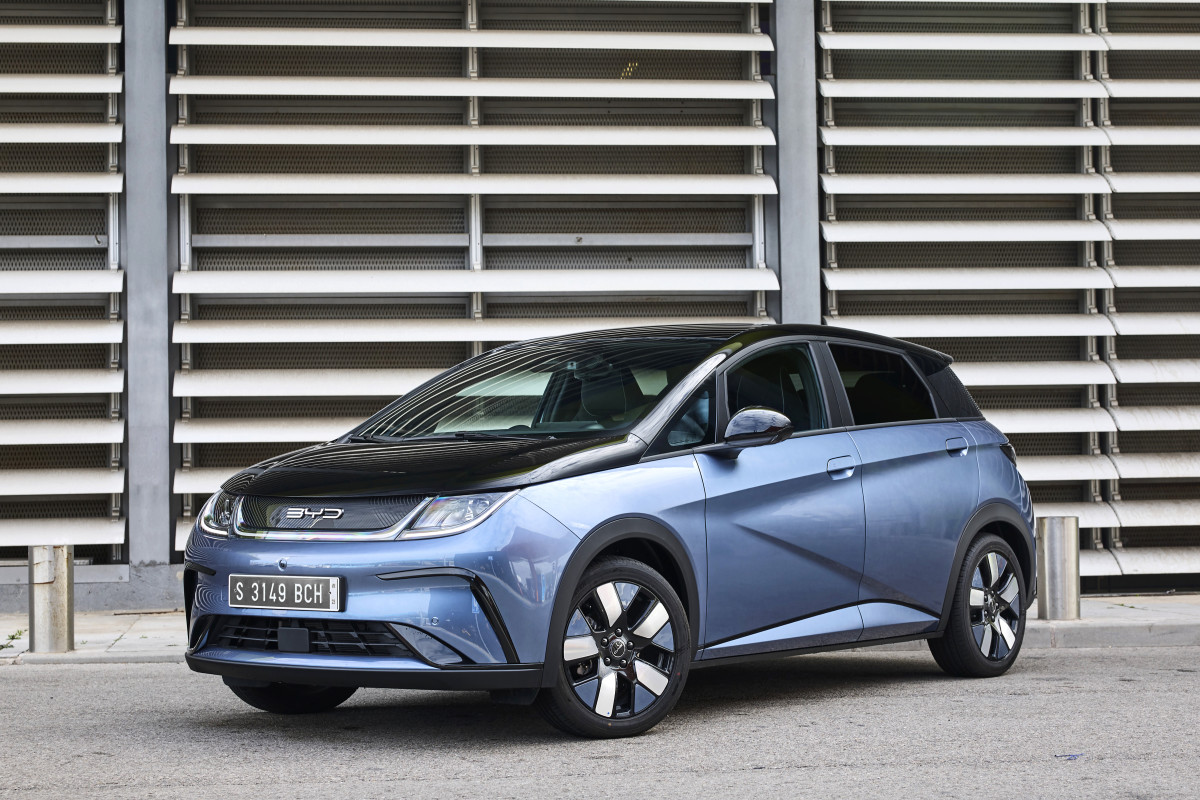
The numbers suggest Chinese carmakers have the potential to duplicate the success they’re seeing in many other parts of the world. The country’s auto exports have jumped from 1 million to 7 million since 2019, according to the China Association of Automobile Manufacturers. In Mexico, Chinese-made automobiles – including those sold under Western brand names – now account for one in five new vehicle sales.
They haven’t been completely locked out of the U.S. market, but sales totaled around 74,000 in 2025, barely 0.5% of the new vehicle total. And they were all sold wearing Western badges, such as the Lincoln Nautilus and Buick Envision.
The problem is that any price advantage Chinese products have has been more than offset by the tariffs first put in place by former Pres. Joe Biden and increased under Donald Trump. Gas-powered models like Nautilus face 27.5% duties, pure EVs like the Polestar 2 and Volvo EX30 face 102.5% tariffs. That has forced manufacturers to drop some models or, in the case of Volvo, move production of the EX30 from China to Ghent, Belgium.
Pluses and Minuses
Geely
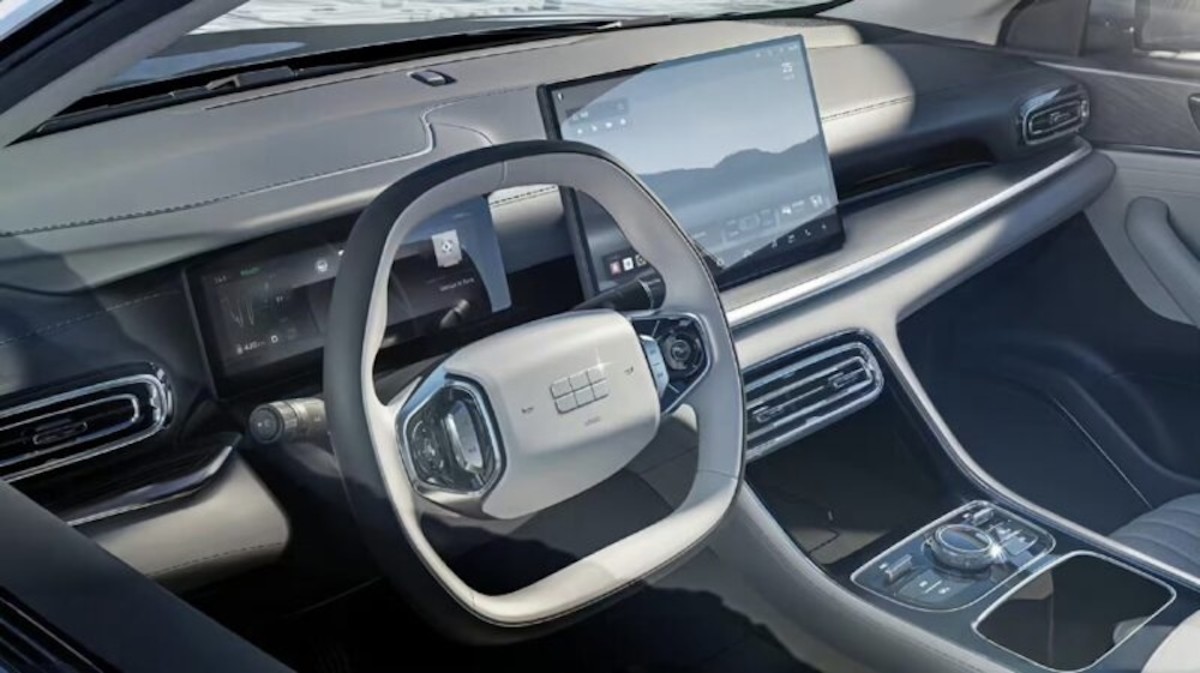
There are a number of reasons why Chinese vehicles are gaining traction so quickly, starting with low sticker prices. Consider that in Mexico, the BYD Dolphin Mini – a 5-door EV with a range of 190 miles – goes for MXN$358,000, about $21,000 – including a 16% value-added tax. The BYD Dolphin Surf exported to the European Union starts as low as 19,990 euros, or $22,977, depending upon the national market. In a handful of countries, the BYD Seagull EV starts just over its Chinese price of $11,000. Those are hard numbers to ignore, considering the average transaction price for a new vehicle in the U.S. topped $50,000 in December, according to Kelley Blue Book.
Until a few years ago, critics said Chinese products weren’t worth any more, citing low quality and limited features. The latest generation of vehicles have reversed that image, winning kudos for their features – especially the technology in Chinese EVs. Even Ford CEO Jim Farley couldn’t contain his enthusiasm for the Xiaomi SU7. “I’ve been driving it for six months now, and I don’t want to give it up,” he said in October 24 during an interview on the “Everything Electric” podcast.
Related: Ford CEO Says Chinese Automakers Could “Put Us All Out of Business”
On the downside, AutoPacific’s study found Americans still deeply concerned about privacy and national security issues – and that held true whether Democrat or Republican, young or old, wealthy or struggling by on a tight budget, said DeGraff. Fully 77% of those surveyed raised the specter of privacy issues, 79% citing national security concerns in the latest Future Attributes Study. But the analyst noted both those numbers dipped about 3 points from the 2024 study – and he expects such concerns will continue to decline.
Opening the Door
Chip Somodevilla/Getty Images
Even as Chinese auto exports soar – and likely because of that – resistance has been fierce in the U.S. market. The trade group the Alliance for American Manufacturing has described the potential arrival of Chinese brands as “an existential threat” to today’s automotive establishment. But DeGraff and others think the door can’t be barred forever. “All signs point to Chinese manufacturers selling EVs in the U.S., if not by the end of the decade then soon afterwards,” he told Autoblog.
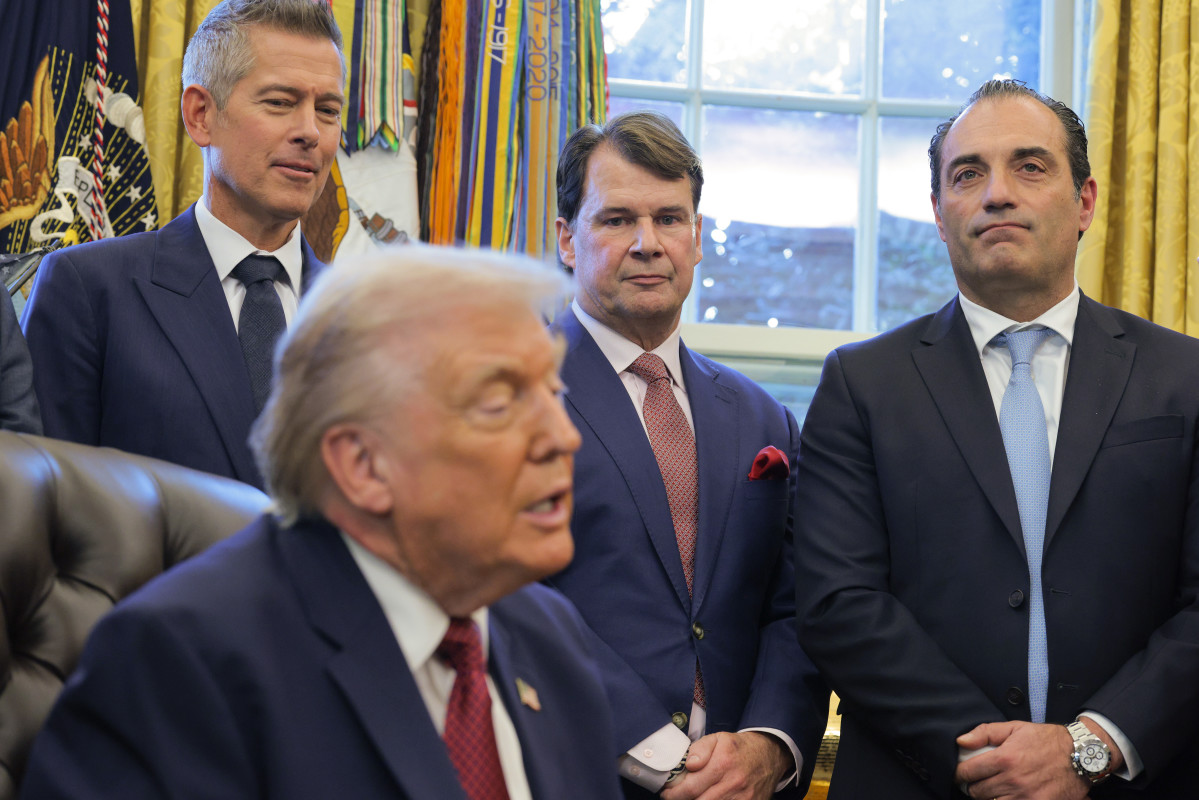
Even Pres. Trump appears to be warming to the idea. Michigan U.S. Senator Gary Peters quoted Trump saying, “Let China come in,” during a visit to Detroit last week. He has put a caveat on such a move, however, demanding the Chinese, like other foreign automakers, set up manufacturing operations in the States.
Several have already raised that possibility. The big question for us is when and where will we go to the USA? I think we will have an announcement on that in the next 24-36 months,” Ash Sutcliffe, Head of Global Communications for Geely Holding Group, told reporters during the automaker’s CES drive event.
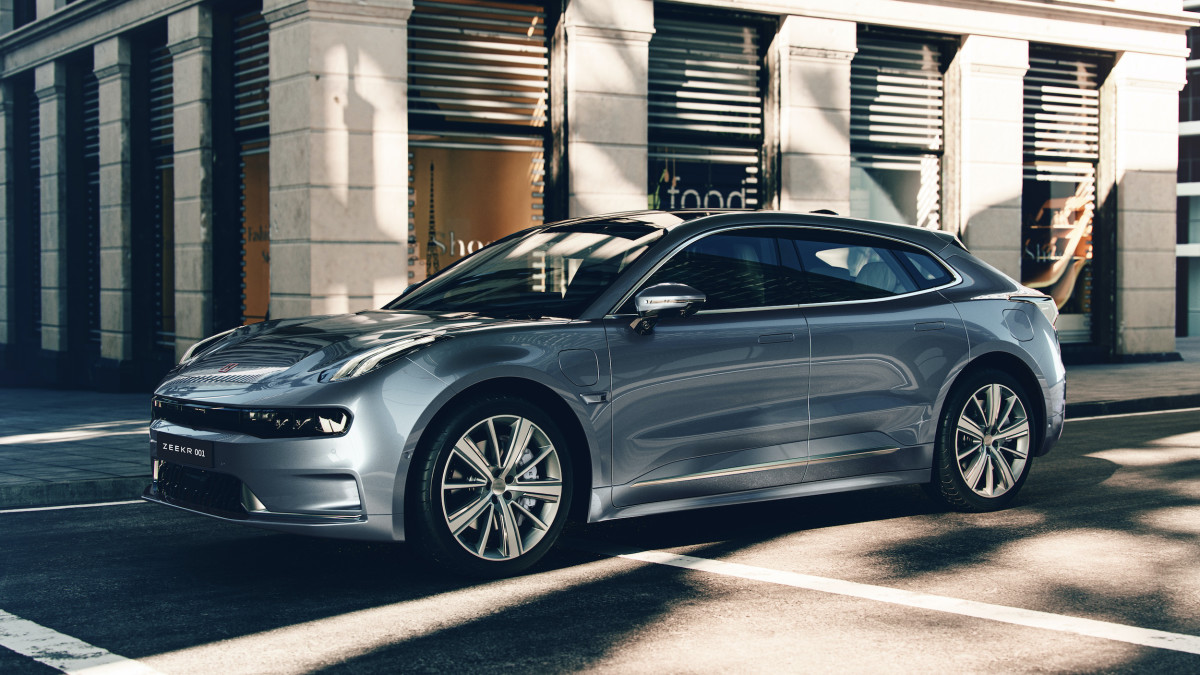
In fact, Geely might not have to wait. It already operates a plant near Charleston, South Carolina for its Swedish-based Volvo and Polestar brands. The facility could make room for additional products, officials have previously indicated. DeGraff thinks Geely could launch there with a product from its Zeekr brand which “has the potential to be the hot, hip tech-oriented brand for younger buyers.”
Whether Zeekr is first, he and other industry trackers are confident its just a matter of time until the Chinese can break the Great Wall effectively barring them from the U.S.
Related: New Chinese SUV Packs 1,381 HP and the Largest Battery Ever in a PHEV