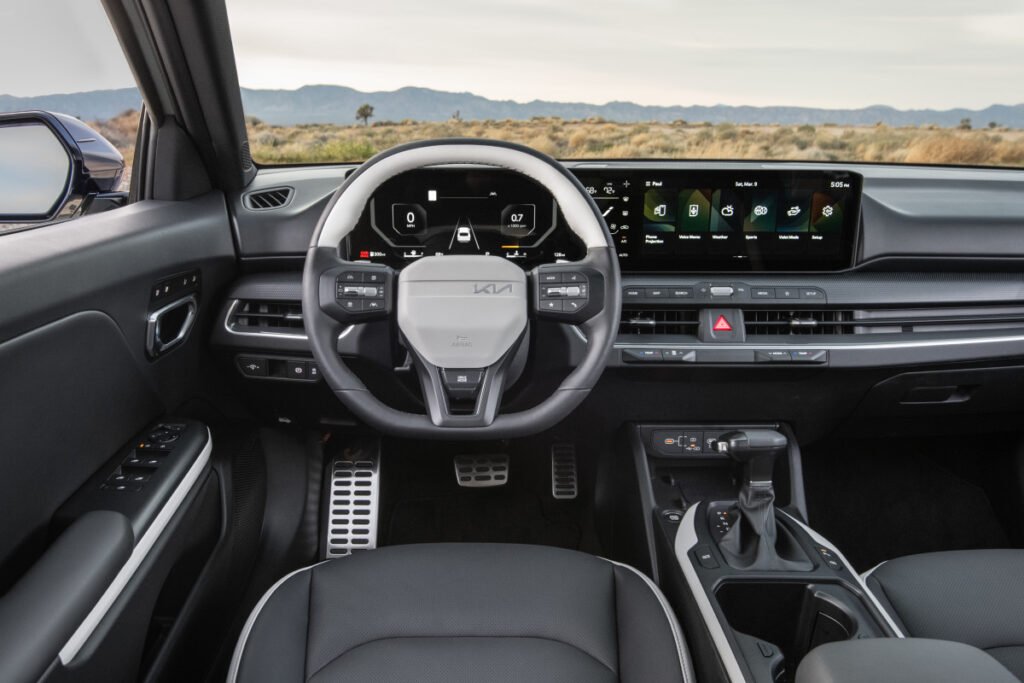
Buttons Aren’t Dead, They’re Just Selective
Not too long ago, carmakers seemed determined to see who could strip away the most buttons from their interiors. As touchscreens took over and dashboards got sleeker, physical controls quietly disappeared (looking at you, Mercedes-Benz), hidden in menus or dropped entirely. Even simple tasks started to demand a look away from the road.
But not every brand followed that trend. Hyundai vowed to keep physical controls for the features that matter most, and Volkswagen recently admitted it went too far, now bringing real buttons back to its next wave of vehicles, like the ID. Polo. Kia is now firmly in that group, holding on to tactile controls even as it adds more digital tech throughout the cabin.
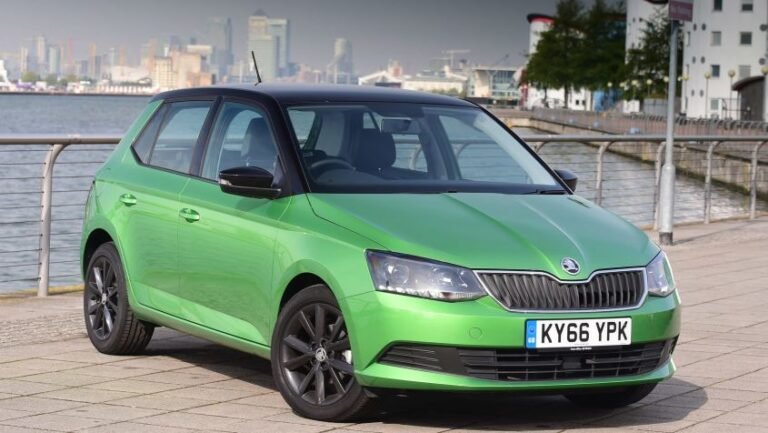
Volkswagen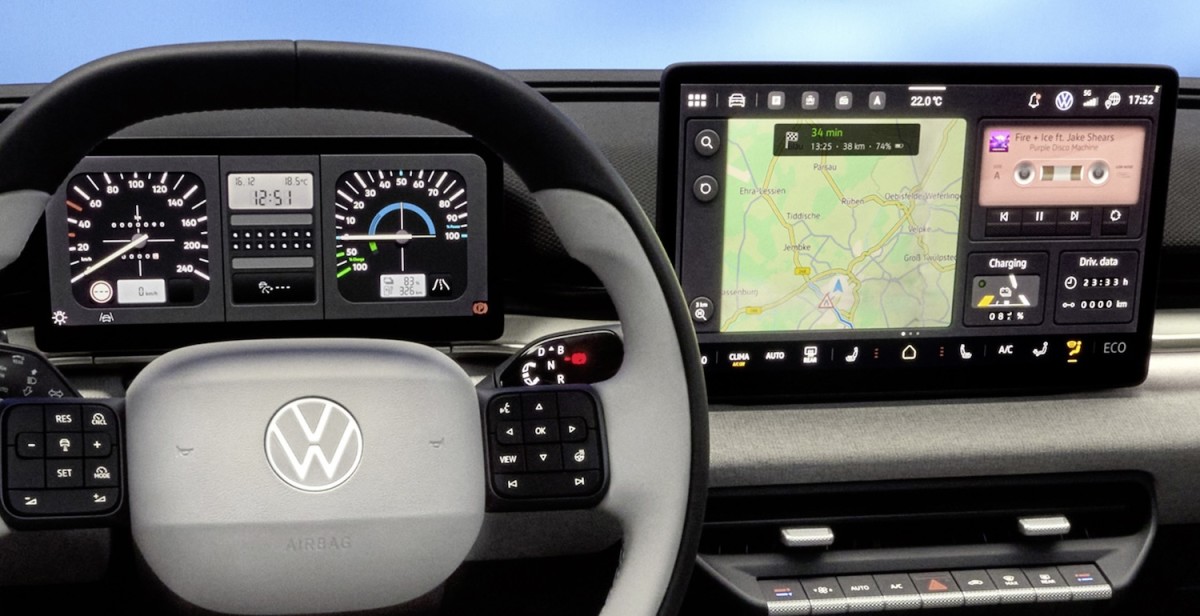
Kia’s Interior Boss Explains the Thinking
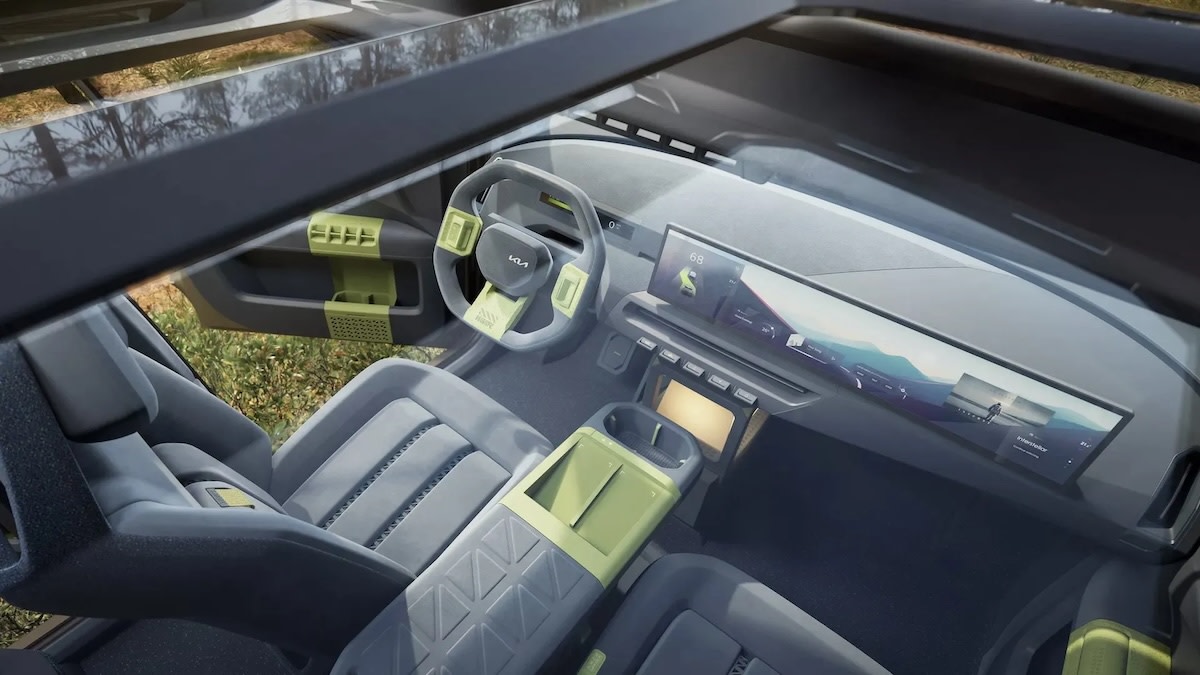
According to an Autocar interview, Kia interior design chief Jochen Paesen says the brand never fully abandoned buttons in the first place. He notes that certain functions need to be found instantly, without mistakes, which is why physical switchgear remains for key systems.
Kia’s next interiors will lean further into digital features, but Paesen points out that adding more tech doesn’t always make things better. He notes that while Chinese rivals are moving fast and trying new ideas, what matters most is knowing when to hold back and focus on what’s actually useful.
Paesen says Kia’s global reach shapes its approach. The company studies markets around the world, and the feedback is clear: drivers might have different comfort levels with tech, but their needs behind the wheel are mostly the same. If you have to dig through menus just to use a basic feature, that solution doesn’t work for anyone.
Instead of chasing the latest gimmick, Kia wants technology to make things simpler, not more complicated. The aim is for the car to help you out, not become something you have to figure out every time you drive.
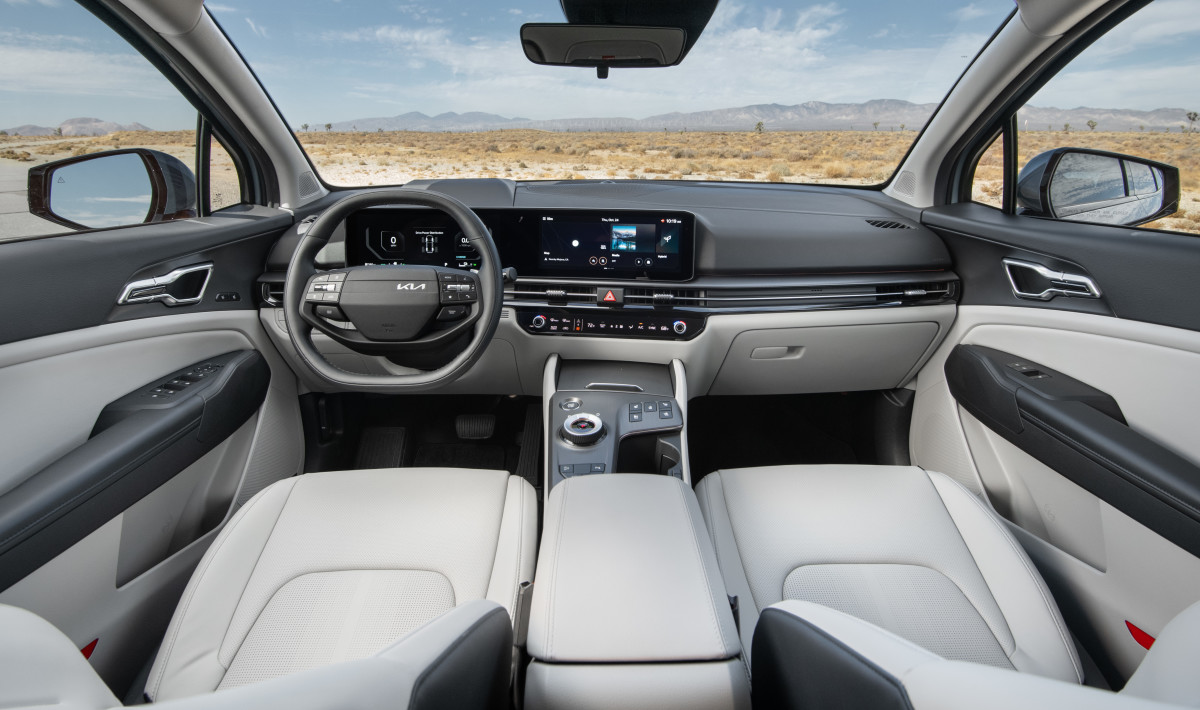
Progress Is Good, but Usability Still Wins
Kia’s approach is practical. Bigger screens and smarter software are great, but not if they make the car harder to use. Physical buttons for the basics still make sense, and it’s not just about nostalgia.
There is also a safety angle that cannot be ignored. Functions drivers use repeatedly, like temperature, fan speed, or volume, should be adjustable without taking their eyes off the road. Muscle memory matters, and flat glass panels do not offer that kind of tactility.
As car interiors change, Kia looks more focused on refining what works than reinventing things just to stand out. Screens will keep growing, software will keep improving, but the basics will stay within easy reach. In a market chasing minimalism and newness, that kind of balance might be the smartest move yet.
Kia