If you’re planning to buy a new Toyota, the best time to do that may be now. That’s because the Japanese brand is projecting three price increases throughout 2026, instead of the usual two. Tariffs and uncertainties around this year’s pending review of the United States-Mexico-Canada Agreement (USMCA) have created a volatile environment for automakers, leaving even Toyota in a position where it must consider more price hikes. Andrew Gilleland, senior vice president of automotive operations at Toyota Motor North America, provided more insight into how Toyota plans to navigate an unpredictable year.
Related: Ford’s CEO Warns Trade Uncertainty Could Make Cars Even More Expensive
Affordability Concerns Rise
Toyota
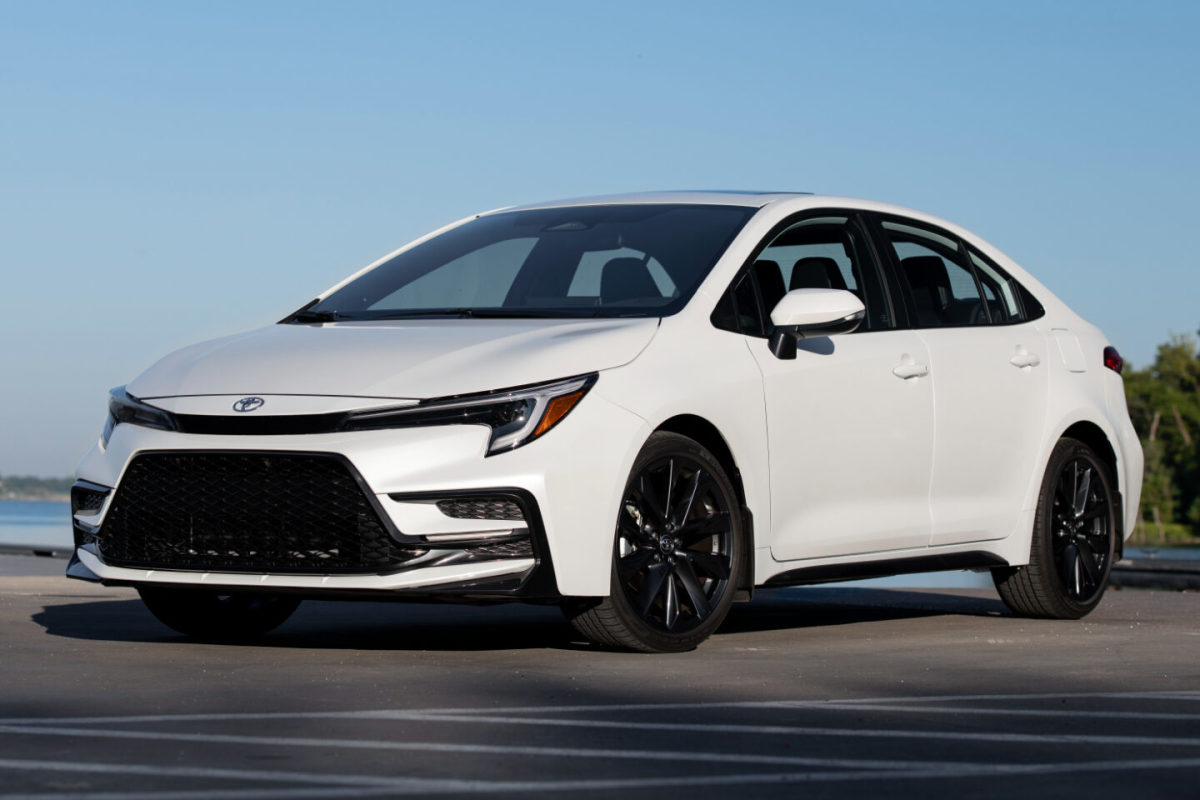
Gilleland was speaking at the Autoteam America Dealer/CFO/CEO Forum & Buy-Sell Summit when he discussed Toyota’s pricing outlook for 2026. He said the Japanese brand is in pricing territory he hasn’t previously witnessed in over three decades working with the company, as many models are now drifting into the premium category.
“We’re up around $50,000… we’ve never been that high, and it keeps me up at night,” said Gilleland, according to Car Dealership Guy. He said Toyota was doing what it could to prevent tariff costs from impacting customers, but acknowledged this approach had its limits.
“We’re not gonna pass that along to consumers. I don’t think it’s possible, and so it’s this game of chicken. How long do we play this game and absorb tariffs for the consumer? It’s tough.”
Jeremy Korzeniewski
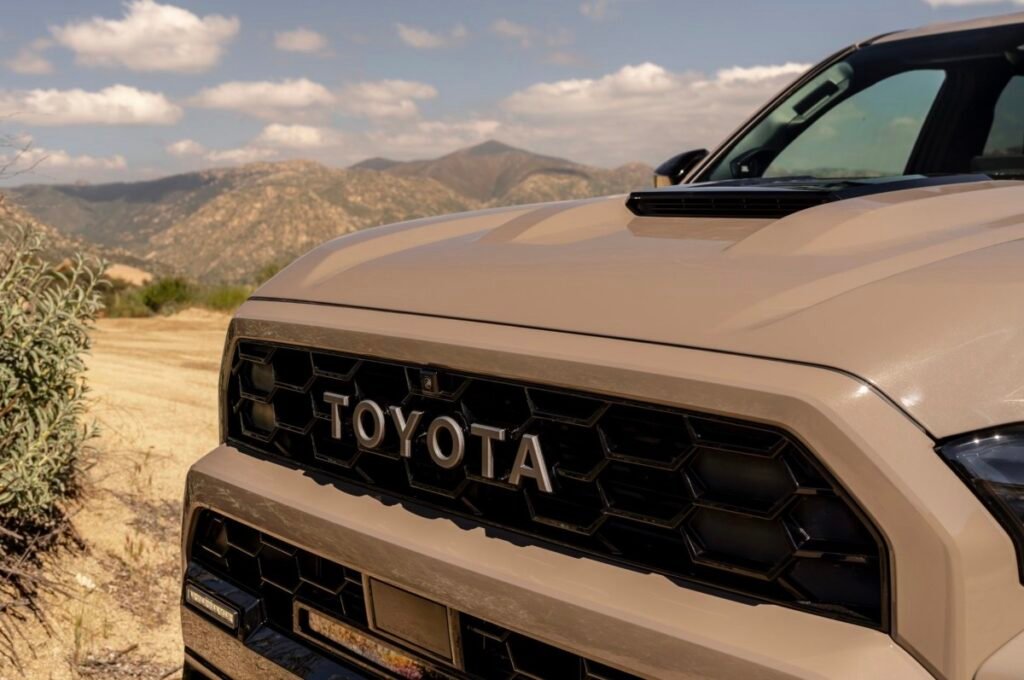
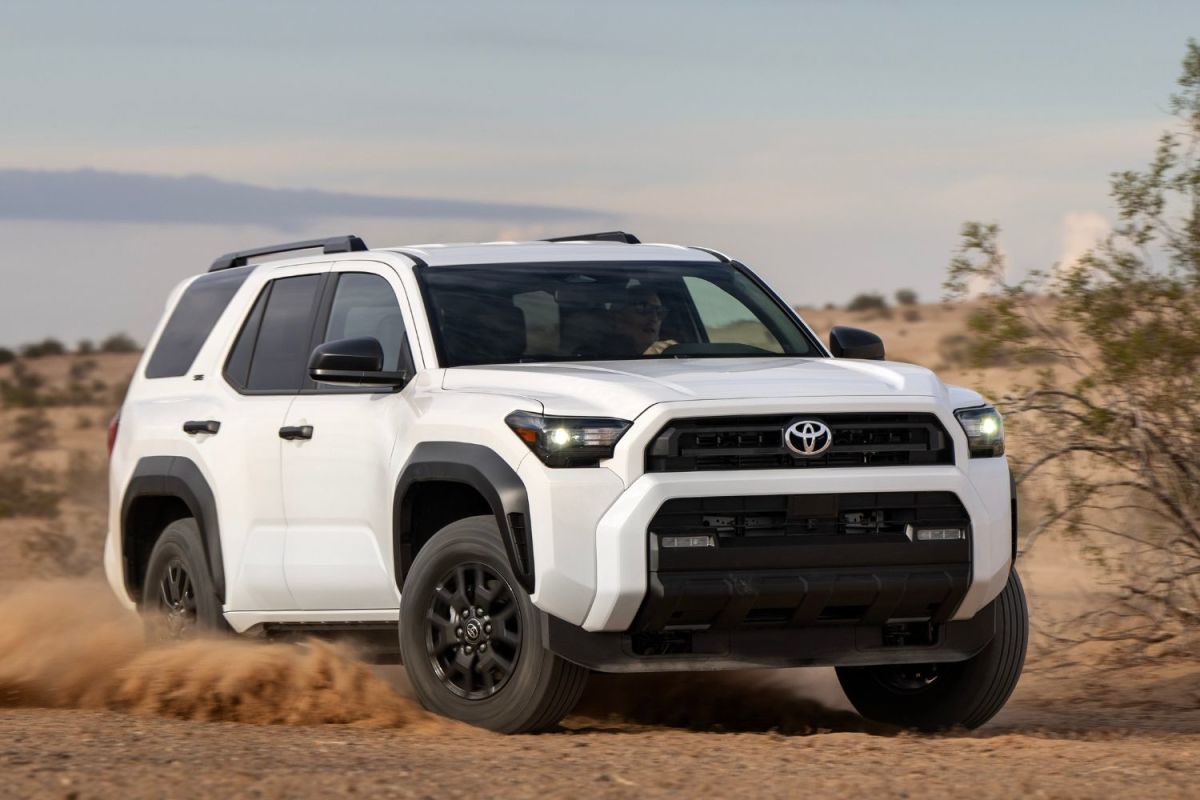
In September 2025, U.S. tariffs on Japanese cars were adjusted to 15%, putting pressure on European manufacturers. However, even this lower tariff rate is still felt by Toyota, specifically impacting models manufactured in Japan, such as the 4Runner SUV.
In July, the USMCA review will take place, and the outcome will directly impact supply chains, production costs, and car prices. Last month, Trump said the agreement is “irrelevant” to him, but Kevin Brady, former U.S. representative for Texas’ 8th Congressional District, feels differently.
“This is the most consequential free trade agreement on the planet,” said Brady, according to the Detroit Free Press. He argued that the USMCA’s existence is key for North America to fend off China’s rising dominance of the global auto industry.
Related: Winners And Losers Emerge As Canada Eases Tariffs on Chinese Electric Vehicles
Toyota’s “Follower” Pricing Strategy
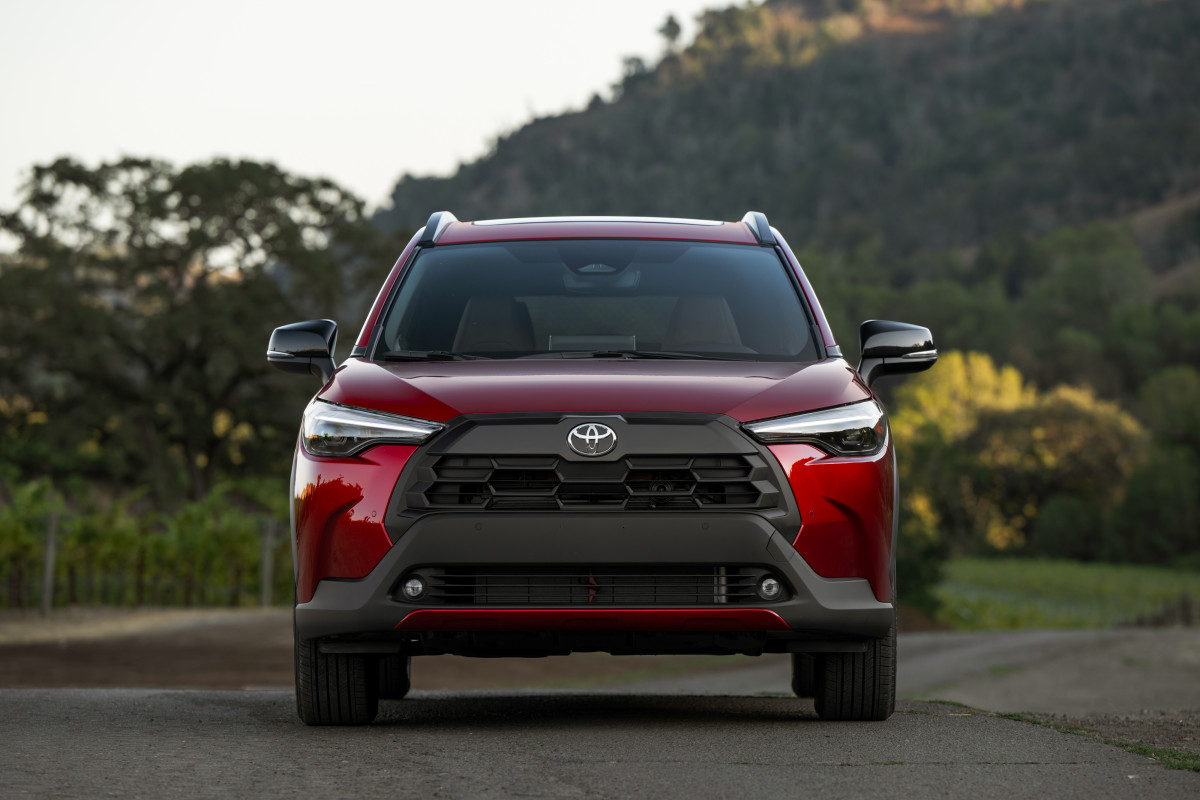
Gilleland emphasized that a disciplined approach to price hikes is essential. The automaker will adhere to its long-standing philosophy of assessing movement in the market before making any decisions on pricing.
“You can imagine the amount of data that gets thrown off in the industry, so we know exactly how people are pricing, and we want to follow,” he said, adding, “We don’t want to lead, or be out of the front of that.”
Gilleland says Toyota also wants to avoid putting dealers in a position where “five different cars” are on the lot with various build dates and corresponding prices. This would only create confusion for the customer.
What It Means
As this is a brand built around high-value offerings, sales of more affordable models and trims will be affected most. Toyota currently enjoys a competitive pricing advantage over Japanese rivals like Honda—key models like the Corolla, RAV4 Hybrid, and Camry Hybrid all undercut comparable Hondas.
If the three price increases in 2026 do go ahead, that could erode one of Toyota’s major advantages in the marketplace.