The world has known about the Tesla Semi for the better part of a decade, as the Class 8 electric truck was unveiled in November 2017 at an event where the Tesla Roadster sports car was also introduced.
Fast forward to 2026 and neither the Tesla Semi nor the Roadster have entered mass-production yet, despite ambitious start-of-production targets (2019 for the Semi) that Tesla invariably broke on several occasions.
Well, it looks like the Semi, which received a facelift in November 2025 (see main image above) may finally enter high-volume production this year, at least according to Tesla CEO Elon Musk. “The Tesla Semi starts high volume production this year,” Musk wrote in a post on X, the social media platform he owns.
Tesla Semi starts high volume production this year https://t.co/yZLDmkA9EP
— Elon Musk (@elonmusk) February 8, 2026
The announcement comes as Tesla updated the page dedicated to the Semi on its official website, which now features a “Deliveries start in 2026” message. The Semi webpage also includes what appear to be the final specifications for the production Semi, which will be offered in two variants–Standard Range and Long Range.
Tesla Semi Standard Range: 325 Miles
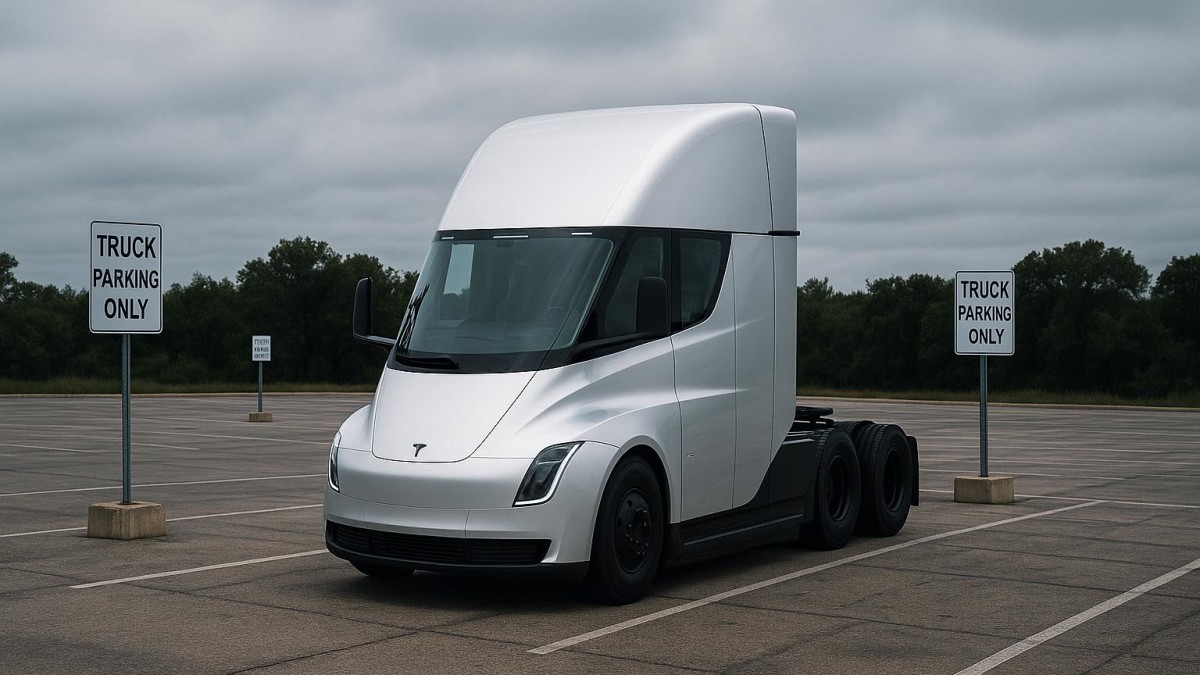
The Tesla Semi Standard Range will offer 325 miles of range fully loaded, that is with a Gross Combination Weight (GCW) of 82,000 lbs; the truck itself weighs under 20,000 lbs (curb weight), which means the payload should be around 62,000 lbs. Tesla says the entry-level Semi will have three independent motors on the rear axles offering a total of 800 kW (1,072 hp) of drive power.
The Semi Standard Range has an energy consumption of 1.7-kWh/mile and is capable of reaching 60% state of charge (SoC) in 30 minutes at a Tesla Megacharger thanks to the Megawatt Charging System (MCS 3.2) standard that enables a peak charging speed of 1.2 MW (1,200 kW).
Finally, the Tesla Semi Standard Range also offers an Electric Power Take Off (ePTO) up to 25 kW, which means it can provide high-voltage power from the battery pack to operate auxiliary equipment like hydraulic pumps, heating or cooling.
Tesla Semi Long Range: 500 Miles
Tesla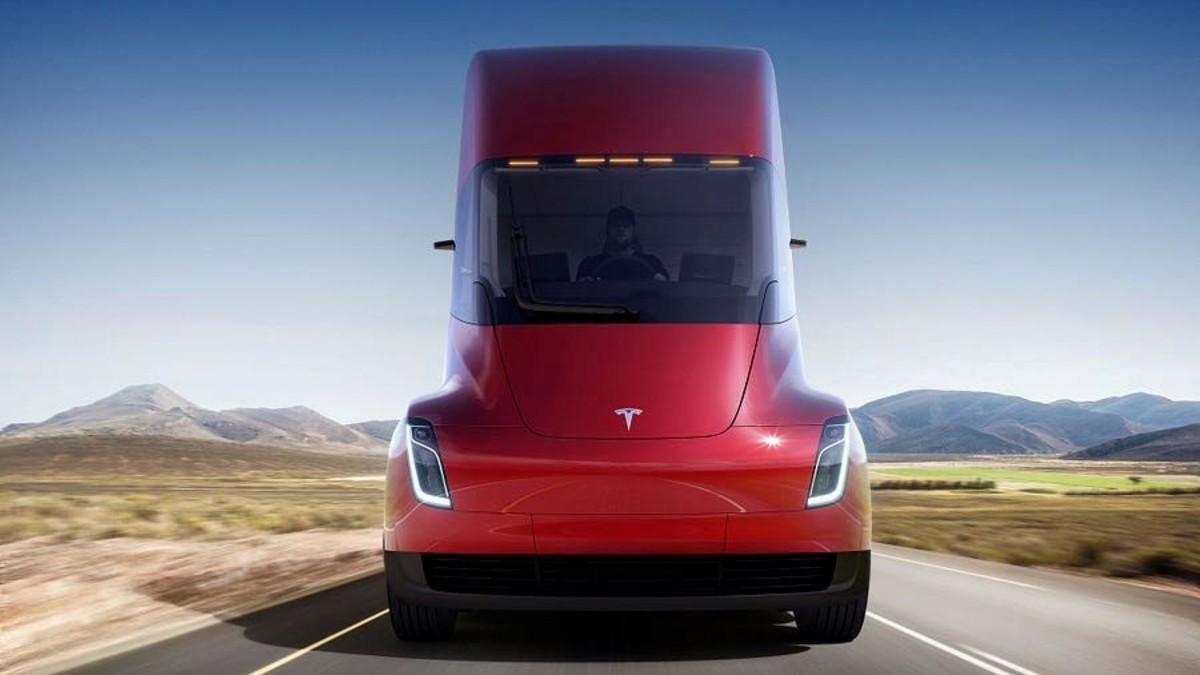
The Long Range model offers an estimated range of 500 miles on a single charge, which suggests it’s got a much larger battery pack than the Standard Range model. While Tesla is still keeping battery size information secret, the 1.7 kWh/mile energy consumption rating (identical with the Semi SR) suggests the battery pack for the Semi LR is around 900 kWh.
The Tesla Semi Long Range also features an 800-kW tri-motor drive system and identical 1.7 kWh/mile energy consumption, despite a slightly higher curb weight of 23,000 lbs because of the larger battery pack; the GCW rating is the same at 82,000 lbs, but the payload is smaller than the Semi SR at 59,000 lbs.
Nothing changes when it comes to charging specs, though, with the Semi LR reaching 60% SoC in 30 minutes via MCS 3.2 charging with 1.2 MW peak charging speed capability. This version also features Electric Power Take Off (ePTO) up to 25 kW.
How Much Will It Cost?
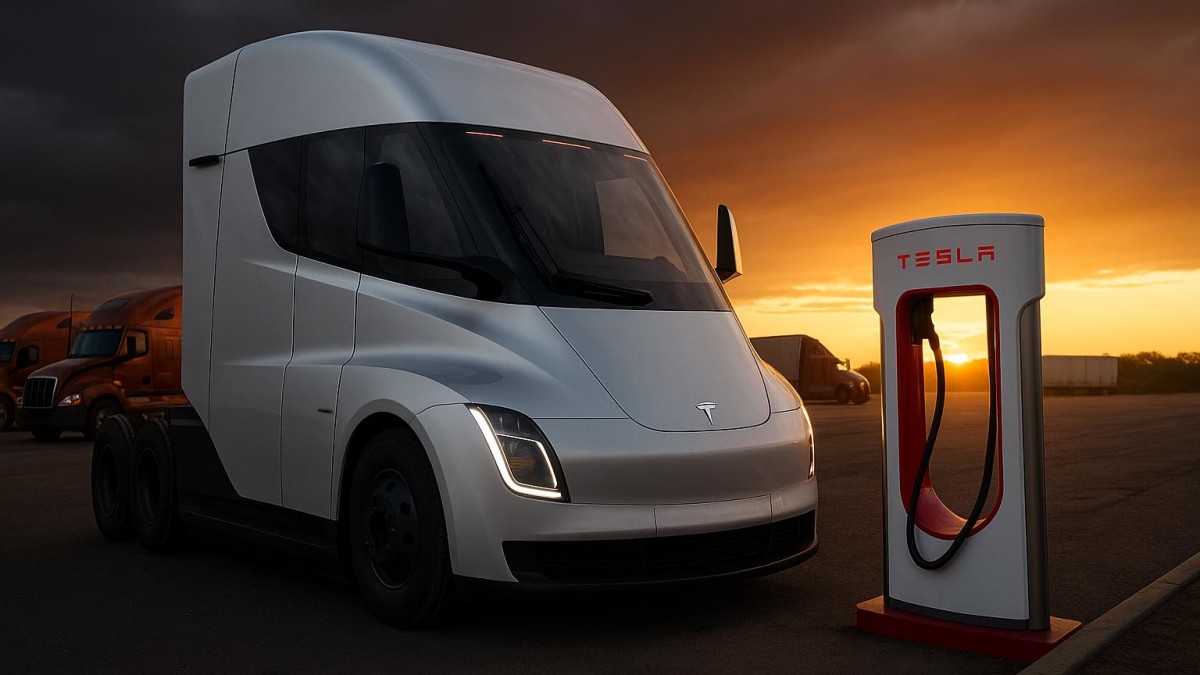
Tesla started low-volume production of the Semi in late 2022, when the first units were delivered to PepsiCo to use as part of an exclusive pilot. Since then, other companies including Walmart and DHL Supply Chain have taken delivery of at least one Tesla Semi, but Tesla never disclosed sales prices.
When Tesla first unveiled the Semi in 2017, it said the truck would cost $150,000 and $180,000 for 300-mile and 500-mile versions, respectively. Unsurprisingly, those prices will likely see big adjustments almost 10 years later.
Tesla Semi customer Ryder last year offered a clue regarding a big price increase when it announced it was going to reduce its order from 42 to 18 Semis while maintaining its original $7.5 million commitment, according to Electrek. The company cited “dramatic changes to the Tesla product economics” as a reason, and basic math would agree because it looks like the price has more than doubled.