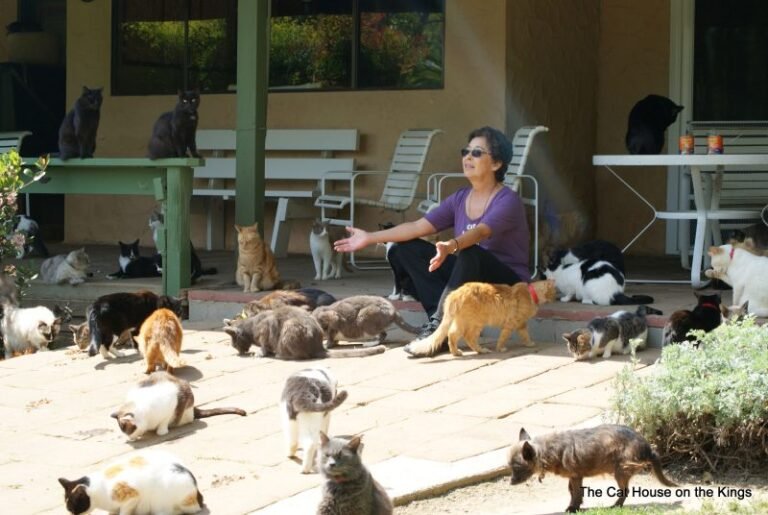
There are dogs that sleep on couches and bark at squirrels. Then there are dogs that spend their nights alone in the mountains, staring down wolves.
Livestock guardian dogs aren’t pets that happen to live on farms. They’re working animals whose ancestors have been doing the same job for thousands of years: living with sheep, goats, or cattle, bonding with them completely, and killing anything that tries to harm them. Bears. Mountain lions. Entire packs of coyotes.
Many people have never seen these breeds because they don’t often show up in dog parks or Instagram feeds. They’re often too independent to be typical family pets, too large to fit in most suburban homes, and too serious about their work to waste time fetching tennis balls.
These aren’t your typical family pets who bark at the mailman. Livestock guardian dogs are working animals with centuries of protective instincts bred into their DNA. They think independently, act decisively, and take their jobs seriously. Here are the breeds that have proven themselves as elite guardians for centuries.

The Top 5 Livestock Guardian Breeds
1. Great Pyrenees
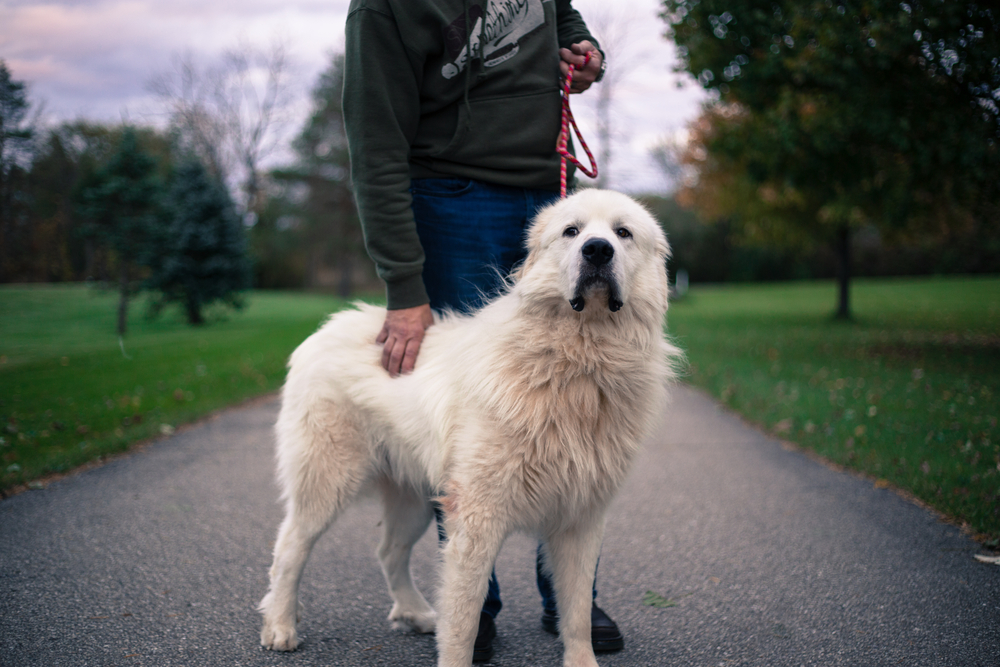
The most popular livestock guardian in North America, Great Pyrenees, have been doing this work since the 15th century in the Pyrenees Mountains of Europe. They’re gentle with livestock and children but fearless when predators show up. Their nocturnal sleep schedule means they’re naturally alert all night when most predators hunt, patrolling your pastures while you sleep. First brought to the United States in 1931, they’ve become the go-to choice for farms and ranches across the country.
2. Kangal
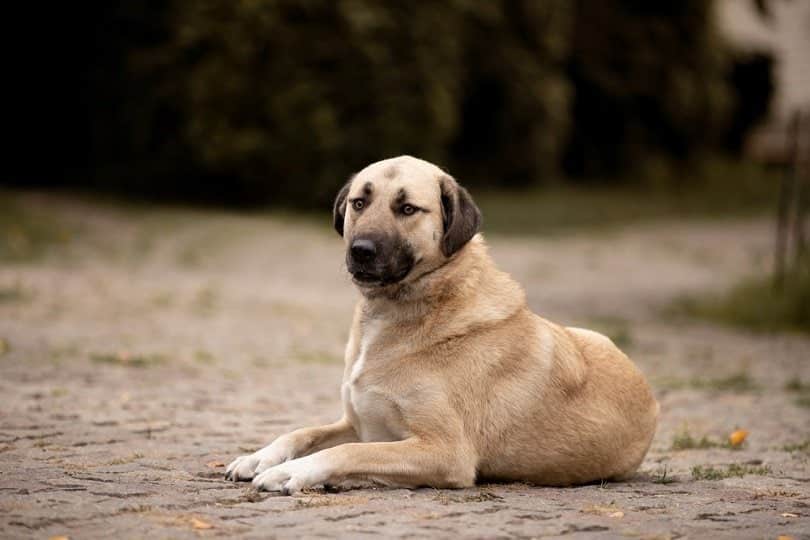
Ancient protectors from Turkey, Kangals have only recently gained recognition outside their homeland, but they’ve been guarding livestock since ancient times. These dogs are devastatingly fast, hitting speeds up to 31 miles per hour when charging a threat. They offer the perfect balance: loyal and gentle with their human families while willing to fight to the death to protect livestock. Their combination of speed, power, and devotion makes them exceptional guardians.
3. Anatolian Shepherd
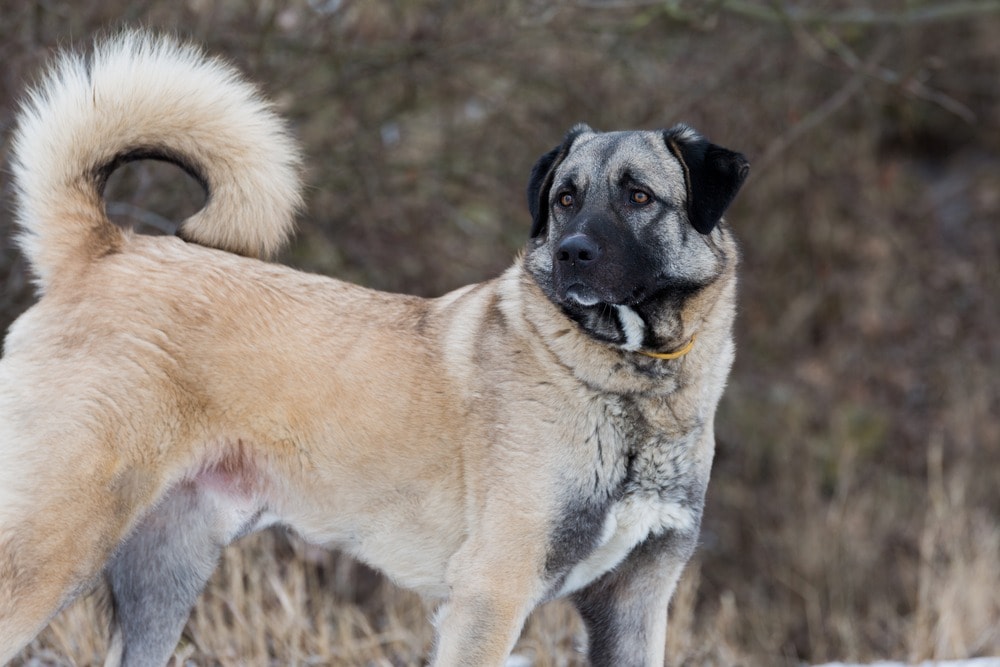
Another Turkish breed, likely a cross between Akbash and Kangal dogs, Anatolian Shepherds came to America through a Department of Agriculture program testing which breeds made the best sheepdogs. When the program ended, these dogs were sold to the public and quickly proved their worth. They’re independent, stubborn, agile, and fast. Their intelligence is remarkable, and their hearing is so acute they detect threats long before you’d notice anything wrong.
4. Caucasian Shepherd Dog

These massive dogs have protected sheep in the Caucasus Mountains (Armenia, Azerbaijan, Georgia) for hundreds of years, regularly fighting off wolves, jackals, and bears. Yes, bears. Their size alone intimidates most predators, but they back it up with fierce protective instincts. Not recommended for first-time dog owners due to their independent and stubborn nature, Caucasian Shepherds require serious training commitment. But if you need a dog that won’t back down from anything, this is your breed.
5. Tibetan Mastiff
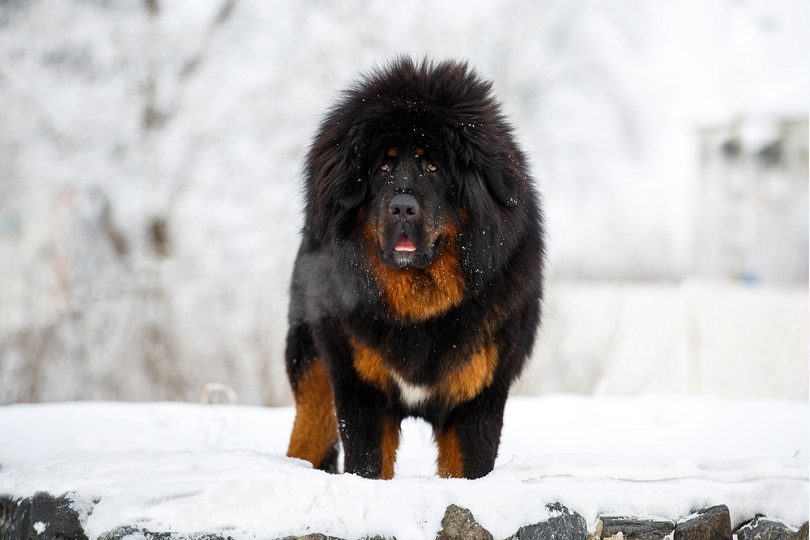
Possibly the most ferocious guardian on this list, Tibetan Mastiffs take on flying predators, coyotes, and bears without hesitation. Their ancestors survived harsh Himalayan mountain conditions, so these dogs are incredibly hardy with thick coats perfect for cold winters. They stay up all night with your livestock and sleep during the day. Train them young or deal with stubborn behaviors that become dangerous in a dog this powerful.
Other Proven Guardian Breeds
While the top five breeds dominate the livestock guardian world, other breeds bring unique strengths to farm protection. Some offer gentler approaches, others provide specialized skills for specific situations, and a few are rare finds that excel in their native regions.
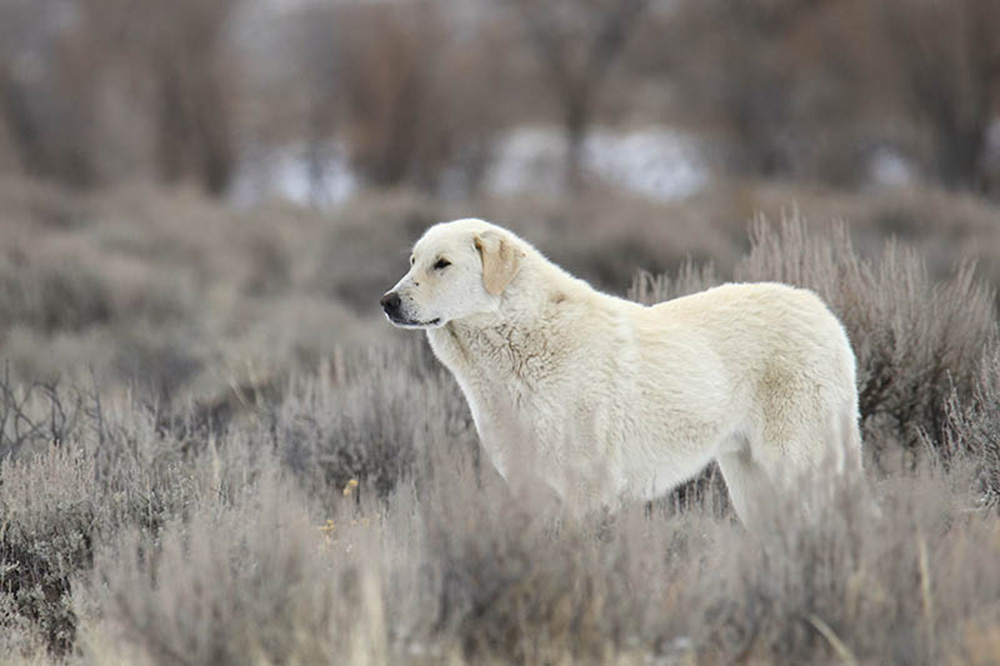
The Kuvasz from Hungary brings an unexpected trait to livestock protection: a sense of humor. These big dogs with big personalities have become popular as family pets because of their entertaining nature. Independent barkers who may not tolerate small pets, they’re effective guardians who keep things interesting.
Turkey’s Akbash is rarely seen outside its homeland but has guarded livestock for centuries. These dogs watch for environmental changes rather than reacting to every stimulus, and when properly trained, they only attack when directly challenged. This makes them potentially suitable for farms with frequent visitors.
The Komondor, or Hungarian Shepherd, comes with built-in camouflage. That distinctive corded coat (which takes about 2 years to fully develop) makes them look like sheep from a distance. Predators expecting an easy meal get a nasty surprise when the “sheep” charges at them. Excellent guards, but socialize them young or they’ll pin down every visitor who walks through your gate.
Bulgaria’s Karakachan still works in its native country plus Greece, Romania, Serbia, and Macedonia. Once used by the Bulgarian military for border patrol, these dogs are now almost exclusively livestock guardians. Affectionate with family but aggressive toward strangers, they require consistent training to manage that protective instinct.
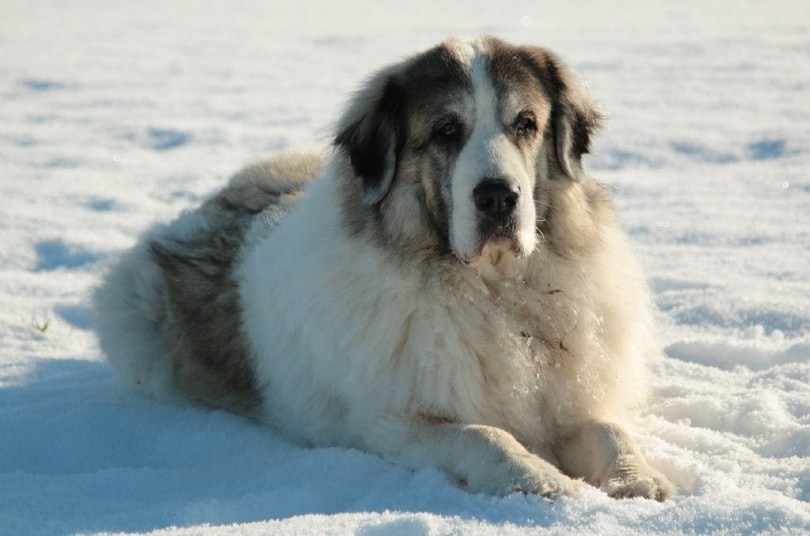
Spain’s Pyrenean Mastiff nearly went extinct after the Spanish Civil War when economic hardship meant people couldn’t feed these massive dogs. Breeding efforts saved them, though they remain rare. Their giant size and territorial personality demand proper training from puppyhood. Get on their good side and they’ll protect you until their last breath.
The Polish Tatra Sheepdog is the gentle giant of livestock guardians. Less aggressive than other breeds, they protect through presence and barking rather than attacks. They nearly went extinct but were saved by Polish breeding efforts. Known for loud barking but no drooling (a nice change from most giant breeds), they defend herds without the aggression some farmers want to avoid.
Croatia’s Tornjak is one of the smallest breeds here and comes from the Balkans region. Don’t let the smaller size fool you; they’re still strong and powerful. Calm and steady with owners, suspicious of strangers, they cannot be bribed and learn quickly. Train them young or risk aggression problems.
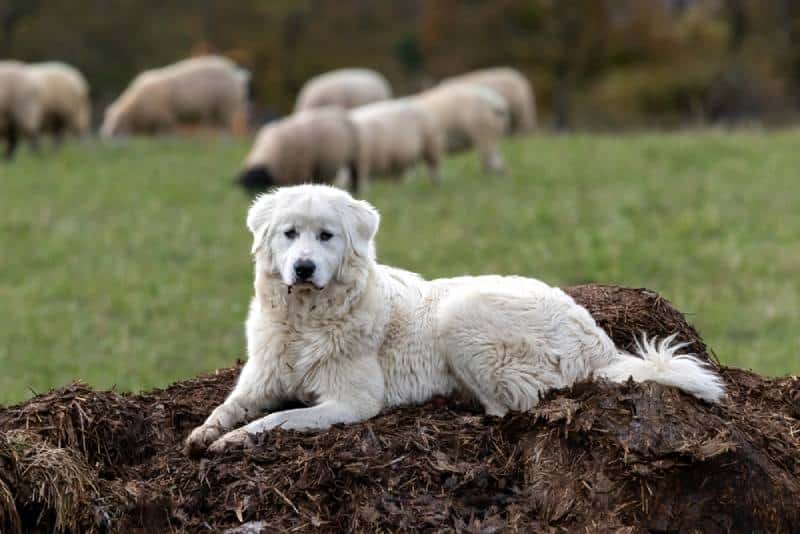
Italy’s Maremma Sheepdog is intelligent, loyal, and friendly, even with other pets like cats. They guard various types of livestock effectively. The downside? They’re loud barkers who will sound off at anything perceived as a threat, and training won’t fully control this instinct. Consider your tolerance for barking before bringing one home.
What You Need to Know Before Getting One
These dogs are independent thinkers who don’t wait for commands. When a predator appears, they act immediately based on instincts honed over centuries. That’s excellent for livestock protection but means they’re not typical obedient pets.
Most livestock guardians are docile with their livestock and human families. The aggression appears when strangers or unknown animals approach. Anything outside their inner circle gets treated as a potential threat. Early training and socialization are critical, or you’ll need to chain or cage your dog when visitors come.
Expect barking. Lots of it. At all hours. These dogs bark to warn off threats, and on a farm or ranch, potential threats appear constantly. Consider your property size and neighbor proximity before committing to a breed known for vocal warnings.
Can they actually kill predators? Research shows that 34% of the time, livestock guardian dogs chase predators away, and 10% of the time they kill them. The predator type varies, but having a guardian dog dramatically improves your livestock’s survival odds compared to having no protection.
These powerful breeds need training from puppyhood and proper socialization. In return, you get a dog that protects your animals through the night, faces down predators most people fear, and becomes a loyal member of your farm family. For livestock owners in predator-heavy areas, that’s not just valuable. It’s essential.
Did You Know?
- Our brand-new posts are rounded up and included in our weekly emails. Don’t miss out on the latest – sign up for our newsletter below!