Cooperation in a Crowded Market
The Honda-Nissan partnership talks have been circulating for quite some time, and with mounting pressure in the U.S. market – particularly from new tariffs and shifting consumer demand – the two Japanese automakers could use each other’s strengths now more than ever. One of the latest proposals reportedly involves Honda supplying hybrid systems to Nissan.
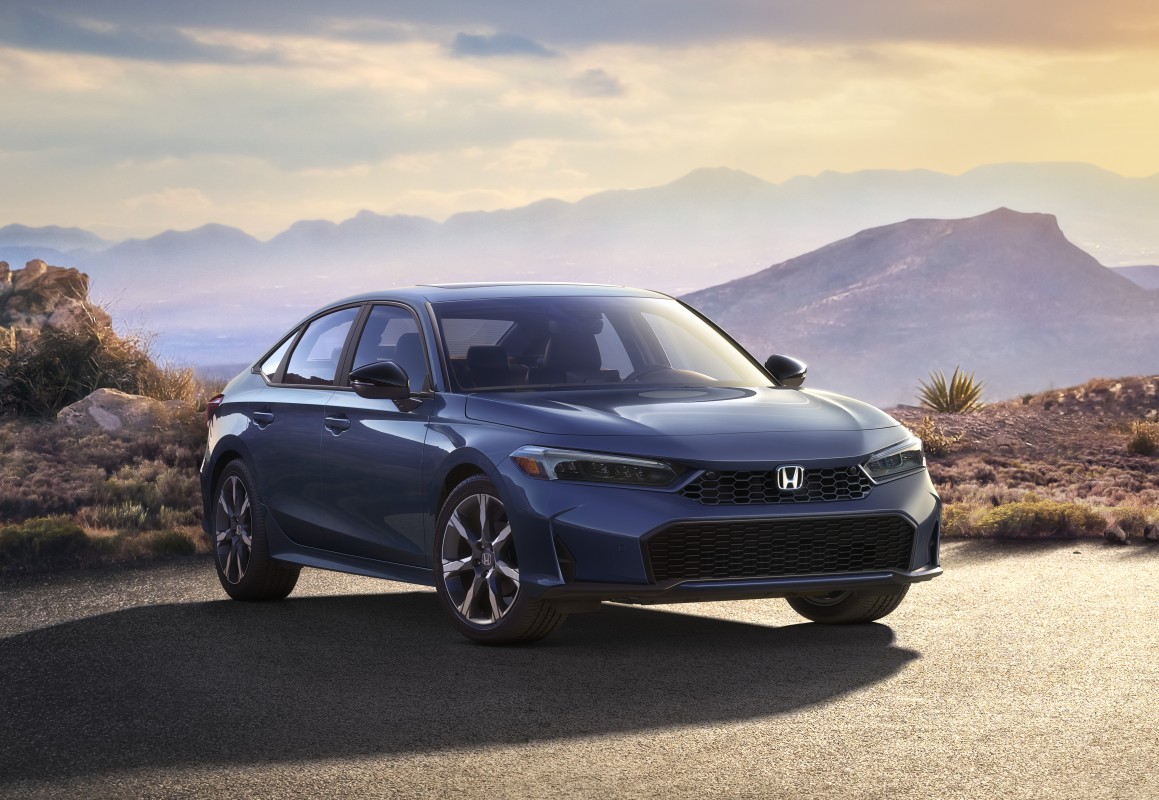
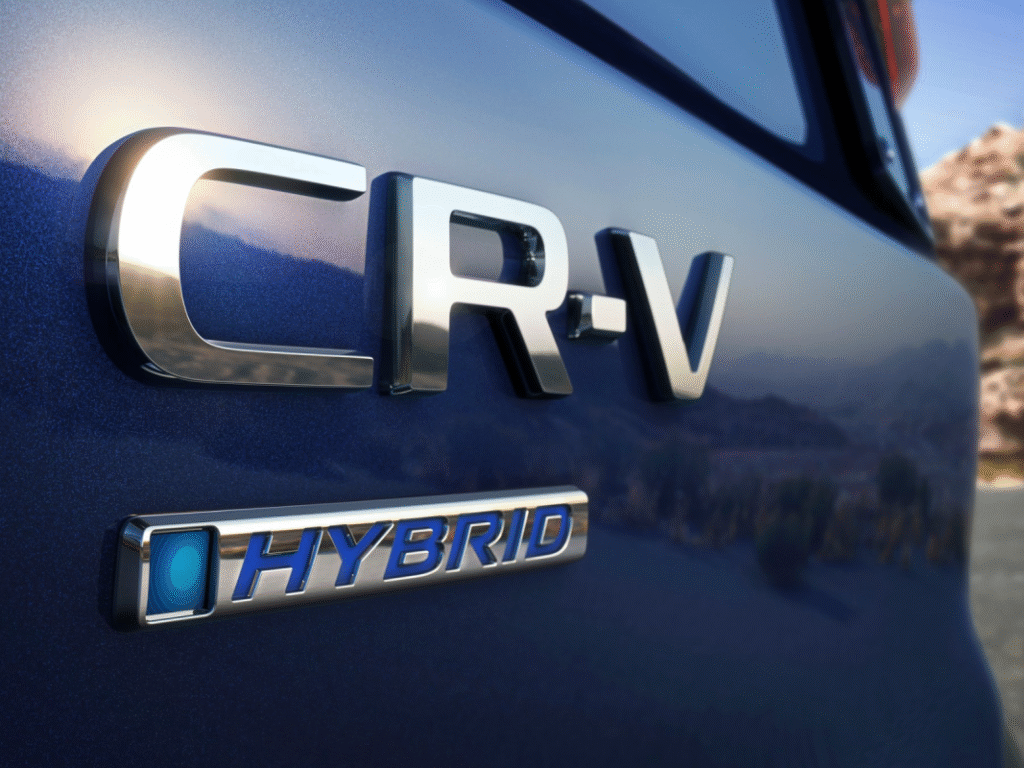
According to Nikkei Asia, Nissan’s limited hybrid offerings have contributed to sluggish sales, especially as the recent slowdown in EV demand in the U.S. has pushed buyers back toward hybrids. Honda, by contrast, has a broad range of electrified models, including the Civic Hybrid and CR-V Hybrid, both of which use the brand’s two-motor hybrid system. Honda also has deep electrification experience in motorsports, having supplied hybrid power units in top-tier racing series such as IndyCar and Formula 1.
Where Honda Could Step In
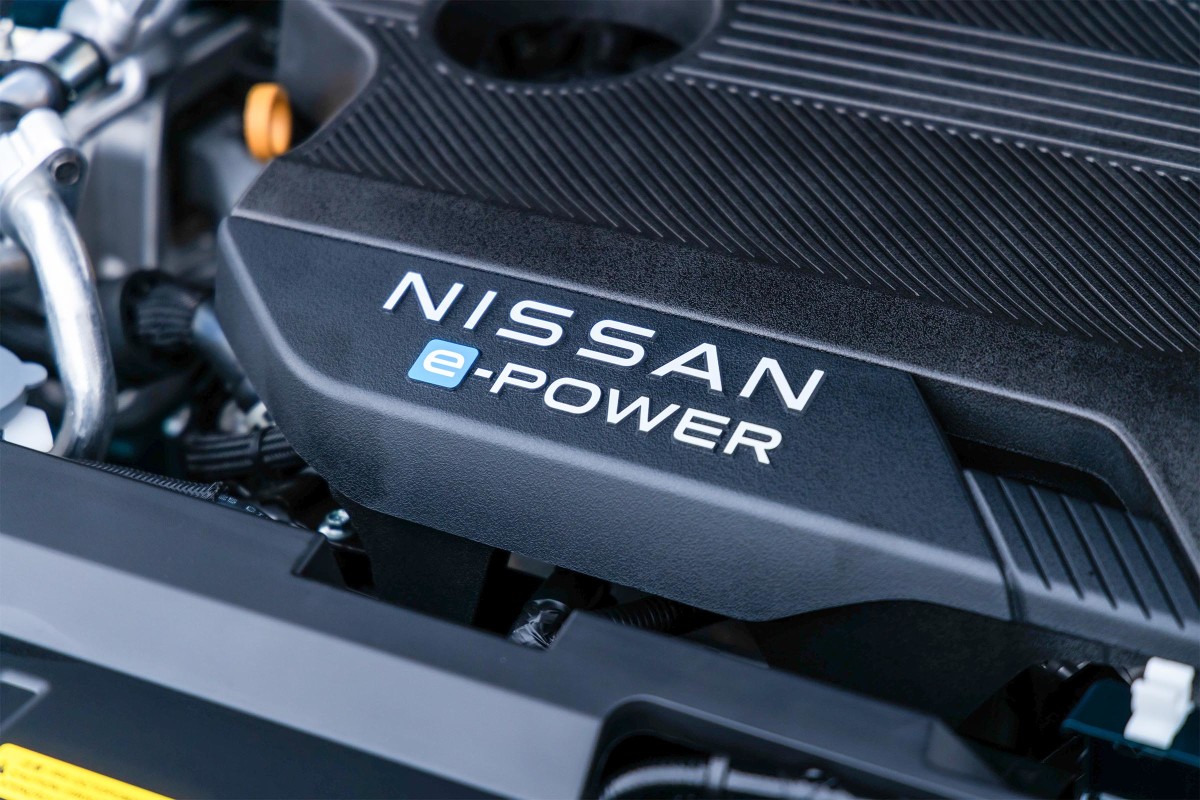
While Nissan does offer its own electrified solution in the form of e-Power, the system differs significantly from Honda’s setup. e-Power operates as a series hybrid, where the gasoline engine does not drive the wheels directly but instead acts as a generator to charge the battery, while an electric motor handles propulsion. The result is an EV-like driving experience with instant torque.
However, that architecture may not be ideal for larger vehicles. In heavier models such as the Nissan Frontier, sustained highway driving and towing loads could diminish the efficiency benefits of a series-style system. This is where Honda’s hybrid technology – capable of using its gasoline engine to directly assist with propulsion – could provide a more suitable solution for Nissan’s larger U.S.-market vehicles. For Honda, supplying hybrid systems could also open up an additional revenue stream.
At present, Nissan’s U.S. electrification roadmap remains limited. The company plans to introduce a plug-in hybrid version of the Rogue based on the Mitsubishi Outlander PHEV, but much of its lineup—including the Sentra and Murano—continues to rely solely on internal combustion engines. However, Nissan has an EV entry with the Leaf, though it previously discontinued the Ariya in the U.S. amid import tariff pressures and strong competition from models such as the Tesla Model Y.
Honda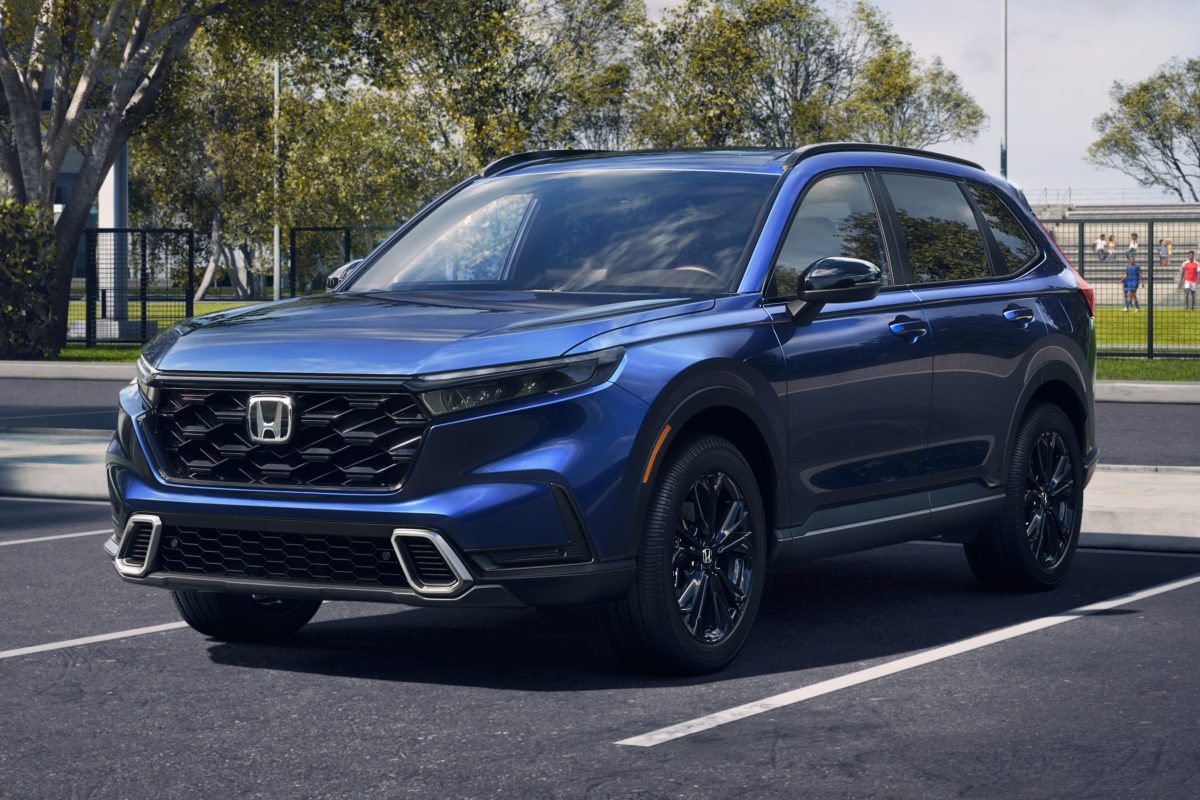
More Than Just Engines
Beyond hybrid powertrains, Honda and Nissan have reportedly explored broader collaboration areas, including shared in-car software platforms and operating systems to reduce development costs. Discussions have also touched on autonomous driving technologies. Nissan has partnered with U.K.-based Wayve for its driver-assistance ambitions, while Honda has largely pursued in-house development. Given these differing approaches, any concrete announcement in this area may not materialize until closer to the end of the decade.
Honda also explored producing pickup trucks at Nissan facilities last summer, with talks reportedly reaching the final stages before logistical mismatches in production equipment and supply chains stalled the plan.
Whatever form the partnership ultimately takes, deeper collaboration could prove critical for both companies to improve profitability and remain competitive—particularly against Toyota, which continues to dominate the U.S. market with one of the industry’s most comprehensive hybrid lineups.