The Collector Car Market Just Got 20 Years Younger
A new age is redefining the collector market. Hagerty data on the sales of collector cars shows a change in the average production year of the vehicles being sold. In addition to the high-end collector market, there is an increasing number of mid-range collector cars (with six-figure prices) being sold. The average collector car sale date has moved from 1968 to 1989 over the last 12 years.
Much of the reason for this change relates to what new cars offer drivers. Modern cars are safer, cleaner, faster, and more fuel-efficient than ever before. But it’s all this that has made them too filtered, especially with manual transmissions being near extinct. With less dialogue between the car and driver, it’s no wonder enthusiasts are looking to modern classics to fill the gap.
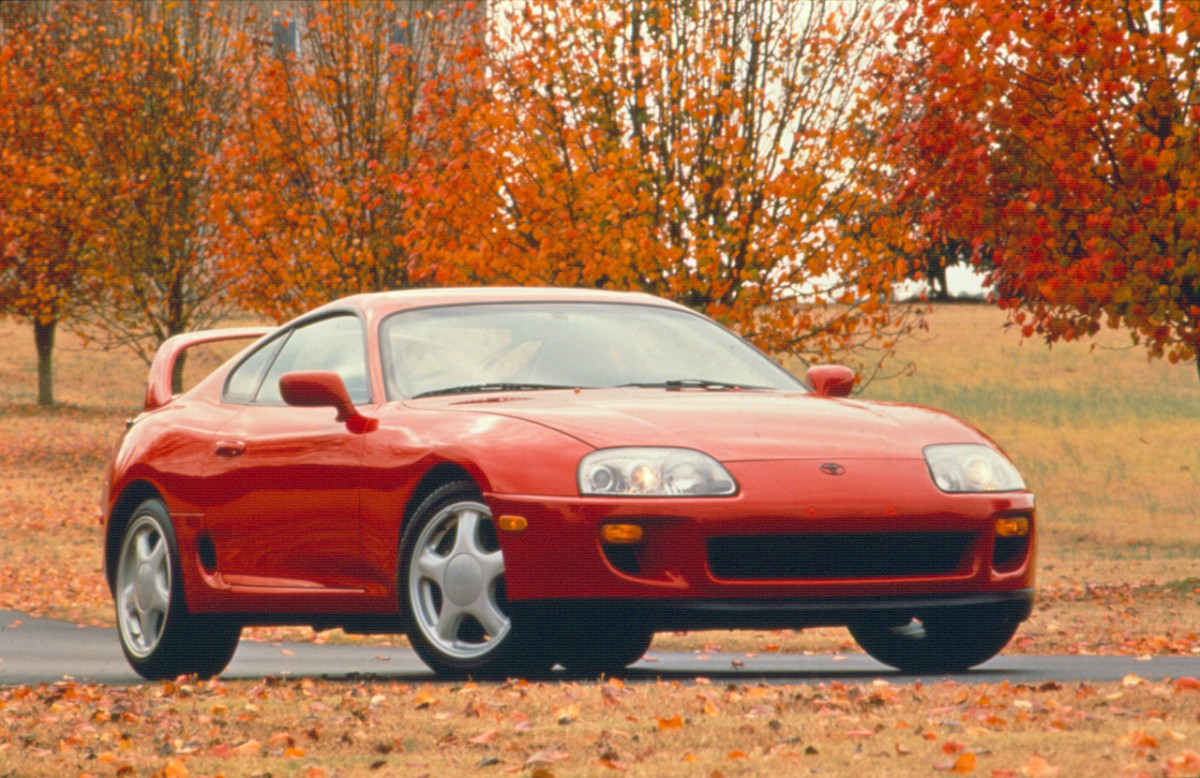
The Gap Between Old Cars And Boring Cars
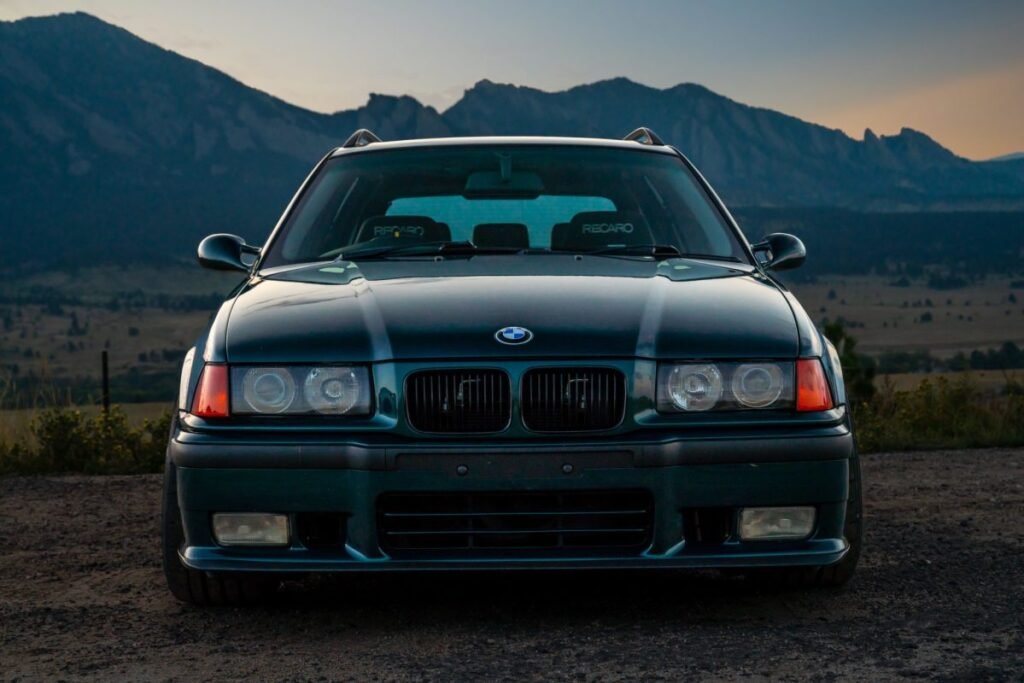
Modern classics from the 1990s and early 2000s have enough electronic features to make them reliable and user-friendly, while retaining enough mechanical design to allow owners to understand and repair them. A 1996 BMW M3 or a 2004 Porsche 911 GT3 provide drivers with a mechanical relationship between themselves and the machine through steering feedback and a manual transmission, while providing owners with reliability and usability for daily use, road trips, or weekend cruises. They are usable classics, and encourage people to drive them, not store them to keep values intact.
Bring a Trailer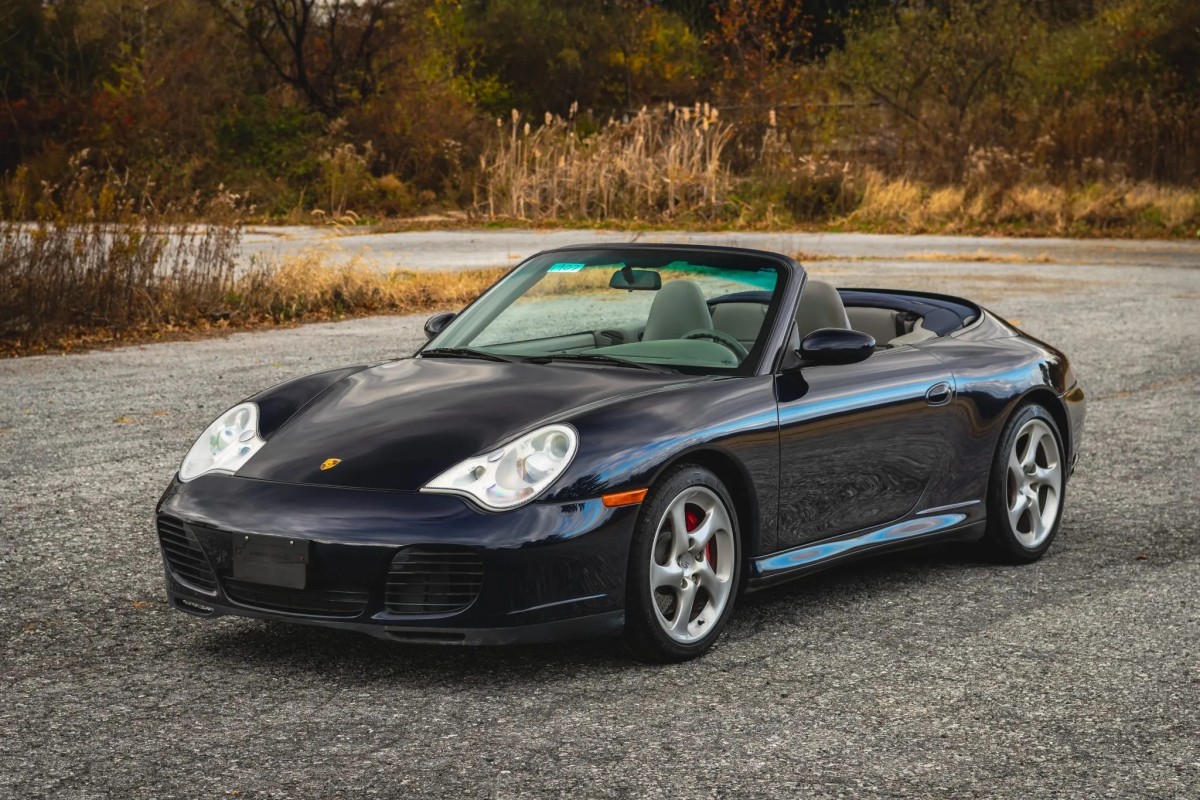
Younger Buyers Reshape Collecting Priorities
Demographics have fundamentally altered collector preferences. Millennial collectors did not idolize chrome-laden 1950s cruisers. Their poster cars were the Nissan Skyline and the Honda NSX. Their nostalgia came from PlayStation racing video games and Initial D. These collectors do not want to preserve their cars on lawns; they want to attend Cars and Coffee events. Younger collectors do not consider youngtimer 1990s and early 2000s models to be compromises, they’re what they’ve always dreamt of owning.
Elijah Nicholson-Messmer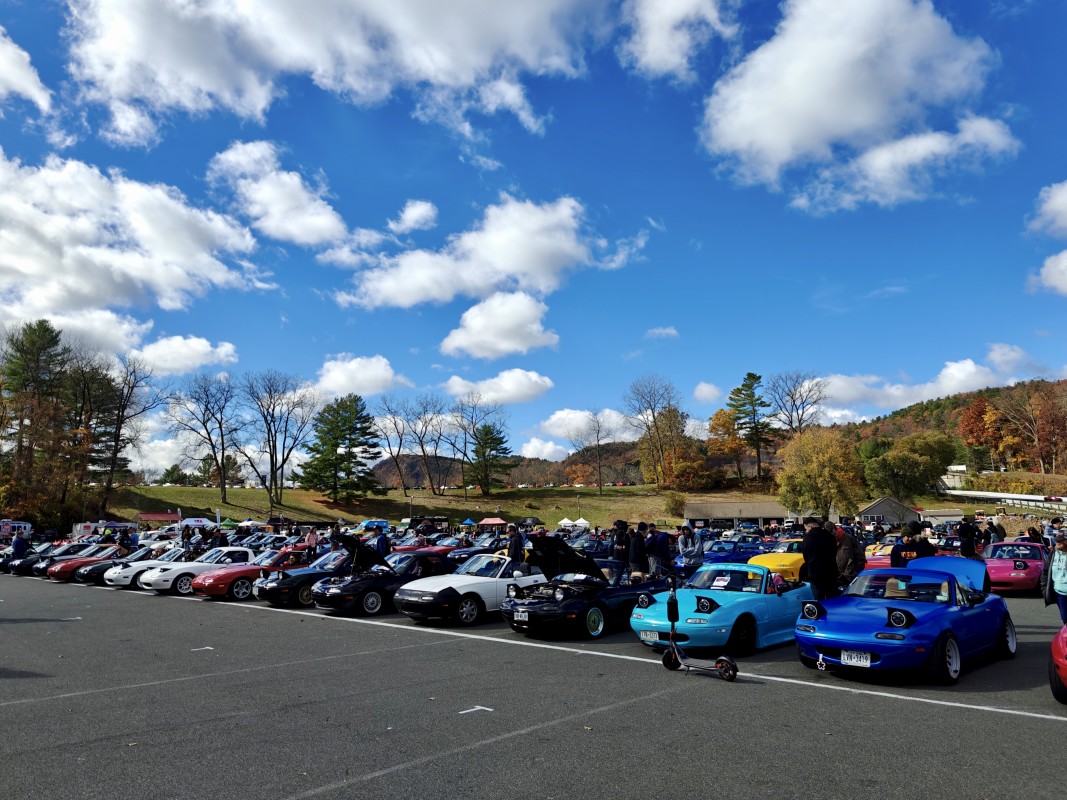
The Last Analog Sweet Spot
With electrification, hybrid systems, turbo-downsizing, and advanced driver assistance technology becoming standard, collectors are viewing the last decade before cars become digitally dependent to be the 1990s and early 2000s. Collectors see these cars as representing a transitional sweet spot between being modern enough to own and operate, and analog enough to be special. Yesterday’s used performance car is today’s modern classic, and tomorrow’s collectible.