Mazda’s Touchscreen Era
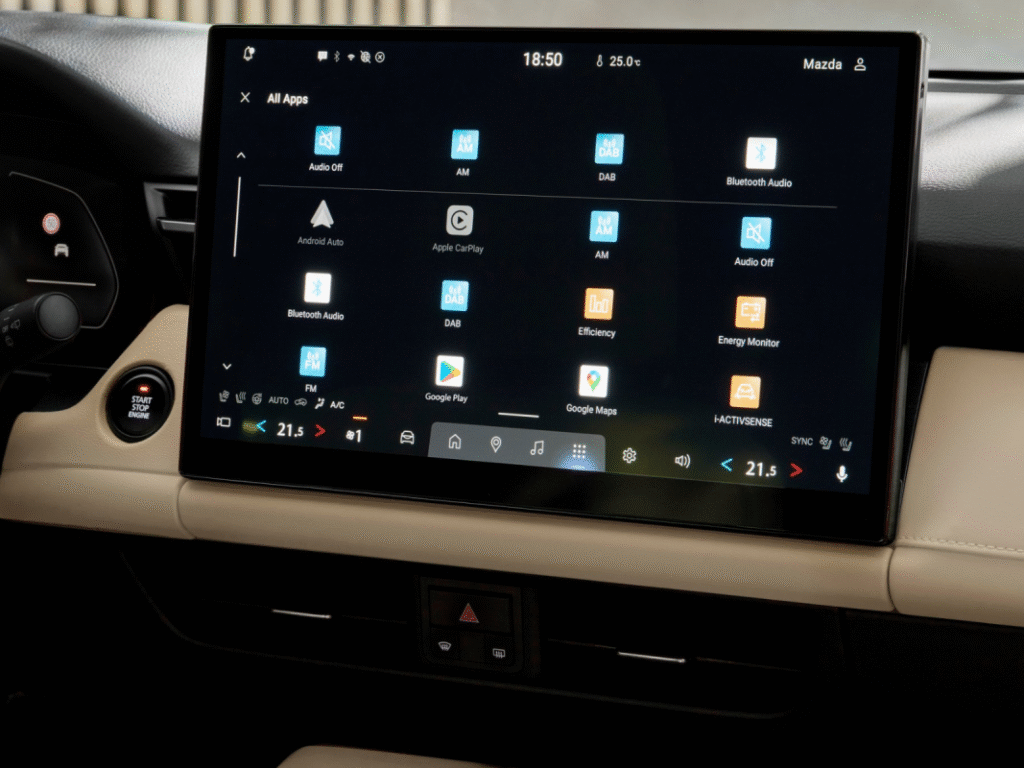
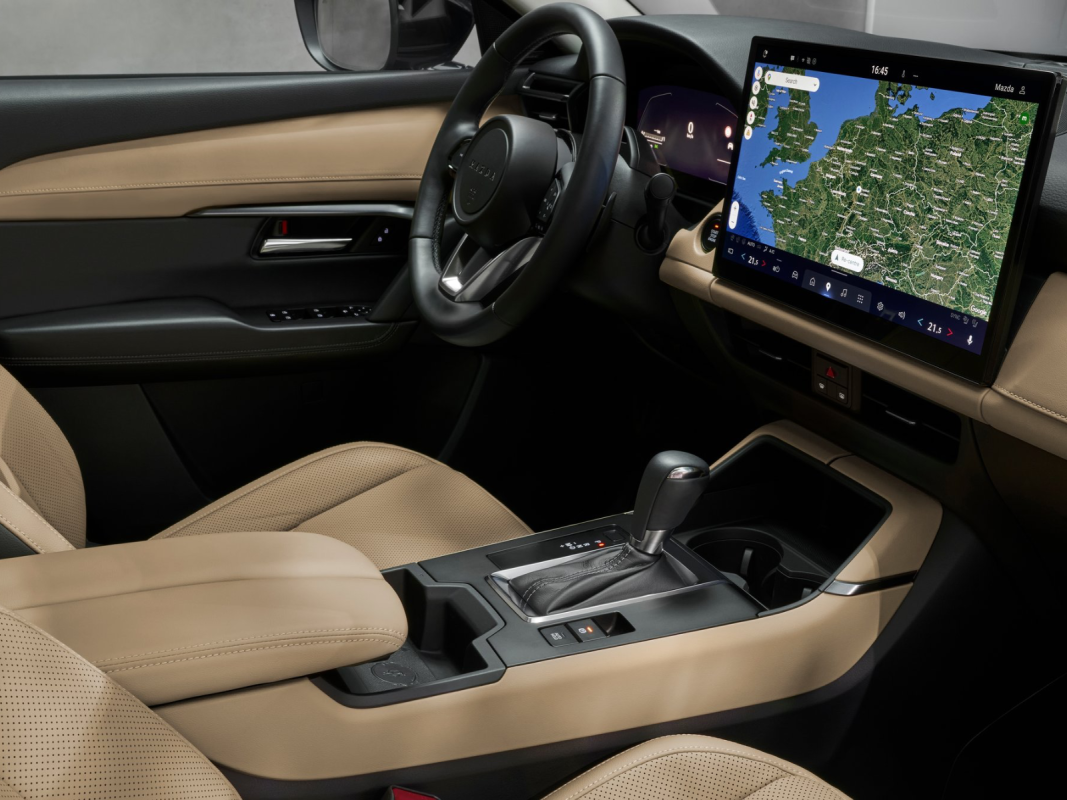
Despite many automakers adopting large touchscreens, Mazda initially stuck with its rotary commander knob – a decision that, compared to newer interiors, made its cabins feel dated. The company has since replaced the knob with a larger touchscreen in the new-gen, 2026 CX-5, while insisting its core design philosophy remains unchanged.
In a report by Motor1, Matthew Valbuena, Mazda’s project manager for in-vehicle technologies and human-machine interfaces, said minimizing driver distraction remains the priority. While placing HVAC controls within a large touchscreen may seem counterintuitive, Valbuena argues that Mazda designed the system with multiple safeguards to stay aligned with that philosophy.
A Safety-First Approach
For starters, several touchscreen functions can be operated via controls mounted on the steering wheel. Features such as the media source selector are also mirrored in the instrument cluster, reducing the need to glance at the center display. Mazda also emphasized its voice-recognition system, which allows drivers to adjust certain settings without taking their eyes off the road.
Valbuena also noted that modern technologies such as Android Auto and Apple CarPlay require a touchscreen-first infotainment system to deliver a better user experience. He compared Mazda’s two infotainment setups to the iPod Classic and the iPod Touch, saying, “Both can do the same things, but the iPod Touch offers greater flexibility and can do more than the iPod Classic.”
Mazda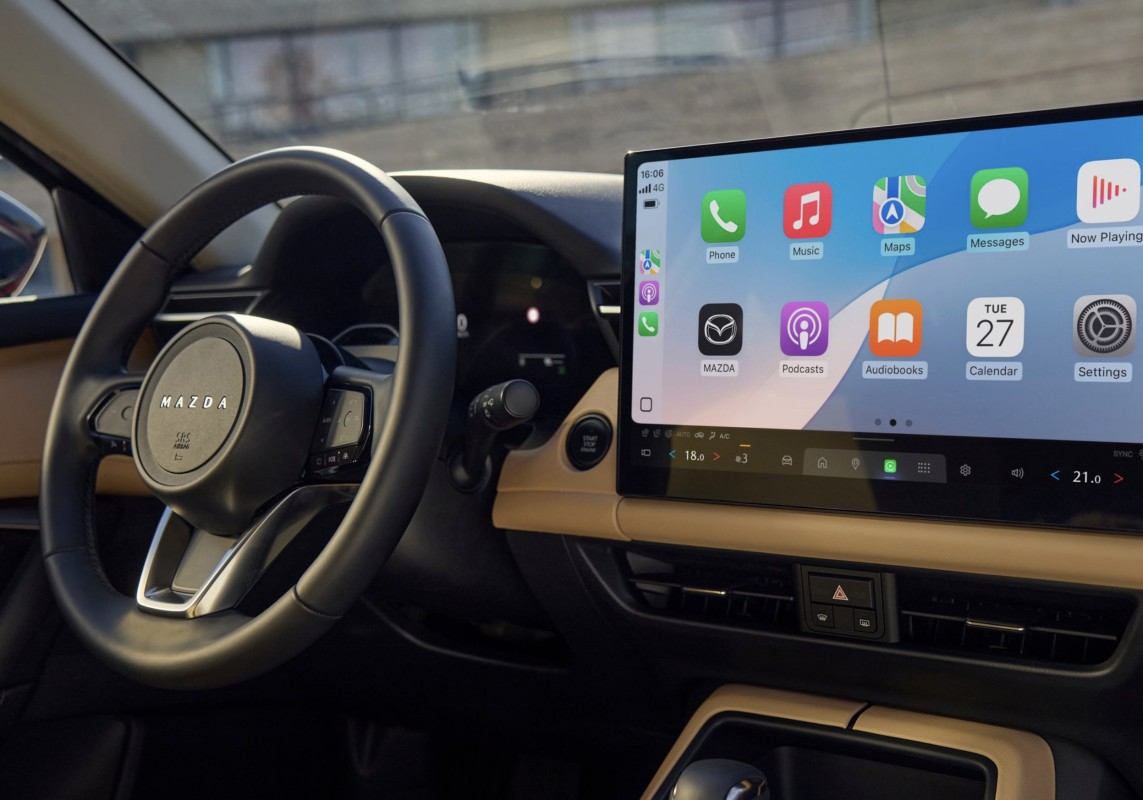
The Brand’s Proven Performer
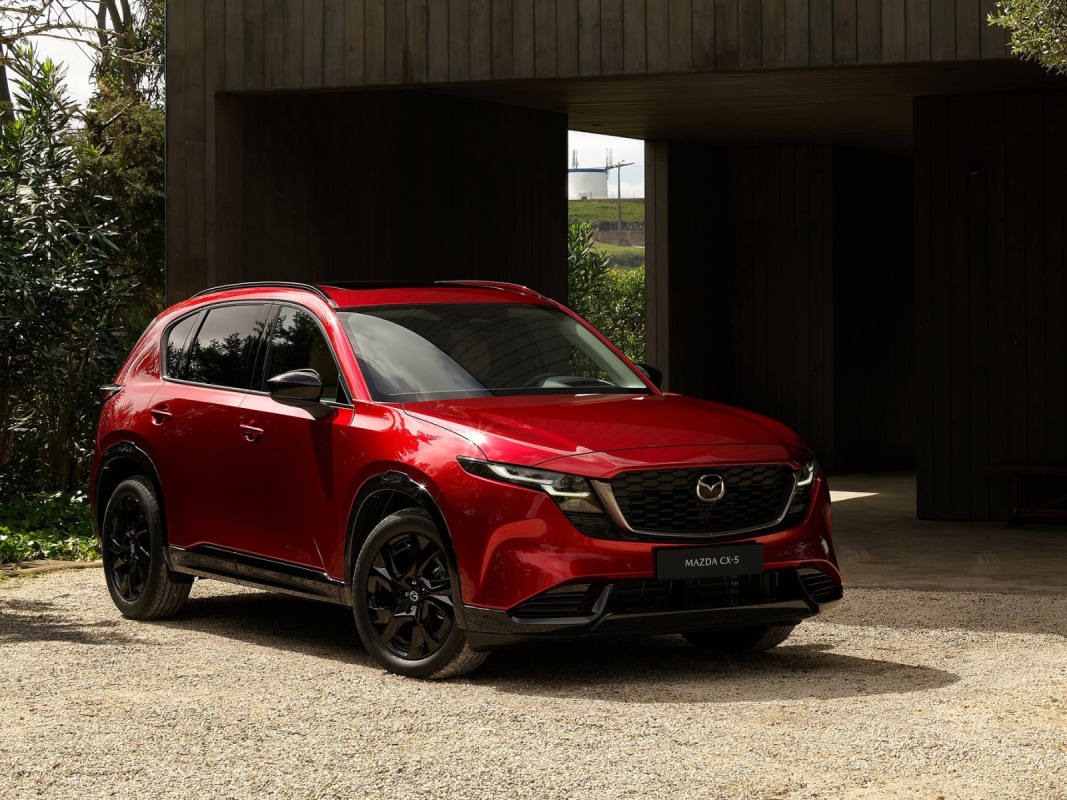
This new approach was strategically introduced in the Mazda CX-5, which remains the brand’s best-selling model in the modern era. The CX-5 recently became the company’s third vehicle to surpass five million units in production, following the 323 and the Mazda3. In the U.S., the model competes with heavyweights such as the Toyota RAV4, one of the country’s best-selling vehicles alongside the Ford F-Series.
With the CX-5 still imported from Japan, Mazda faces tariff pressures in the U.S. market and has acknowledged making cost-saving adjustments to the latest-generation model, changes the company says customers are unlikely to notice. Whether the new CX-5 can sustain that momentum remains to be seen, but it’s encouraging to see the brand responding to customer feedback while adapting to modern expectations without abandoning its core philosophy.
The 2026 CX-5 starts at $29,990, excluding destination fees, and comes standard with a 12.9-inch touchscreen. The larger 15.6-inch display is available in the range-topping Premium Plus trim, which starts at $38,990.