Wall labels are not always the first thing that grabs my attention when I’m in a museum: there’s the art surrounding me, the commotion and conversation in the galleries. But I do take notice when I feel like they’re communicating with me — and when they’re not. Wall texts aren’t just for listing who made an artwork; they’re one of the most direct ways that institutions can connect with visitors. So on those rare occasions when they speak to me clearly and graciously, without telling me what to think, but rather inviting me to ruminate on the art, I feel welcomed into the museum.
In an illuminating essay below, art critic Aruna D’Souza reflects on what makes a good wall label and why getting them right is not just about the art — it’s about community, too.
—Natalie Haddad, reviews editor
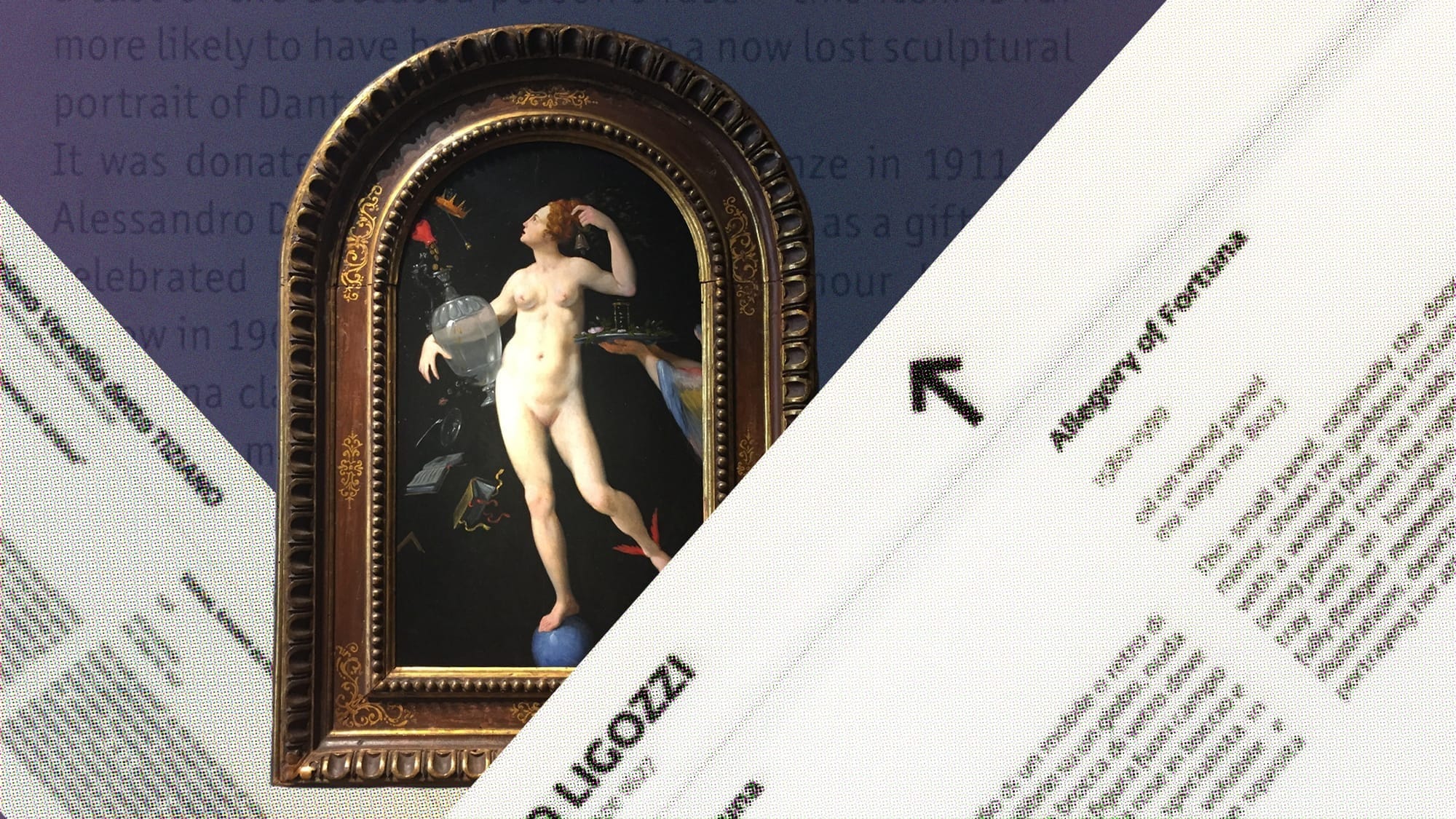
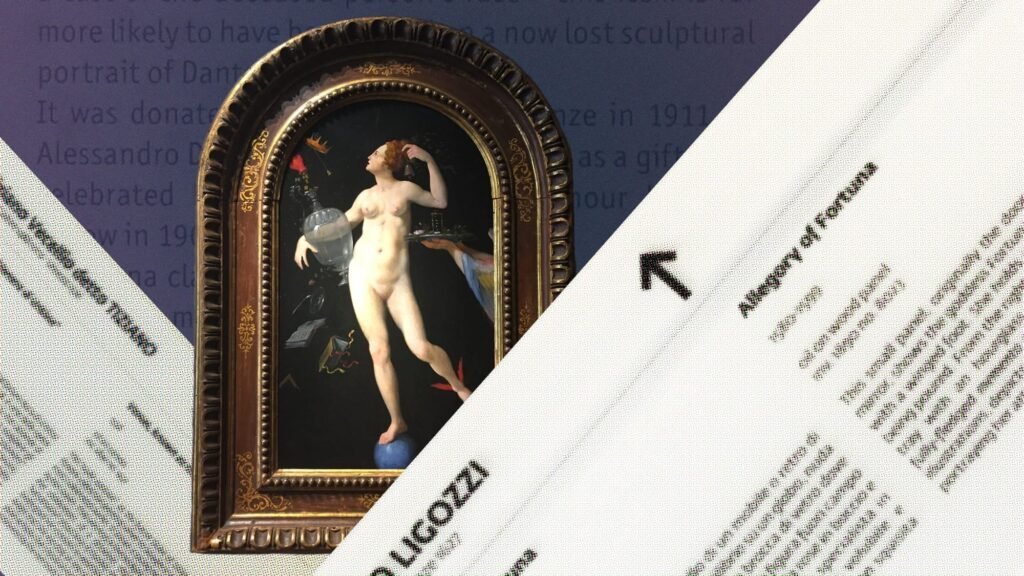
The Sticky Politics of Wall Texts
“There was a lot to commend about this thought-provoking exhibition … here I want to focus on the show’s didactics, which were — not to put too fine a point on it — pretty bad,” writes Aruna D’Souza of her visit to the 36th Bienal de São Paulo, where labels “in hard-to-find locations [turned] one’s experience of the exhibition into a scavenger hunt.”
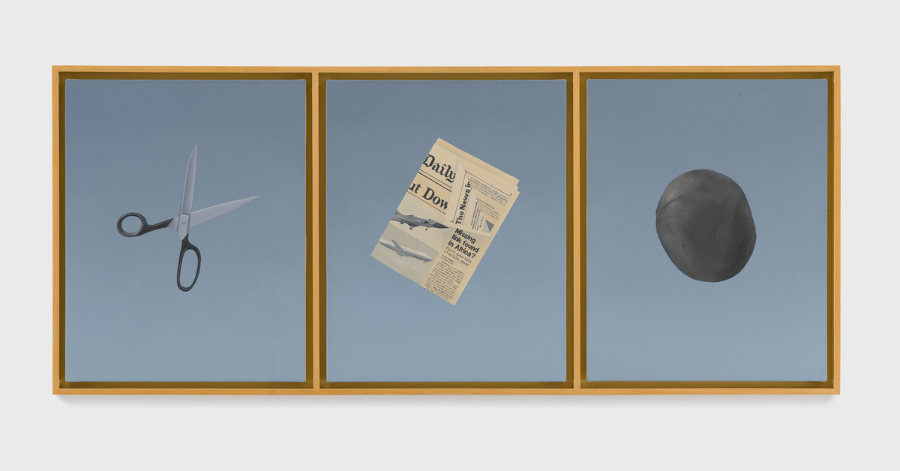
Bruce Richards: Silent Sirens at James Cohan’s 52 Walker Street Gallery
Since the late 1970s, Bruce Richards has been celebrated for his emblematic riffs on “life distilled,” wherein his uncanny subject matter is physically removed from yet psychologically reflective of our collective consciousness. Painting everyday objects imbued with allegorical significance, his practice takes an incisive look at the charged space between an image and what an image means.
In Focus
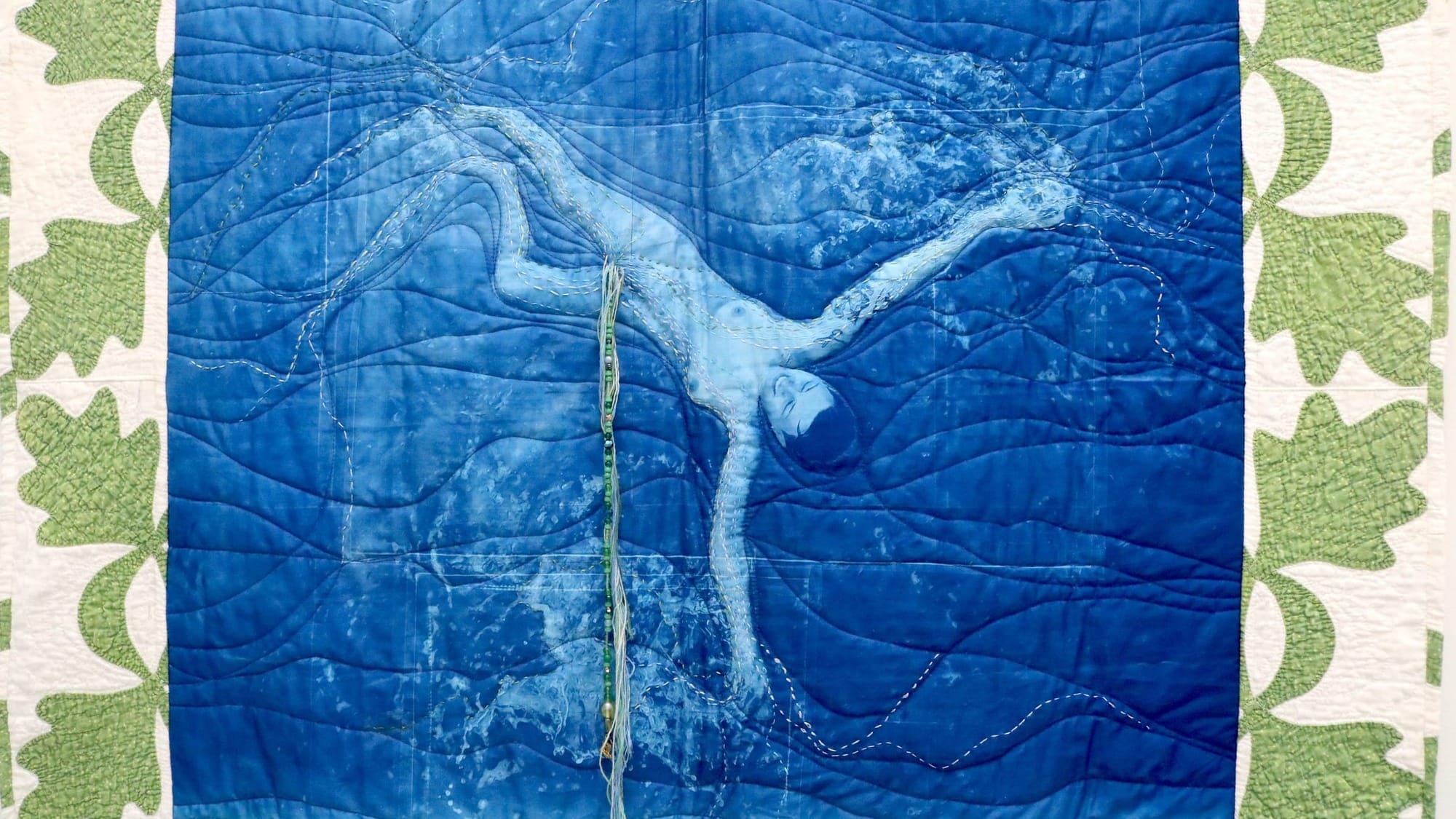
Plunging Into Bex McCharen’s Trans Queer Atlantic
“I went into the ocean as one person and came out another,” the artist told Alexandra Martinez, who dives into McCharen’s new series of photographs and quilts that speak to the presence of queer and trans people in Florida through the lens of Miami’s waterways.
From Our Critics
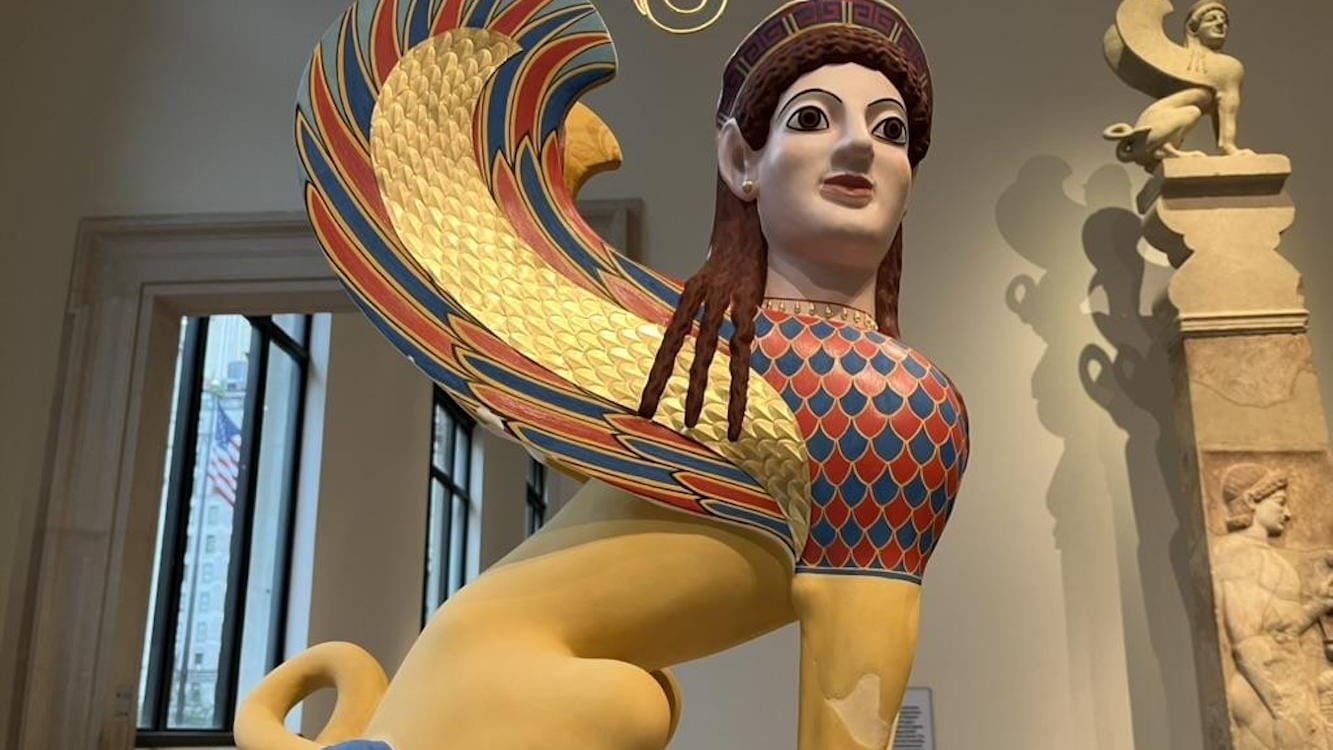
How White Elites Drained Ancient Art of Its Color
The publication of “Chroma” represents an important shift by museums toward recognizing polychromy and its entanglement with white supremacy. | Sarah E. Bond
The Shapeshifting Sculpture of Diane Simpson
From one angle, her sculptural constructions appear deep, but from another flat; here they look angled, there not. | Lori Waxman
John Altoon’s Fever Dream Drawings
After a stint in 1950s New York, the LA-based artist abandoned abstraction and painting in favor of dreamlike, sexually charged drawings. | John Yau
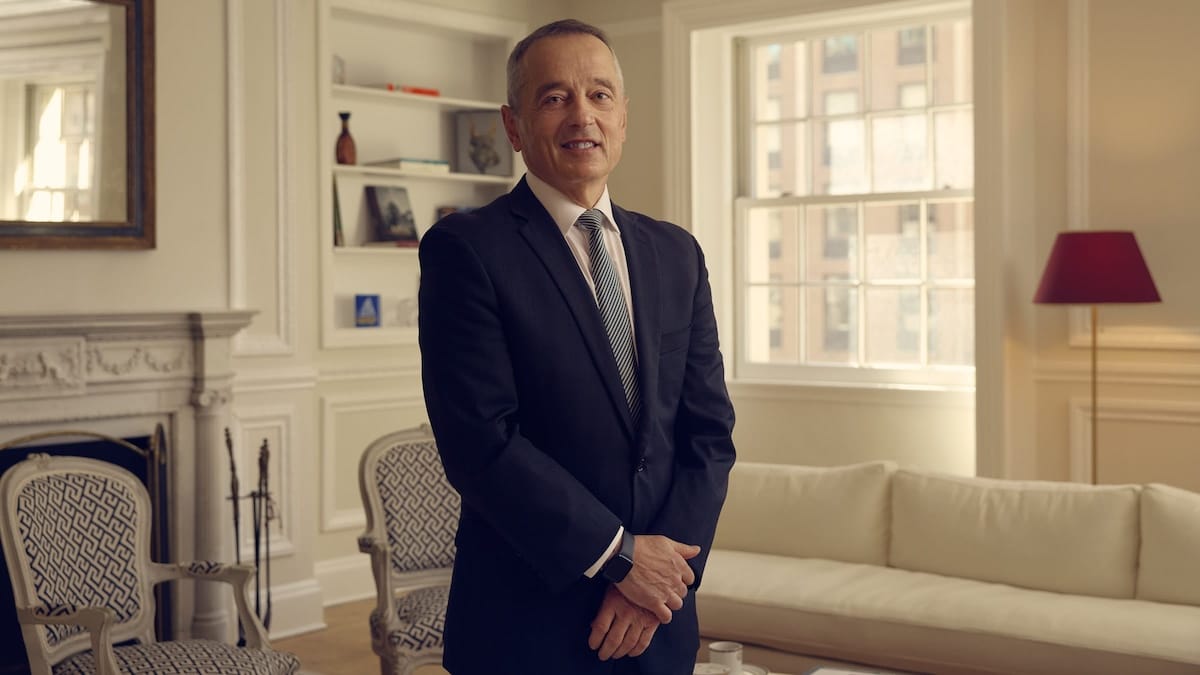
Matthew Bogdanos Awarded Marica Vilcek Prize in Art History for Repatriation of Stolen Artifacts
The leader of the Manhattan DA’s Antiquities Trafficking Unit is acknowledged for his lifelong dedication to recovering and safeguarding looted antiquities.
Member Comment
Sasha Chavchavadz on Damien Davis’s “When Artists Lose Their Archives”:
Helen Frankenthaler Foundation – Frankenthaler Climate Initiative (FCI)
FCI provides grants of up to $100,000 to visual arts organizations pursuing energy efficiency and sustainable operations, with support for projects ranging from early planning through implementation. Read more on Hyperallergic.
Deadline: February 27 or March 27, 2026, at 5pm ET (varies by grant category) | frankenthalerclimateinitiative.org
See more in this month’s list of opportunities for artists, writers, and art workers!
From the Archive
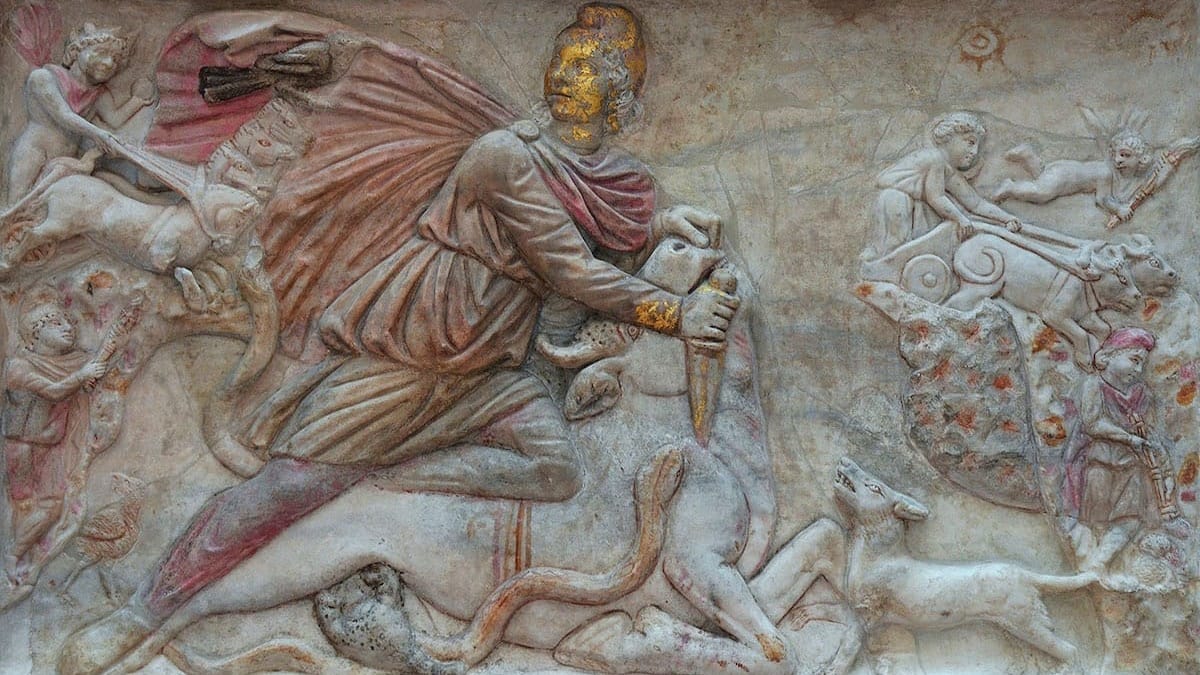
Why We Need to Start Seeing the Classical World in Color
The equation of white marble with beauty is not an inherent truth of the universe; it’s a dangerous construct that continues to influence white supremacist ideas today. | Sarah E. Bond