The Flaw in the Charging System
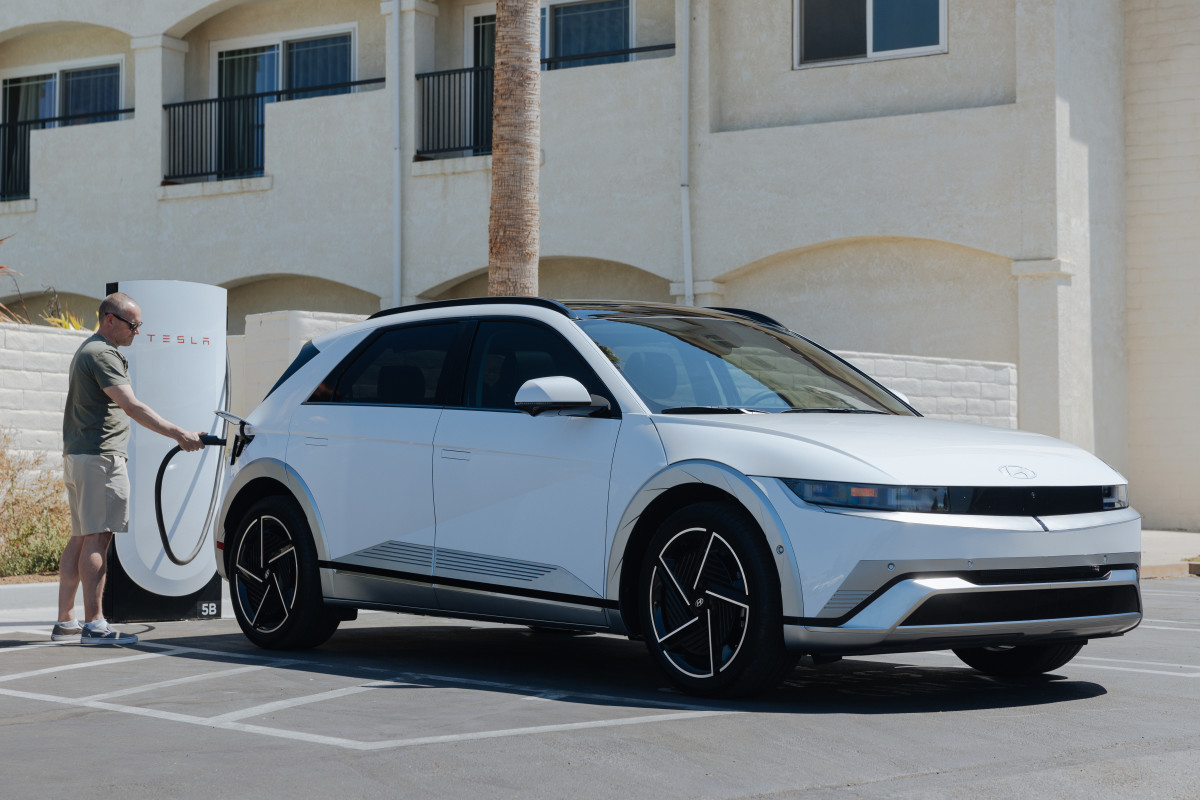
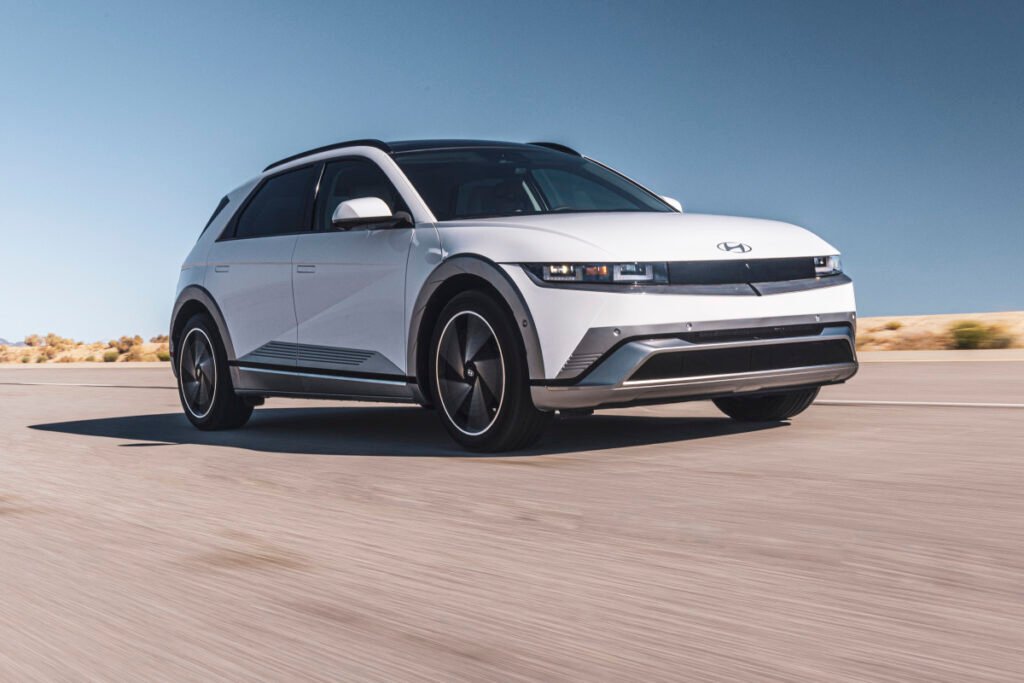
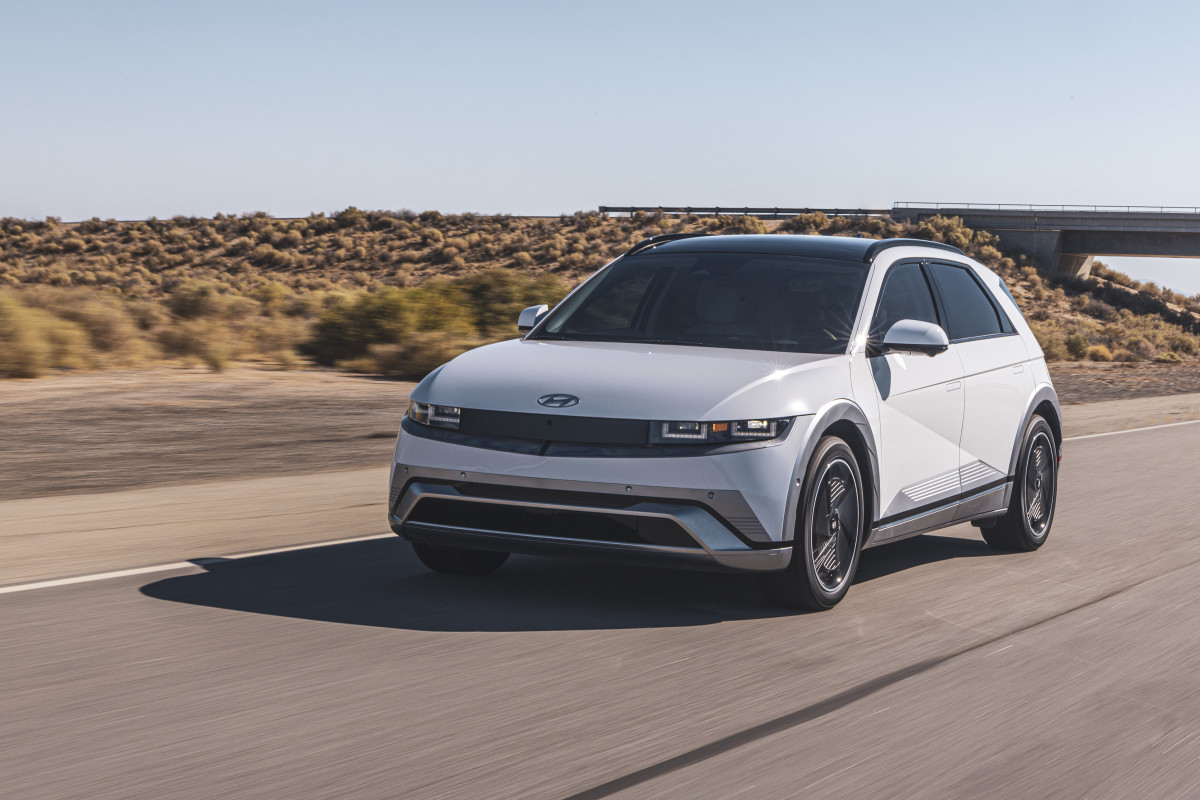
The Hyundai Ioniq 5 remains one of the best-selling EVs in the U.S., with 47,039 units sold in 2025, behind the Ford Mustang Mach-E and Chevrolet Equinox EV. For buyers considering the Ioniq 5, however, Consumer Reports highlights one notable issue to keep in mind: potential problems involving the Integrated Charging Control Unit (ICCU).
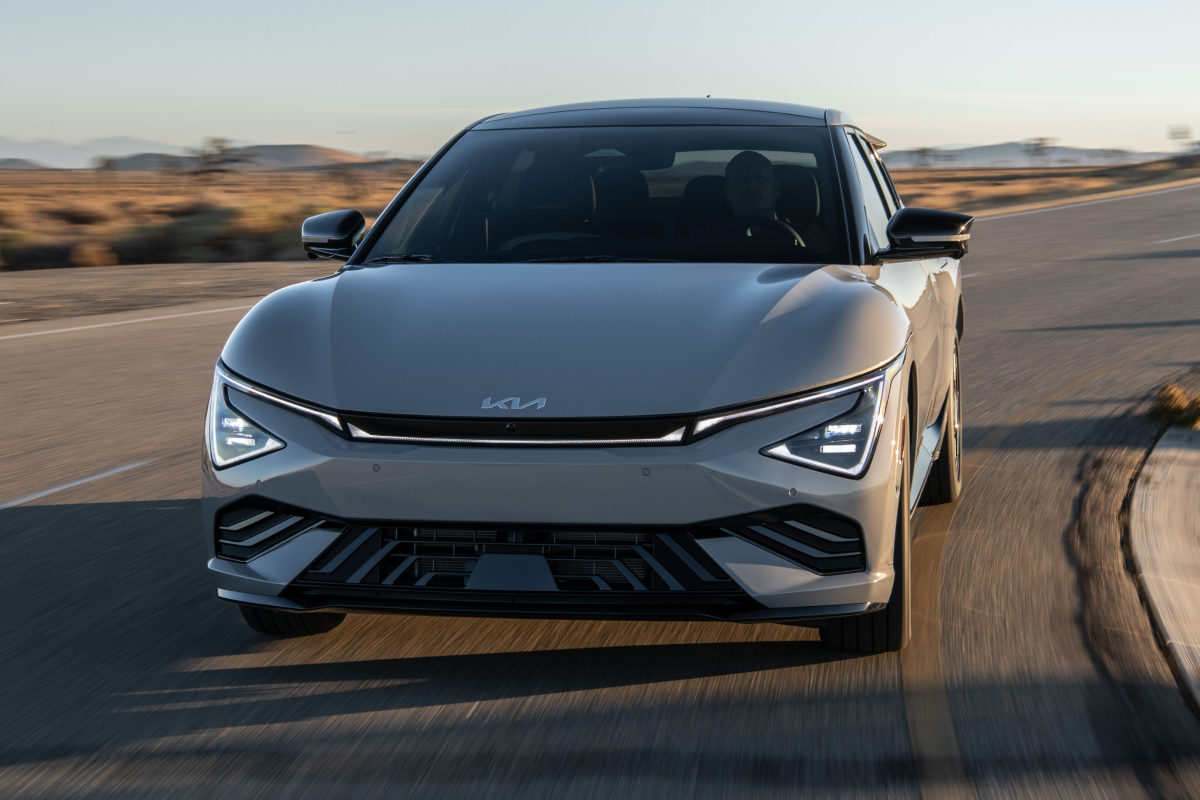
Since Hyundai, Kia, and Genesis operate under the same corporate umbrella and share a wide range of components – including the ICCU – CR notes that the issue is not limited to the Ioniq 5. It has also been reported in models such as the Hyundai Ioniq 6, Hyundai Ioniq 9, Kia EV6, Kia EV9, and Genesis GV60. When the ICCU malfunctions, it may fail to recharge the vehicle’s 12-volt battery system properly. That can trigger dashboard warning lights and, in more serious cases, result in reduced power or even a complete loss of propulsion while driving.
Charging Issues in Perspective
Based on CR’s reliability survey data, roughly two to 10 percent of Hyundai and Kia EV owners have reported ICCU-related concerns. In contrast, one percent or fewer owners of other EVs from the 2023 to 2025 model years reported charging-system problems. The findings are drawn from survey responses covering more than 380,000 vehicles.
Hyundai and Kia have issued multiple recalls and worked with suppliers to address the defect, yet reports indicate that the problem continues to surface in some vehicles. Owners who encounter warning messages such as “charging error” are advised to contact their local dealership promptly for inspection and repair. If the vehicle enters limp mode, drivers are instructed to pull over safely and arrange for a tow rather than continue driving.
A Split Verdict
Despite these concerns, Consumer Reports noted that the Hyundai Ioniq 5 “actually performed better than the Tesla Model Y” in its road testing. However, the recurring ICCU issue negatively affected its reliability score. In the latest brand reliability rankings, Hyundai placed 12th overall, while Kia and Genesis ranked 10th and 21st, respectively. Toyota claimed the top spot, followed by Subaru, Lexus, and Honda, with BMW rounding out the top five.
More broadly, the publication notes that EVs and plug-in hybrids typically experience about 80 percent more problems than conventional gasoline-powered vehicles. Traditional hybrids, on the other hand, are currently the most dependable powertrain type, with approximately 15 percent fewer reported issues compared to their gas-only counterparts.
Both Hyundai and Kia offer a broad range of hybrid models in the U.S. market, including the Tucson Hybrid and Sorento Hybrid.
Hyundai