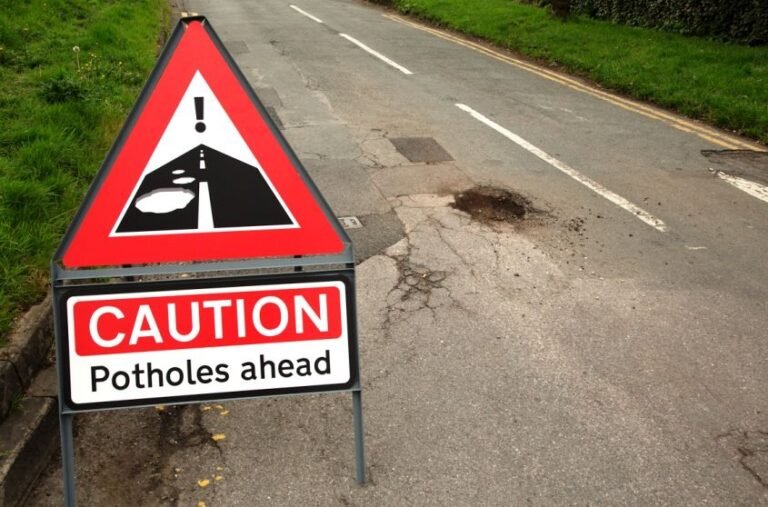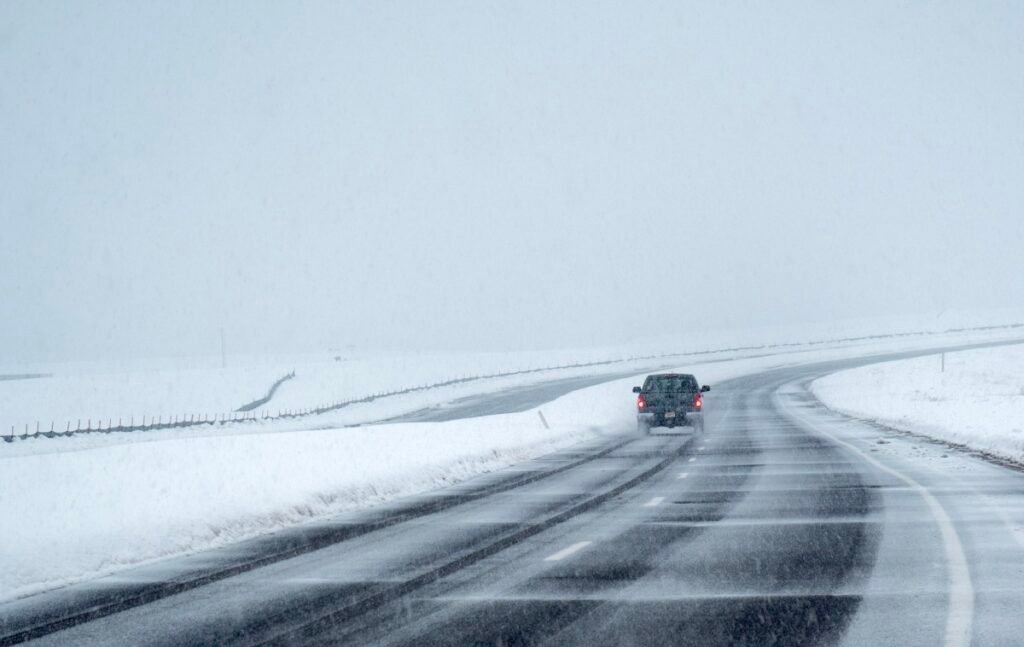
Over 30 million residents who live along the I-95 corridor should prepare for near-zero visibility, grounded flights, and white-out highways due to a blizzard warning issued today by the National Weather Service for all of New York City and Long Island, the entire coast of New Jersey, and the entire coast of Connecticut.
The NWS has stated that residents may experience life-threatening conditions while traveling during this time. Residents can expect 1-3 inches of snow an hour throughout the duration of the storm, which could lead to near-zero visibility within a matter of minutes, as well as sustained winds of up to 50 mph and wind gusts of up to 70 mph creating roadways to be almost indistinguishable from the surrounding area. Travel bans for non-essential travel are expected to be issued in several states, and local authorities are urging residents to stay off the road when the storm “bombs out” on Sunday afternoon.
A nor’easter becomes a bomb cyclone when its central air pressure drops extremely fast. That rapid pressure fall intensifies the storm’s circulation, strengthening wind speeds and dramatically increasing snowfall rates, which is why bomb cyclones often produce blizzard conditions and near-whiteout visibility in a short period of time.
What the Storm Will Do to Your Vehicle
In addition to the high chance of getting stuck, vehicles driven in heavy snow can be plagued with an assortment of mechanical issues as well. Heavy, wet snow compacts in wheel wells around the wheels, potentially causing reduced steering angle and friction against tires. Snow can also compact onto braking system components. When the freeze-thaw cycle occurs after a snowstorm such as this, the formation of rust is accelerated on exposed undercarriage components. Cold weather has a sharp impact on battery performance, if your battery is older than three years, have it checked now. In addition, tire pressure will decrease by about 1 psi for each 10-degree drop in temperature and may impair your vehicle’s ability to handle treacherous roads.
Kristen Brown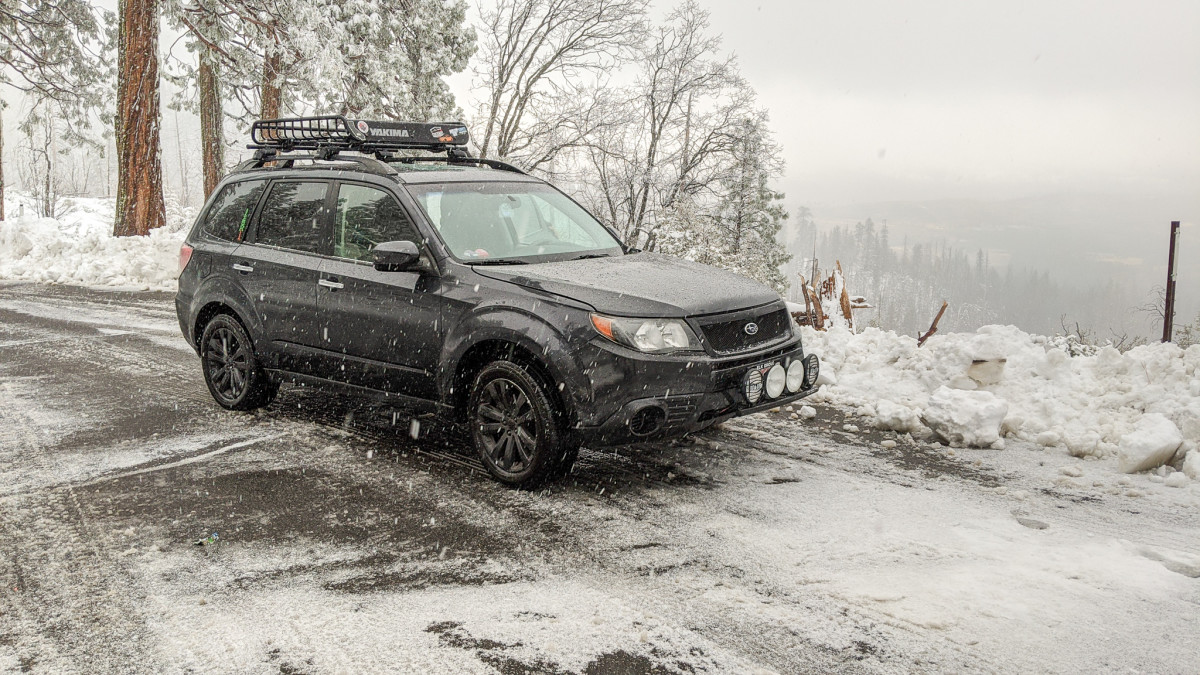
Before the Storm Hits, Do This
Fill your gas tank today because there’s going to be a huge demand for fuel right before a big storm, and many gas stations could run out of gas quicker than anticipated. If possible, move your vehicle to a garage, or at least remove any unsecured roof cargo that can potentially become a missile in 60 mph winds. Add an emergency kit to your trunk containing an ice scraper, jumper cables, a blanket, and sand for traction if you become stuck. Before the temperature plummets tonight, check your windshield wipers and add freeze-resistant windshield washer fluid to them. Due to the unpredictable nature of this storm, check your local weather reports or NWS updates before venturing out this weekend.