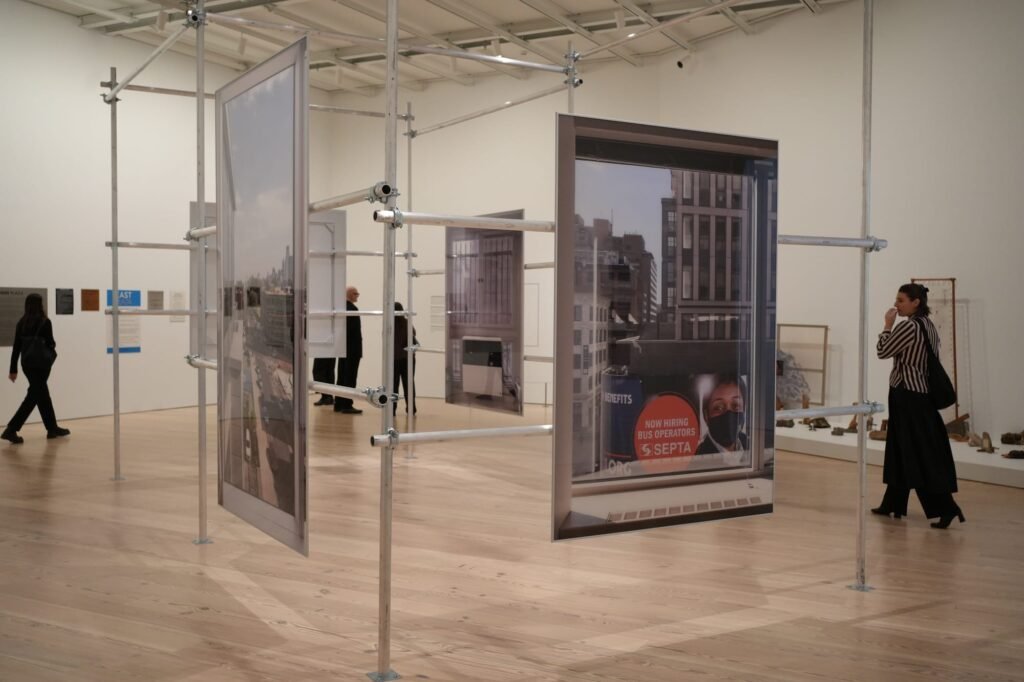
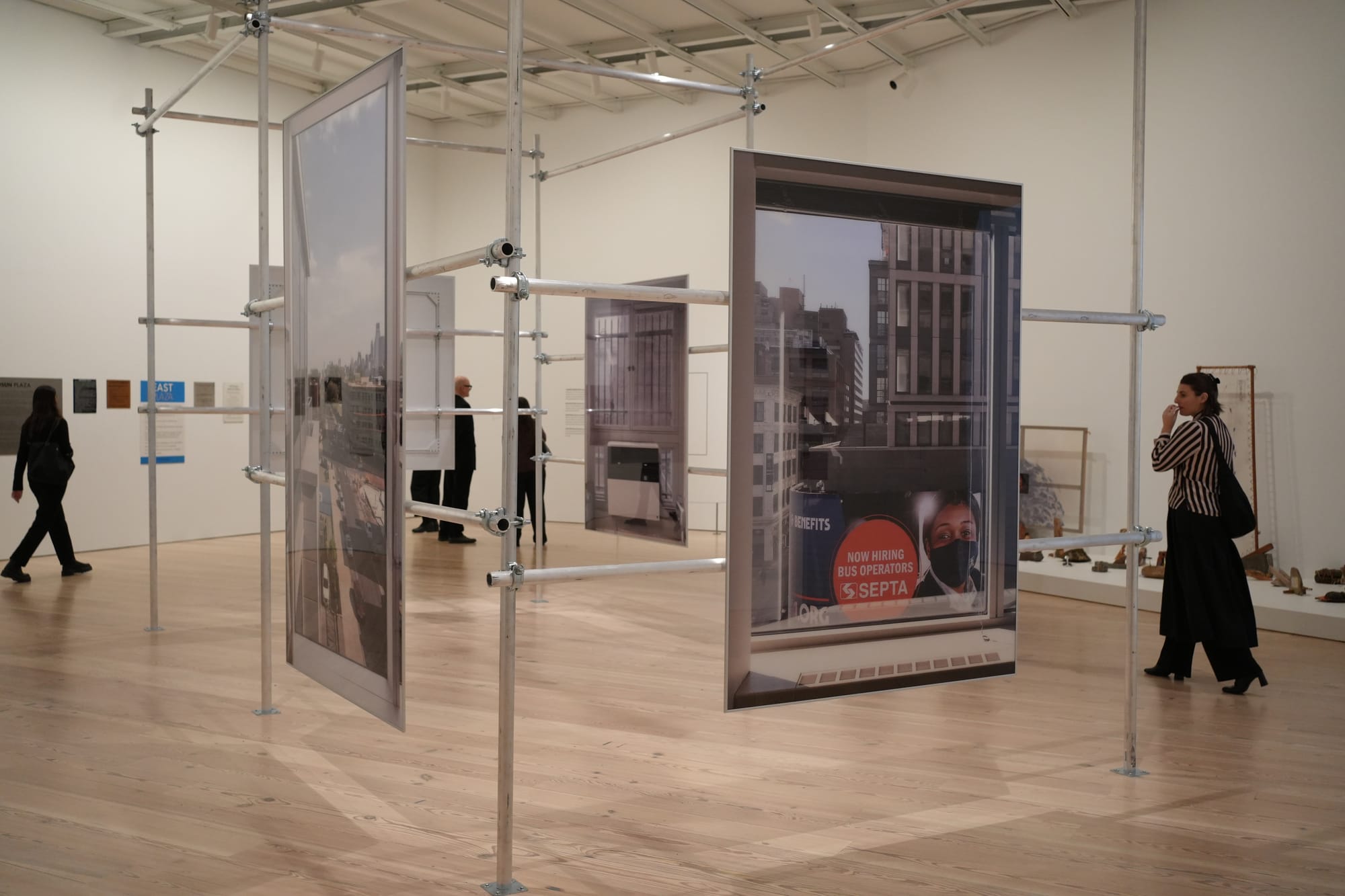
The Whitney Biennial bills itself as the pulse-check of what American art looks like now. This year’s edition, curated by Marcela Guerrero and Drew Sawyer, with Beatriz Cifuentes and Carina Martinez, consists of the work of 56 artists, duos, and collectives. It’s themeless, but spotlights ideas of “relationality,” including family, technology, and mythology.
I appreciate a non-pretentious biennial that doesn’t come with a PhD dissertation. This one feels like that: moody, sensorial, contemplative. Whether that’s enough to meet the moment is a different question.
Below, our editors walk you through first impressions of this year’s Whitney Biennial, which opens to the public this Sunday, March 8. Here’s what we liked, what we didn’t, and what we feel ambivalent about at this moment, mere hours after the press preview. —Hakim Bishara, editor-in-chief
Hrag Vartanian, editor-at-large
What We Liked: Surrounding Success
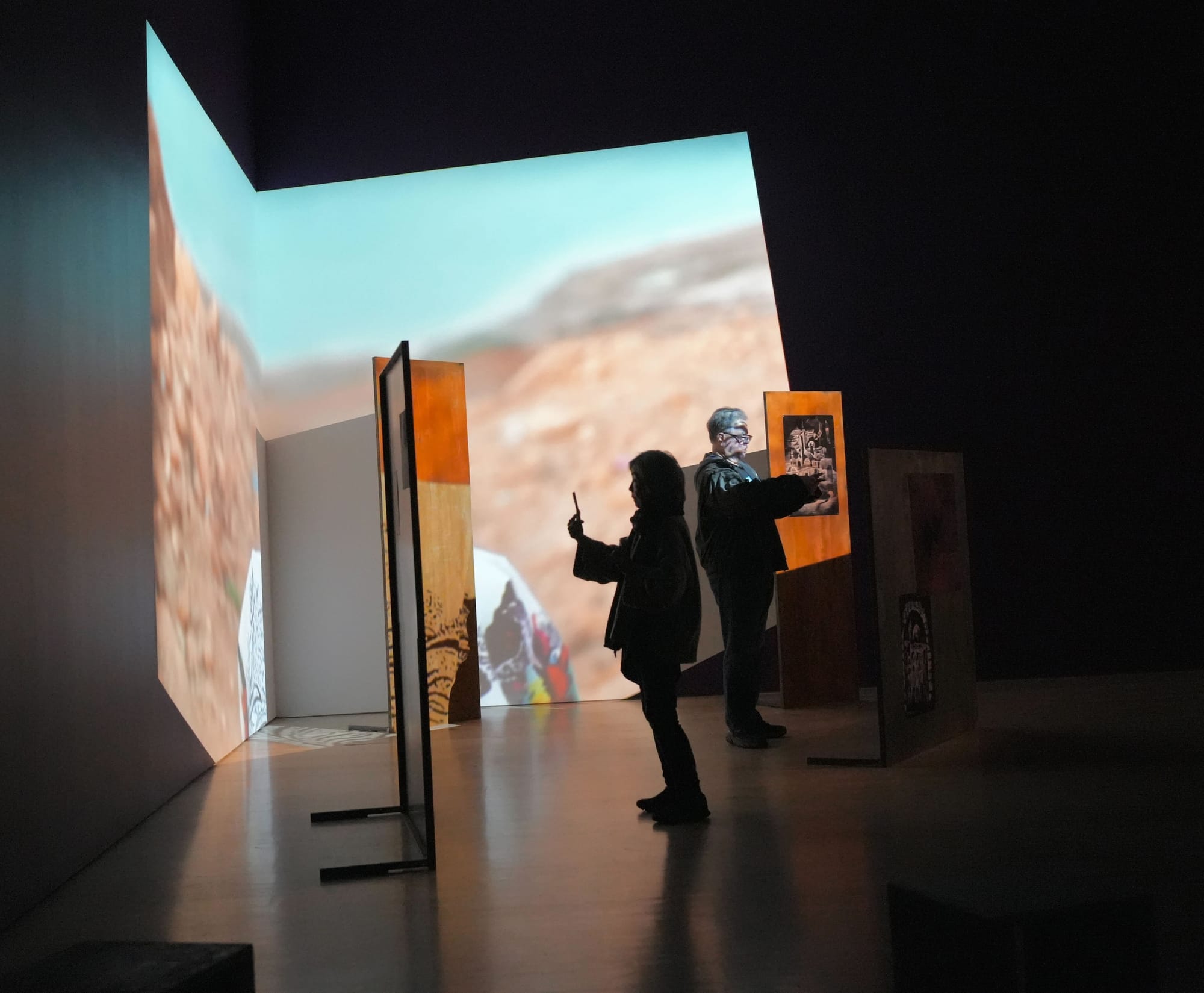
From Basel Abbas and Ruanne Abou-Rahme’s “Until we became fire and fire us” (2023–ongoing) to Oswaldo Maciá’s “Requiem for the Insects” (2026) and CFGNY’s “Continuous Fractures Generating New Yields” (2025), there are a number of immersive projects that offer to transport us into the artist’s world of sound, image, and perspectives — all using varying notions of time and inviting us to linger. While all of these don’t quite succeed, the three I name certainly do, to varying degrees. Space is power in the biennial setting, and these three projects deserved the attention.
What We Didn’t Like: Biennial or Gallery Stroll?
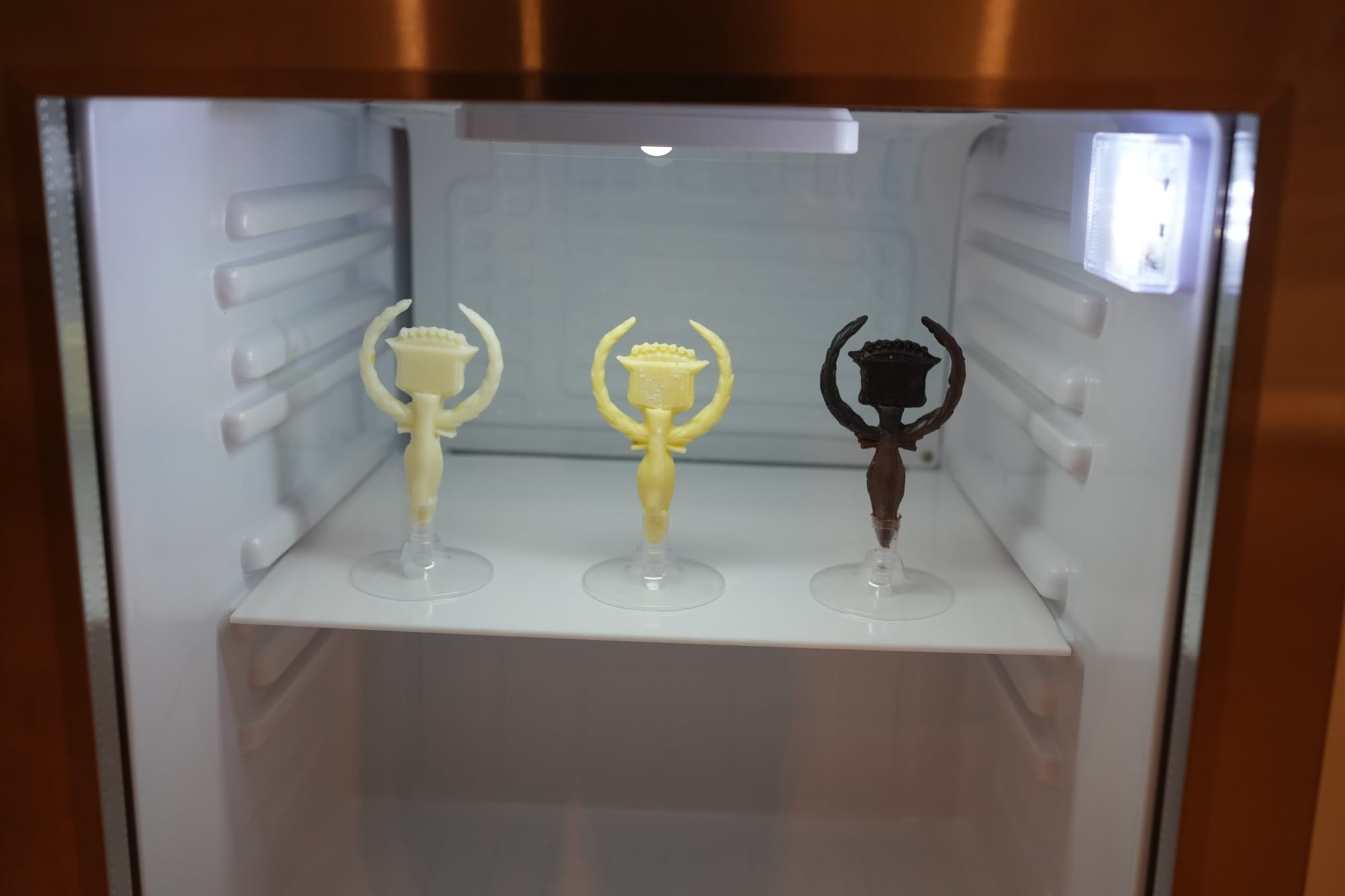
In the last decade, there’s been growing tension around the idea of the biennial overall. Some see them as barometers of trends and showcases of significant works of the moment, while others think of them as vehicles of theoretical curatorial concepts. This Whitney Biennial was mostly rudderless and offered a smattering of displays that landed on the former concept of what a biennial is. I’d still recommend this exhibition to people, since some of the work is quite good (and heavy on the concept of beauty), but I don’t see all that much difference from a day spent strolling through Tribeca or Chelsea galleries, since the curatorial vision is quite loose.
Does this mean the commercial art world and its preference for luxury and display has won? Well, at least at the Whitney, that seems to be more and more the case. The castle walls of contemporary art markets have been limiting artists’ imaginations, as they see more value in fashioning objects that look ready to sell, displayed in a manner that looks lifted from luxury shops in Soho or Fifth Avenue. Overall, too many clichés and things I’ve seen before, even if by another artist. Perhaps more importantly, the audience is never made to feel complicit in the chaos of the world that is engulfing us. This is mostly tourist-friendly fare with doses of academic politics that make the audience feel quite safe and even comfortable.
What We Feel Ambivalent About: Blowhards
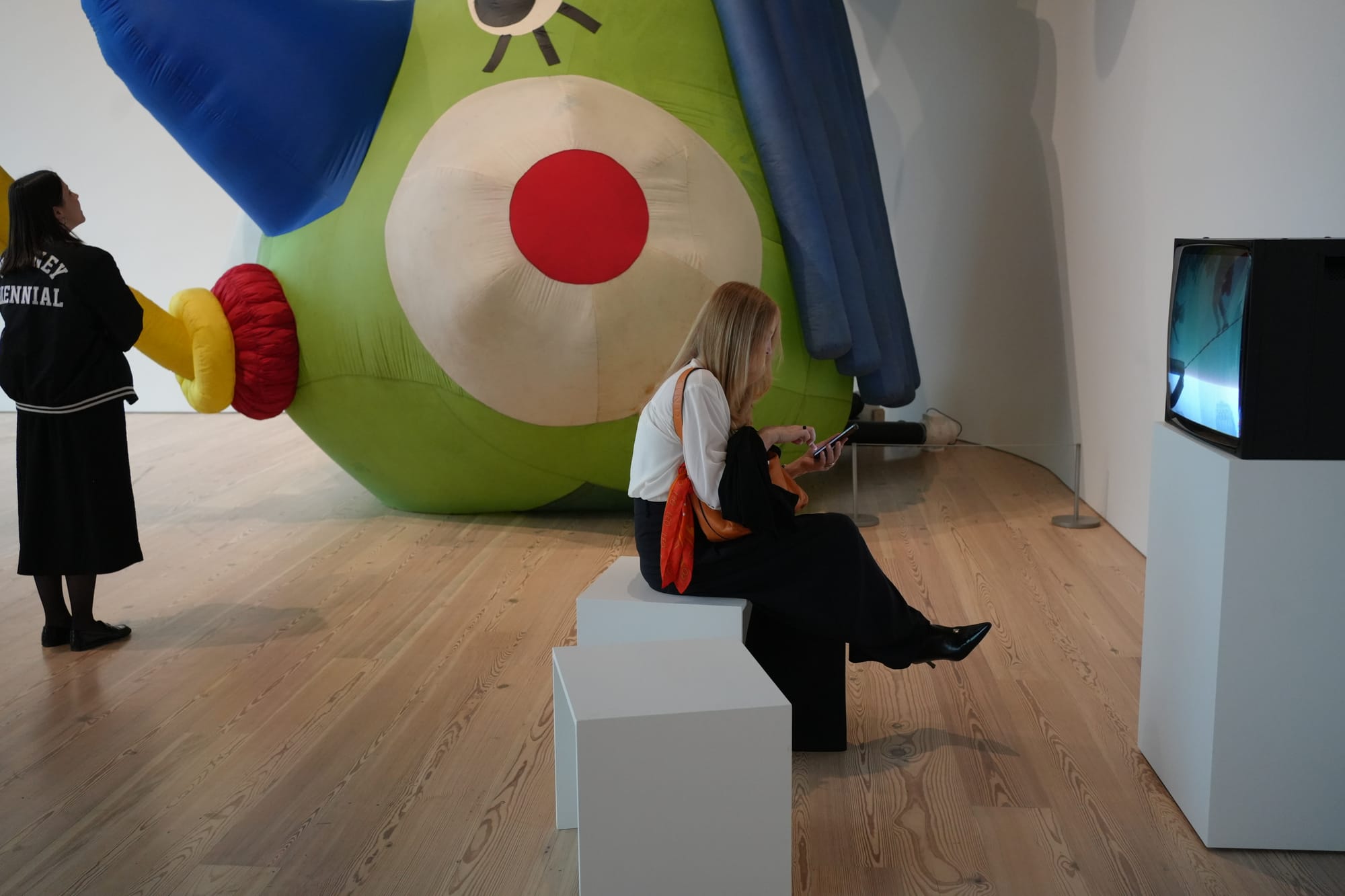
I’m ambivalent about Pat Oleszko’s “Blowhard” (1995) because this feels like the wrong context to display it, deadening its affect. It comes across as a children’s birthday decoration that got away.
Lakshmi Rivera Amin, associate editor
What We Liked: Sleights of Hand, Snatches of Delight
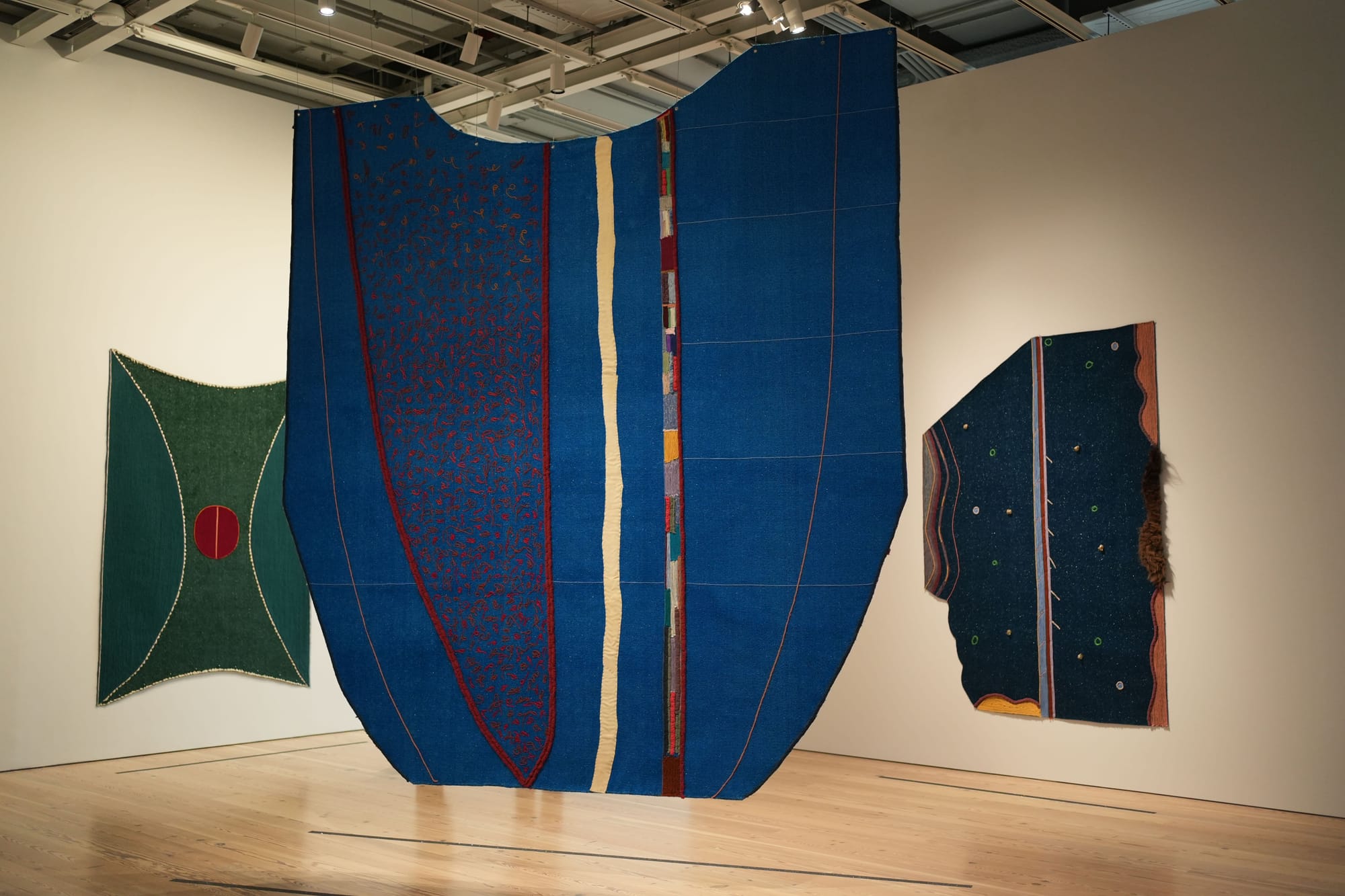
So many sly sleights of hand and snatches of delight in unexpected places buoyed me through this exhibition. Sula Bermudez-Silverman’s sculptures of blown glass held in the grip of rusted steel tools visualize the fragility of time, as if it could shatter in our hands at any second. Teresa Baker’s buckskin tapestries, hanging like patchworks cut straight from the sky, were favorites of mine. CFGNY — whom my colleague Lisa Yin Zhang recently interviewed — drew me into a game of hide and seek with a diaphanous installation on presence and absence. I encountered their ceramic molds of long-gone objects as if sifting through old memories, recalling their shape but not their composition. Emilie Louise Gossiaux’s tender drawings of adventures with her late dog, London, evoke the unofficial theme of the themeless biennial: Our relationships to animals, earth, and objects are worthy of reverence and care.
The curators remarked at the press preview that challenging the very meaning of “American art” is more necessary than ever — with US imperialism barreling forward, that’s crystal clear — but I’m still digesting whether the show actually lives up to that mandate.
What We Didn’t Like: Hollow Critiques
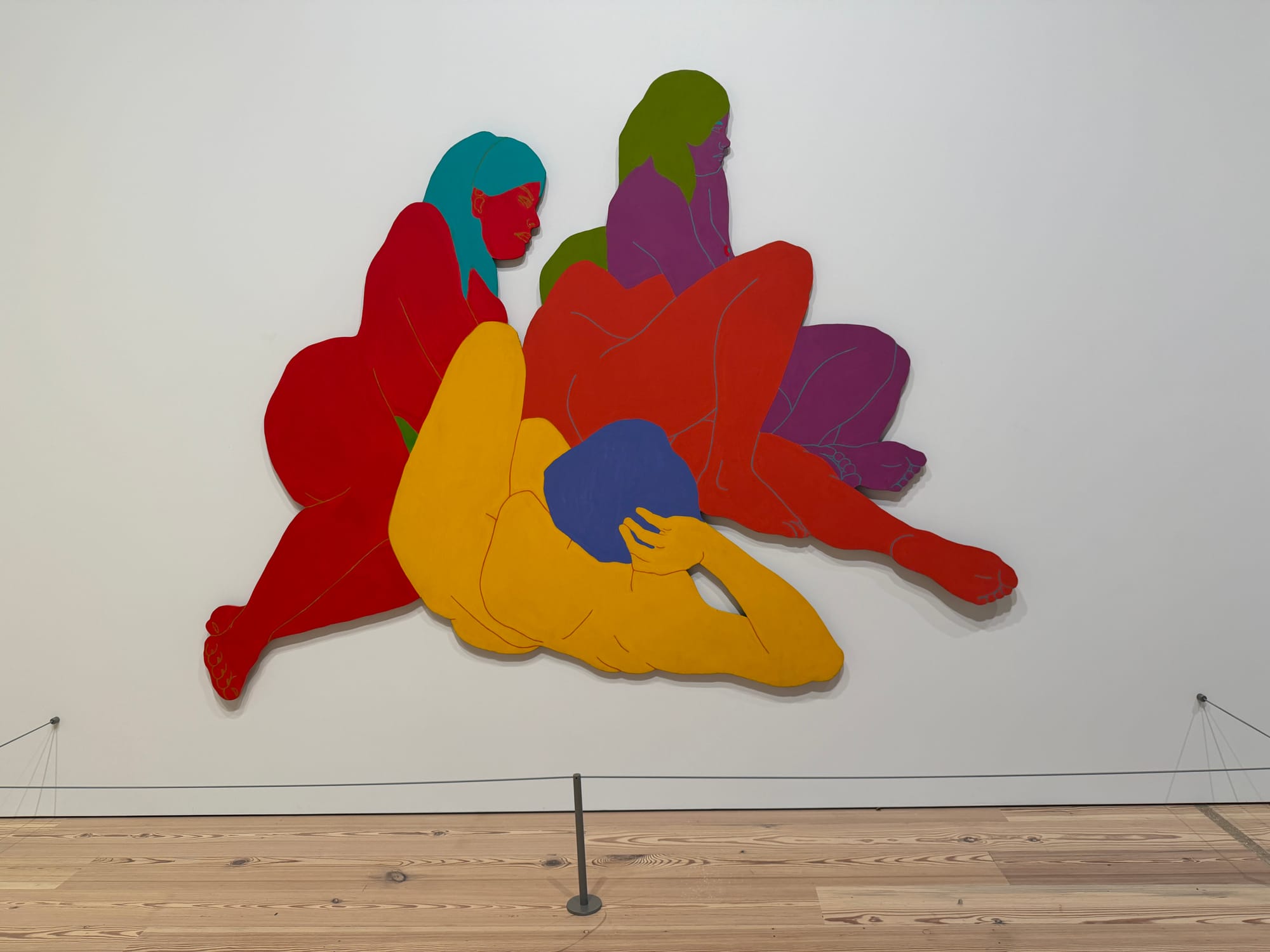
One of the official lines used in lieu of a concrete theme in this edition, which actually felt like a weight off everyone’s shoulders, is that it explores networks of relation. That initially struck me as a hollow way to explain any survey exhibition, let alone this “temperature check” of American art; this of all shows has a responsibility to explore the connections between artists and the work they make. But even the curators’ emphasis on systems — systems of unseen labor and support in the art world, structures of power and American imperialism — was unearned, not that I’d ever expect an institution like the Whitney to commit to exposing a system it’s heavily implicated in. (See: the museum’s suspension of the Independent Study Program after cancelling a performance on Palestinian mourning organized by its curatorial cohort last summer.) Paired work by Andrea Fraser and her mother Carmen de Monteflores, who gave up her painting career almost 60 years ago, shone as one of the exceptions.
Relatedly, every IMAX theater in the country has exhibited some variation on the cacophonous doomsday digital artworks on view here. Learn from my mistakes and do not end the show with a visit to Zac Blas’s installation on the first floor. As a visitor, I experienced it less like a discomfiting shrine to AI domination — and our willingness to succumb to it — and more like a red-pilled Reddit thread’s BDSM dungeon. I’m sure that was the point, but it’s not one I care to be immersed in again. Michelle Lopez’s “Pandemonium” had a much milder but similarly futile effect. Both hold funhouse mirrors up to the catastrophic state of the world, and there’s value in work that forces us to confront the shitshow that is life in 2026. But without any commentary on it, they wound up reproducing in me the same reaction I have to the deluge of AI slop: I learned to tune them out.
What We Feel Ambivalent About: Mirror, Mirror
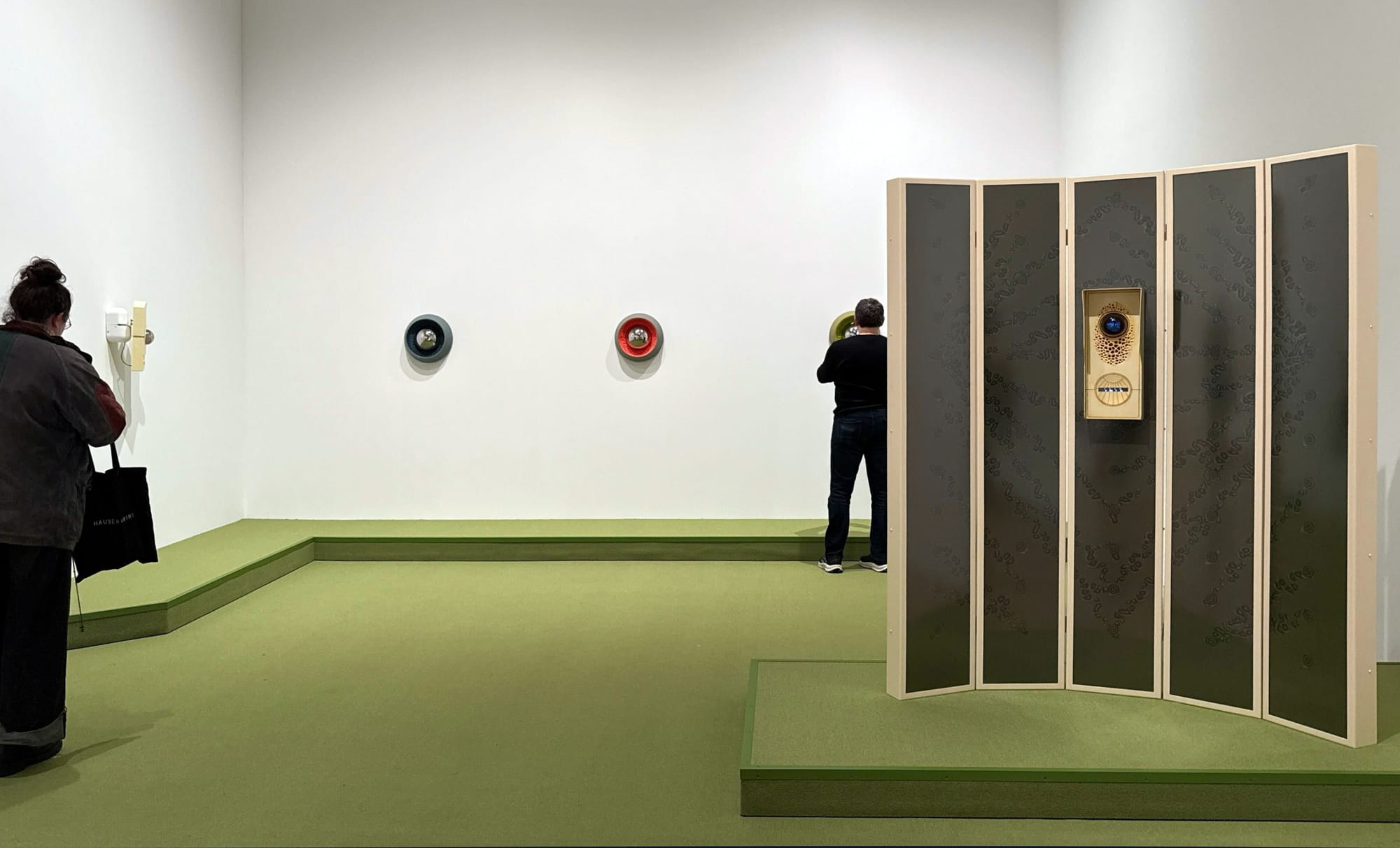
When used shrewdly, mirrors and cameras can be sharp tools. Take Cooper Jacoby’s sentient, breathing artworks: His clocks measure time by fragments of bone and tooth and travel against the speed of our bodies, referencing a health insurance company’s offer to lower his premium if he took a DNA test to prove that his biological age was younger than his chronological one. Unfortunately, nearly every other time I encountered one in the show, this was the entirety of my line of thought: “Wow. I’m looking at the art, but the art is also looking at me, returning my gaze. Cameras? For surveillance? Groundbreaking.”
Lisa Yin Zhang, associate editor
What We Liked: Artists in Wonderland
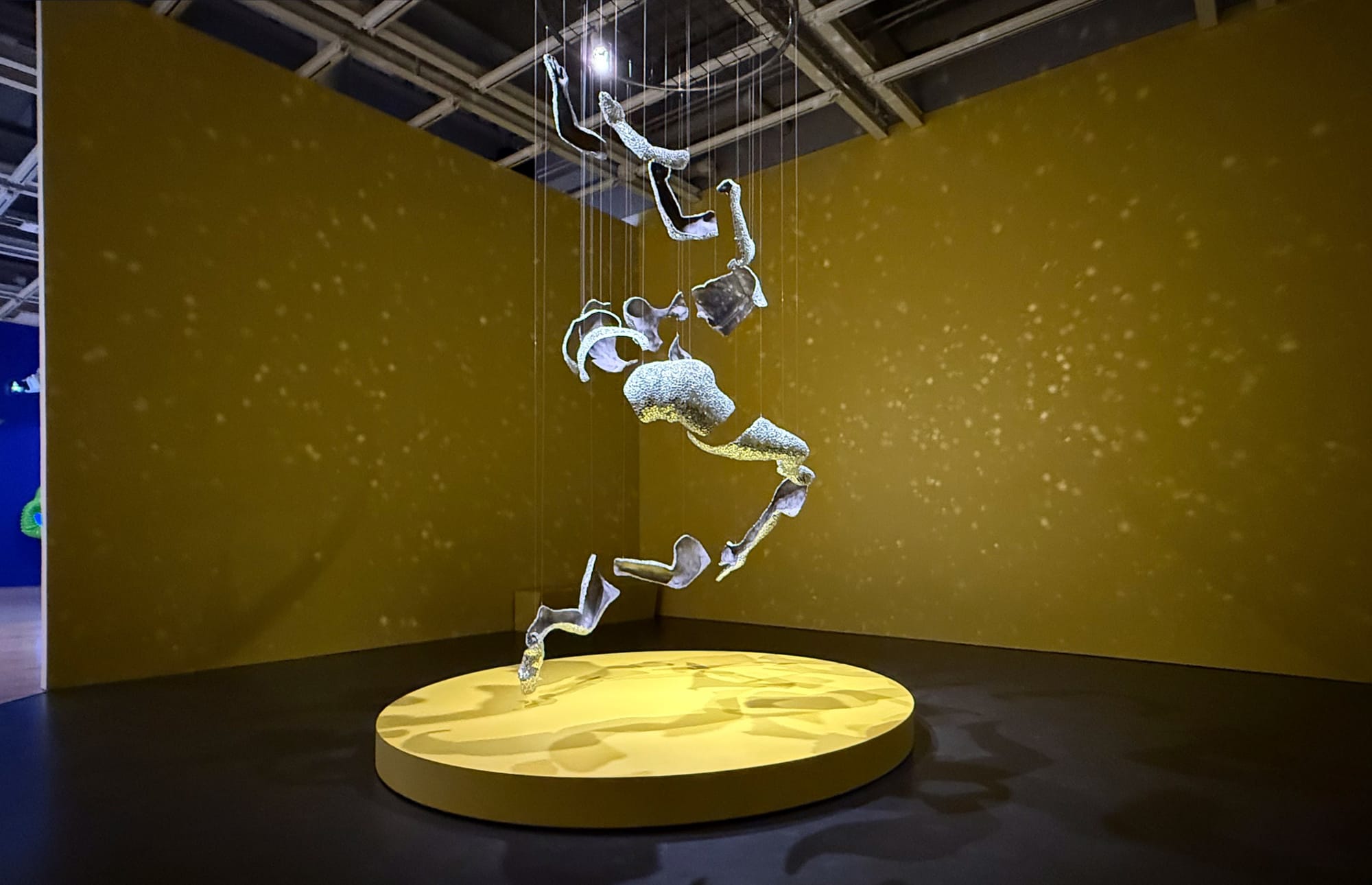
This edition introduced a little bit of much-needed wonder back into the biennial format. There were moments when it felt like it took my brain a second to process what I was experiencing, like when I stumbled into Young Joon Kwok’s “Divine Dance of Soft Revolt (Anna, Travis, Me)” (2024), in which a fractured body twists rapturously upward in an elegiac, disco-ball-like environment.
Rounding the corner to Malcolm Peacock’s “Five of them were hers and she carved shelters with windows into the backs of their skulls” (2024), a massive eight-foot (~2.4-meter) tree trunk wrapped with synthetic hair, was almost a mystical encounter (though I didn’t love the book pages tacked onto it; felt like a too-cerebral afterthought). Not to mention Teresa Baker’s “The Harvest Melting On Our Tongue” (2025) — my god, like looking into the night sky, far out at sea.
This biennial really succeeds at inducing different moods, emphasizing affect, carving out many different environments — creating that relationship between you and the work, the most essential encounter in art. It has a maximalist aesthetic — wallpaper, painted pedestals, hand-drawn murals — and yet a human scale. You can get through this whole thing without feeling like you need to sit down and scroll on your phone. By that same token, I did wonder if it was a little overtly TikTok-brained — it’s eminently Instagrammable, and will be all over your feeds soon. But you can’t argue with the fact that it was engaging, which is definitely more than you can say for a lot of surveys.
What We Didn’t Like: You’re Thinking Too Hard
I, too, liked that this biennial was themeless — we’ve all seen what can happen to a show that gets a little too wrapped up in its conceit. But speaking of which, there were some works that leaned on overwrought concepts that were difficult to decipher in the actual work. Isabelle Frances McGuire’s sculptures are drawn from American myth, like the Salem Witch Trials or Abraham Lincoln’s log cabin, but didn’t reveal anything about the American psyche. In the end, they didn’t have much effect other than being vaguely creepy.
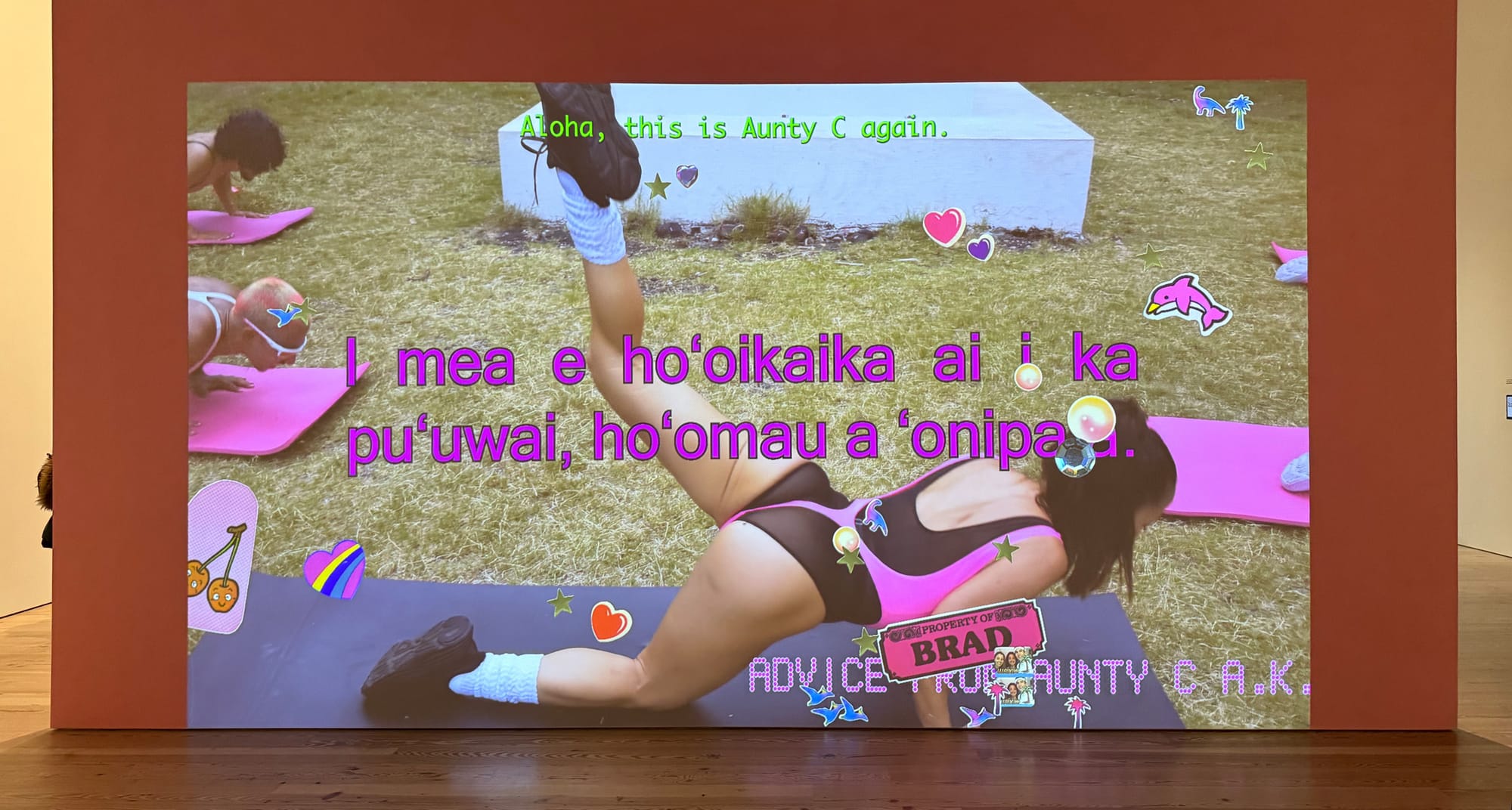
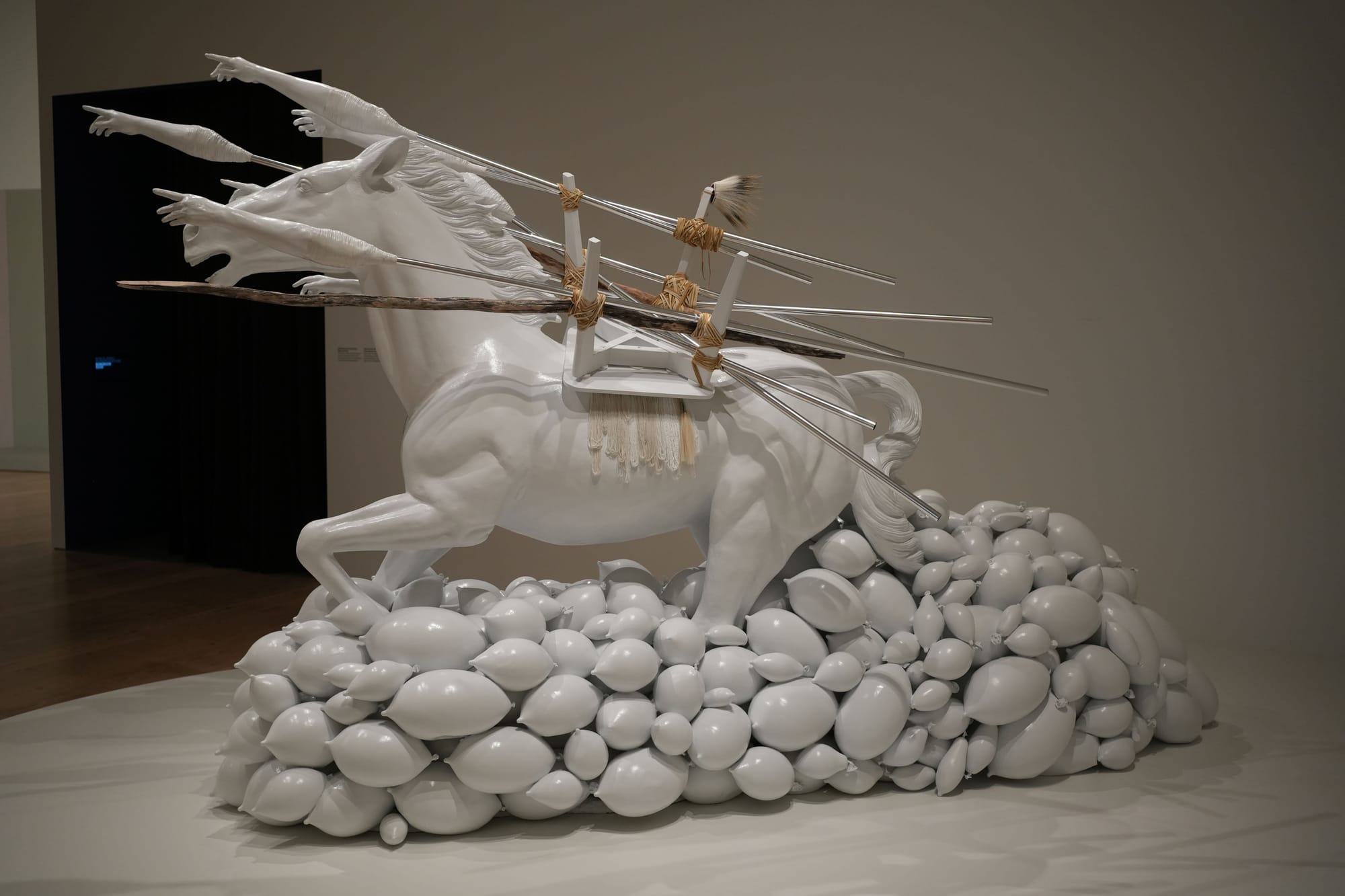
It was also a bit difficult to follow the thread of kekahi wahi and Bradley Capello’s “20-minute workout” (2023/26), in which performers do pilates next to Captain James Cook’s grave as stickers like hearts and dolphins float across the screen, and the wall text didn’t help much. I’m not sure it fits the biennial format, which doesn’t always favor sitting with a work to extract its nuances, and it’s a work-in-progress. And while I liked the idea of Anna Tsouhlarakis’s “SHE MUST BE A MATRIARCH” (2023) subverting the visual language of classical monuments, I think it’s hard to appreciate without the original — James Earle Fraser’s “End of the Trail” (1919) — for reference, and might just inadvertently resurrect its imagery.
What We Feel Ambivalent About: Make Me Feel Something
The overall feeling of this show is of numbness, exhaustion, overwhelm. Relatable, given the surreal friction between America’s outsize role in fueling global conflicts and the relative insulation of its public from its effects. So that’s certainly on the pulse — the job of a biennial — but is that where we ought to stop?
Many of the works in this show seem to suggest that quiet — at times, nearly private — gestures of care are the way through this moment. Take Kainoa Gruspe’s “welcome to here—doorstops” (2025), in which he forges fragments from sites of extraction in Hawai’i, such as United States military bases and resorts, into doorstops that metaphorically hold the door open for a hopefully reparative future. Or Jasmin Sian’s quite lovely works, in which she cuts found material like deli and pharmacy bags into plants and animals with lace-like delicacy, as if infusing tenderness into the detritus of our lives.
On the one hand, I believe in the fundamental worth of that intimate encounter between an artist and their materials. And it’s such a deeply optimistic premise — a belief in process, that the feeling an artist carries while making can somehow be transferred to the viewer, and that it can help the world. I want to believe it. I’m just not sure I do.