Lancia and Rallying
The long and storied history of Lancia will forever be associated with rallying. While the Italian marque’s early days saw it dip its toes in Formula One, it’s on the dirt where its motorsports career truly shone. It started with the Stratos, which was essentially a supercar with mudflaps, and its success was carried over by the 037. The 037 fended off the mighty Audi Quattro, becoming the last two-wheel drive car to give its manufacturer a constructor’s title in the World Rally Championship’s top division.
By the time the 037 retired from competition, the Delta had gained a performance derivative. Then, in the final event of the 1985 WRC season, Lancia put it straight to work as the Delta S4. Sadly, a tragic accident in the 1986 Tour de Course took the lives of Henri Toivonen and co-driver Sergio Cresto, eventually leading to the ban of Group B by the end of that year.
Lancia continued competing in the WRC under Group A regulations, and the Delta redeemed itself by being the most dominant car from the late-’80s to the early-’90s. The Delta Integrale gave Lancia six straight constructors’ titles from 1987 to 1992. Thanks to homologation rules at the time, a road-going version was made, further cementing its legacy outside of motorsports.
La
A Legend In and Outside of Racing
Several versions of the Delta Integrale were made over the years. There was the 8-valve model, followed by the 16-valve, Evoluzione, and the rarest and most desirable of them all, the Evoluzione II. As the road cars closely resembled the competition models, it allowed the Average Joe a taste of what the race car was like, and was a huge hit all over Europe. Think Lancer Evolution or WRX STI, but with Italian flair.
Inevitably, a good chunk have been modified, abused, or both. Finding a mint one of these days is no easy task, and the few that appear command a premium, especially the Evo and Evo II versions.
Lancia
A Fine (But Modded) Example
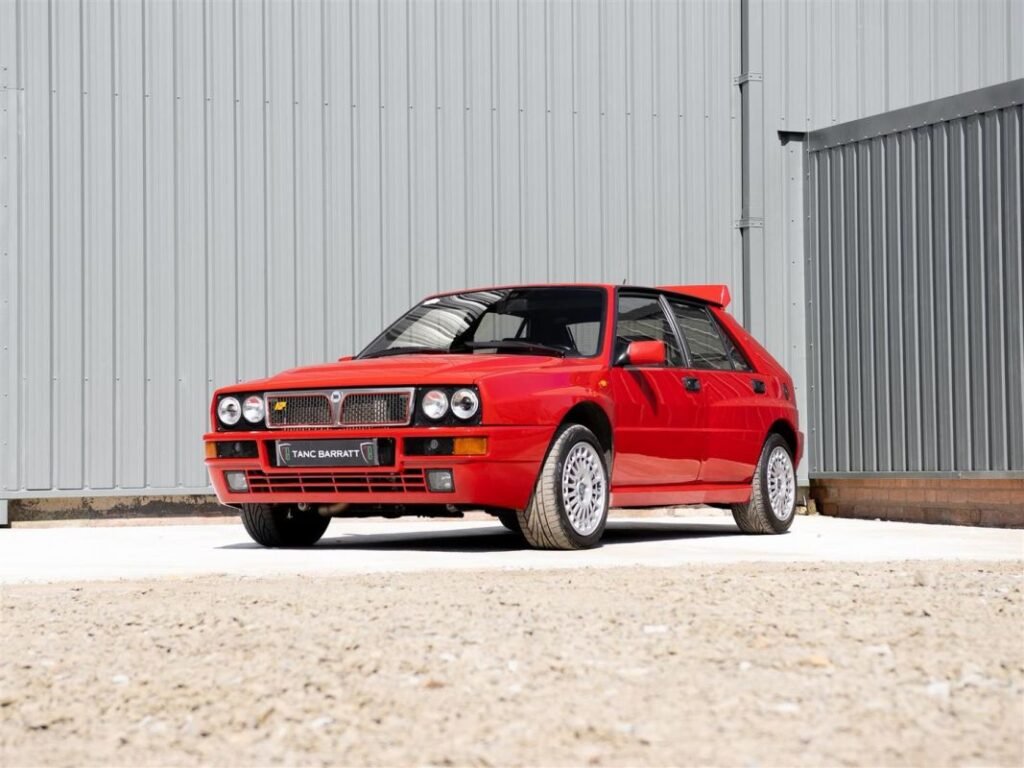
That brings us neatly to an auction on Pistonheads right now for an Evo model. From what we’ve observed, Evo models range from just under $60,000, but never really go beyond $80,000, regardless of stock or modded. For reference, Evo II Delta Integrales can easily reach $100,000.
This particular example is on the higher end of the scale with a current list price of £70,000. Converted to U.S dollars, that’s a whopping $93,000 at the time of writing, and it’s not even totally original. It’s been modified to make over 100 hp more than the standard version.
Pistonheads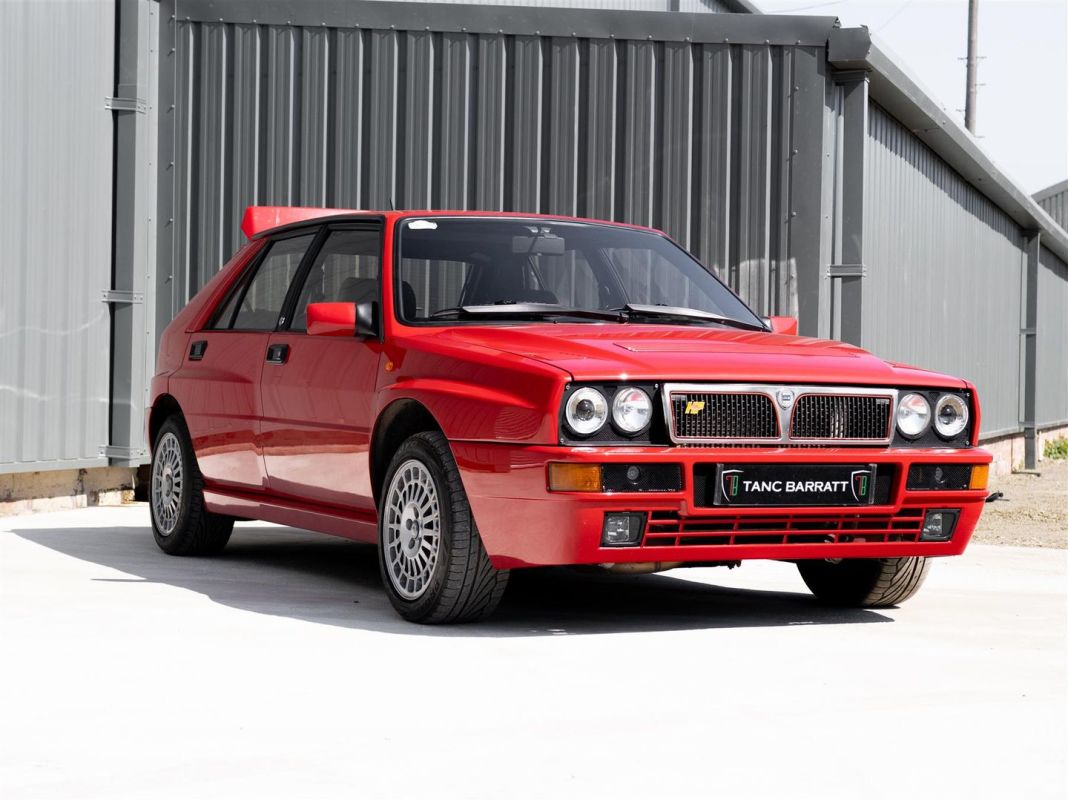
Worth its Asking Price?
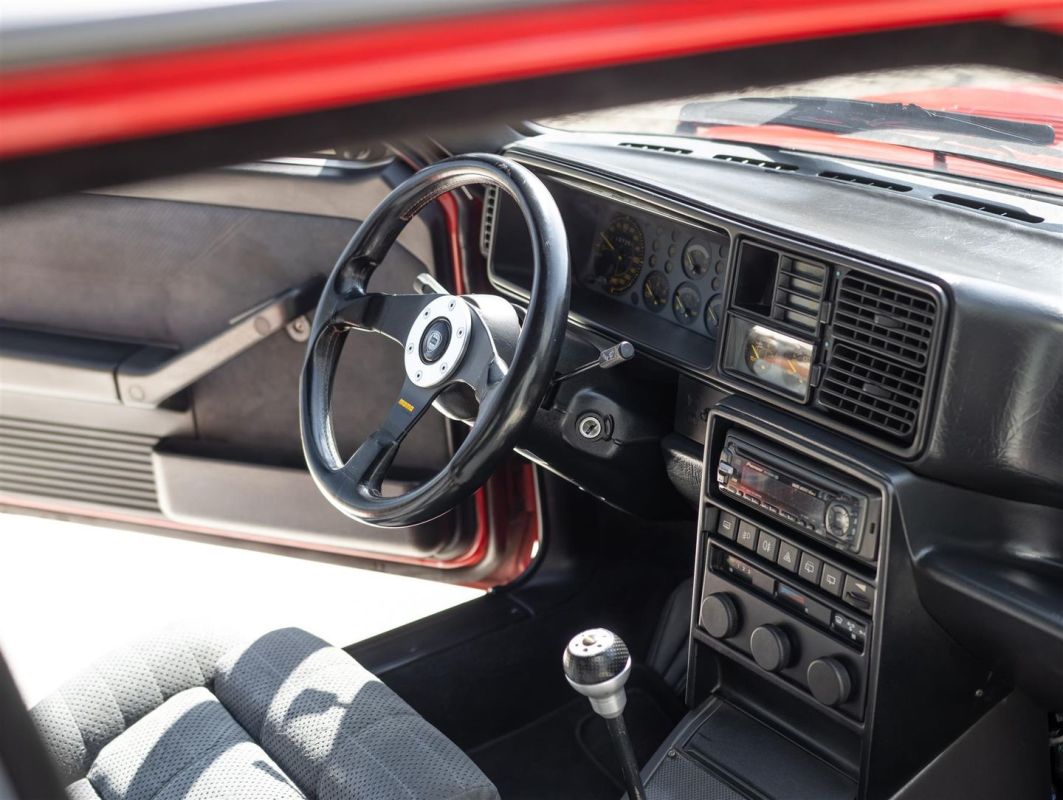
So, what does a $93,000 Delta Integrale Evoluzione get you? It’s on forged internals, for starters, along with larger injectors, a larger stainless steel exhaust system, plus a bespoke dyno tune. The seller claims that it puts out 320 horsepower, which is 113 more than the stock model (207 hp). As for the suspension, it rides on Bilstein B6 dampers with the standard springs in place. Mileage is just at 85,283 — low considering its age and the fact that these cars were meant to be driven daily.
It’s modded, but it’s not an all-out crazy build. That said, those who value preservation over originality will likely scoff at it and its asking price. We’re pretty sure those mods didn’t come cheap either, and its list price sounds like it covers the work done on it. Either way, Over $90,000 for a Delta Integrale Evo is a serious amount of cash, whether stock or modified. In the end, though, it’ll be worth what its next owner says. Besides, it’s hard to pin down the exact price for an emotional purchase.
Pistonheads
Pistonheads