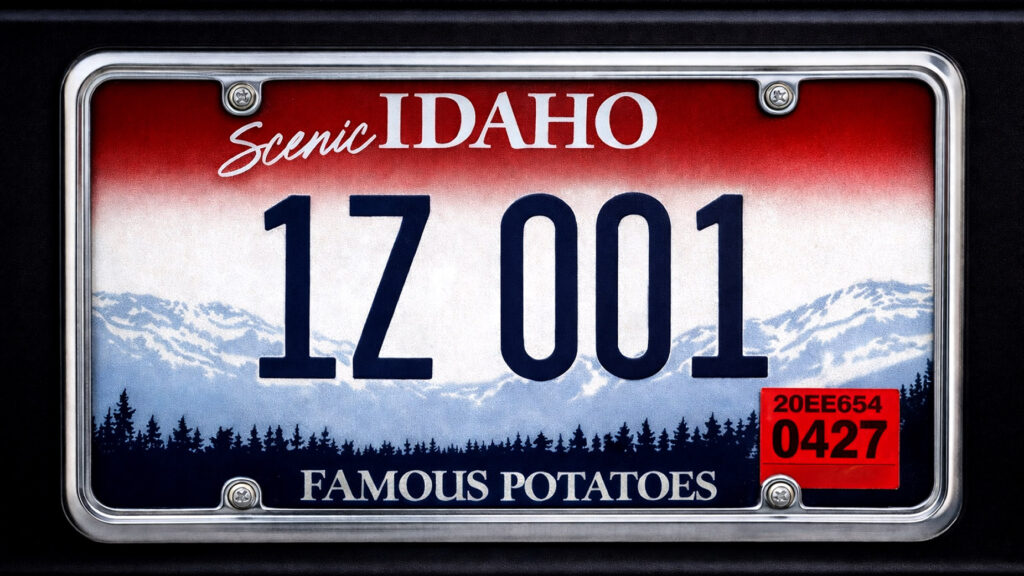
- Starting July 1, 2026, Idaho will stop requiring stickers.
- Lawmakers say digital plate checks made them redundant.
- The change should save the state about $300,000 in costs.
Sometimes it’s the smallest things that can make a huge impact. For the state of Idaho, the tiny little registration stickers on the back license plate of each car are about to go away, and as a result, the state says it’ll save so much money that it could buy its own supercar. The bill behind this change just became a law and goes into effect later this year.
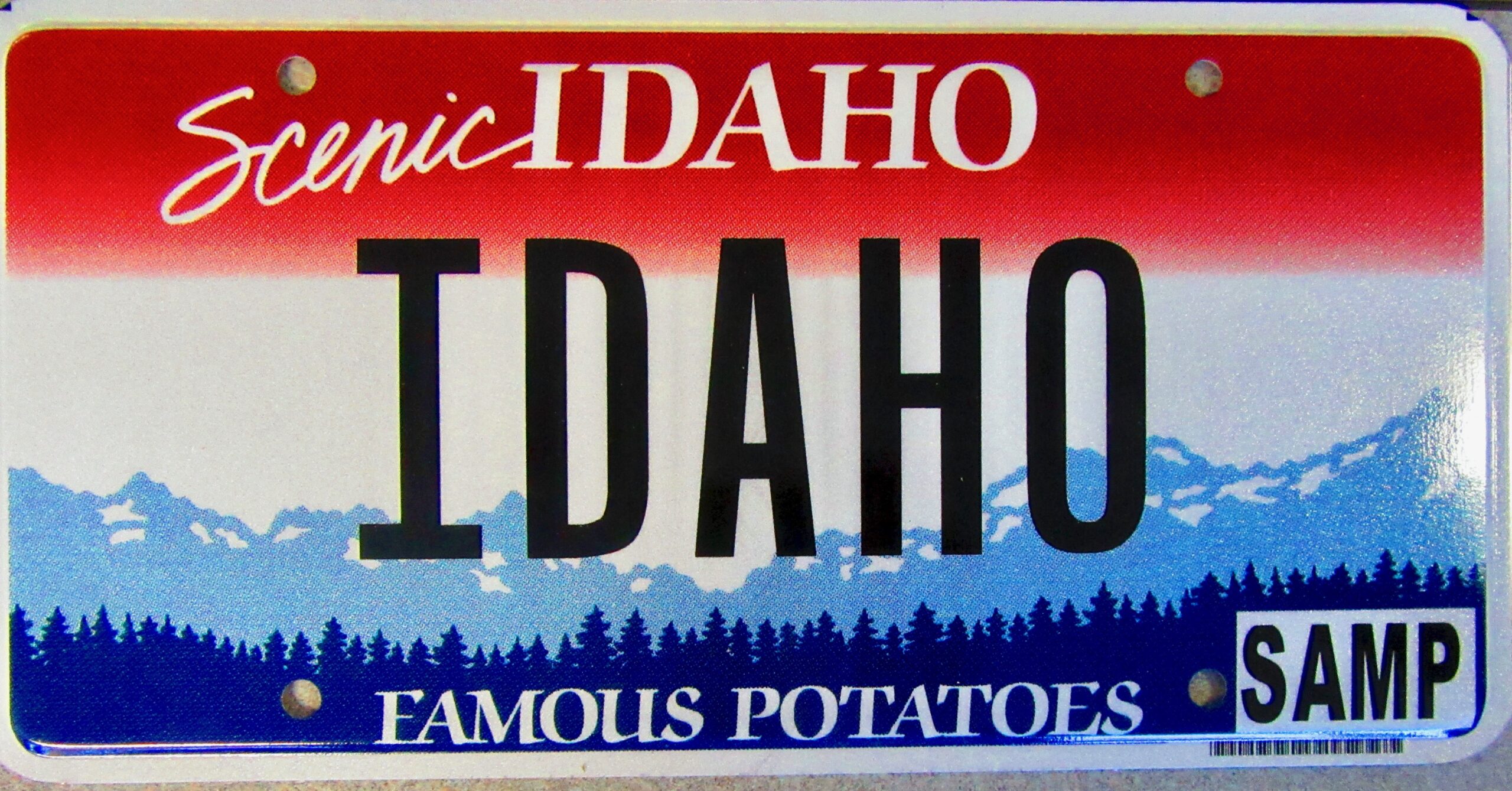
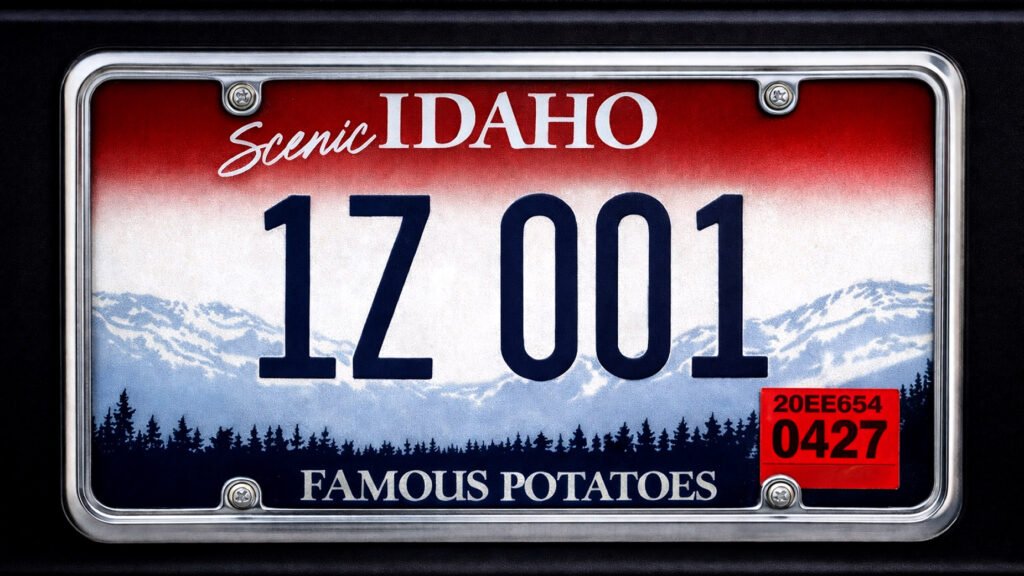
Governor Brad Little has signed House Bill 533 into law, eliminating the statewide requirement for vehicles with Idaho plates to display registration stickers. Once the law takes effect on July 1, 2026, drivers will only need a valid license plate and an up-to-date registration on file with the state to remain compliant.
Police Databases Make Stickers Obsolete
For decades, those small colored stickers served as a quick visual cue for law enforcement and parking officials, signaling whether a vehicle’s registration had expired. But according to East Idaho News, lawmakers behind the bill say the practice is out of date.
Read: Congress Could Kill Three-Wheelers Like The Polaris With One Line Of Legal Fine Print
That’s thanks to modern technology. Bill sponsor Rep. Jon Weber argued that police already have instant access to registration records simply by running a plate through their in-car systems.
Sure, police could easily pinpoint an out-of-date car by looking at the sticker, but here’s the kicker. Automatic license plate readers, like the ones that many Idahoan police departments already use, do it for the officer without any intervention. Even officers without ALPR systems in their vehicles can still retrieve the same registration data within seconds.
Can Removing Stickers Save Money?
To that end, these stickers are largely redundant, so the state is ditching them for good. The legislation also comes with a modest financial upside. By eliminating the production and distribution of the stickers, the state expects to save roughly $300,000 in materials and administrative costs.
While it may seem like a small change, it reflects a broader shift in how states manage vehicle compliance. Starting next summer, Idaho drivers can expect their plates to look just a little cleaner.
Credit: KMVT