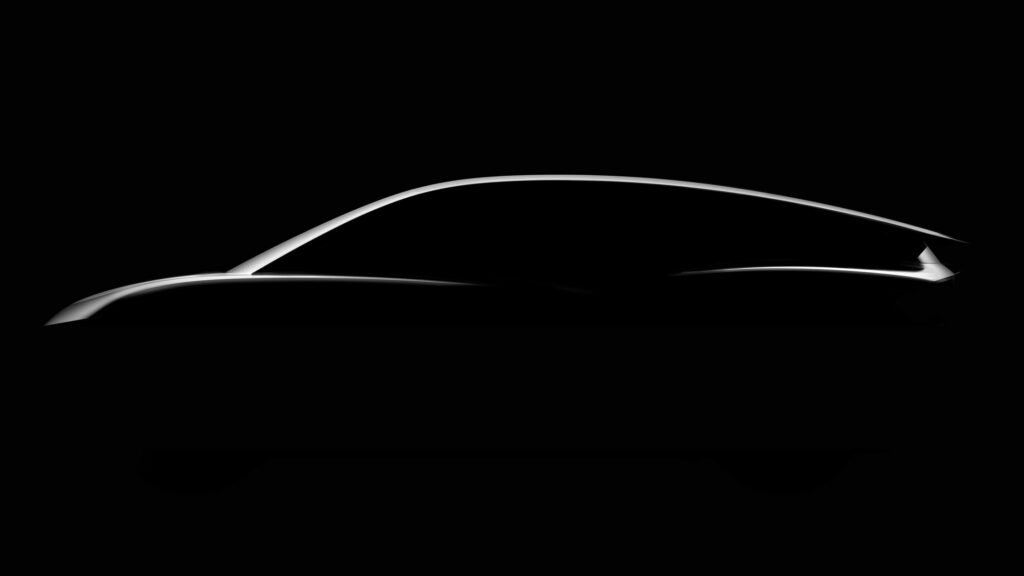
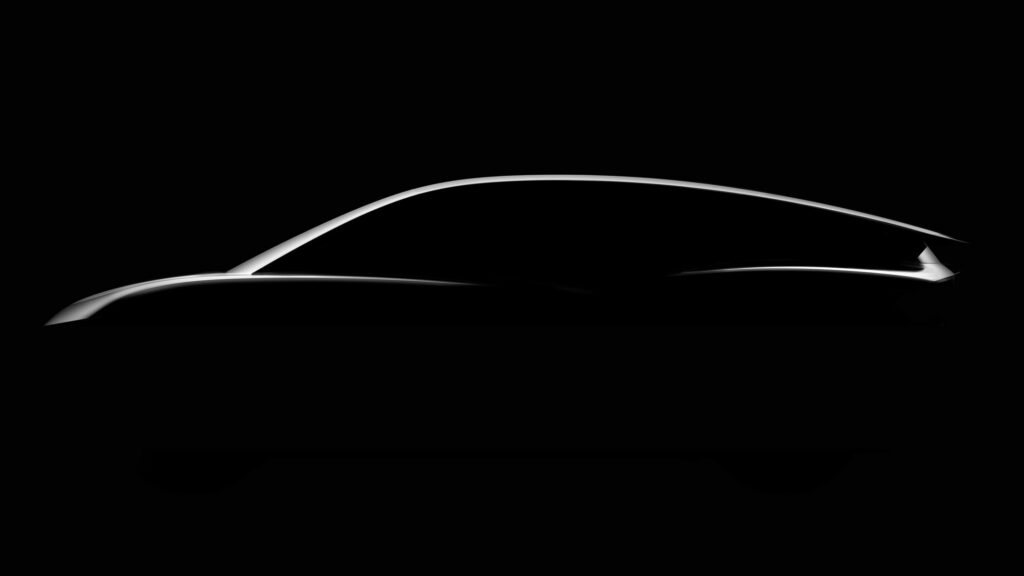
- Lucid previewed a midsize EV platform for models under $50K.
- Cosmos and Earth lead the lineup, with more variants ahead.
- The new architecture is central to lowering EV production costs.
Lucid’s investor day made a serious splash in several ways. The automaker confirmed that autonomy subscriptions are coming, it’s kicking off a robotaxi program, and it’s launching Android Auto and Apple CarPlay. None of that might be as immediately impactful as the new revelations concerning the brand’s midsize platform and the cars it’ll spawn.
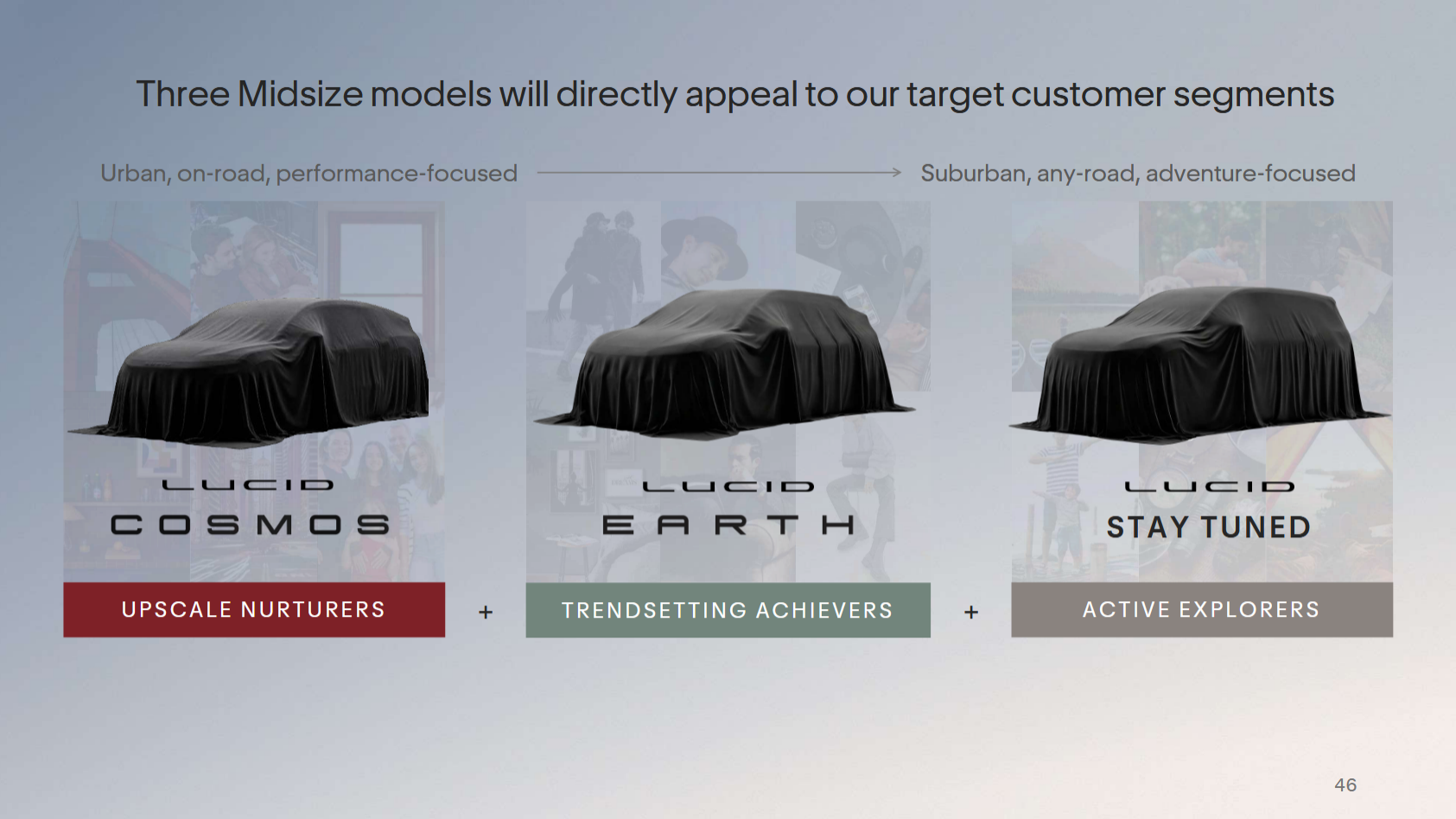
According to Lucid, the midsize platform will support several vehicles. That was already known. What we didn’t know was just about everything else. The first two cars on this platform will be named the Cosmos and the Earth. Both will sit below the Gravity and Air in terms of lineup position and pricing. A third model will come online later, though there are no details on its name just yet.
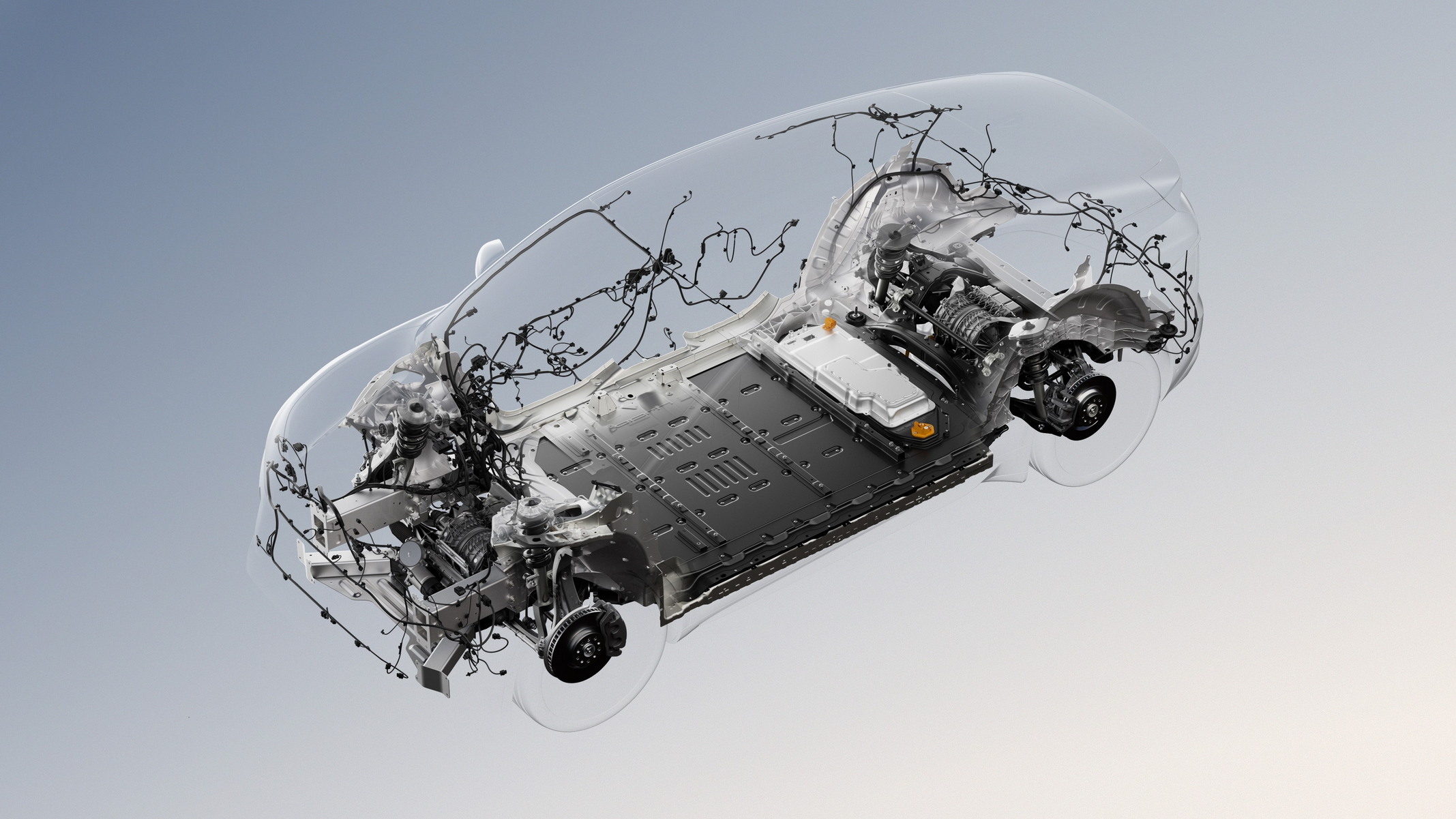
Lucid says the new platform keeps the same core philosophy as its current cars. That means high efficiency, strong performance, and lots of interior space, but with a much greater focus on cost reduction. Engineers redesigned the vehicle architecture to use fewer parts, smaller battery packs, and simpler manufacturing processes, all of which should lower production costs while maintaining range and performance.
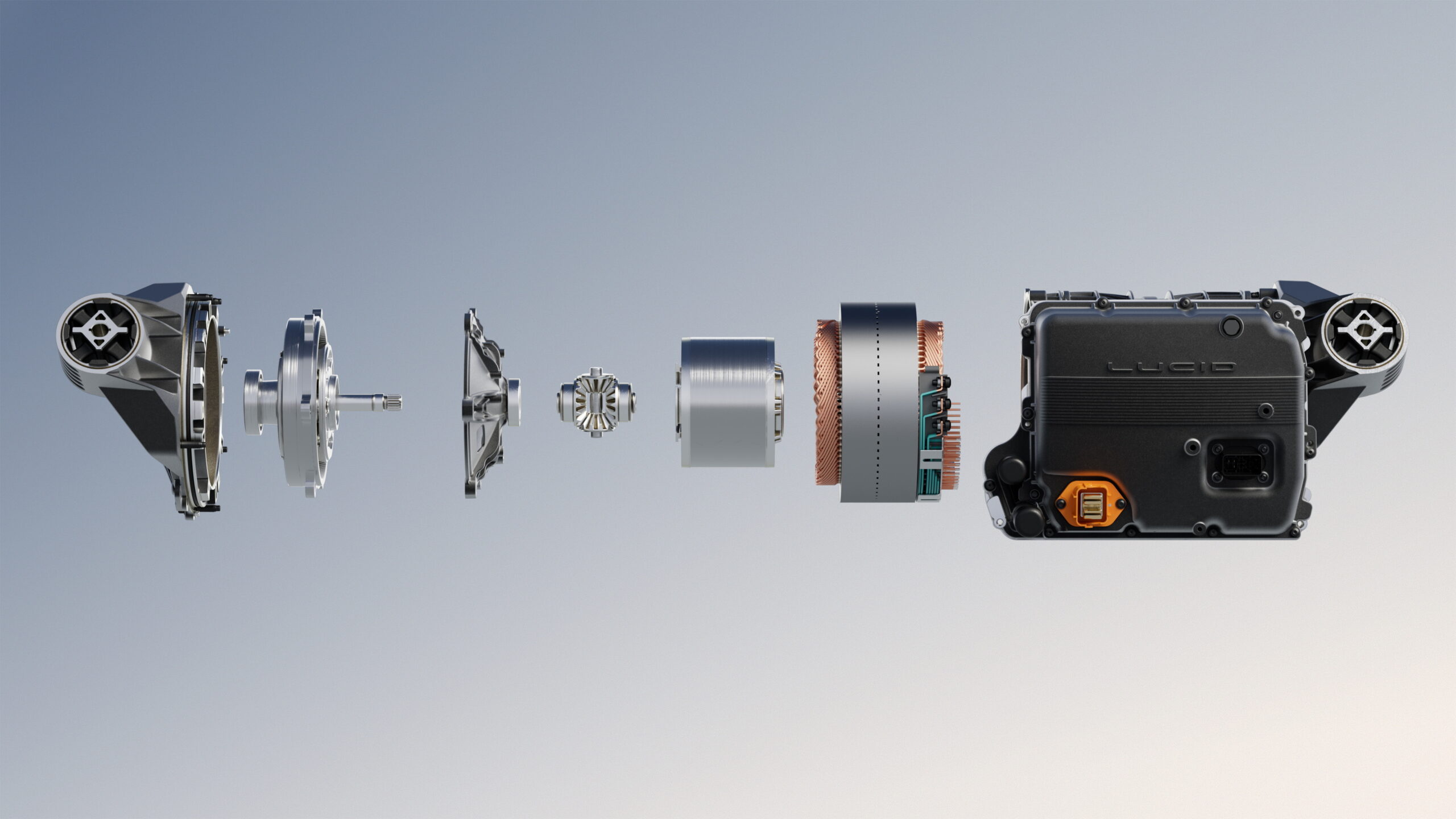
Atlas Electric Drive Unit
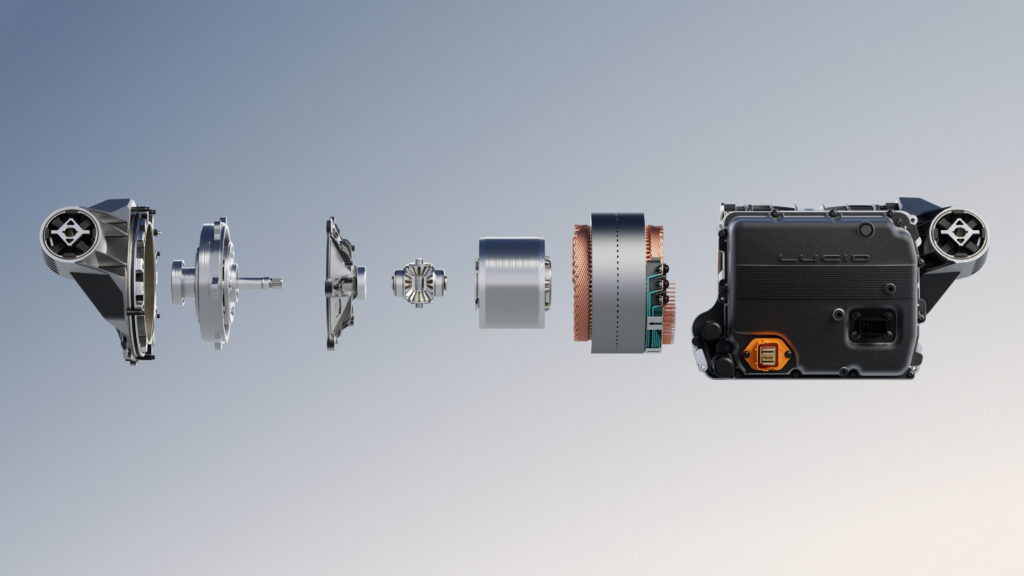
One of the biggest changes is a new electric drive unit called Atlas, which Lucid says is smaller, lighter, and cheaper to build than the current motor used in the Air and Gravity. The company claims the design has more than 30 percent fewer parts and significantly lower material cost, helping reduce the overall price of future vehicles.
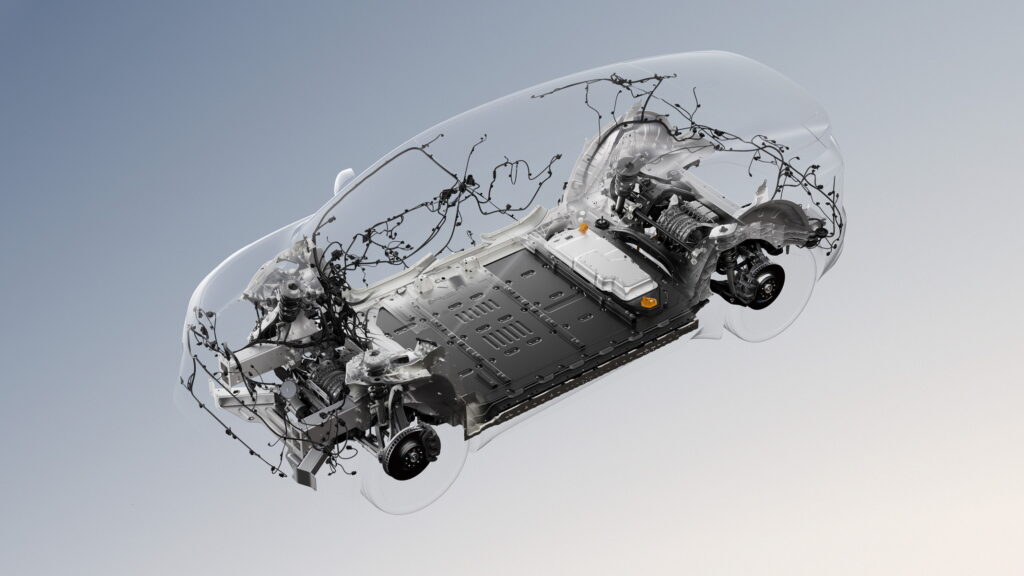
Battery size is another area where Lucid expects savings. Because the company focuses heavily on efficiency, it says its midsize vehicles can achieve the same range as competitors while using smaller battery packs, which remain one of the most expensive components in any EV. That alone could cut thousands of dollars from the cost of each vehicle.
Pricing And Production Strategy
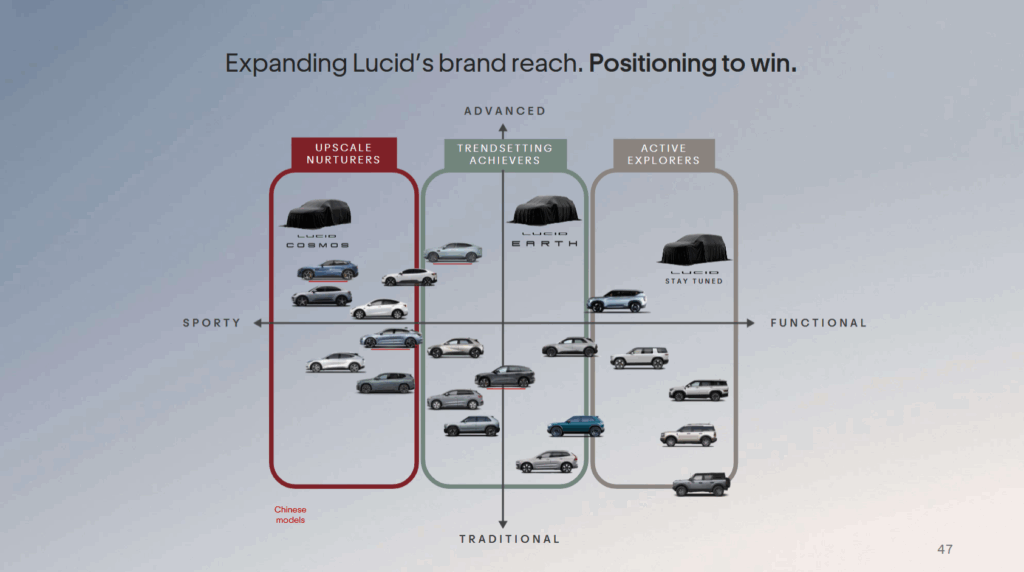
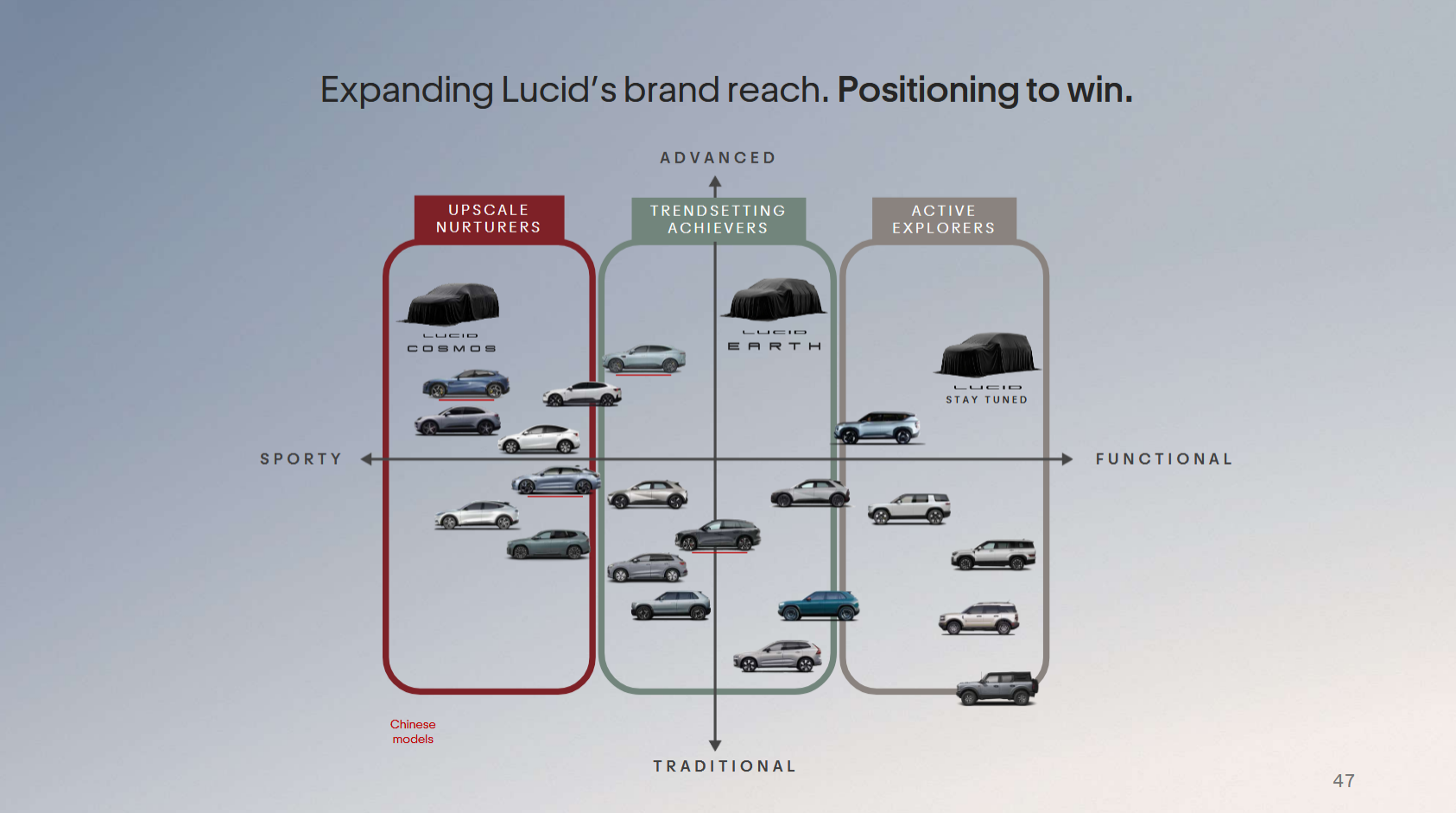
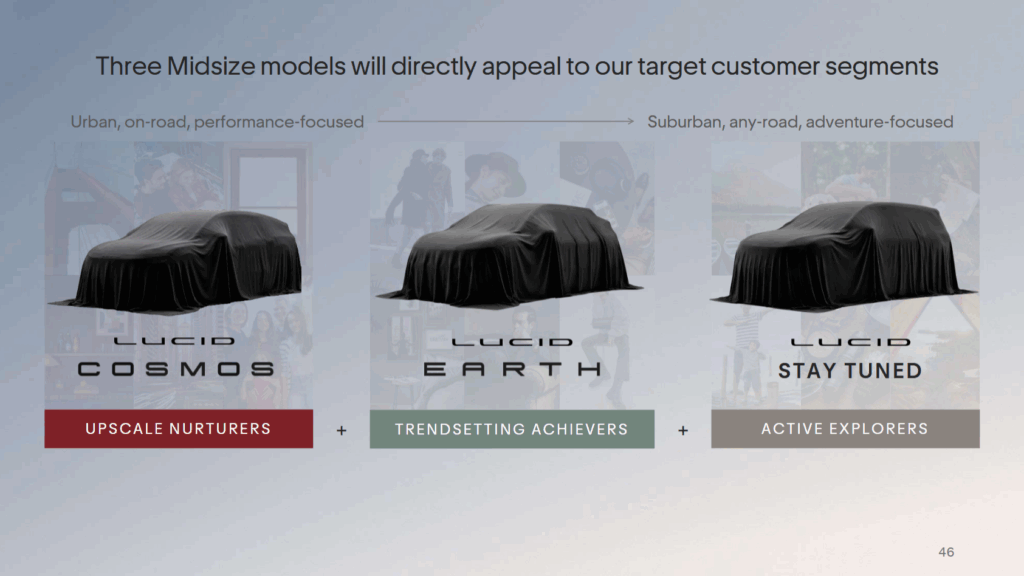
Lucid tells investors that the Cosmos and Earth will appeal to adventure-seekers. That’s a buzz term these days, but it’s worth looking at how the brand sees these products in the greater market. In a slide featuring a graph of “sporty to functional” and “Advanced to traditional,” it plotted each of its three upcoming midsize offerings.
More: Lucid Shows Its Pedal-Free Future As It Confirms Subscription For Its Current Cars
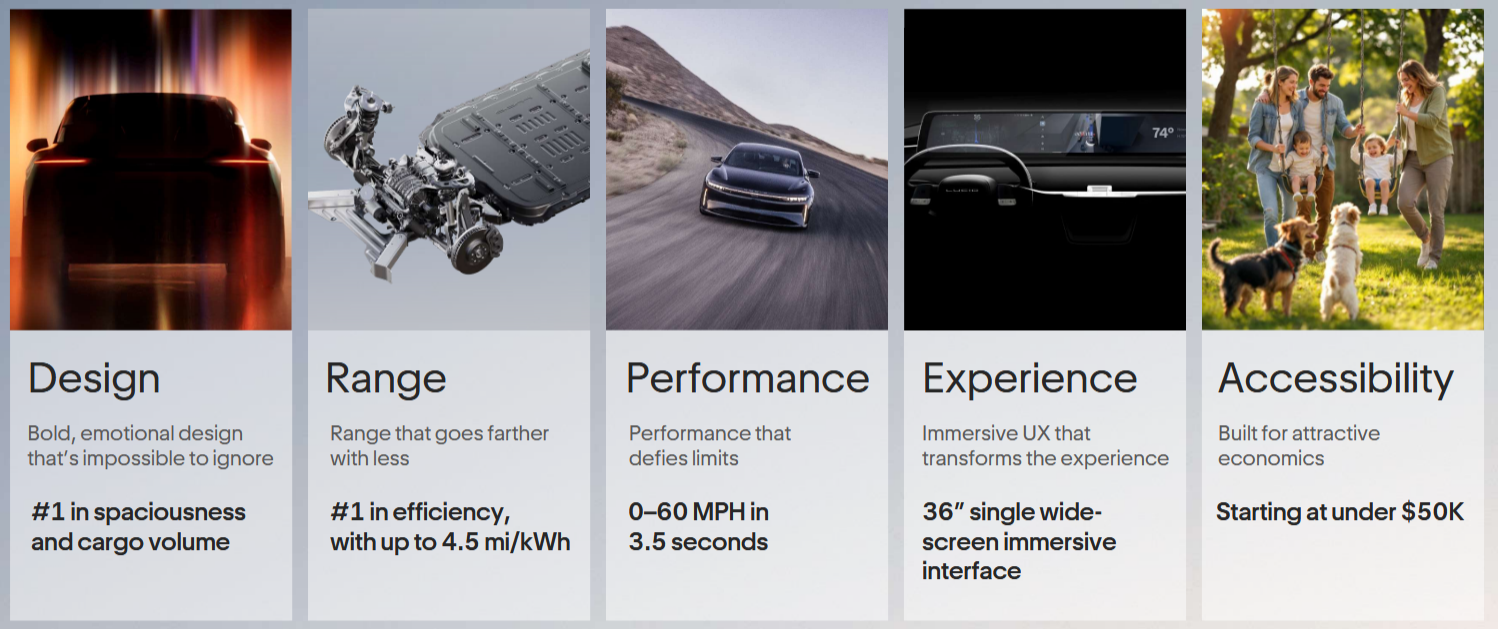
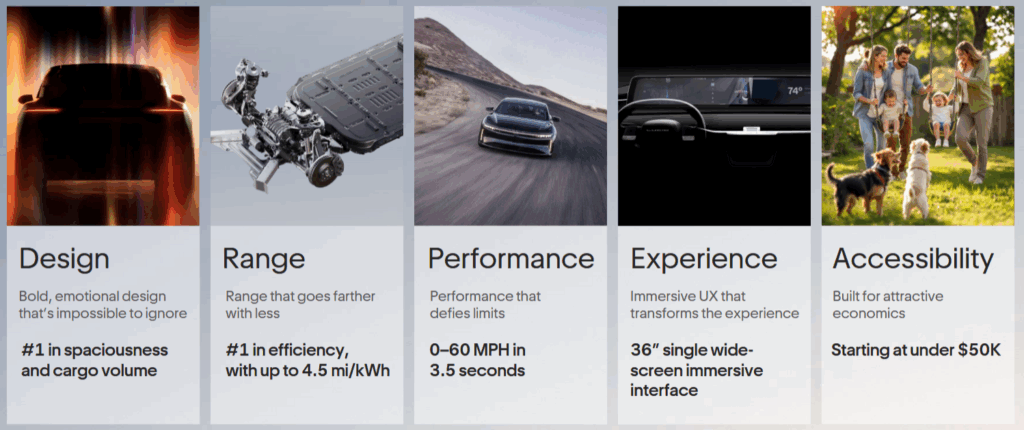
The Cosmos is slated to be the performance vehicle in the fleet. Lucid places it high on “advanced and sporty” in its graph that appears to feature some very strange cars around it. Lucid claims a 0-60 mph time of 3.5 seconds or less. The Earth appears just as advanced in the company’s presentation but leans more toward the functional side of the spectrum.
The unnamed third Lucid model will be the most functional of the bunch and about as far from sporty as it can get. Will that be a van then? Only time will tell, but it does look quite large.
That said, expect vehicles on the platform to start at under $50,000 once available. It’s unclear at this point when those models will arrive. If Lucid does things the same way it did with the Gravity and Air, the expensive top trims will drop first with the lower-cost options showing up much later.
A Giant Role
Earth and Cosmos might sound like names that are too big for their britches, but for Lucid, they’re fitting because these cars and this platform could be what makes or breaks the brand. The company’s robotaxi plans rest on the architecture, as do its autonomy hopes. That includes monthly subscriptions, which are what the brand calls the best monetization opportunity ahead.
In addition, by moving into lower price segments and sharing components across multiple models, the company expects to increase production volume, reduce costs, and generate the kind of margins it hasn’t been able to achieve with low-volume luxury cars alone.
If the plan works, Lucid’s future lineup will look very different from today’s. Instead of just a high-end sedan and SUV, the brand could soon have a full range of vehicles, from premium luxury models to more affordable EVs, plus autonomous variants built for ride-hailing fleets.