- Global EV sales fell by 11% in Feb, and are down 8% year-to-date.
- Europe surged 21%, but the biggest region, China, suffered a 26% drop.
- Carmakers and suppliers are now moving into energy storage systems.
Electric cars were supposed to take over the world in a neat upward line. Instead the global EV market and new-vehicle buyers threw in a curveball and carmakers are scrambling to adapt.
Approximately 1.1 million electric vehicles were sold worldwide in February, according to new data from Benchmark Mineral Intelligence, which sounds impressive until you look closer. Sales were down 11 percent compared with the same month last year and also down 11 percent compared with January.
Related: These Used EVs Are Selling Faster Than Gas Cars In Today’s Market
So yes, EV demand is still big. But it’s not as big as it was, and it differs wildly from region to region. Europe, for instance, is still booming. EV sales there are up 21 percent so far this year, helped heavily by subsidies and government incentives. Germany (up 26 percent) and France (+30 percent) are leading the charge, and Italy’s market has nearly doubled thanks to generous EU backed incentives.
Ford’s Tough Time
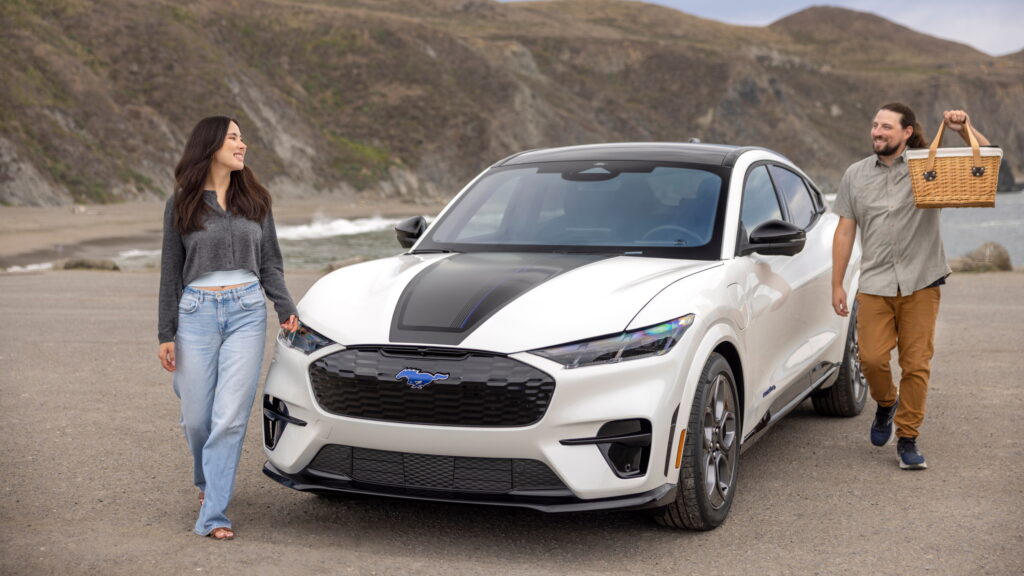
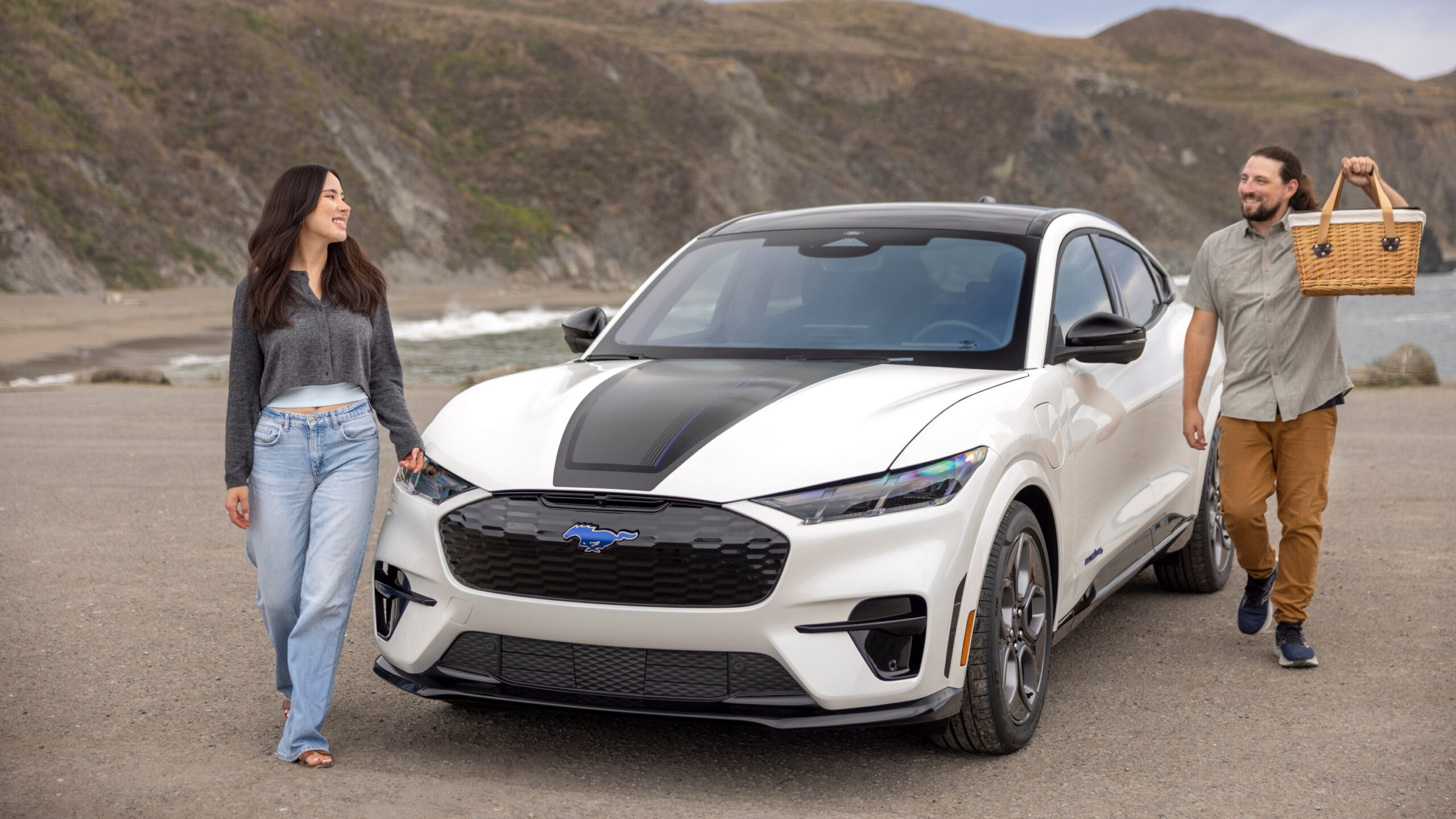
Meanwhile, North America is heading the opposite direction. True, February sales climbed 8 percent, but year-to-date they’re down a staggering 36 percent as demand weakens. Some automakers are feeling the pain more than others. Ford’s EV sales have reportedly dropped 70 percent so far this year.
China, still the biggest EV market, is somewhere in between. Domestic EV sales are down 26 percent since the start of the year after the country reintroduced purchase taxes and tweaked its trade in incentives. But Chinese brands are making up for that by exporting more EVs than ever. In the first two months of 2026 alone, Chinese EV exports more than doubled and topped half a million units.
EV Sales Jan-Feb 2026
SWIPE
Benchmark Minerals
For automakers the slowdown creates a practical problem. Billions have been invested in battery factories designed to feed a huge wave of EV demand. And when that demand softens, those batteries still need a job.
That’s why more automaker and suppliers are turning toward energy storage. Large grid scale battery systems are suddenly becoming a convenient way to soak up spare production while also helping stabilize electricity networks.
VW Hooks Up
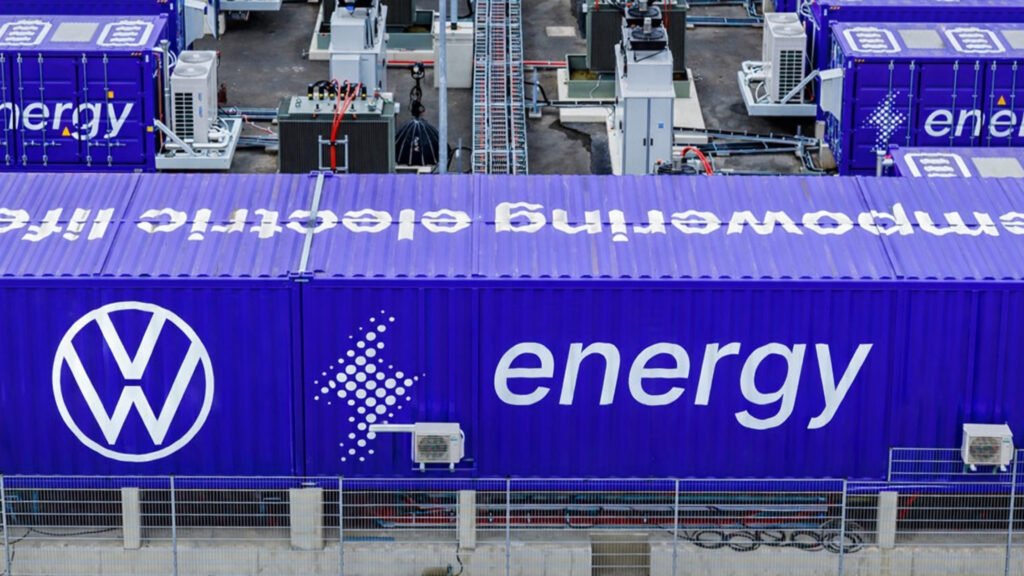
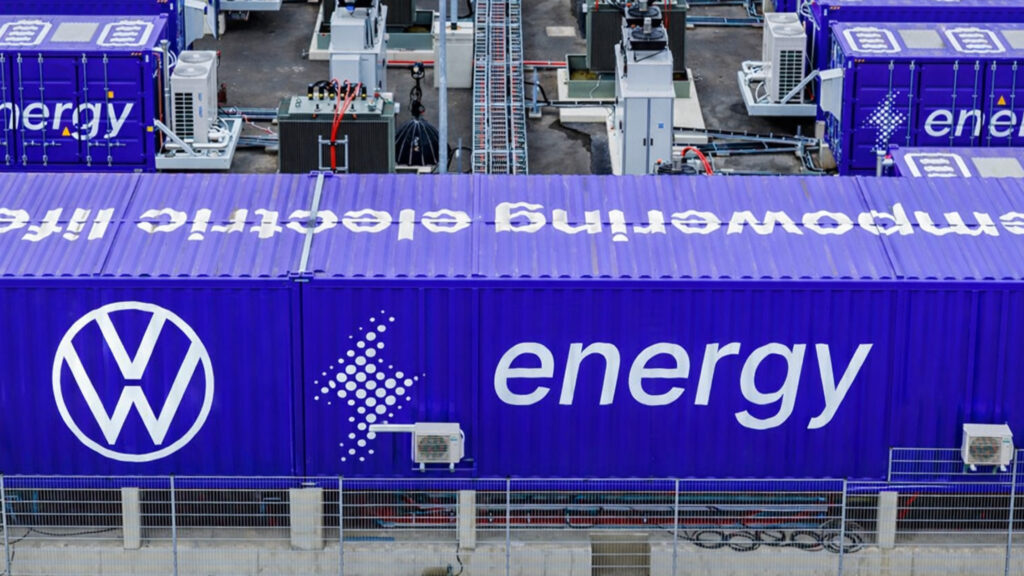
Volkswagen, for example, recently switched on its first large scale battery storage facility in Germany. In Salzgitter, the VW Group’s energy subsidiary Elli has connected a storage system to the grid with an output of approximately 20 megawatts (MW) and a storage capacity of 40 megawatt-hours (MWh).
Instead of powering cars, the batteries help store renewable electricity and release it when the grid needs extra juice. Other automakers including Tesla, BYD, GM, Ford, Renault, Mercedes and Hyundai are also either already selling energy storage systems or working on them.
VW