When Power Meets a Troubled Reputation
BMW’s N63 V8 landed in 2008 with a lot to prove. This 4.4-liter twin-turbo brought the brand’s first “hot-V” layout, tucking the turbos right inside the engine’s V for sharper response and tighter packaging. The result? Strong performance, a smooth surge of power, and that deep, unmistakable exhaust note you expect from a proper turbo V8.
Depending on the version, the N63 put out anywhere from 402 to 500 horsepower. It found its way into just about every big BMW of the era – the 5, 6, and 7 Series, plus the X5 and X6. Even a few Land Rovers ended up with their own spin on this engine.
But for all its promise, the early N63 quickly earned a reputation as one of BMW’s most headache-inducing engines. Owners complained about everything from heavy oil thirst and failing turbos to leaky valve stem seals, coolant leaks, injector drama, and timing chain woes. The issues piled up so fast that BMW had to roll out special support programs just to keep owners on the road.
BMW did try to fix things with later N63TU “Technical Update” versions, which ironed out some of the worst flaws. Still, the original N63 is infamous among mechanics and enthusiasts alike – especially when you find one like this, pulled from a well-used 5er with over 100,000 miles on the clock.
A 2012 BMW 550i GT Engine Autopsy
This particular teardown engine came from a 2012 BMW 550i GT with about 141,000 miles, which was incredible considering this V8’s reputation. At that point, replacing the engine would have cost more than the car was worth, so it was sent to the scrapyard – and the engine was pulled for a closer look.
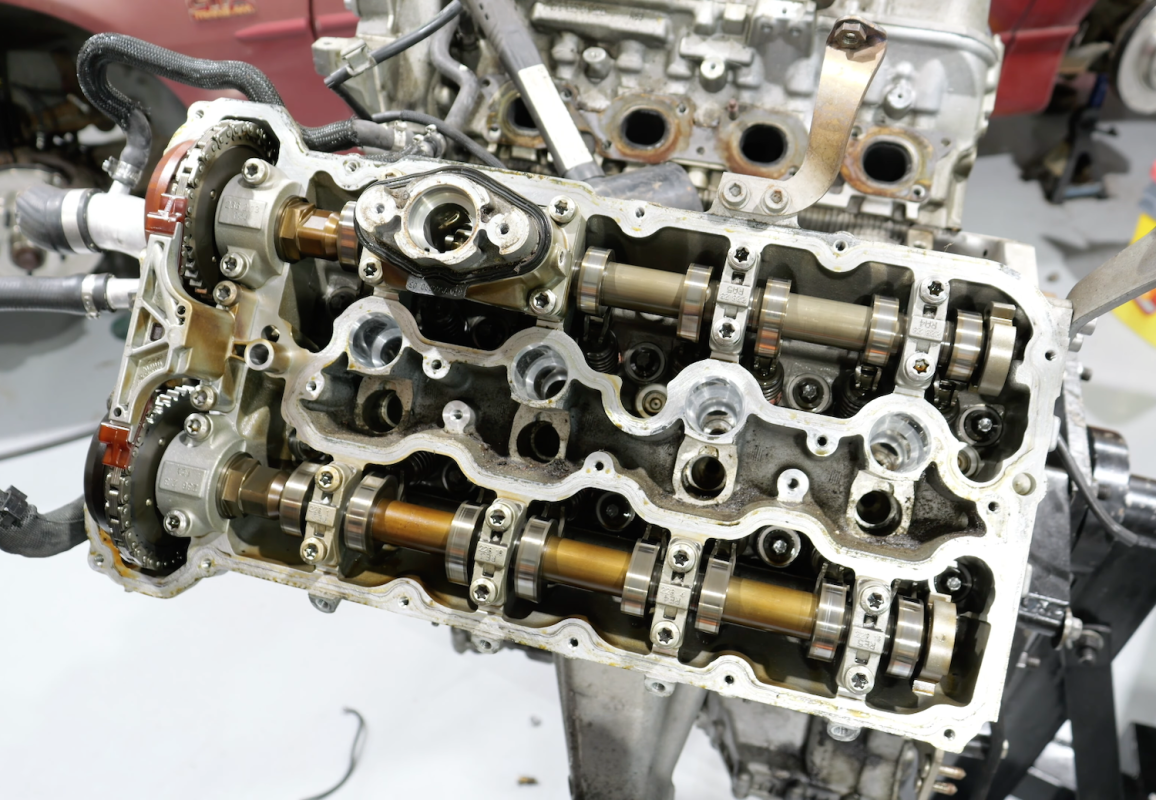
At first, the engine didn’t look totally neglected. A few hoses and parts had been swapped out, hinting at past repair attempts. The turbos looked original but still spun without complaint. But the real story only came out once the teardown began.
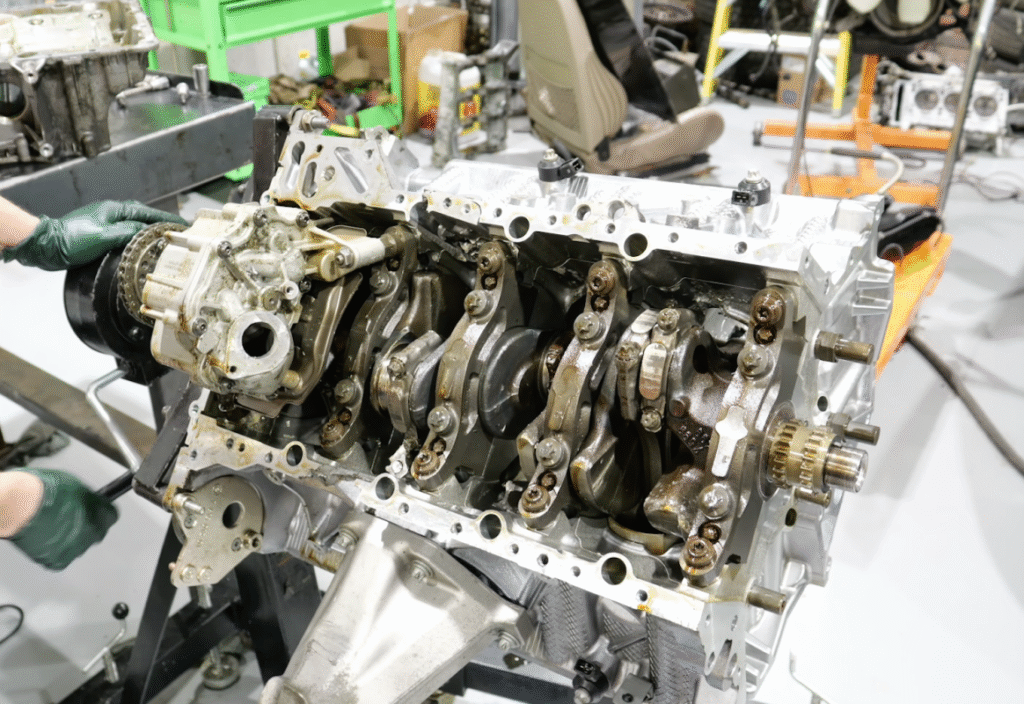
The first big clue showed up with the spark plugs – one had been hammered flat by a piston. Pulling the heads revealed the real carnage: one cylinder was missing its piston entirely, with bits scattered everywhere. Another piston was cracked and had gouged the cylinder walls, while a third looked like it had slammed into the head after a bearing let go.
Things got uglier at the bottom end, with the oil pan full of broken rods, shredded bearings, piston chunks, and bits of aluminum. Some pieces were jammed right into the block. Aside from a few odds and ends, almost everything inside was a total loss.
I Do Cars/YouTube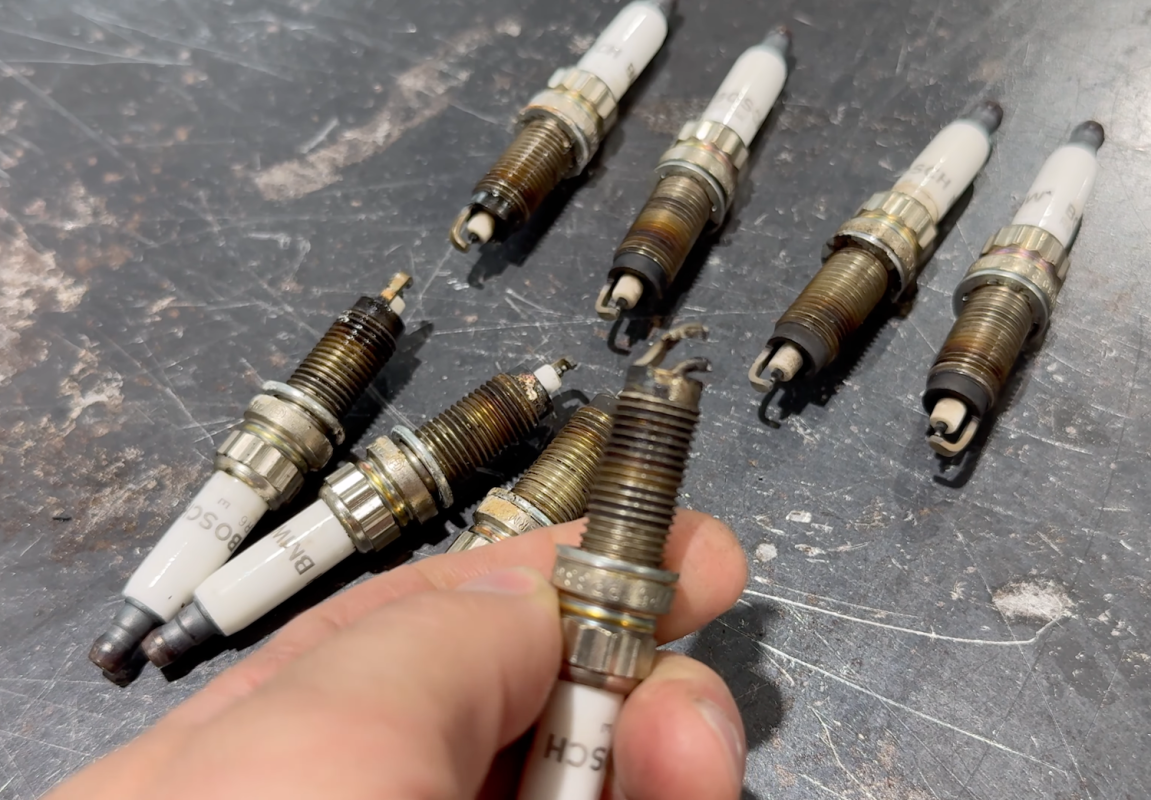
The Problem with the N63
Teardowns like this usually trace back to the N63’s Achilles’ heel: the oiling system and rod bearings. Lose oil pressure, and the bearings wear out fast. Once that happens, the rods start to wobble, pistons shatter, and the whole bottom end self-destructs. Add in the usual suspects – valve stem seal wear, turbo heat soak, carbon buildup from direct injection, and injector failures – and you’ve got a recipe for trouble.
Later updates fixed a lot, but ask any owner or tech and they’ll tell you: keeping an N63 alive comes down to maintenance.
Frequent oil changes – think every 5,000 miles, not the factory interval – are a must. Stay on top of leaks, clean out carbon, and keep an eye on the high-pressure fuel pump and water pump to avoid bigger headaches down the road.
I Do Cars/YouTube