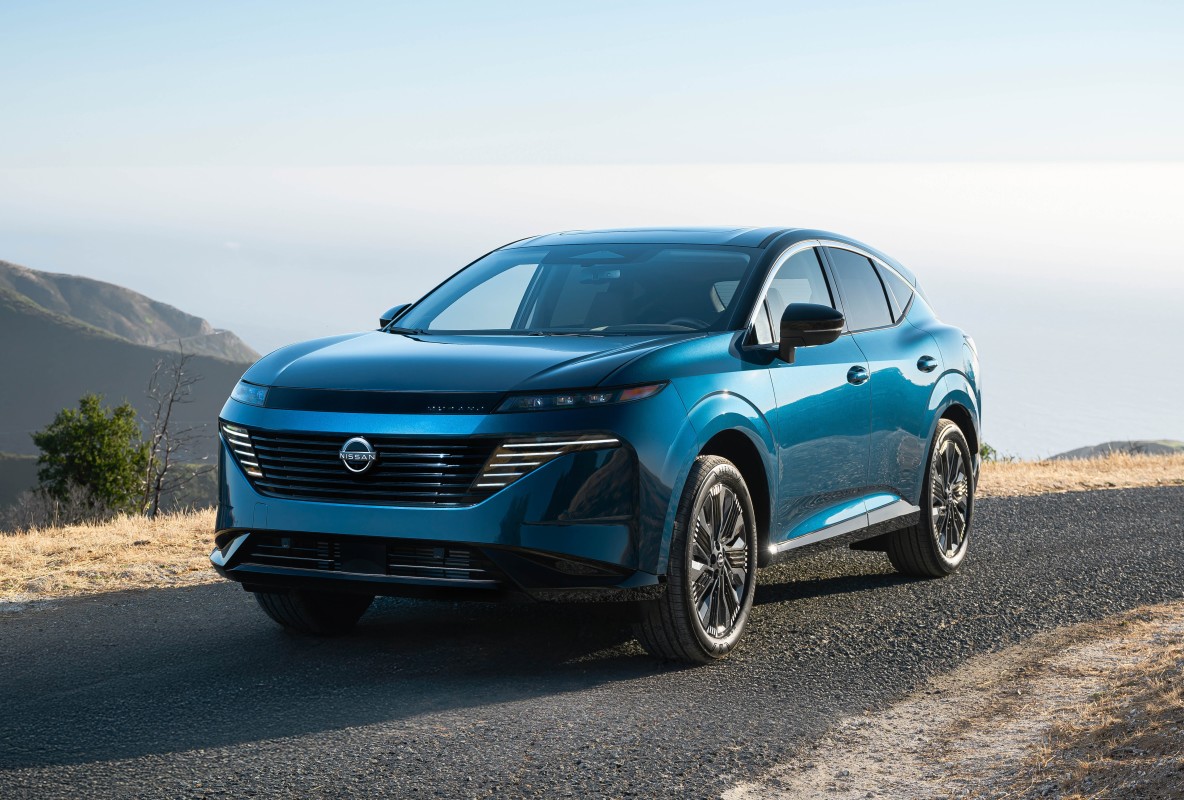
Nissan has announced that its Murano SUV, built right here in the United States, will be sold in Japan early in 2027. Nissan is one of a growing group of Japanese automakers taking advantage of new certification rules for U.S.-built vehicles, making it possible to sell left-hand-drive vehicles in Japan (a right-hand-drive market) without any changes. A boost in Japan sales will help to balance the strain of U.S. tariffs, but some industry analysts question how popular U.S.-spec models like the Murano will be in Japan.
Related: I Drove the 2026 Nissan Murano Platinum. Here’s My Review
Nissan Follows Honda and Toyota’s Lead
Nissan
Late last year, Toyota said it would be shipping locally built Camry, Highlander, and Tundra models to Japan. The Highlander and Tundra were particularly surprising options, given the demand for tiny kei cars in that region. Then, just a few weeks ago, Honda confirmed it would export the Acura Integra Type S and Honda Passport TrailSport Elite to Japan.
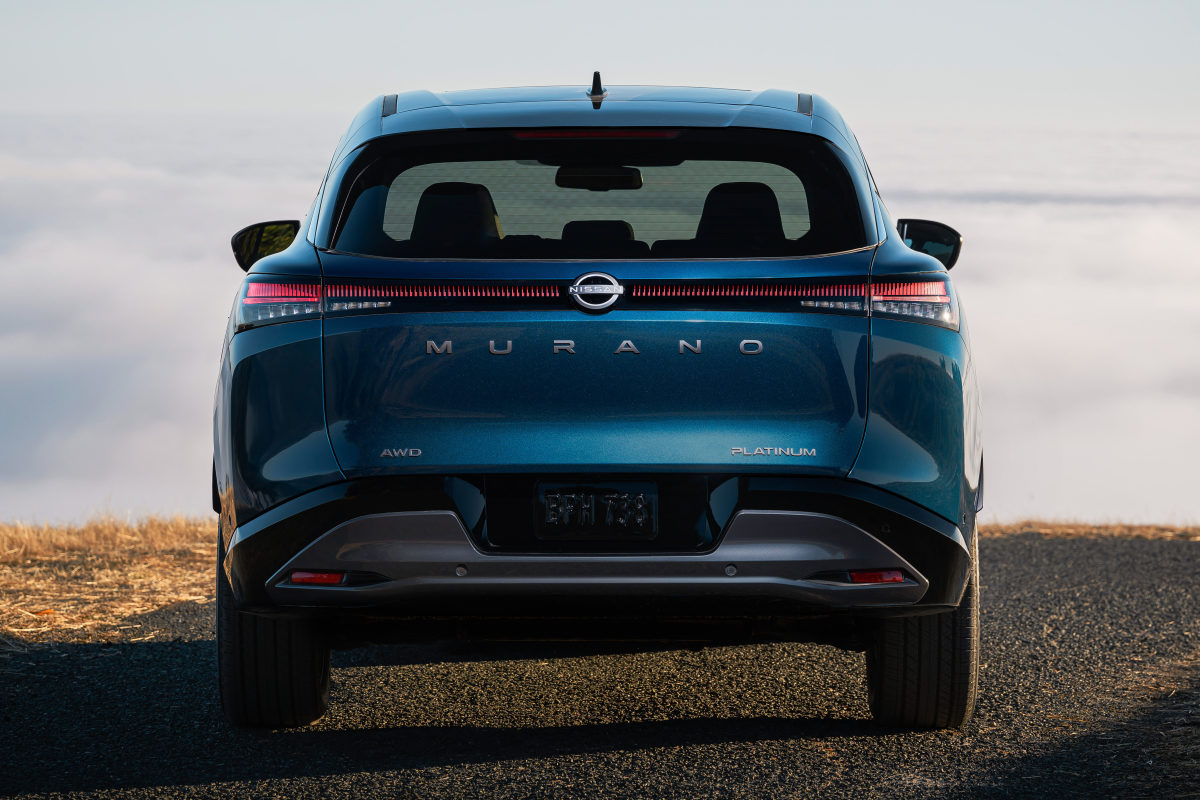
Like Nissan, Toyota and Honda hope that the novelty of these U.S. models will appeal to a small but passionate niche market in Japan. The new Murano is manufactured at the Nissan North America Smyrna plant in Tennessee. This will be the first time an American-made Nissan model is sold in Japan since the 1990s.
Nissan
“I’m excited to share with you that Murano is coming back to Japan,” said Ivan Espinosa, Nissan’s president and CEO. “The Murano has earned high praise from customers in the U.S. market for its elegant design and exceptional comfort. With the introduction of this model, Nissan aims to further strengthen its product lineup in Japan and meet the diverse needs of Japanese customers.”
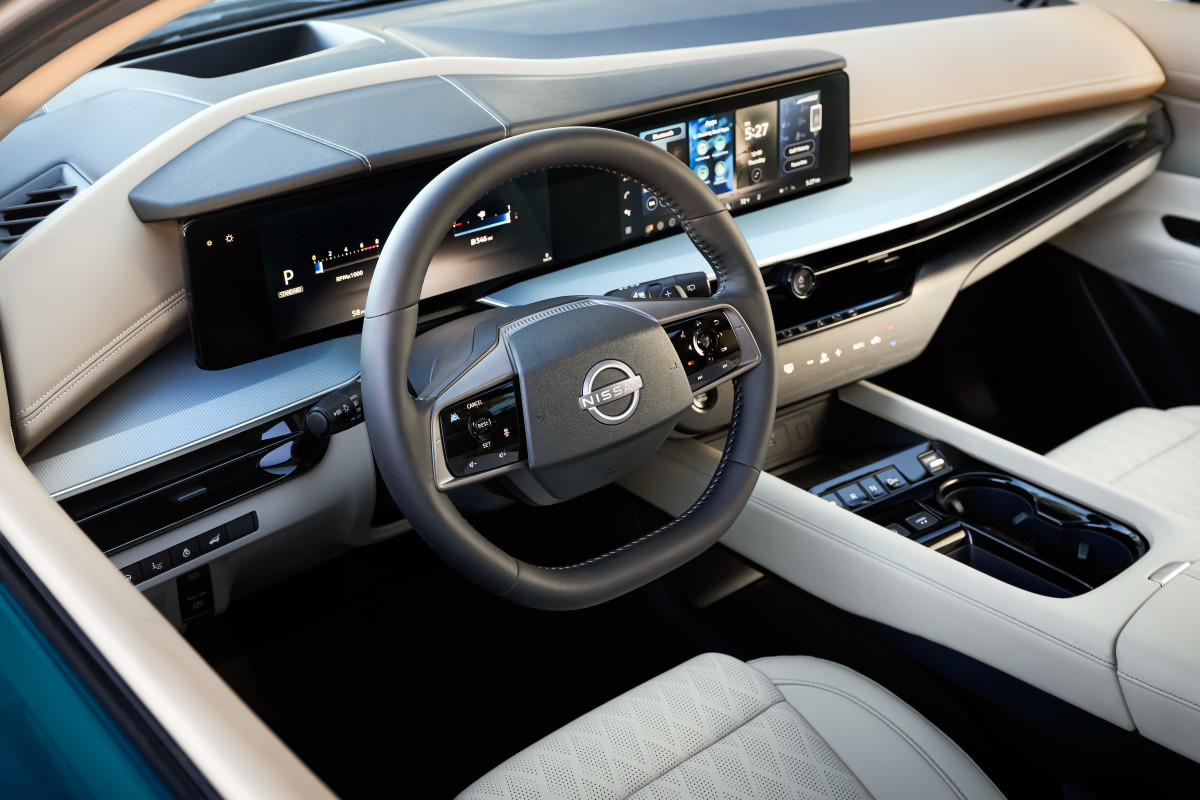
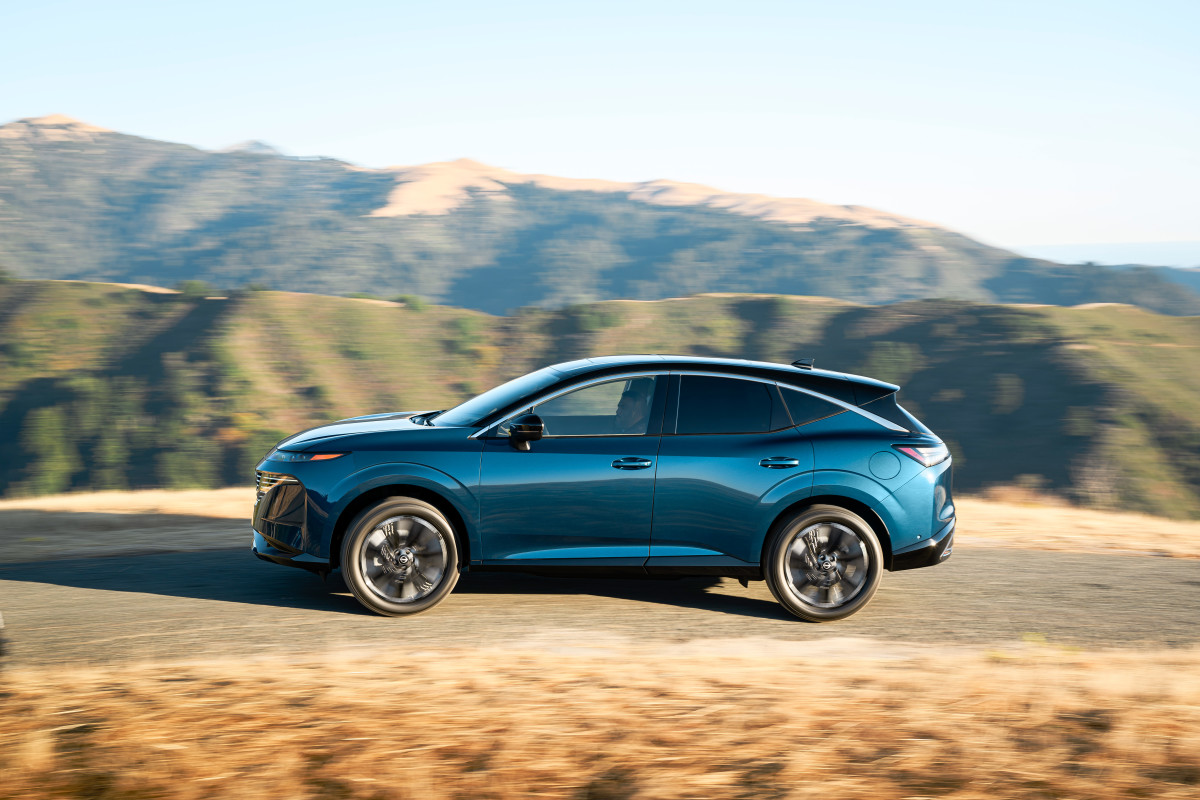
Redesigned for the 2025 model year, the Murano introduced a fresh look and a new 2.0-liter turbocharged four-cylinder engine and nine-speed automatic, in place of the older V6 and CVT. It rides well and has a comfortable, premium interior.
Related: After 40 Years, U.S.-Built Acuras Are Going To Japan
Low Sales Expected
Nissan
The left-hand-drive layout is a major limiting factor in how well these U.S.-built models can be expected to perform in Japan, as they simply won’t be as practical to drive on a daily basis.
“Who the heck will buy these? The wheel is on the right side. I don’t think they are trying very hard,” said Christopher Richter, head Asia auto analyst at CLSA in Tokyo, to Automotive News. “They will likely make a point that American spec’d cars will not sell in Japan, regardless of who makes them.”
For Japanese customers, the Murano will be the most premium Nissan SUV they can buy, as the X-Trail (essentially America’s Rogue) has been the biggest Nissan SUV available there until now.
Diehard fans of these Japanese brands may buy a Murano or Tundra as a second vehicle for occasional use, while keeping a Japanese-spec model for everyday driving. But this group is unlikely to make up a large number of buyers.
What It Means
Nissan
Reverse-importing models with steering wheels on the wrong side wasn’t on anyone’s bingo card even a year or two ago, but it highlights the difficult decisions automakers have had to make after U.S. tariffs were introduced. The move allows brands like Honda and Nissan to address trade imbalances, but the gamble will only work if enough Japanese customers express interest in these vehicles.
If these U.S.-built models sell strongly in Japan, it could lead to more manufacturing jobs at local auto plants. The challenge for all three automakers will be to ensure that production capacity for U.S. customers isn’t impacted.