Xiaomi’s EV Play Is No Longer a Side Project
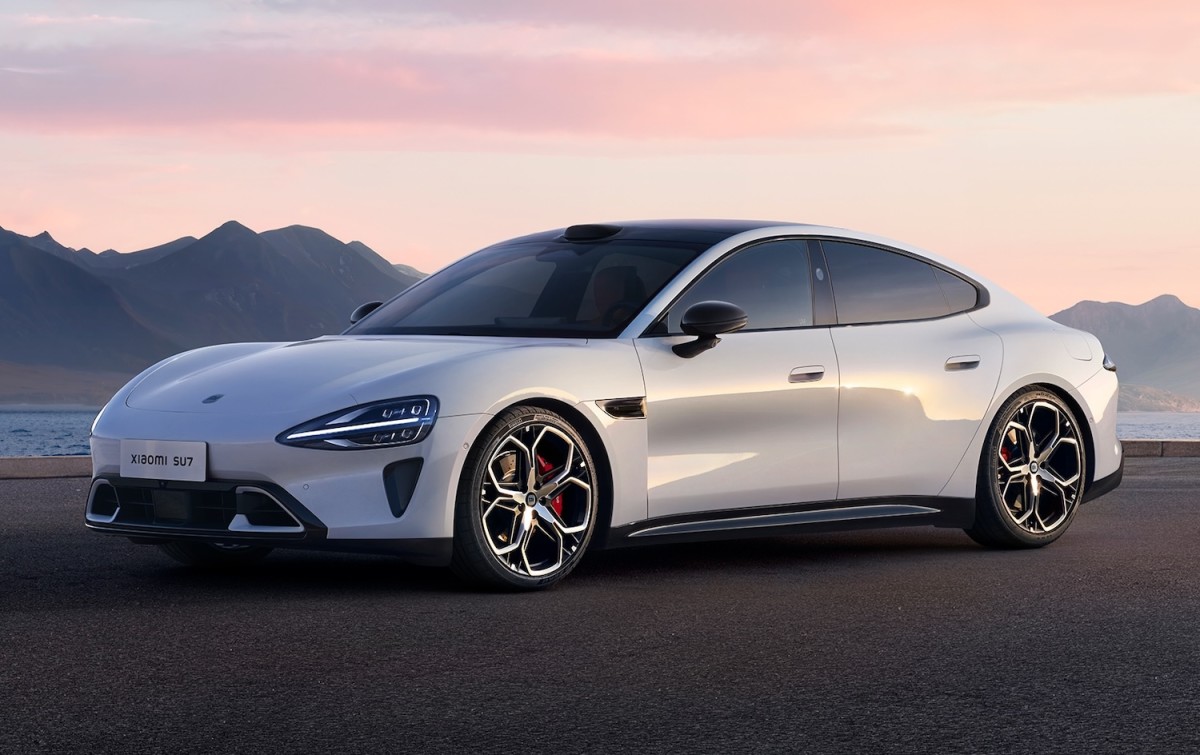
Not long ago, Xiaomi’s move into cars looked like a side project for a company better known for phones and smart home gadgets. That changed fast– the original SU7 sold really well. The high-performance Ultra version even made headlines by beating established hypercars in controlled tests.
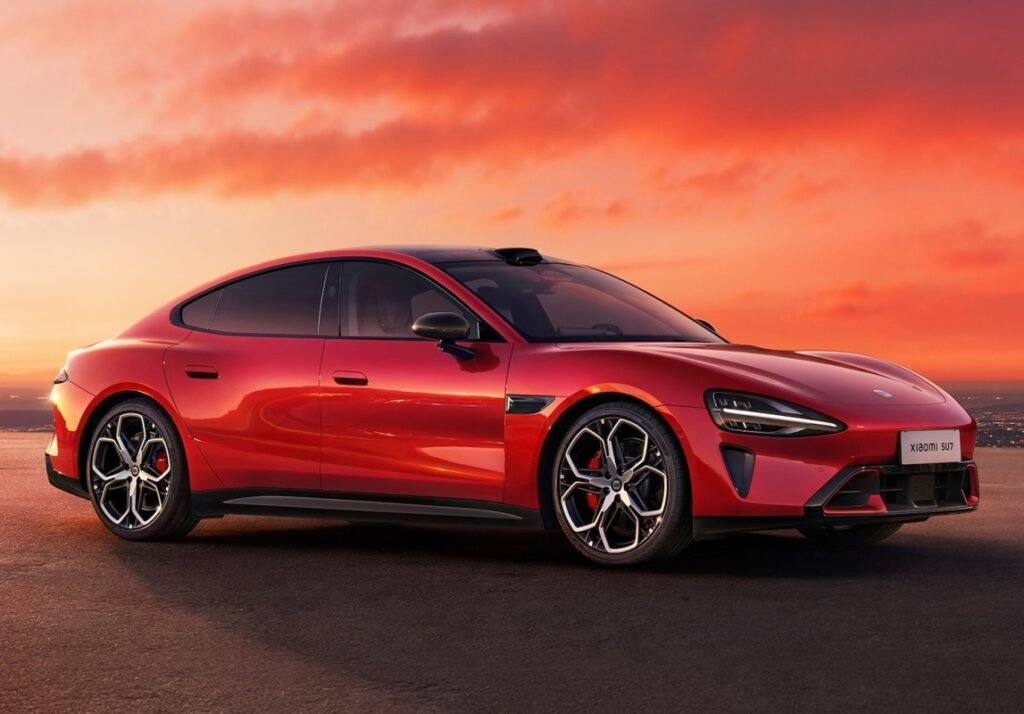
Xiaomi has moved past the experimental phase and is now refining what already worked. The new-generation SU7 has been introduced in China, sticking to the same formula – a sleek, tech-focused electric sedan – but adds more performance, smarter features, and a bigger push into premium territory.
Xiaomi calls the updated SU7 a “driver’s car for a new era,” with upgrades in safety, driving feel, and cabin comfort. It’s a big claim, but early demand shows buyers are at least interested.
Xiaomi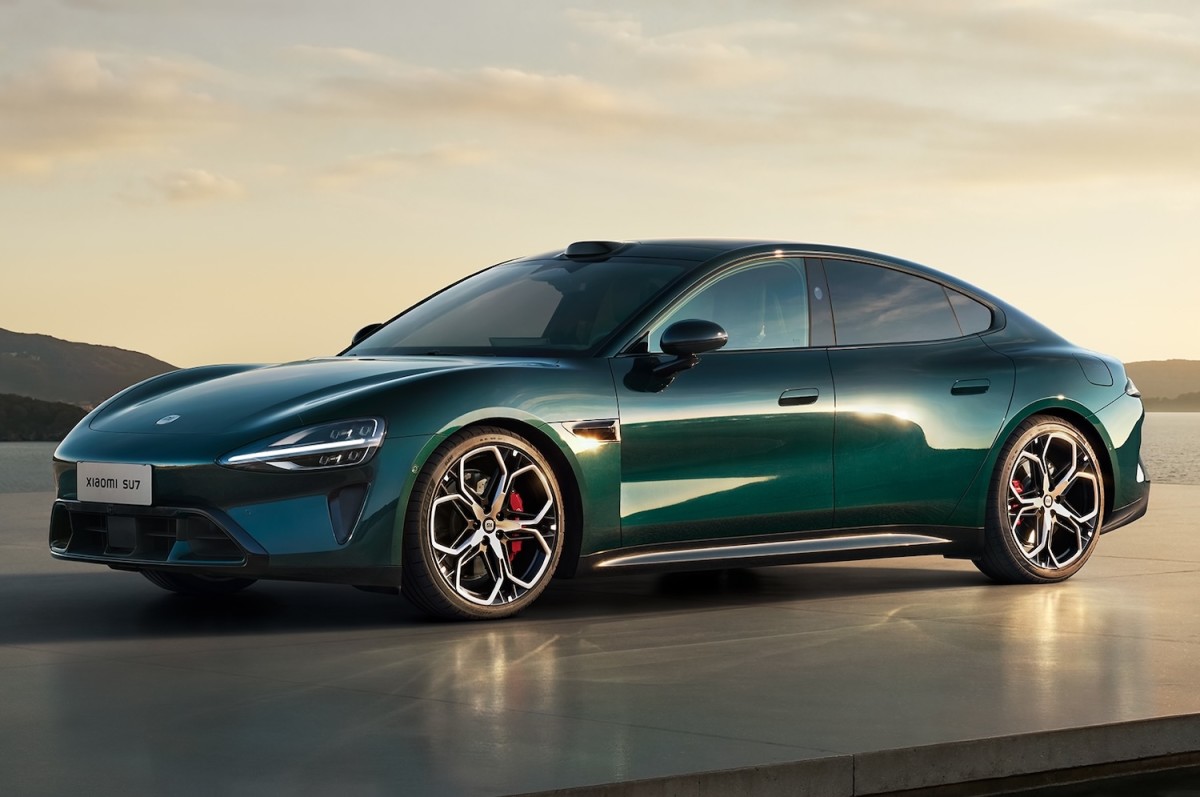
15,000 Units Sold in 34 Minutes
Xiaomi says it secured 15,000 pre-orders within just 34 minutes of opening reservations. That level of demand isn’t common, even in China’s crowded EV market. It shows Xiaomi’s brand has real pull, and the SU7 already has a following. The new version didn’t need much introduction.
The new SU7 starts at 219,900 yuan ($32,000) and tops out at 303,900 yuan ($44,000). That puts it in the premium-but-still-attainable range for buyers looking at high-spec EV sedans.
Xiaomi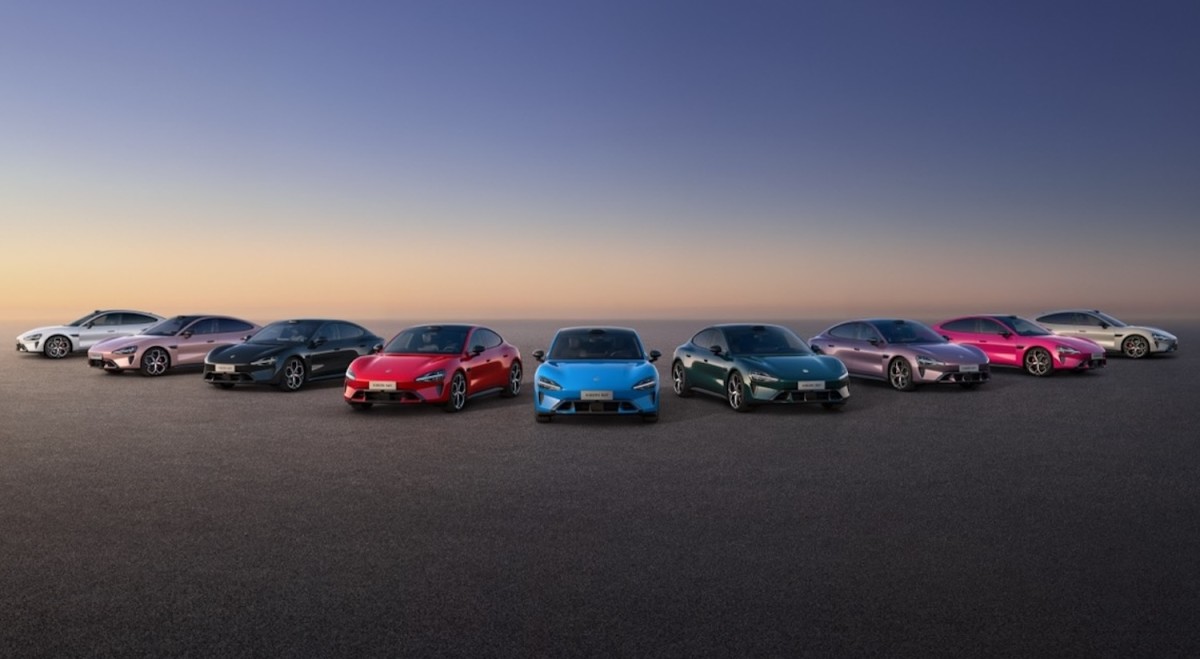
What’s Actually New This Time
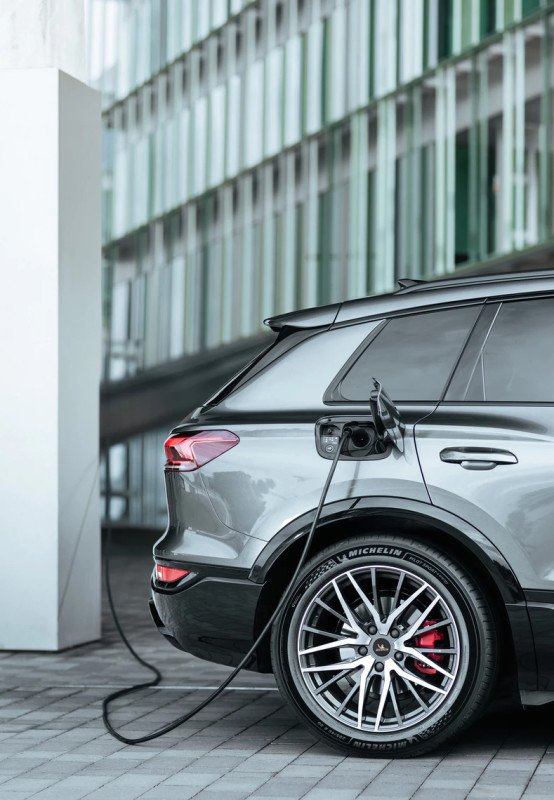
The changes employed on the new-generation model are significant on paper. The Max variant now makes up to 690 horsepower, and range is up across the board – up to 560 miles (CLTC) for the Pro. Charging is faster as well, with up to 416 miles of range added in 15 minutes if conditions are right.
Under the skin, Smart Chassis 2.0 now brings dual-chamber air suspension and adaptive damping to more versions, not just the top model. This widens the gap between trims without leaving the base car feeling bare.
Inside, Xiaomi has pushed further into the luxury space, with more soft-touch materials, seats with greater adjustability, better sound insulation, and a quieter cabin overall. Details like ambient lighting and a new console design help move the SU7 upmarket.
Every model now gets a 700 TOPS computing platform, lidar as standard, and Xiaomi’s latest assisted driving system. Advanced driver assistance is now standard, not just a premium extra.
One detail worth noting: Xiaomi dropped the electronic pop-up door system in favor of a setup with built-in redundancy and a mechanical backup. This change is directly linked to ongoing safety concerns.
Xiaomi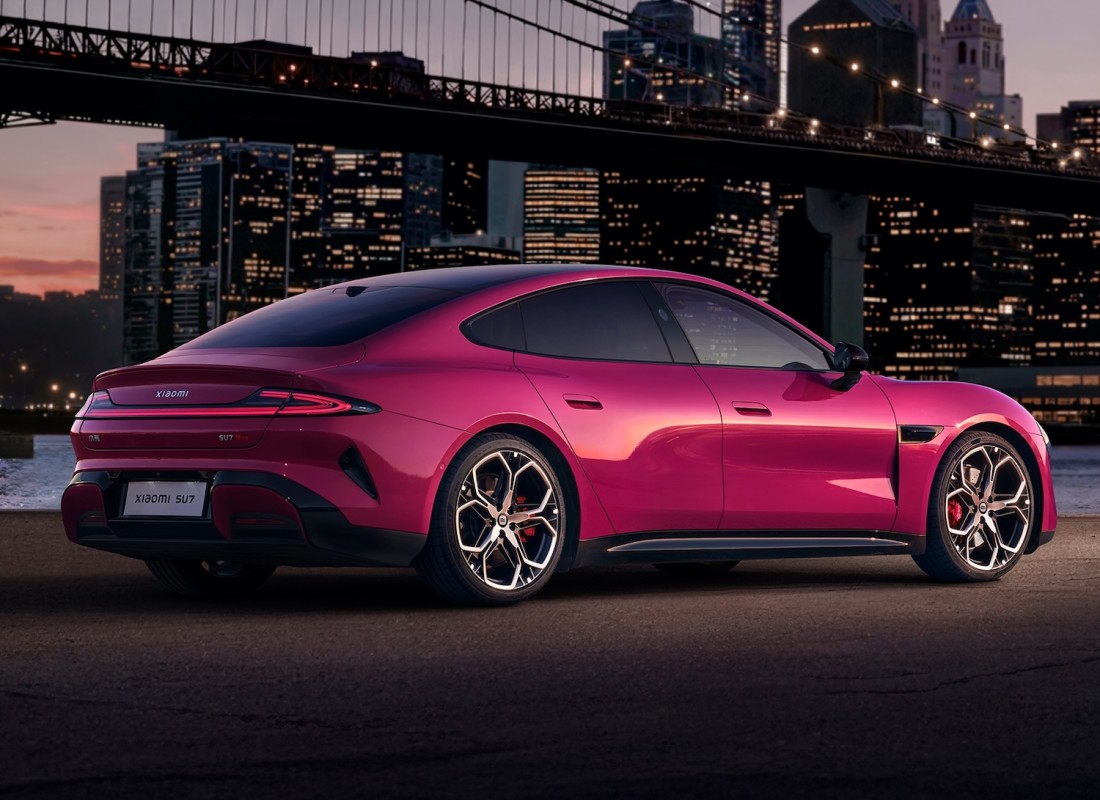
The Controversies Behind the Headlines
Despite the upgrades, the SU7 arrives with some baggage. Xiaomi has faced scrutiny after reports of a fatal crash involving an earlier model, where electronic door releases reportedly failed.
Investigations highlighted the risks of relying on electronic door systems, especially in serious crashes. It’s not just a Xiaomi issue, but the brand has been put under the microscope because of it.
The new SU7 aims to fix that. Xiaomi says it now uses a triple-redundant door handle system with a mechanical backup and its own power supply, so doors can still open after a serious crash. There are other safety upgrades as well: stronger 2,200 MPa steel, nine standard airbags, and better battery protection.
Xiaomi