A Naming Experiment That Never Quite Landed
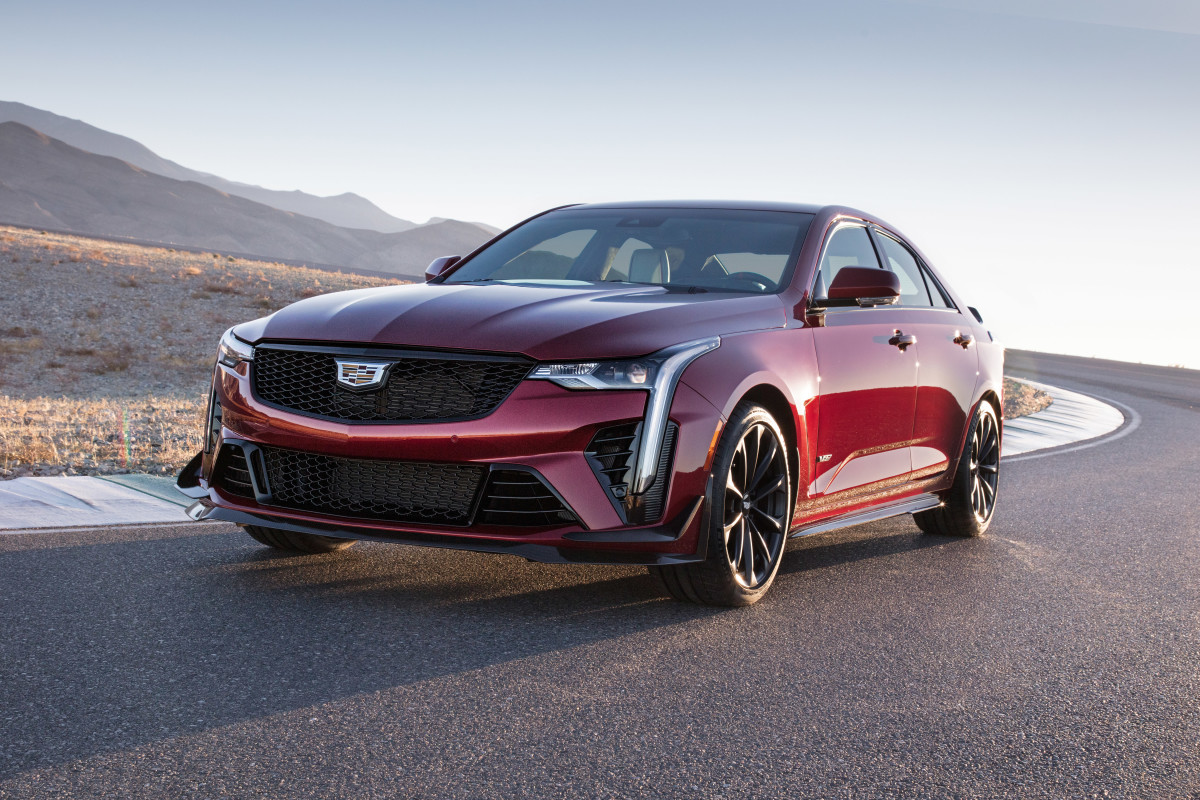
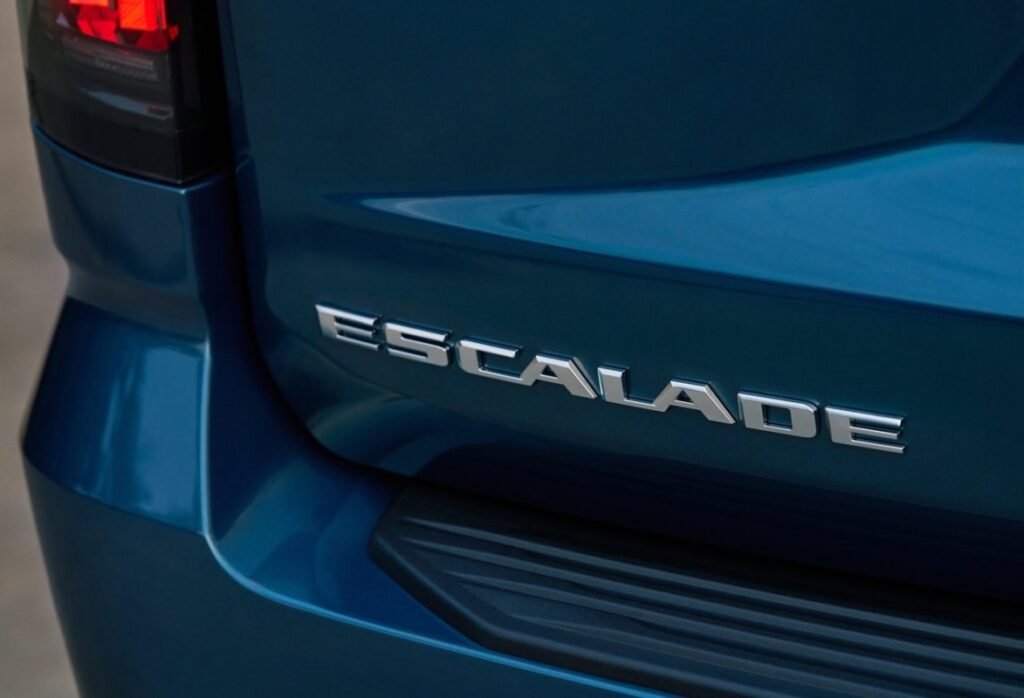
Cadillac’s torque-based badging system is officially being retired, closing the chapter on a naming strategy that always felt misaligned with its primary audience. Introduced in 2019, the system used numerical designations like 350, 600, or 1000 to represent torque output in Newton-meters, rounded to the nearest increment.
On paper, it was meant to create consistency across both internal combustion and electric vehicles while positioning Cadillac as a more globally minded luxury brand.
In reality, it never translated cleanly for American buyers. The use of metric torque figures in a market that overwhelmingly references pound-feet created a disconnect, and the rounded numbers added another layer of ambiguity. Rather than signaling clear performance tiers, the badges often left consumers guessing, diluting their intended purpose.
Kristen Brown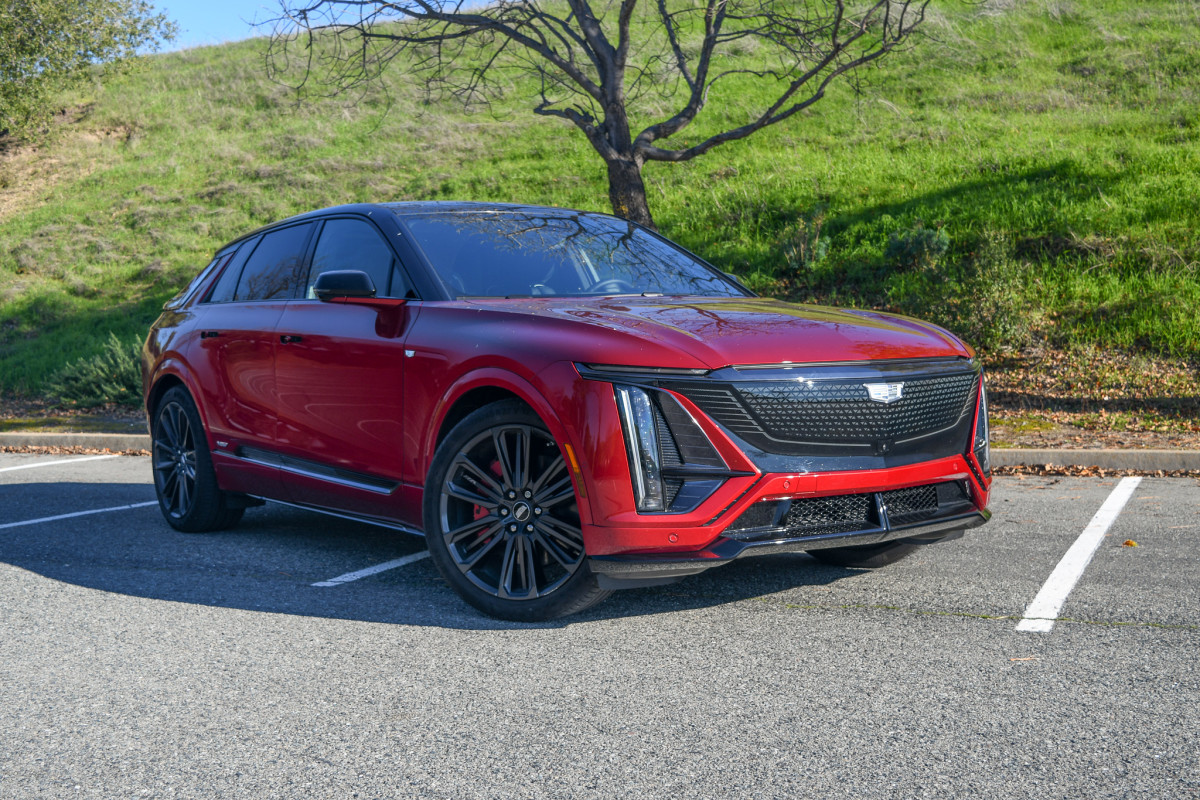
Cadillac Admits Less Is More—Without Saying It
According to a report from Cadillac Society, Cadillac’s official explanation for dropping the system focuses on design, stating that the move is meant to “streamline the appearance on the rear of our vehicles.” While that rationale holds from a visual standpoint, it also subtly acknowledges that the badges weren’t delivering meaningful value. A cleaner rear fascia is the headline, but improved clarity for buyers is the underlying win.
The original philosophy, however, was rooted in a genuine shift in thinking. As former Cadillac president Steve Carlisle put it, “When we have EVs, we won’t be talking engine displacement anymore. We’ll be focused on torque and output.”
Though well-intentioned, in keeping with a shifting market, the idea was flawed not only because the numbers seemed arbitrary to the average consumer but also because Cadillac’s largest market, the U.S., typically uses the “pound-foot” unit to measure a vehicle’s torque output.
Autoblog / Kyle Edward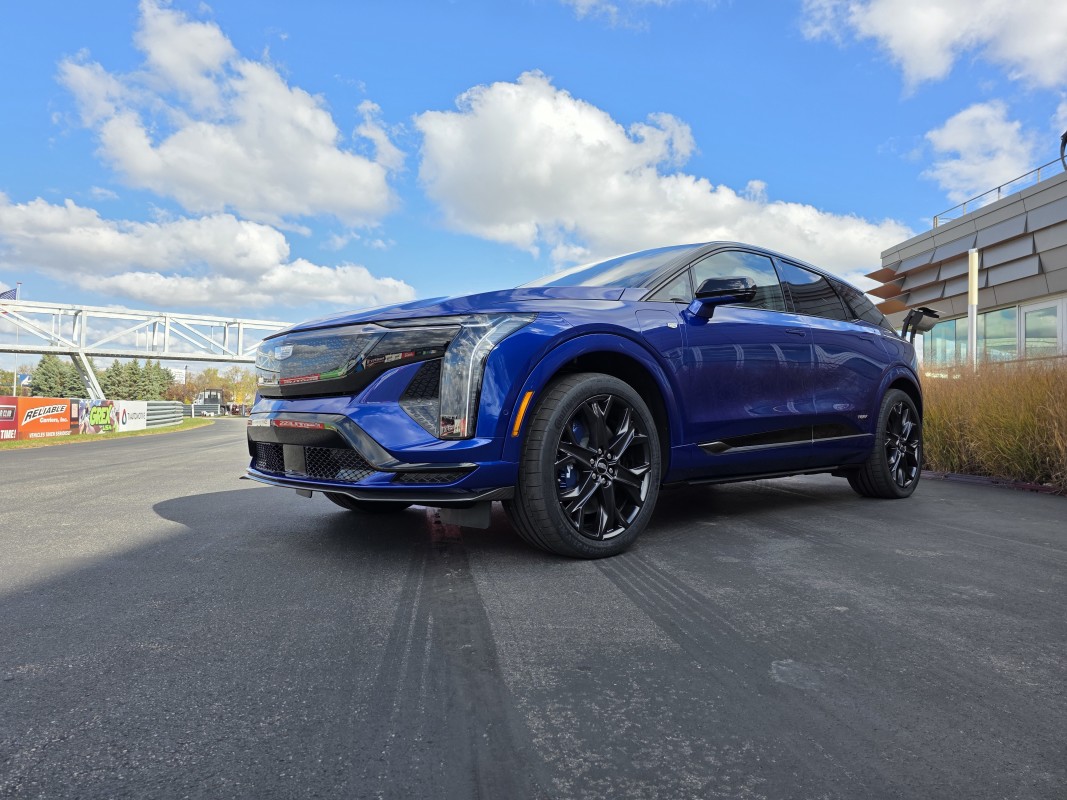
The Lowdown
Cadillac’s decision comes amid a broader upswing for the brand, which has been gaining momentum both in performance credibility and product execution. Recent launches, including its expanding EV lineup and high-end offerings, signal a company that is finally finding a cohesive identity. The Escalade IQ and Lyriq have helped reposition Cadillac as a legitimate contender in the modern luxury space, while halo efforts continue to elevate its image.
At the same time, Cadillac is tightening its lineup and preparing for a more electrified future. Models like the CT4 and CT5 are nearing the end of their lifecycle, reflecting a strategic shift away from traditional gas-powered sedans. With sales reaching a 12-year high, the timing of this simplification feels deliberate. Streamlining its naming, focusing on core products, and aligning more closely with American buyer expectations all point to a brand that is refining—not reinventing—its path forward.
Cadillac