Targeting the EV Carbon Problem Head-On
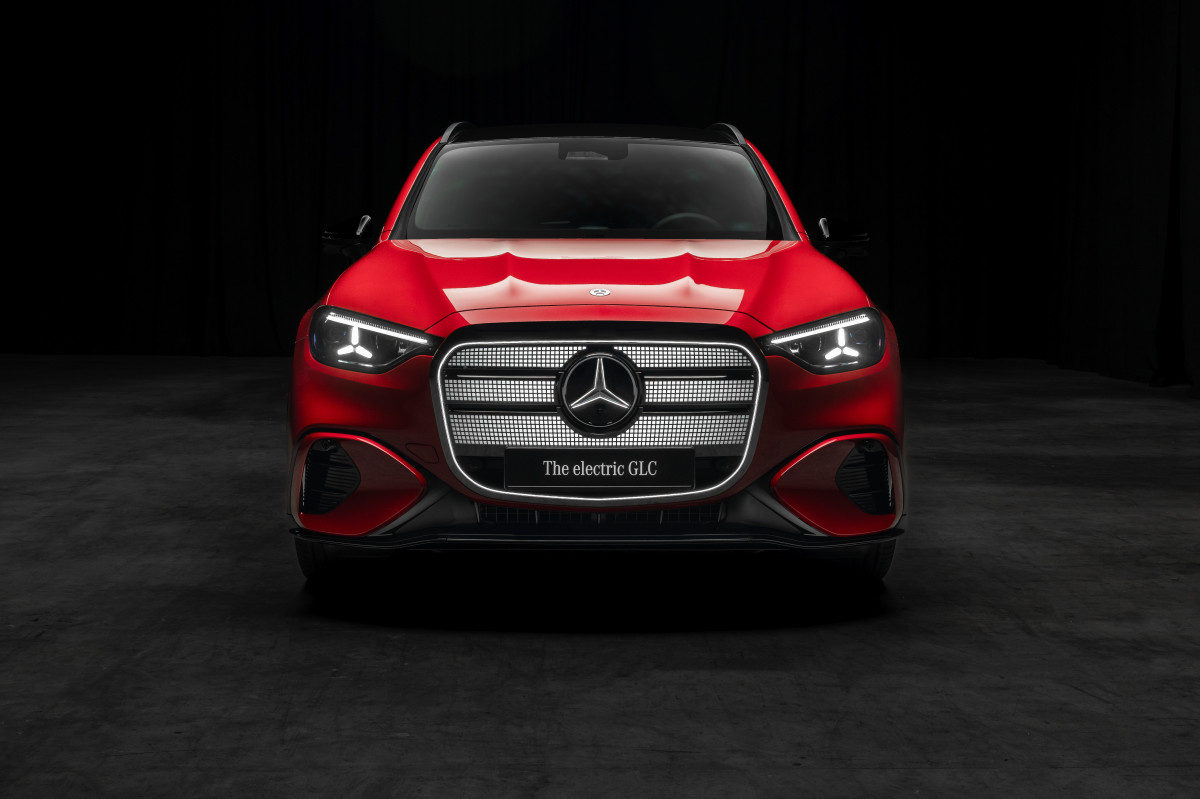
Since electric vehicles became more widespread at the start of the decade, so has the debate over whether EVs are actually more environmentally friendly. Some argue that EV production generates so much carbon upfront that, over time, their overall carbon footprint may end up being no better than that of internal combustion engine vehicles. At Mercedes-Benz, however, the German marque is drawing a clear distinction with the new electric GLC, which, based on its 360° environmental check, produces a significantly lower carbon footprint than its ICE counterpart.
According to independently verified environmental balance documents, the GLC 400 4MATIC with EQ technology reduces its carbon footprint by roughly two-thirds over its entire life cycle compared to the current combustion-powered GLC. This is partly due to a 23 percent reduction in production-related emissions. Beyond that, the EV produces no tailpipe emissions in everyday use.
How Mercedes Cut the Carbon
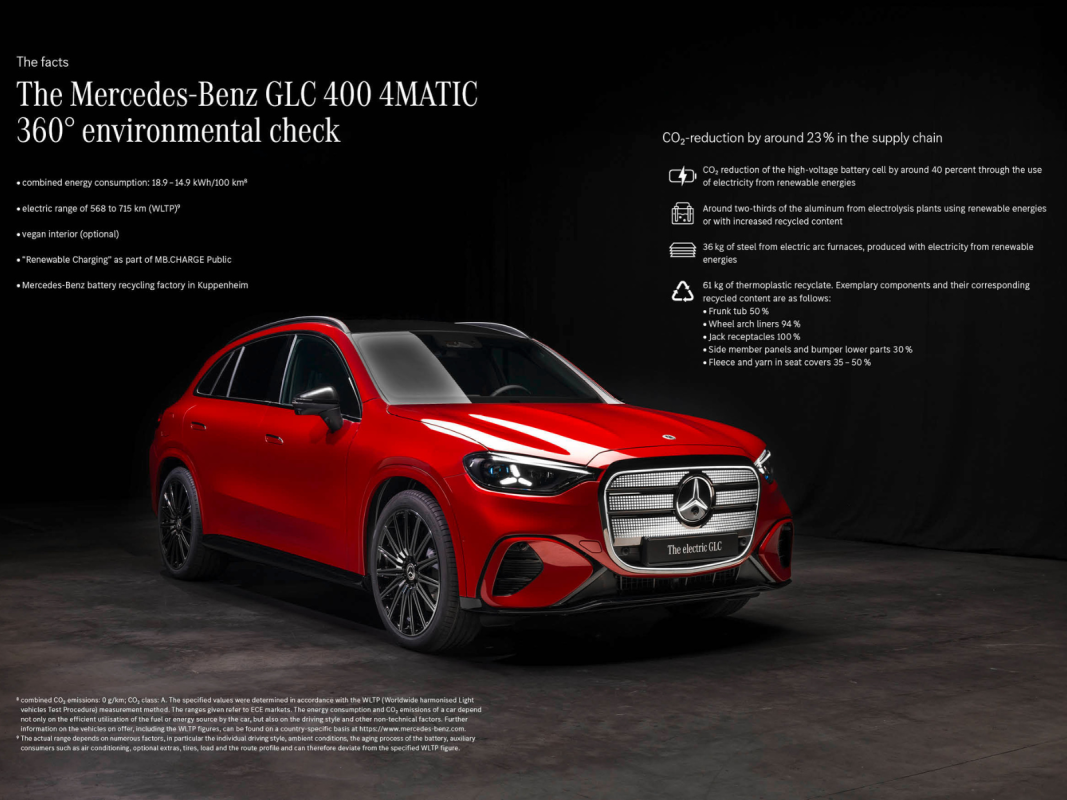
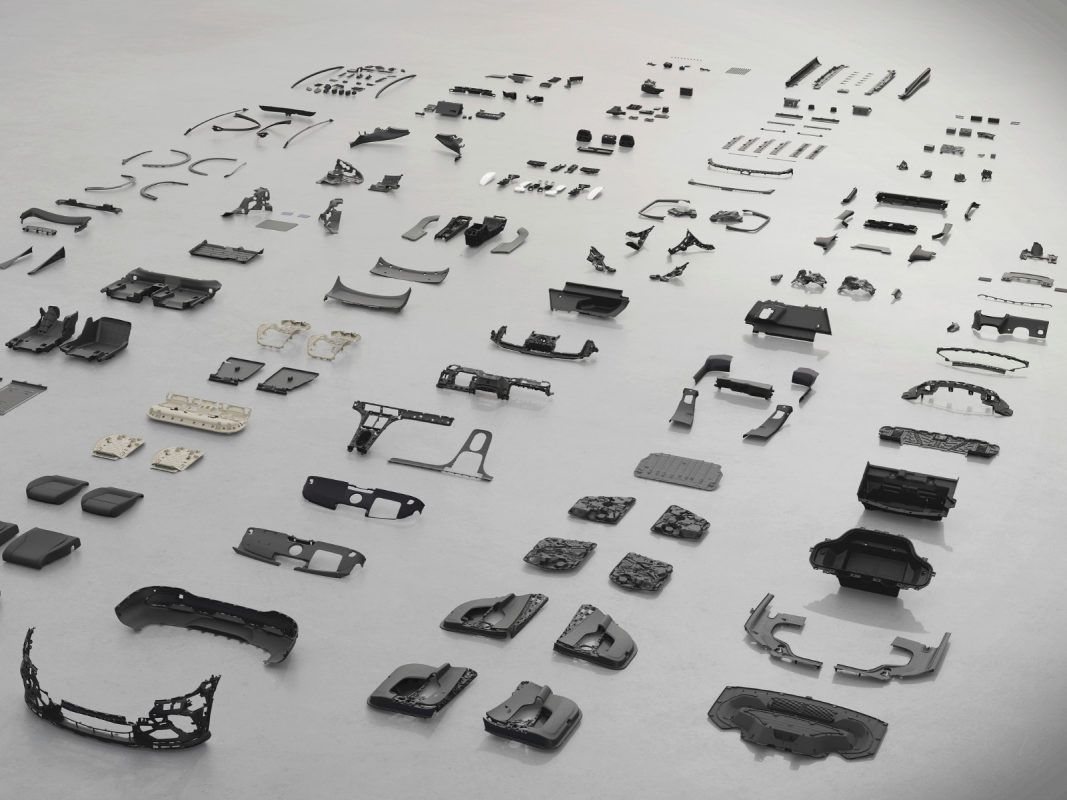
Mercedes-Benz achieved this through four key measures. The first is cutting the CO2 footprint of each battery cell by about 40 percent compared to conventional production, made possible by using renewable energy in cell manufacturing and sourcing lower-CO2 materials for the cathode, anode, and cell housing. Second is the increased use of recycled materials, including 61 kilograms (134 lbs) of secondary material in thermoplastics, with around 35 percent coming from used consumer products.
Next is the use of more sustainable aluminum, with two-thirds of the material produced in electrolysis plants powered by renewable energy. Lastly, the EV features a vegan interior that was independently verified by the Vegan Society, confirming that no animal-derived materials were used.
More Than Just an Eco Play
The new electric GLC is one of Mercedes-Benz’s latest EVs, embracing a thoroughly digital approach with AI-driven technology and the 39.1-inch MBUX Hyperscreen. Built on an 800-volt architecture, the EV can recover up to 188 miles of range in just 10 minutes of charging. It also offers up to 400 miles of range under the European test cycle and delivers 483 horsepower, giving it a slight edge over its direct rival, the BMW iX3, at least on paper.
Both all-electric luxury compact crossovers are expected to arrive in the U.S. this year. Thanks to the automaker’s transparent 360° environmental assessment – conducted since 2005 – buyers who may be looking beyond powertrain specs and are more mindful of environmental impact can make a more informed purchase.