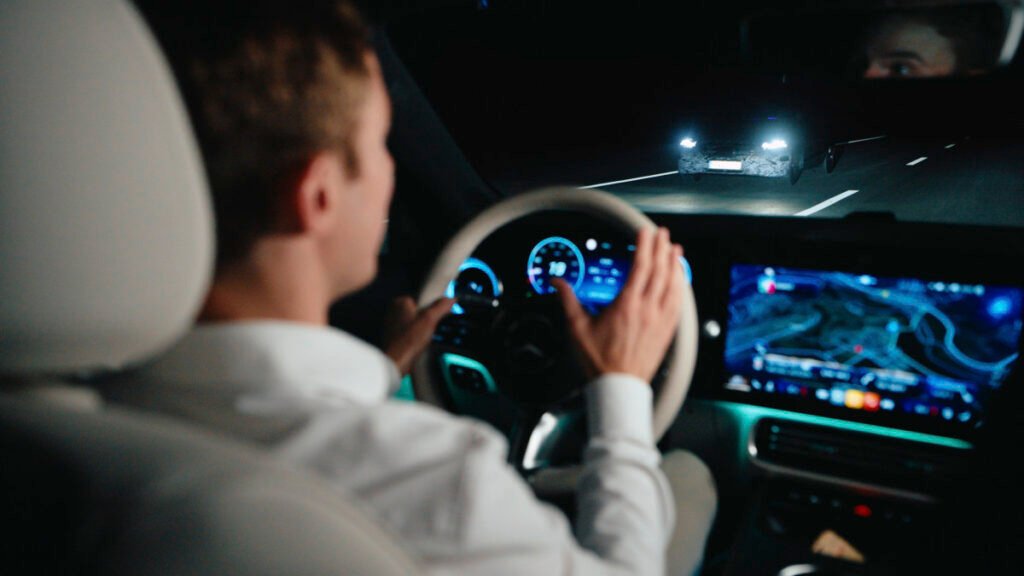
A new AAA survey, polling over 1,000 adults across the country, has found that six in ten American drivers say headlight glare is a genuine problem after dark. More striking is what those affected drivers said about the trajectory of the issue. Three in four believe the problem has gotten noticeably worse over the past decade. Frustration with modern vehicle lighting has been building steadily, and it puts real numbers behind something millions of people feel every time they drive at night.
Audi
A Perfect Storm of Brighter Tech and Taller Vehicles
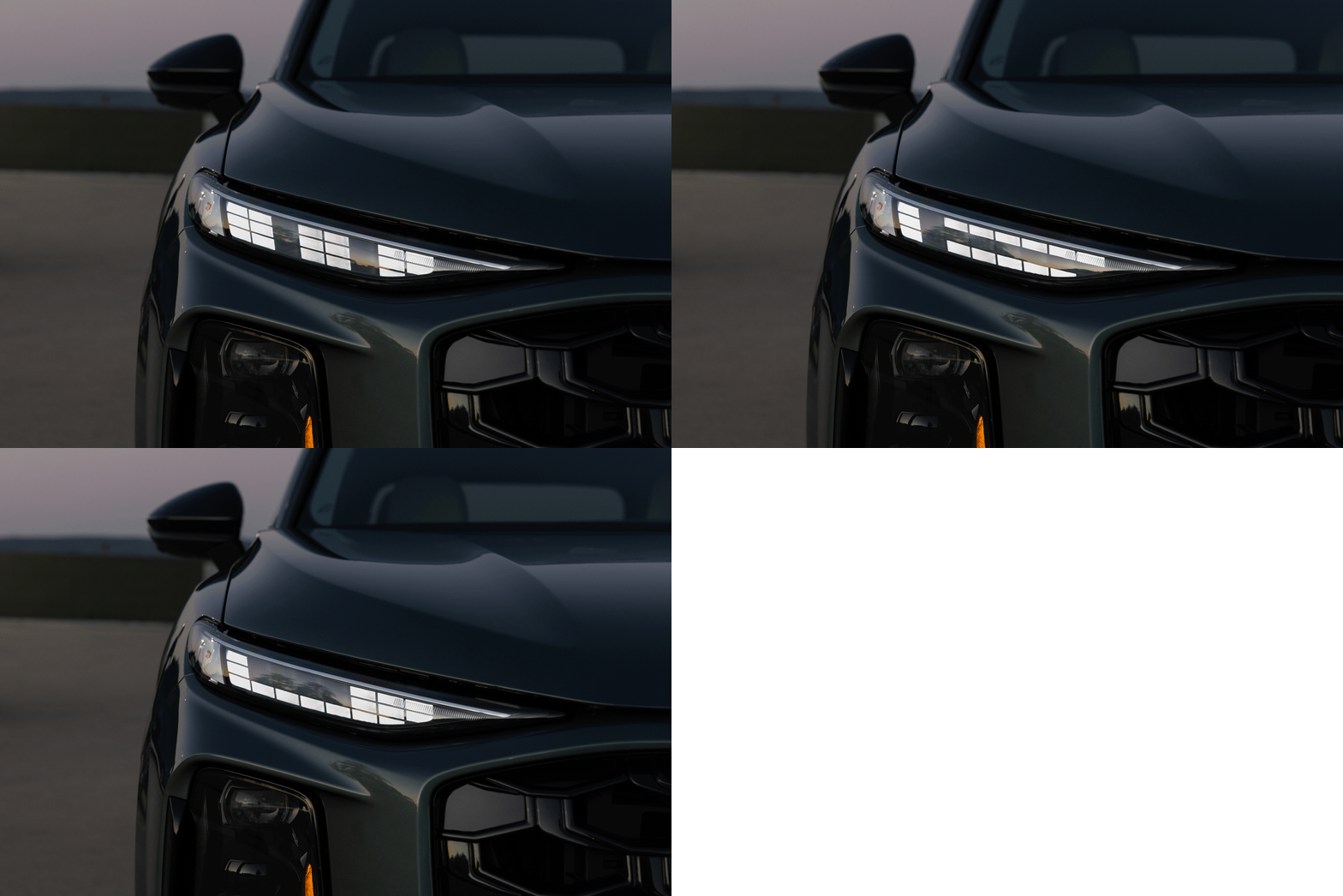
The shift from halogen bulbs to high-intensity LEDs and HID lighting means newer headlights produce significantly more output than their predecessors. Compound that with the dominance of trucks and SUVs, vehicles that sit higher and therefore aim their beams directly into the eye line of oncoming drivers in smaller cars, and you have a recipe for exactly what the survey describes. Oncoming headlights were the overwhelming culprit, cited by 92 per cent of affected drivers. About a third also flagged glare bouncing back from rearview and side mirrors. Drivers with prescription glasses reported the problem at even higher rates. Federal brightness standards, notably, haven’t been updated since 1997.
Stellantis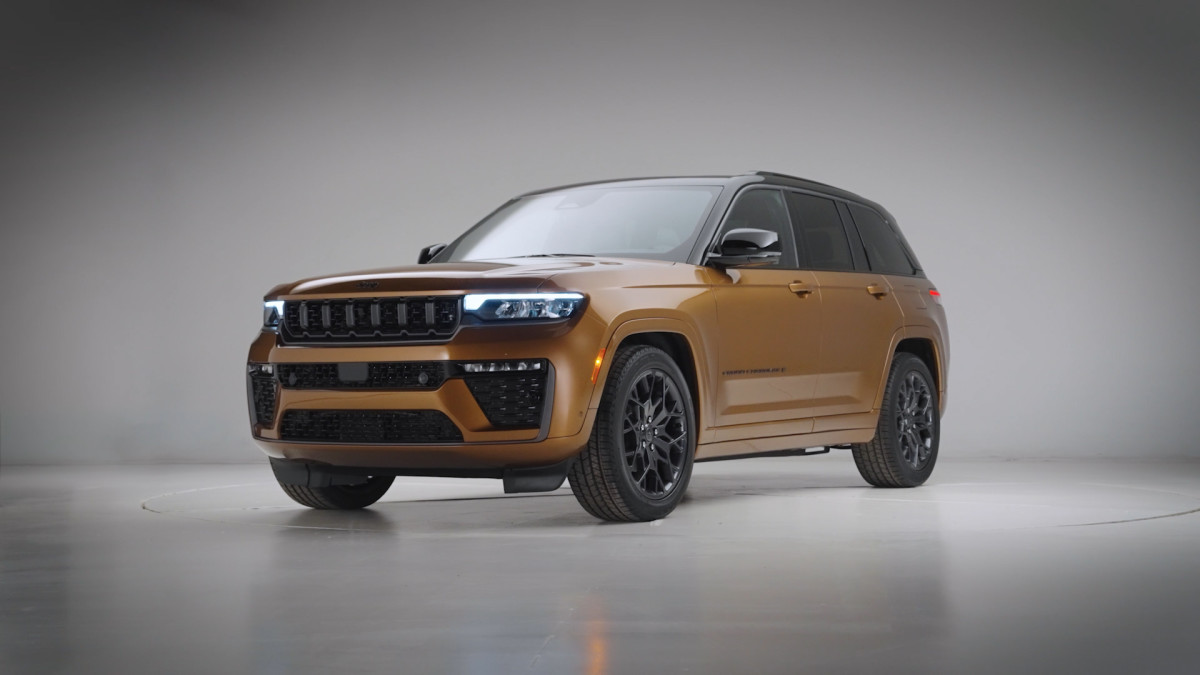
A Fix Exists, Just Not Here Yet
Adaptive driving beam headlights, which automatically reduce high-beam intensity when they detect an oncoming vehicle, have been legal in the United States since 2022, but they remain absent from mainstream models. Previous AAA testing found that European vehicles equipped with the system produced up to 86 per cent more usable road illumination than standard US low-beams, without the blinding effect. That gap between what’s possible and what’s actually on the road captures the broader problem. Regulation has lagged behind technology, and until adaptive beams become standard equipment rather than a rare feature, most drivers are left squinting through an oncoming wall of white light and hoping for the best.