Research & Developments is a blog for brief updates that provide context for the flurry of news that impacts science and scientists today.
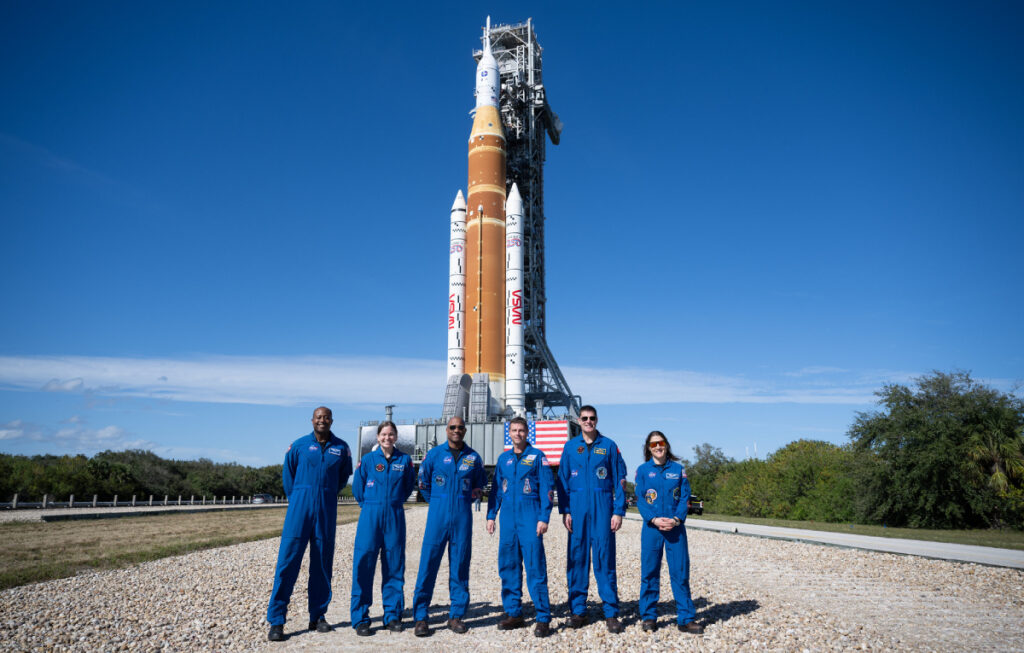
Today, four intrepid astronauts began a journey around the Moon and back. NASA’s Artemis II mission launched from Kennedy Space Center in Florida carrying NASA astronauts Reid Wiseman, Victor Glover, and Christina Koch, and Canadian Space Agency (CSA) astronaut Jeremy Hansen on what will be a roughly 10-day trip around the Earth and Moon. It will be the closest that humanity has been to the Moon’s surface in 54 years.
“This mission will bring together pieces of our earliest achievements in aviation, defining moments from human spaceflight, and symbols of where we’re headed next,” said NASA Administrator Jared Isaacman in a statement.
Artemis II is the first crewed flight in NASA’s Artemis campaign and is the latest step in the agency’s plan to send humans back to the Moon’s surface and eventually to Mars. The crew includes the first woman, the first Black person, and the first non-American to orbit the Moon.
There and Back Again
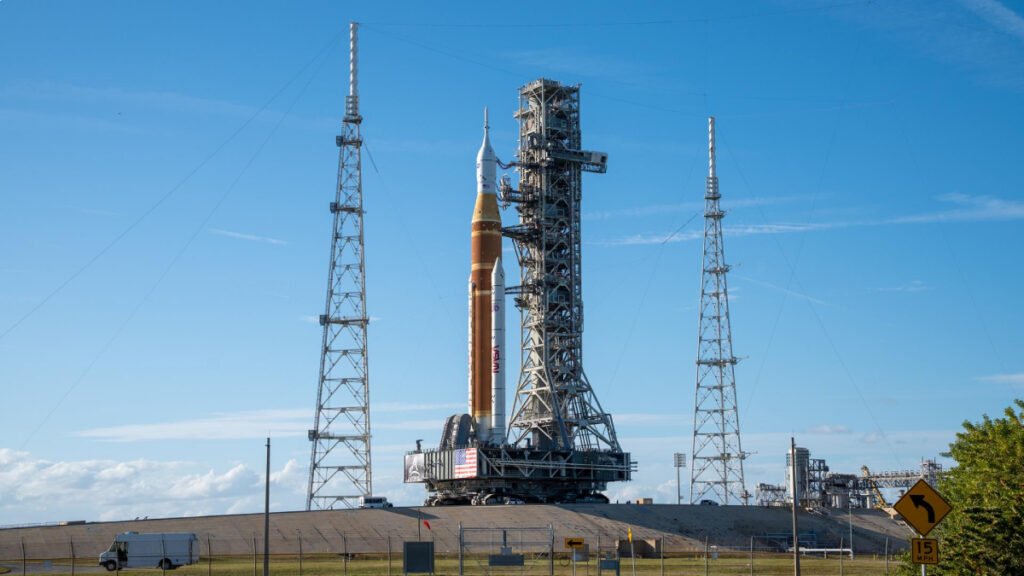
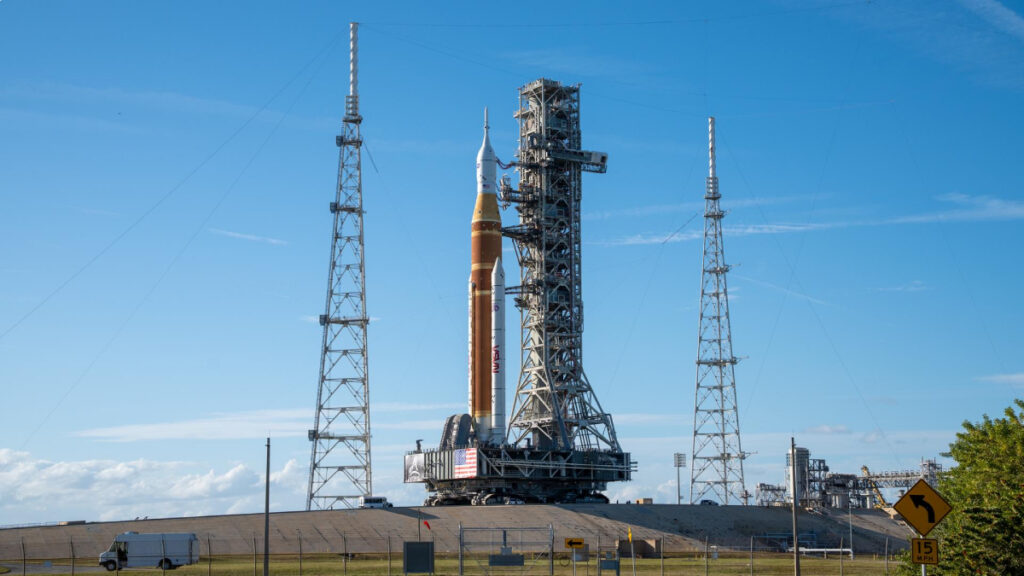
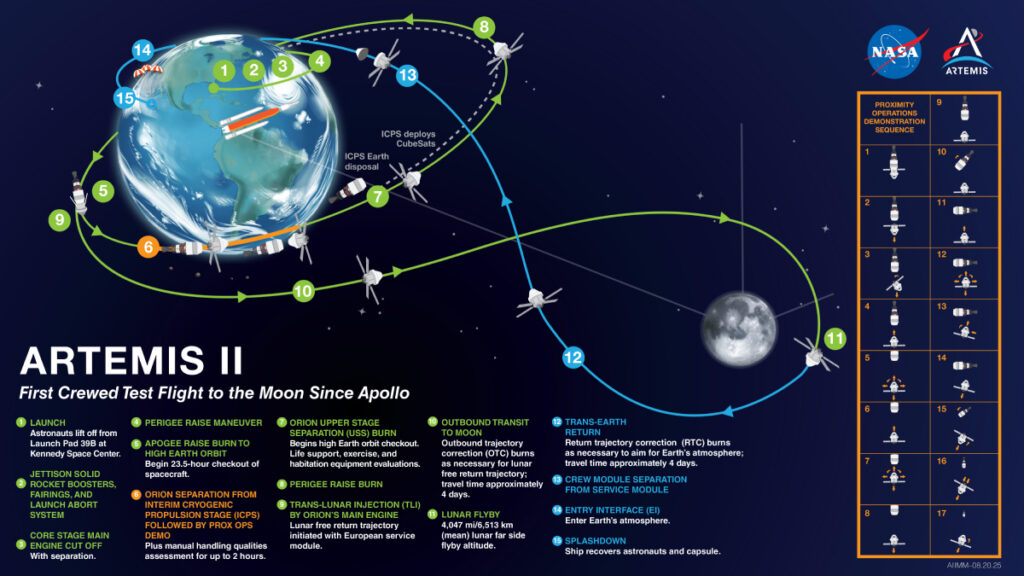
Artemis II launched aboard a Space Launch System rocket carrying an Orion spacecraft named Integrity. The Orion vehicle, supporting astronauts in space for the first time, will remain in a high-Earth orbit for a little more than a day as the crew tests the life support, navigation, propulsion, communications, and monitoring systems to ensure that everything is performing as expected.
After orbiting Earth twice, the crew will pilot the capsule toward the Moon. They will continue monitoring and testing Orion’s onboard systems during the 4-day trip to the Moon’s far side. The craft will travel roughly 7,400 kilometers (4,600 miles) beyond the far side of the Moon before beginning the return journey and splashing down in the Pacific Ocean on Day 10.
NASA originally planned to launch this mission in early February but delayed it after engineers detected a hydrogen leak during the fueling process for a wet dress rehearsal. The rehearsal also revealed a loose valve and dropouts in audio communications. Later in February, the launch was delayed again when data showed an interruption in helium flow to the rocket’s upper stage.
These aren’t the first technical issues that has come up ahead of Artemis or SLS launches. The uncrewed Artemis I test flight in 2022 was also delayed due to a hydrogen leak. The flight also experienced an issue with Orion’s heat shield, but NASA concluded after a years-long investigation that a slight alteration to Orion’s reentry vector would negate the problem and keep the astronauts safe.
“The investigators discovered the root cause, which was the key” to understanding and solving the heat shield issue, Reid Wiseman, commander for Artemis II, said in July 2025 at a press conference after the investigation concluded. “If we stick to the new reentry path that NASA has planned, then this heat shield will be safe to fly.”
NASA and other space agencies have stated their desire to establish a sustained human presence on the lunar surface. U.S. officials have claimed that the United States is in a new space race with China toward this end, though China has denied it’s in a race at all.
Artemis II is a crucial step toward NASA’s eventual goal of once again landing humans on the Moon’s surface, which it plans to do with the Artemis III mission to the lunar South Pole region. Artemis III is currently planned to launch in 2028, although cost uncertainties and delays could push its launch back closer to China’s planned crewed lunar mission in 2030.
—Kimberly M. S. Cartier (@astrokimcartier.bsky.social), Staff Writer
These updates are made possible through information from the scientific community. Do you have a story about science or scientists? Send us a tip at eos@agu.org.

Text © 2026. AGU. CC BY-NC-ND 3.0
Except where otherwise noted, images are subject to copyright. Any reuse without express permission from the copyright owner is prohibited.