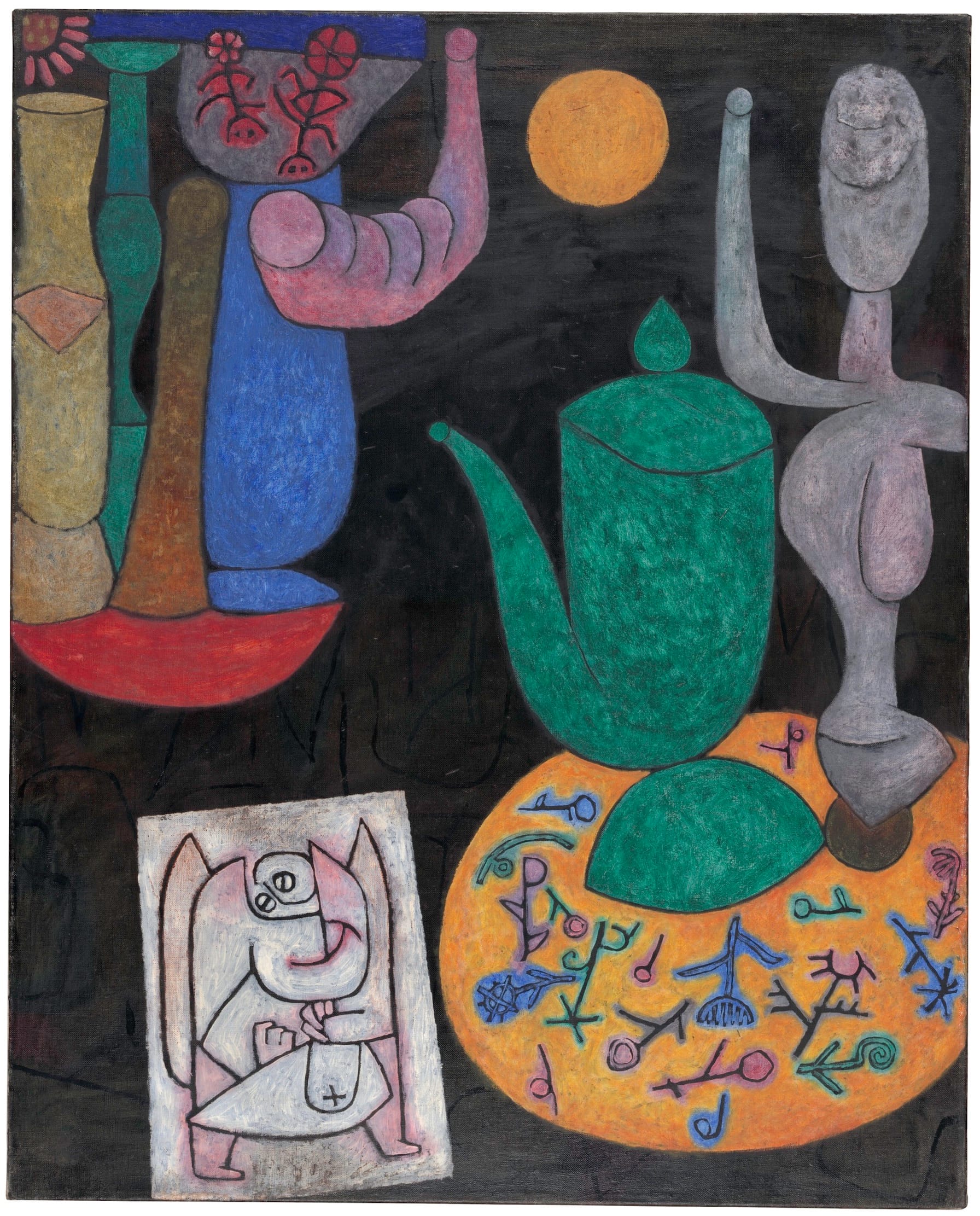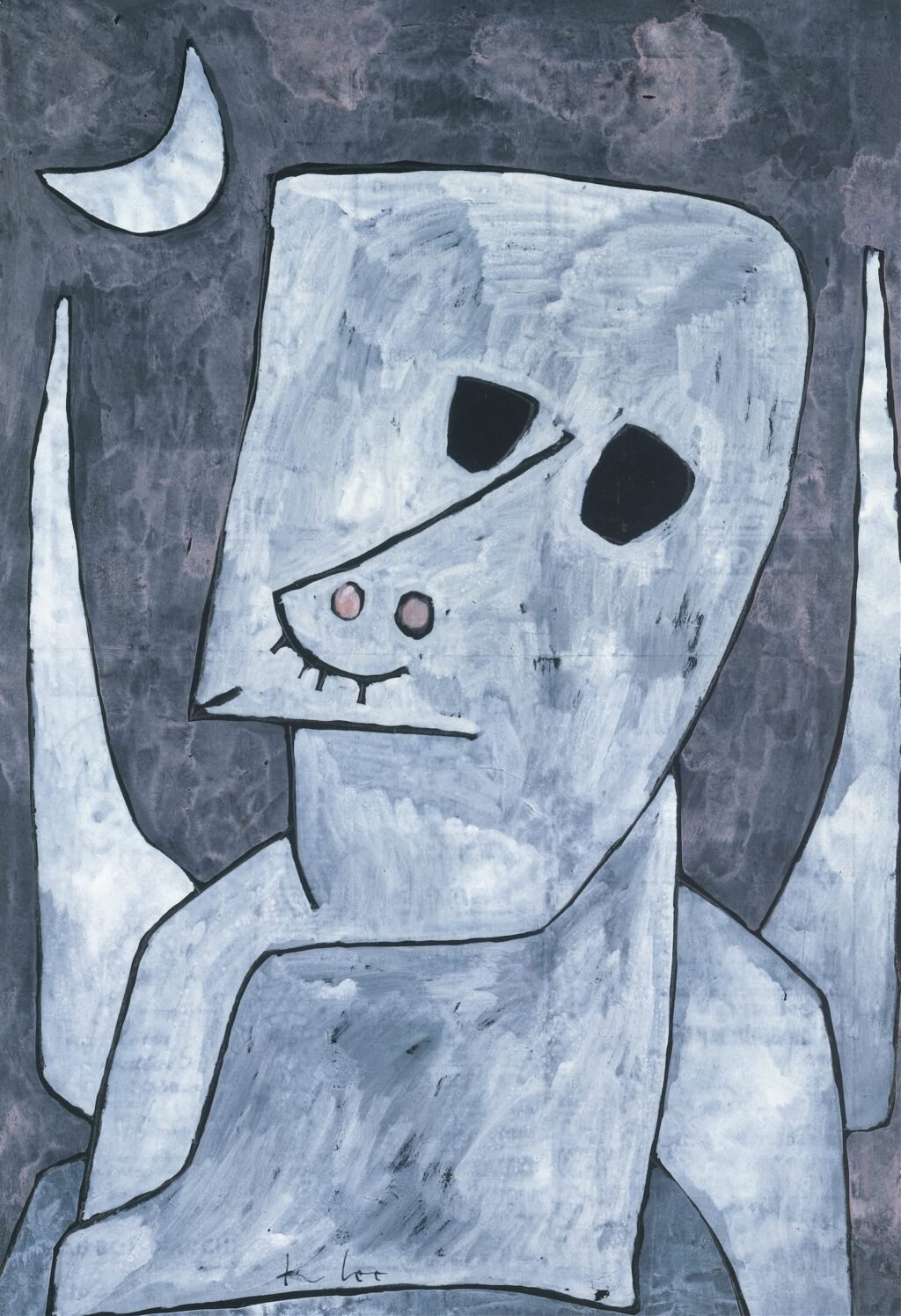
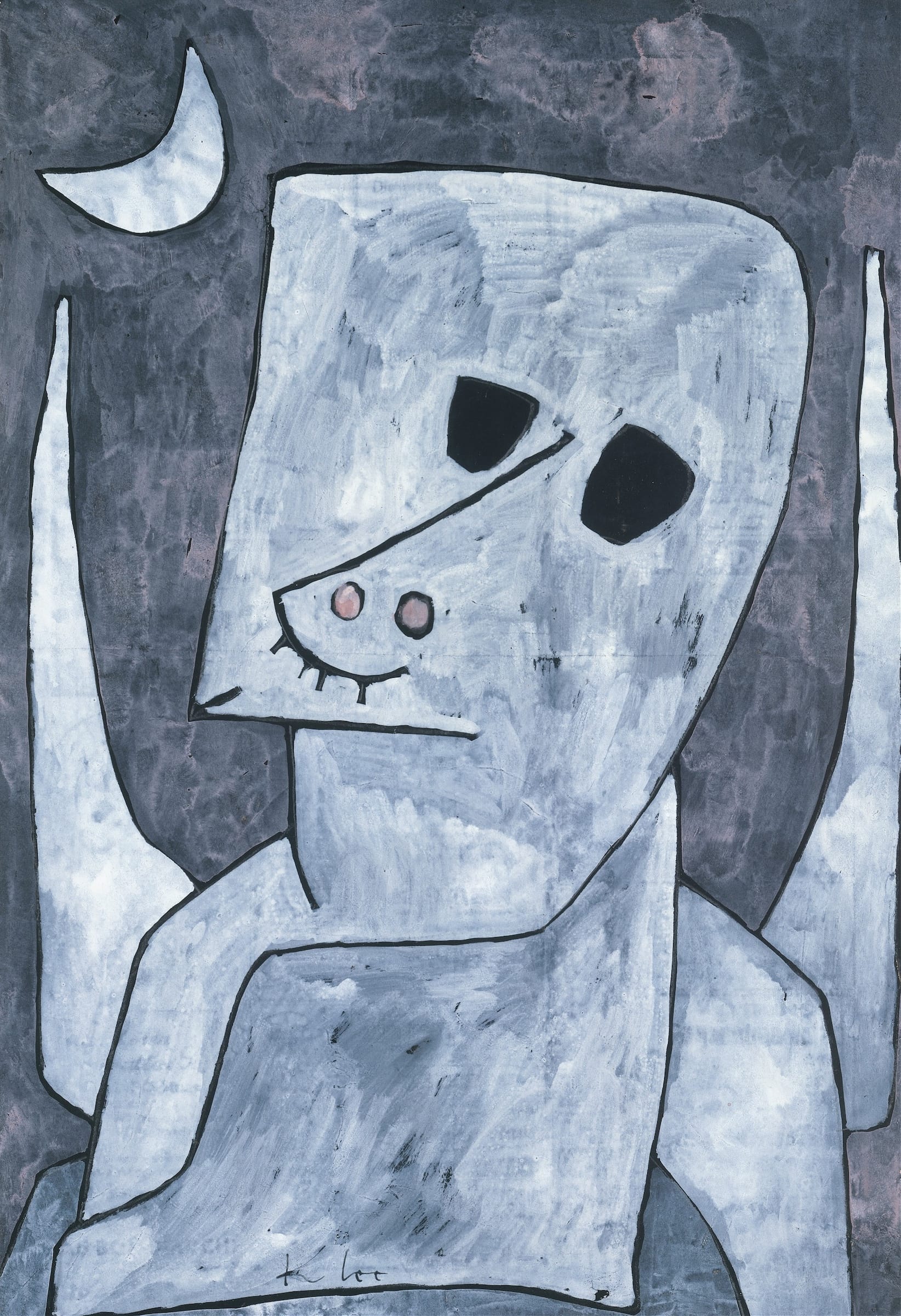
Paul Klee: Other Possible Worlds traces the Swiss-German artist’s departure from the Bauhaus and his experience throughout the political upheaval of the 1930s prior to his death in 1940. The first US museum exhibition to explore Paul Klee’s powerful creative output from the final decade of his life, Other Possible Worlds at the Jewish Museum highlights 100 paintings and drawings from across Klee’s career, including rarely shown works from the 1930s to 1940s. This broader context dramatically frames the artist’s late practice, during which Klee’s lifelong individuality and imagination prevail as a form of resistance to Nazi ideology and persecution.
Born in 1879 in Switzerland to a music teacher and singer, Klee trained in the violin before shifting to the visual arts during his teenage years. He was involved with a range of burgeoning artistic movements during his early career and went on to establish an esteemed reputation during a decade-long tenure at the Bauhaus. In 1931, seeking to free himself from the demands of lecturing and focus on painting, Klee resigned his position and was offered another at the Düsseldorf Academy. However, during Hitler’s ascent to power, the National Socialists deemed Klee’s art subversive and degenerate and dismissed him from his position, referring to him as “a Galician Jew.” Forced into exile as an immigrant in his country of birth, Klee abandoned his uplifting chromatic style of painting as he confronted the harsh terrain of fascism and soon, in 1935, the effects of scleroderma, a then-fatal autoimmune disease.
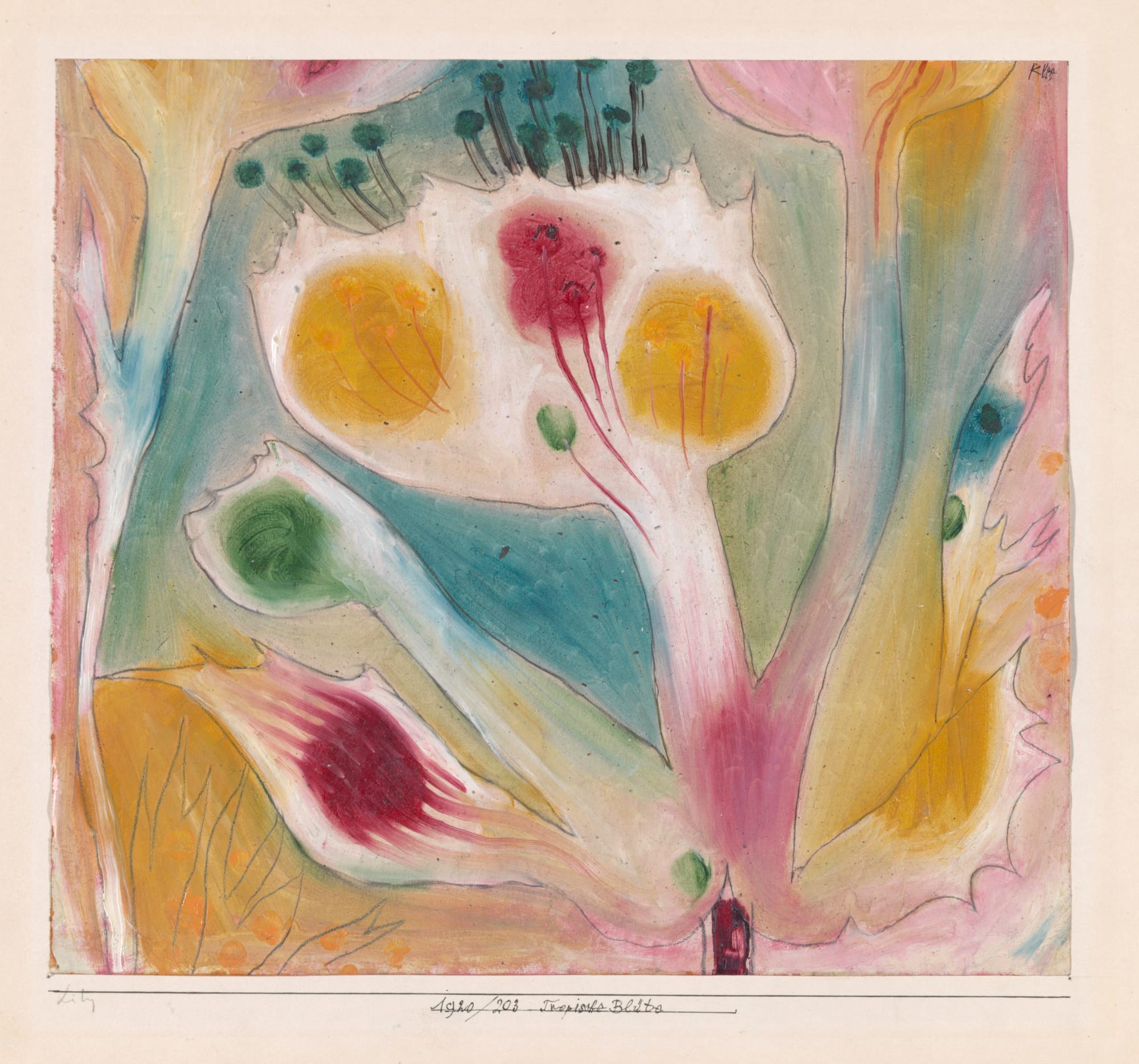
The exhibition explores this progression, illuminating Klee’s relentless search for new methods of expressing social critique, non-conformism, mythopoetic thinking, and an evolving approach to developing a new vocabulary for confronting the horrors of political oppression and violence.
Curated by Mason Klein, Senior Curator Emeritus, and organized by the Jewish Museum in collaboration with the Zentrum Paul Klee and the Kunstmuseum Bern, Paul Klee: Other Possible Worlds is on view at the Jewish Museum, 5th Ave at 92nd St in New York City, through July 26, 2026.
Plan a visit at thejewishmuseum.org.