China’s Ruffling Feathers
Every once in a while, a country disrupts the automotive market to a point that it eventually defines it and becomes a major player. There was Japan in the ’70s, South Korea towards the late 2000s, and now, it’s China’s turn to shake up the establishment.
Like it or not, the rise of Chinese cars has put the world on notice, and it’s now legacy automakers scrambling to keep up with the rapid pace of development China has set. Like any disruptor, it’s seen as a threat, but some automakers have applauded and acknowledged the efforts of Chinese brands.
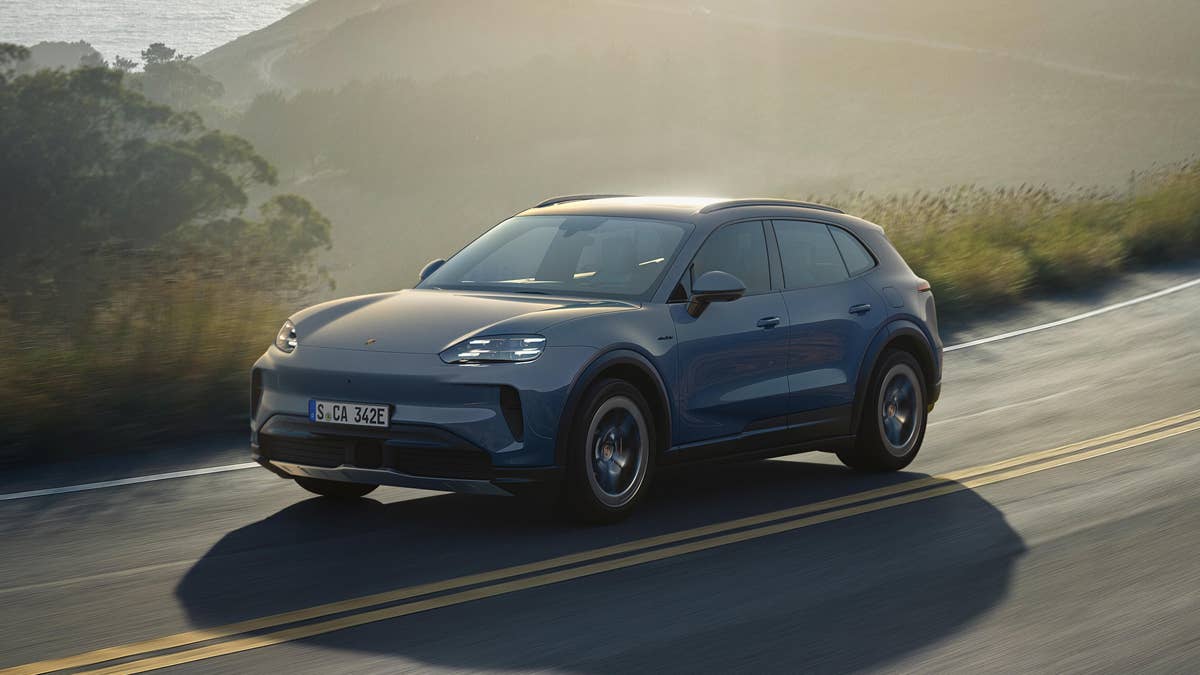
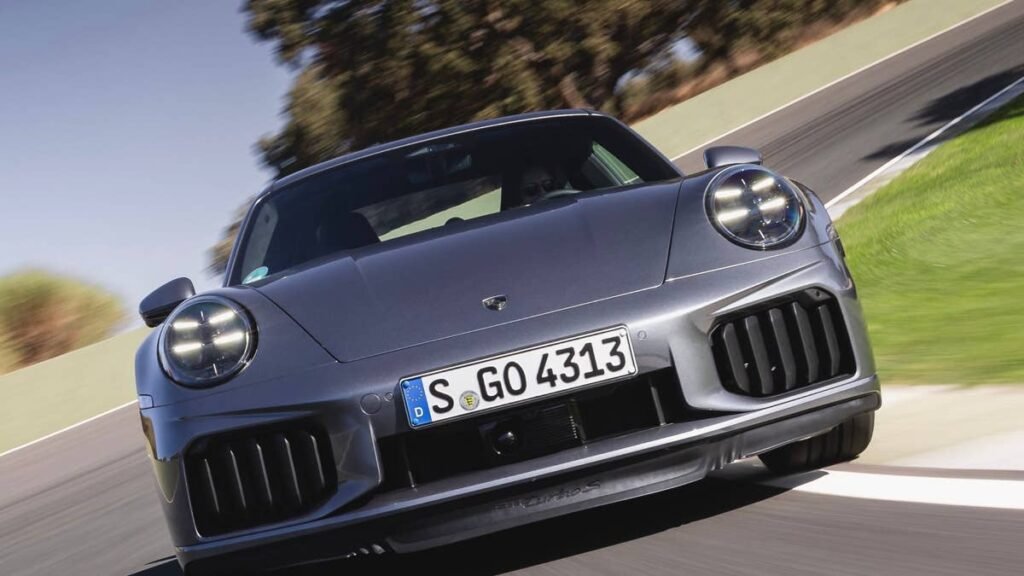
One of those is Porsche, and it doesn’t see Chinese cars as a threat. It’s not in a cocky way, mind you, but rather, it’s seeing it as an opportunity.
Xiaomi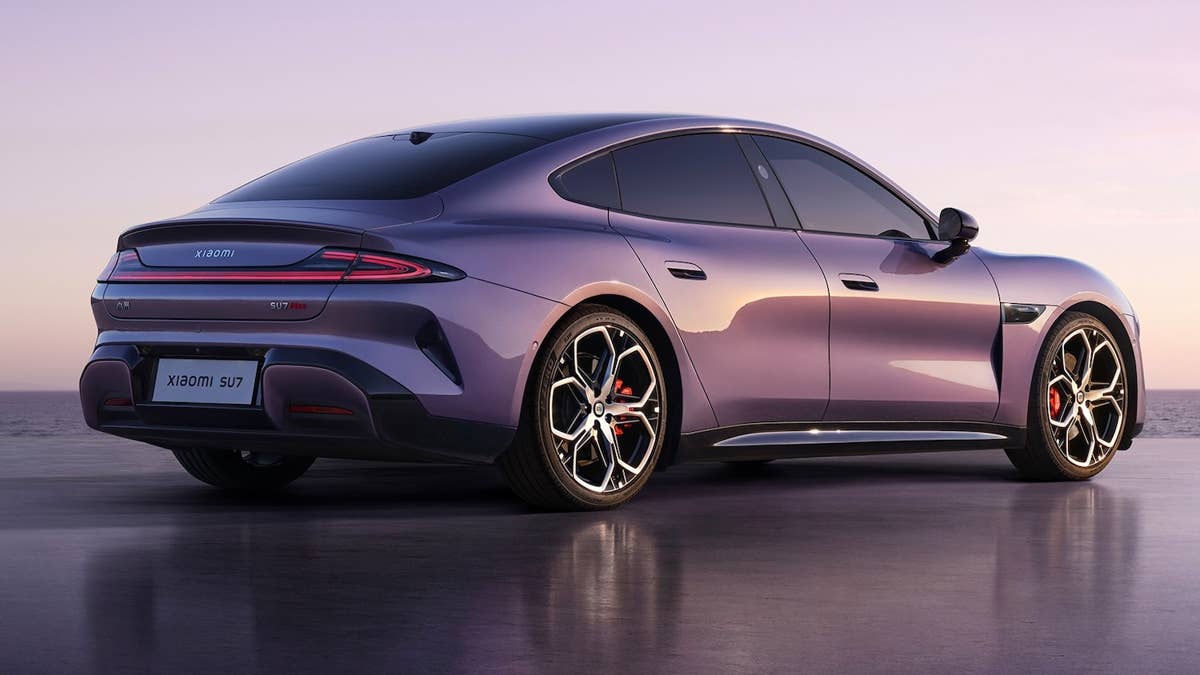
A Different Kind of Challenge
Speaking to Drive and other members of the Australian motoring press, Porsche Cars Australia CEO and managing director Daniel Schmollinger was quoted as saying, “I wouldn’t call it concern; I wouldn’t call it worried; I look at it as an opportunity.” The executive even went as far as saying he’s happy about the influx of Chinese marques, even as some are creeping into the luxury performance space, a space that Porsche also occupies.
So, how is competition an opportunity? Schmollinger reckons that those who get a taste of these Chinese EVs will wonder if there’s a higher, more elevated experience than what’s on offer now. The CEO reckons that Porsche will be the answer to that, adding that the company is “here for them,” once current Chinese EV owners are ready to step up.
With that, Porsche appears to be hoping that its name is still worth its gold and remains aspirational for many. But as Chinese cars develop at a rapid pace, the German automaker also risks relying solely on its legacy to sway customers to its showrooms. However, this is also where the opportunity opens up.
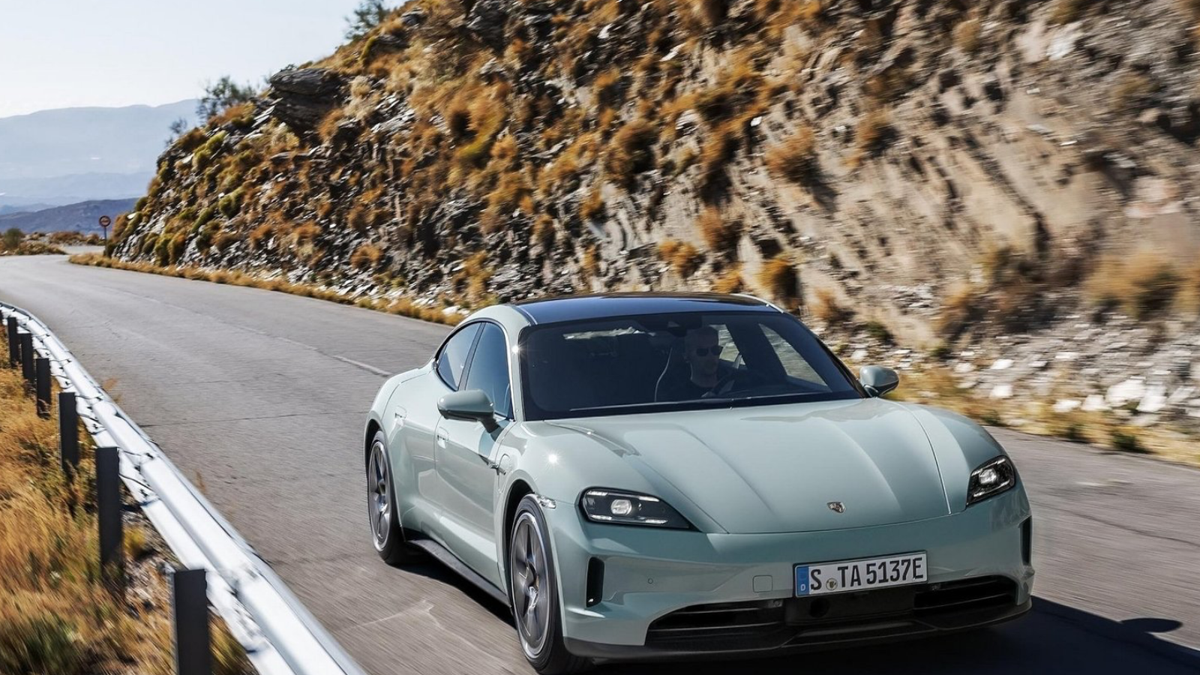
Porsche could take this chance to make its products shine even brighter. Currently, Porsche has the Taycan, Macan EV, and most recently, the Cayenne EV to fend off luxury performance electric vehicles from China. That said, it can explore expanding and enhancing its plug-in hybrid performance-vehicle portfolio, something the Chinese have been doing for quite some time.
A Tall Order
To do that, the company needs to double down on tech while delivering a high degree of emotional appeal, something most Chinese cars have yet to achieve. Not only do the cars have to impress, but they also have to instill the brand’s values that made it aspirational in the first place. It needs to do that while attracting new customers who are ‘graduating’ from Chinese cars, without alienating current owners.
A tall order, yes, but no one said that all opportunities would be easy. Porsche faces a mountainous challenge ahead as it tries to recover from a tough 2025 while deepening its collaboration with Audi. It will be interesting to see how Porsche will actually compete against ever-advancing Chinese cars, but it should make for interesting comparisons down the line.
Porsche