A Shift Years in the Making
Chinese cars have long faced skepticism over quality, often tied to perceptions of low-cost manufacturing. That stands in contrast to Japanese automakers, which are widely associated with craftsmanship – an identity brands like Lexus have long leveraged. But as technology and production methods continue to improve, Chinese cars are advancing quickly and beginning to put pressure on automakers around the world.
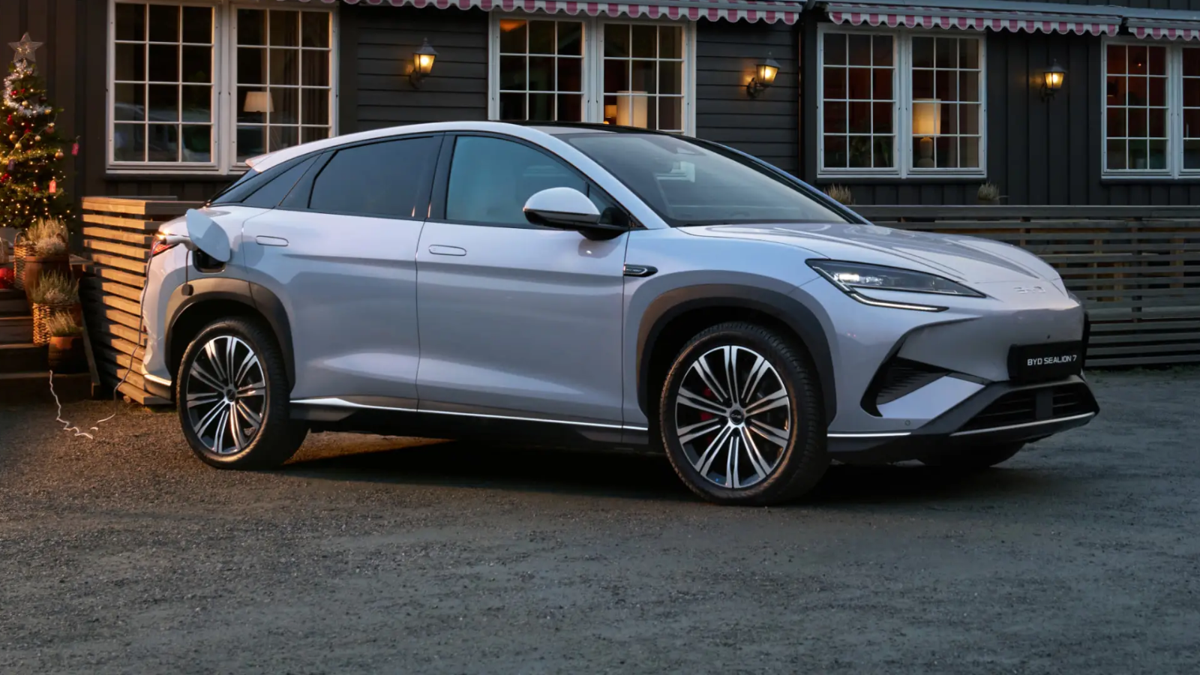
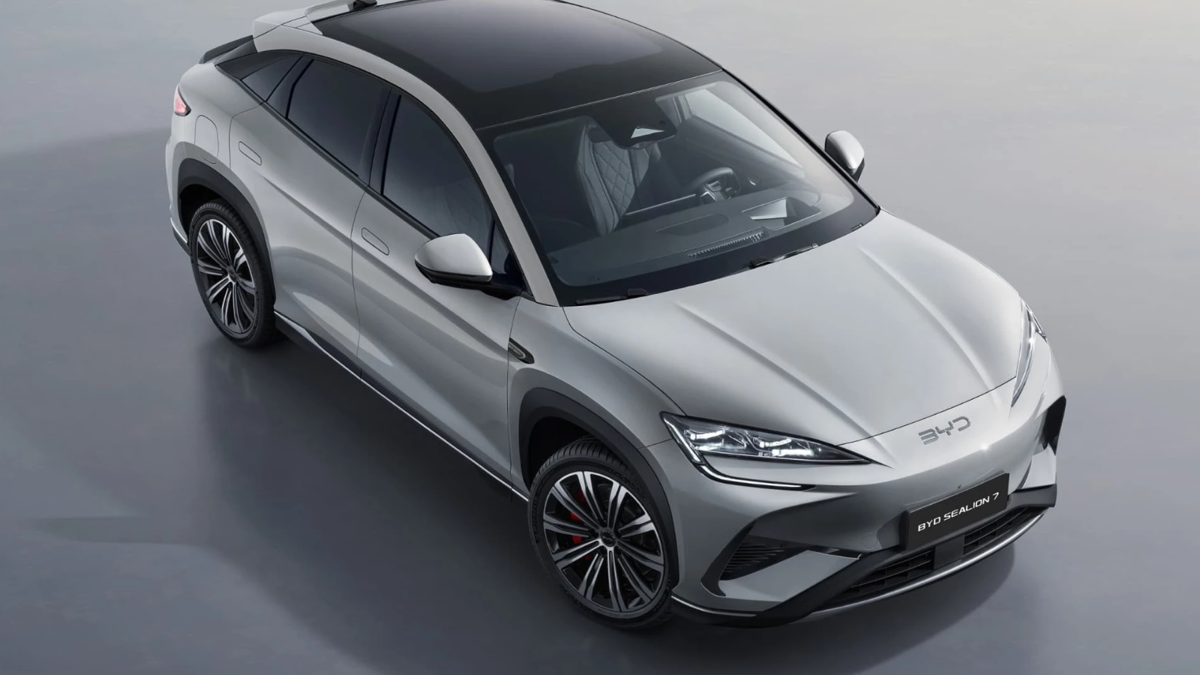
With the U.S. remaining hostile to Chinese cars, most American consumers still cannot easily get behind the wheel of one. For now, the next best thing may be hearing from people who have spent time with them. Here is one example: a report from Japan’s Best Car Web highlighted the suspension quality of the BYD Sealion 7, and Takahiro Kitami of Sanko Work’s had largely positive things to say about its hardware.
When a Pro Takes a Closer Look
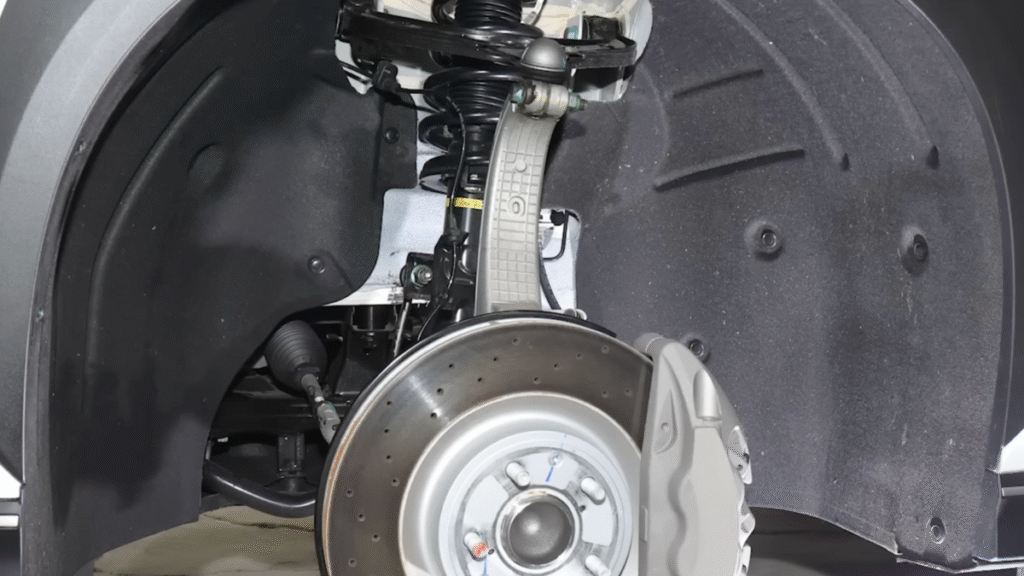
Kitami has worked on rally-prepped builds of vehicles like the Toyota Hiace (a commuter van) and the Nissan Leaf, with the latter, according to the report, even scoring a podium finish in the All-Japan Rally Championship, so it is fair to say he knows a thing or two about suspension tuning. He was impressed with the suspension setup in the BYD EV, which includes front double wishbones with aluminum arms, describing the overall approach as taking cues from Mercedes and BMW.
The rear suspension, which uses a multi-link design, also received praise, with Kitami noting that it was well thought out. He also pointed to the use of pillowballs, which can improve handling at the expense of some of the comfort provided by conventional rubber bushings.
The owner of the BYD Sealion 7 also noted that the dampers are developed in-house.
The Mechanics of a Better Ride
A well-engineered suspension is key to delivering a satisfying driving experience. It helps keep the tires in consistent contact with the road over bumps and through corners, improving both comfort and stability. Of course, better suspension hardware also adds cost, so automakers have to strike a balance between performance and affordability. As the report suggests, that appears to be the case with the Sealion 7, a midsize electric crossover positioned against rivals like the Tesla Model Y.
Whether Kitami’s assessment holds up in the real world remains to be seen, especially considering the Sealion 7 was only introduced in 2024. Still, Canadians may soon get the chance to judge Chinese cars for themselves, as Canada has opened the door to them under lower tariffs and a limited first-year quota of 49,000 units, with BYD expected to enter the market, along with Geely and Chery. For Americans, meanwhile, a trip north may remain one of the few ways to experience one firsthand, as the U.S. has made clear that Chinese-made EVs will not be allowed to cross the border.