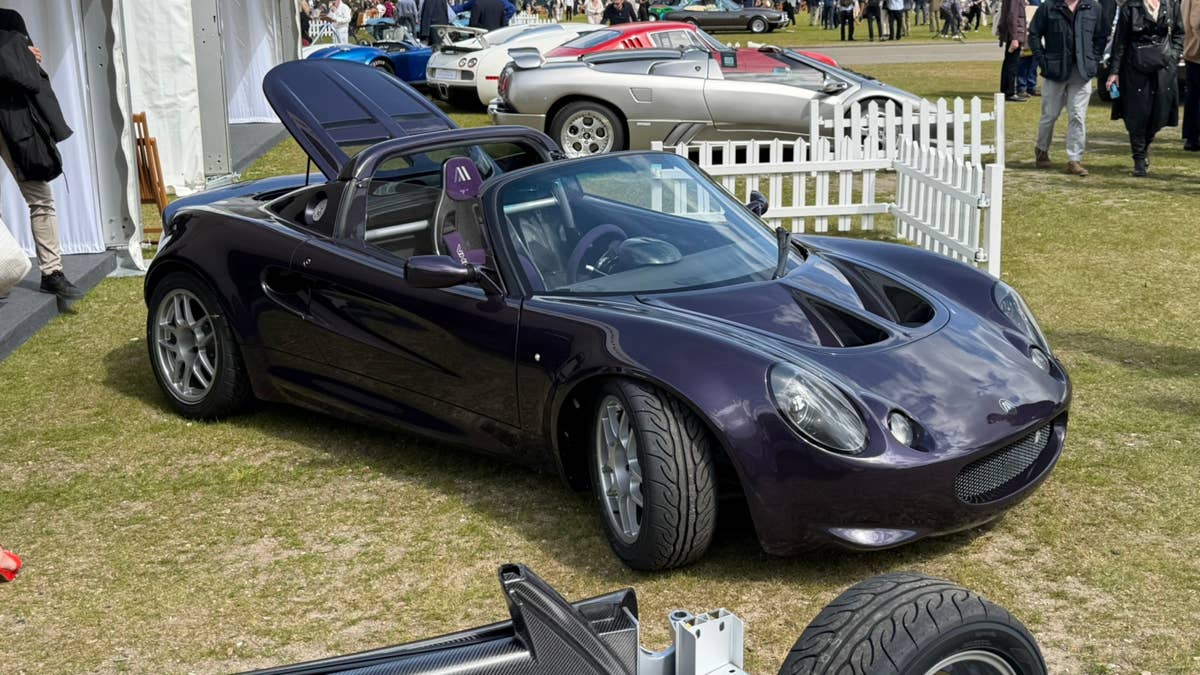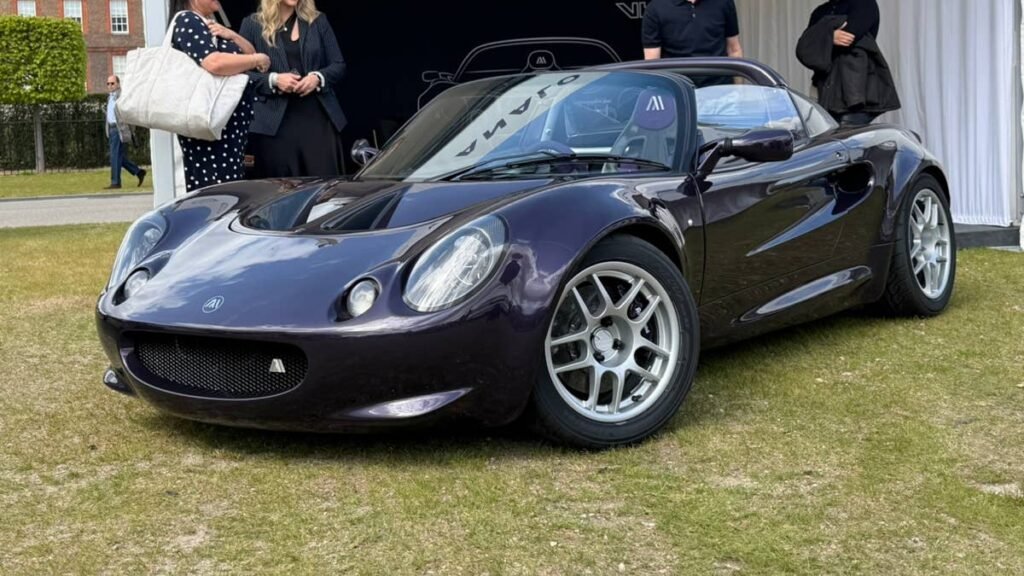
At the 1995 Frankfurt Auto Show, the Series 1 Lotus Elise was revealed with a 1,600-pound curb weight, and it’s been the benchmark for lightweight, driver-focused motoring ever since. 30 years on, Analogue Automotive has reimagined the S1 Elise as a low-volume single-seater called the VHPK, using carbon fiber and aluminum to make it even lighter—1,320 lbs, or 599 kilograms. Not even Gordon Murray’s exceptional T.50 comes close, weighing a relatively obese 2,198 lbs.
The result is 400 horsepower per tonne, and with space only for the driver, the VHPK is set to be one of the most engaging driving experiences on the planet. Revealed at this year’s Salon Privé Concours in the U.K., we saw the car in all its glory and spoke with founder and CEO Steffen Dobke about what customers can look forward to.
VHPK Uses a Legendary Engine, Obsesses Over Lightweight
Adam Lynton/Autoblog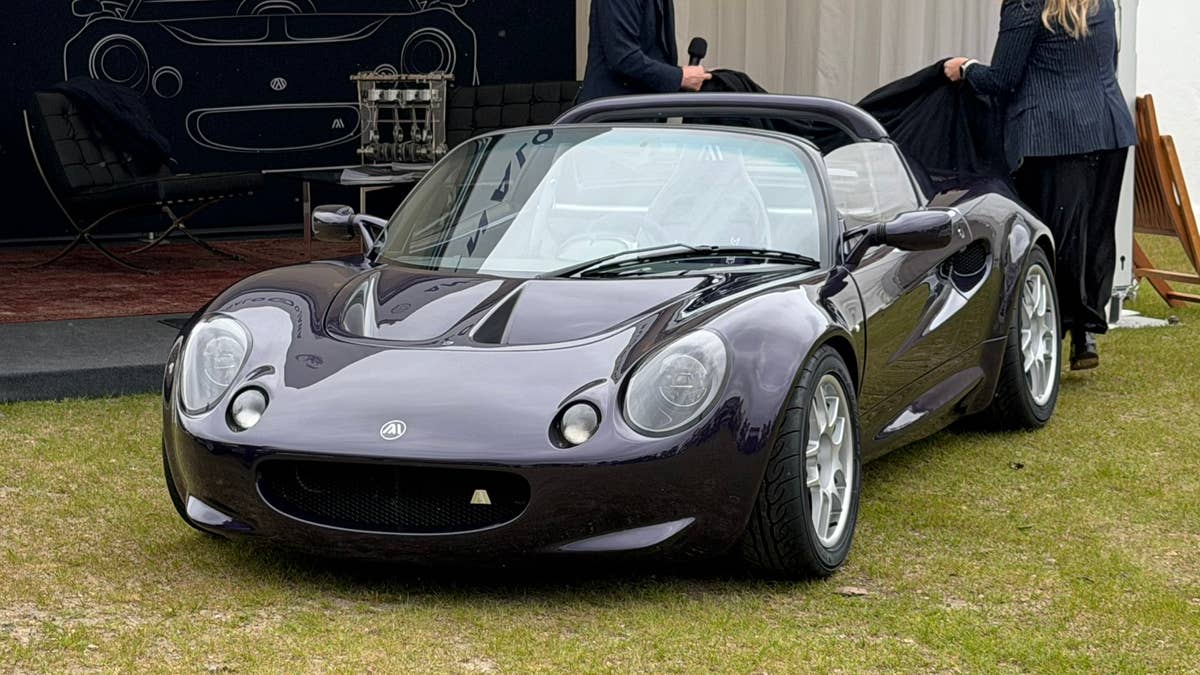
Behind the driver is the famed Rover K-Series twin-cam engine, bumped up to 1.9 liters and boasting a billet crankshaft, forged connecting rods and pistons, and fully bespoke billet camshafts. The engine breathes through a full stainless-steel exhaust and is partly insulated by gold leaf (Gordon Murray would be proud). Along with a MoTec ECU and powertrain control module, the result is over 250 hp. Analogue Automotive hasn’t revealed torque, acceleration, or top speed figures, but in something this light, those details are all but academic. Still, with a PG1 five-speed close-ratio manual transmission sending power to the rear wheels via a limited-slip differential, the experience will surely be visceral, encouraging the driver to drain the 12.7-gallon aluminum gas tank over and over again. Naturally, something like this is best suited to the track, and with rose-jointed suspension (like the 997 GT3 RS 4.0, for example), plus multi-way AA-spec passive dampers, aluminum uprights and steering arms, feedback from the asphalt will be anything but insulated. Optionally, buyers can opt for fully active suspension, too.
Adam Lynton/Autoblog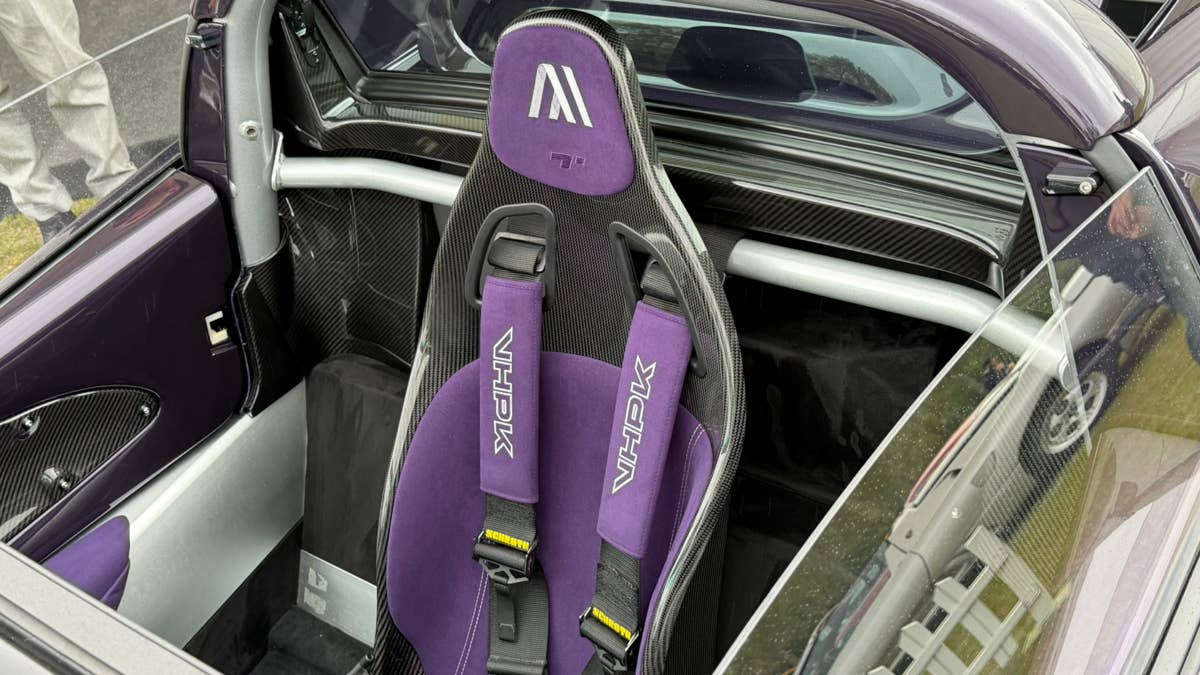
Elsewhere, the car boasts carbon-ceramic brake discs with Pagid ceramic pads, helping keep unsprung weight to a minimum, with four-pot calipers from AP Racing. These are surrounded by the same 15-inch front and 16-inch rear wheels as the SuperSport two-seater, with forged wheels and Yokohama rubber optionally available. Speaking of options, each of the 35 examples intended for production can be had with carbon fiber-barreled wheels that save some 26 lbs, and the carbon fiber bodywork can be ordered with an exposed finish enhanced by either clear or tinted lacquer. This would complement the carbon fiber Tillett Racing seat and Alcantara interior trimmings nicely (seen here, in part, in a stunning purple), but customers can order any paint finish they want, too, with Analogue Automotive CEO Dobke promising no two vehicles will have the same finish. That brings us to pricing…
VHPK Customers Hail From All Over The Globe
Adam Lynton/Autoblog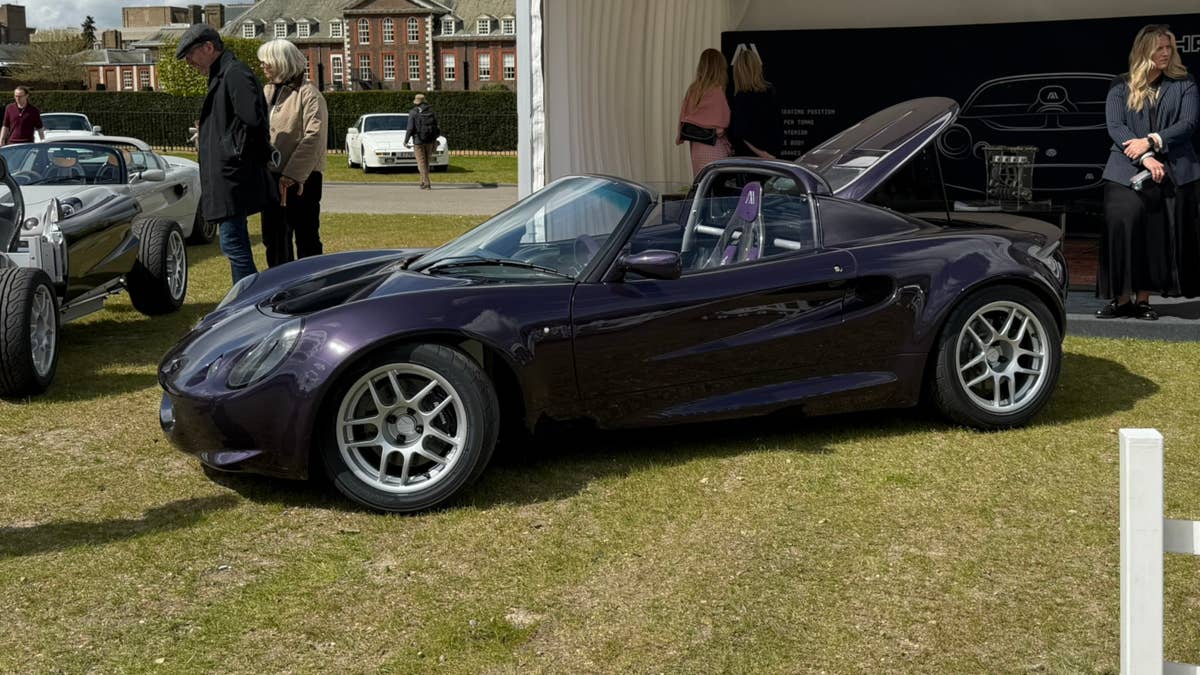
At £350,000 ($473,510) plus taxes, shipping, and transportation costs, the VHPK is far from affordable and nearly 18 times pricier than the S1 Elise was at launch, but that hasn’t deterred buyers from the U.K., Hong Kong, Japan, and the U.S. from placing orders (Gordon Murray likely isn’t one of those buyers because he doesn’t fit in a regular Elise). Dobke tells us that six of the 35-unit production run have been allocated, so there’s still time to reserve one. Place an order today, and your ultra-lightweight single-seater will be ready in roughly 10-12 months, depending on the spec (exposed carbon will naturally take a little longer than painted carbon). Sure, there are faster, more powerful, and more luxurious cars in this price bracket, but nothing will come close for pure, analog feedback, and we hope to see some at track days around the U.S., not locked away in garages gathering dust.
Adam Lynton/Autoblog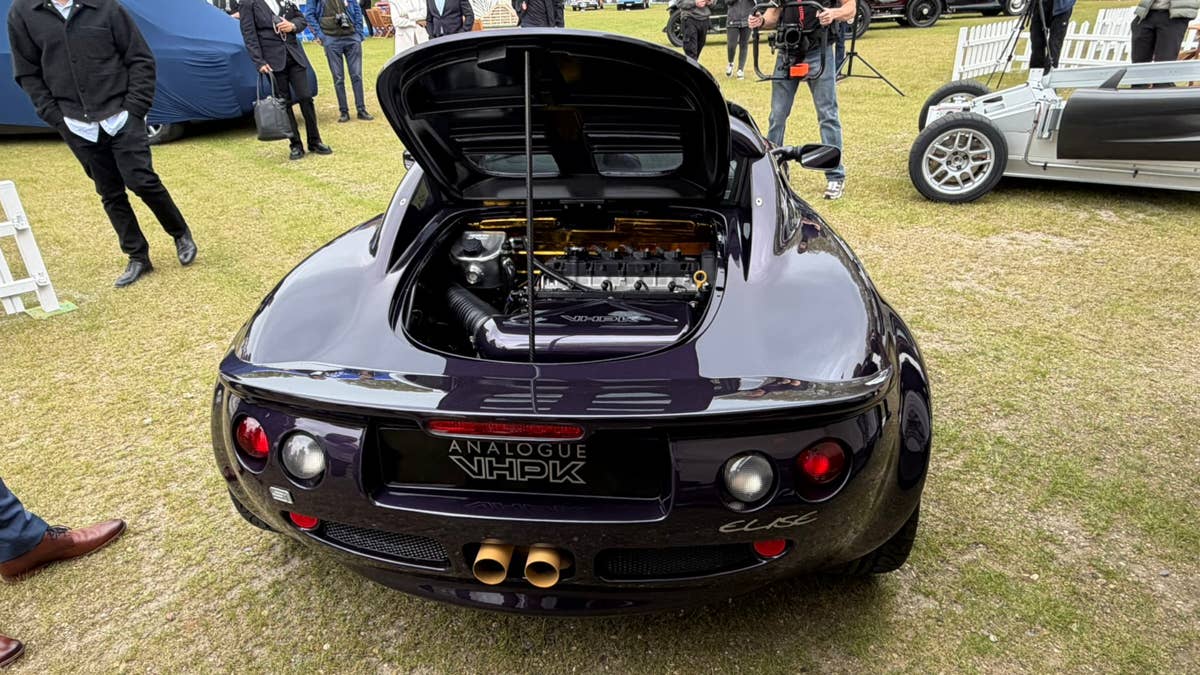
Adam Lynton/Autoblog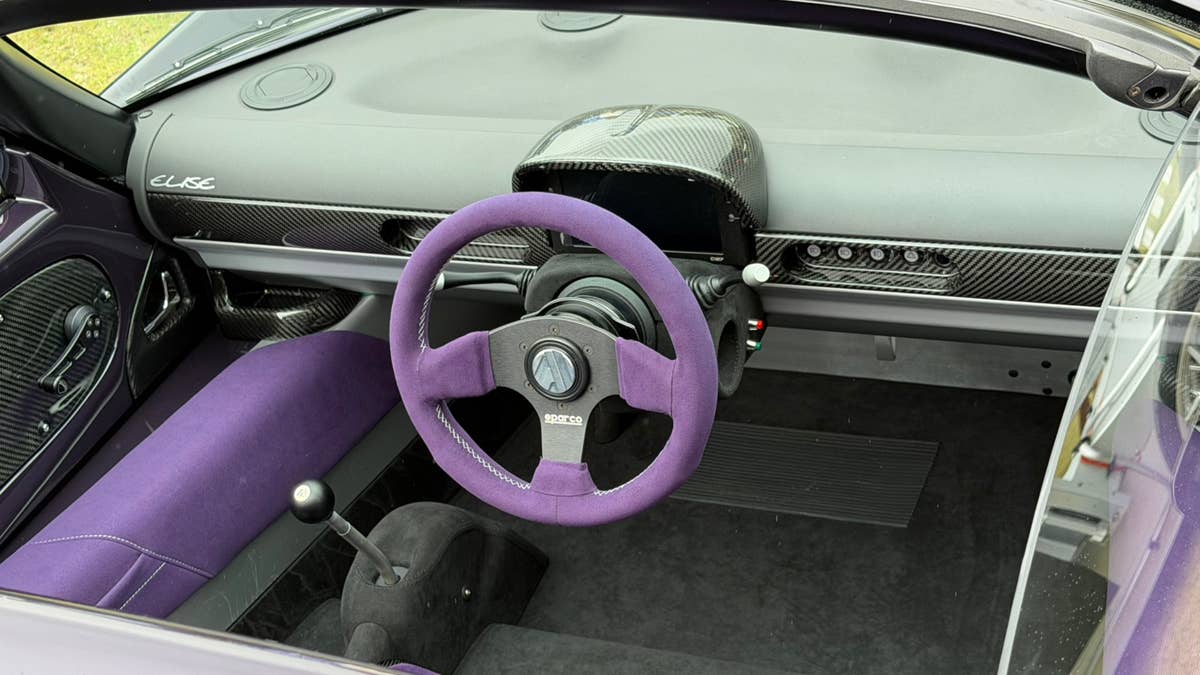
Adam Lynton/Autoblog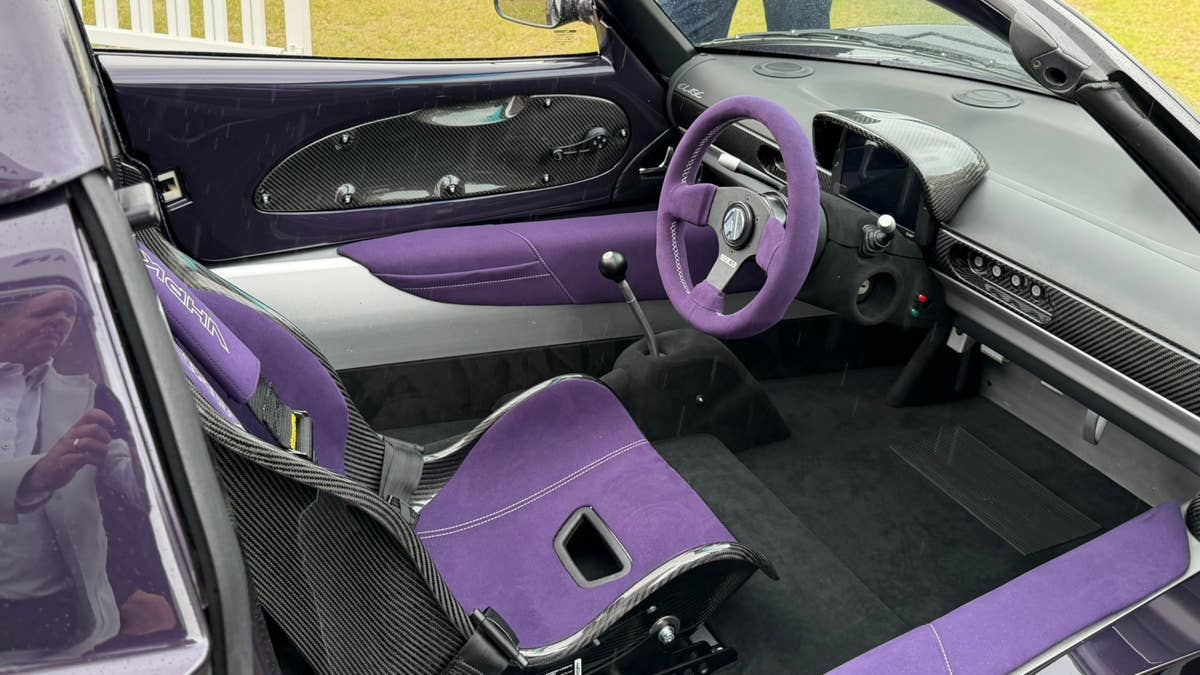
Adam Lynton/Autoblog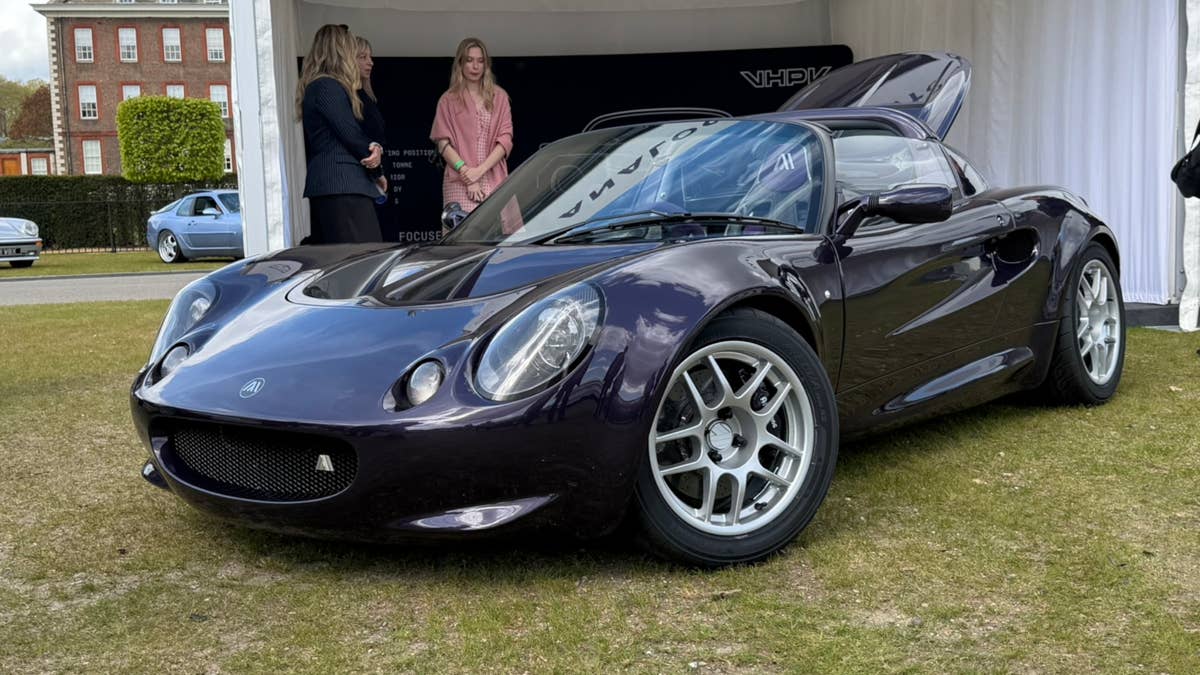
Adam Lynton/Autoblog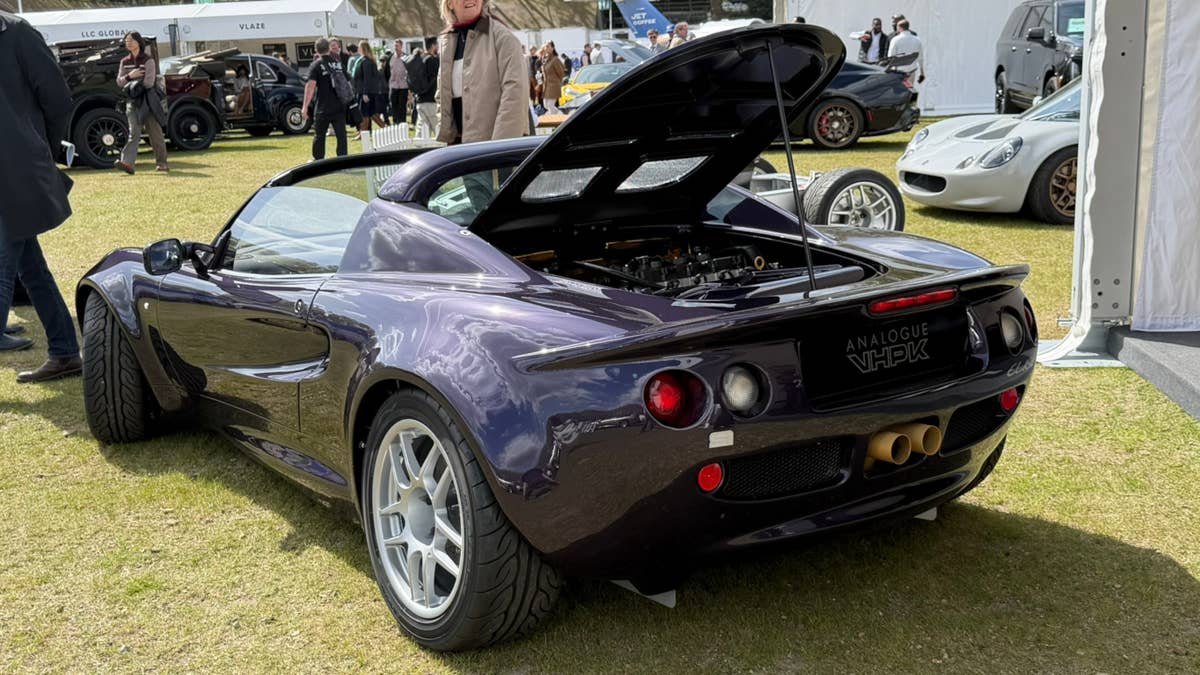
Adam Lynton/Autoblog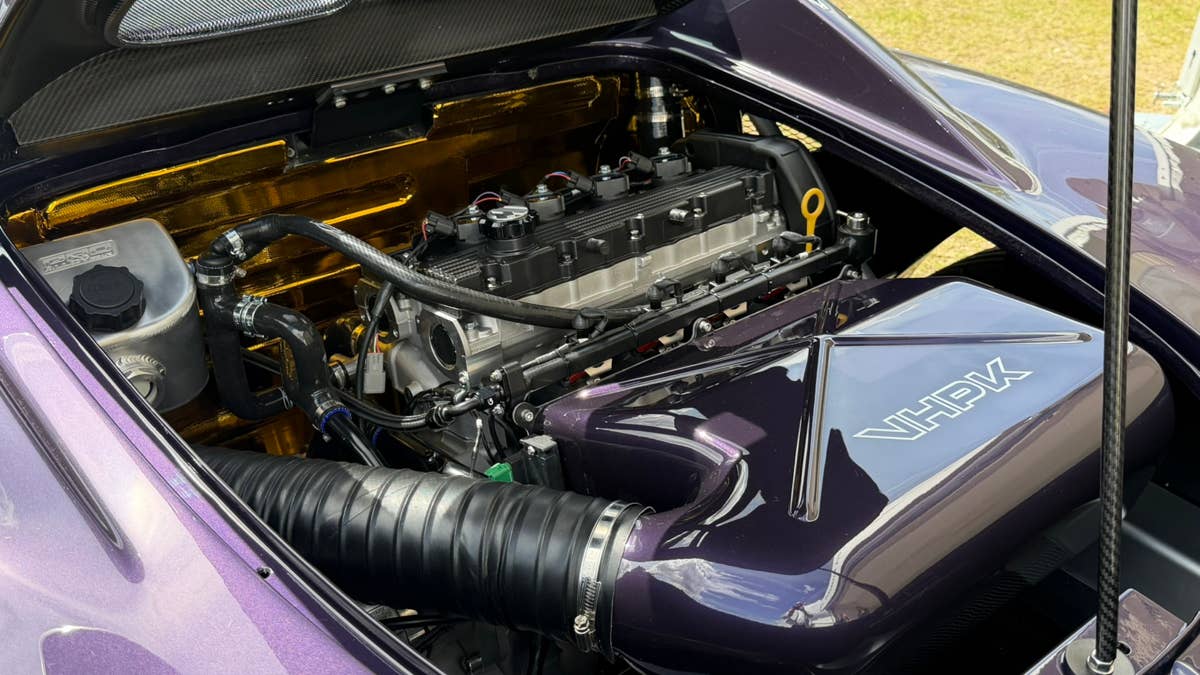
Adam Lynton/Autoblog