Car Owners Are Doing the Math
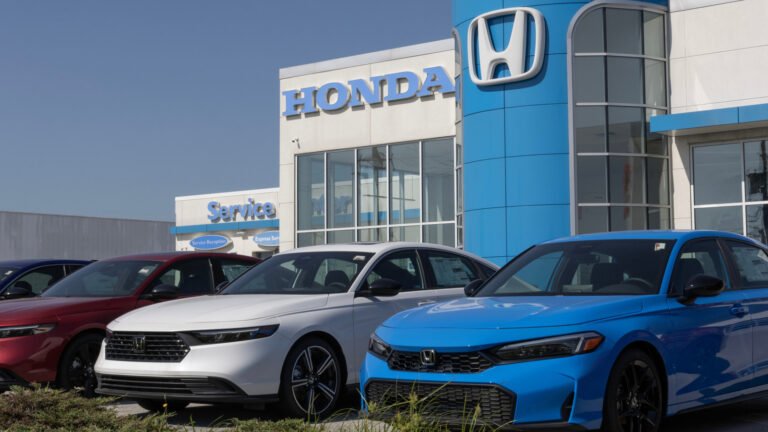
While dealership servicing is often recommended, some owners prefer taking their cars to independent shops. A recent Ducker Carlisle study touched on that trend, finding that price is the main reason behind the shift.
Ducker Carlisle’s Nate Chenenko told Automotive News that quick lube shops made more money from 2024 to 2025, while dealerships made less. Both quick lubes and dealers are raising prices, though the former is doing so at a slower rate. The study also found that dealers are struggling to retain customers, especially after the free maintenance period, which usually lasts up to two years, ends.
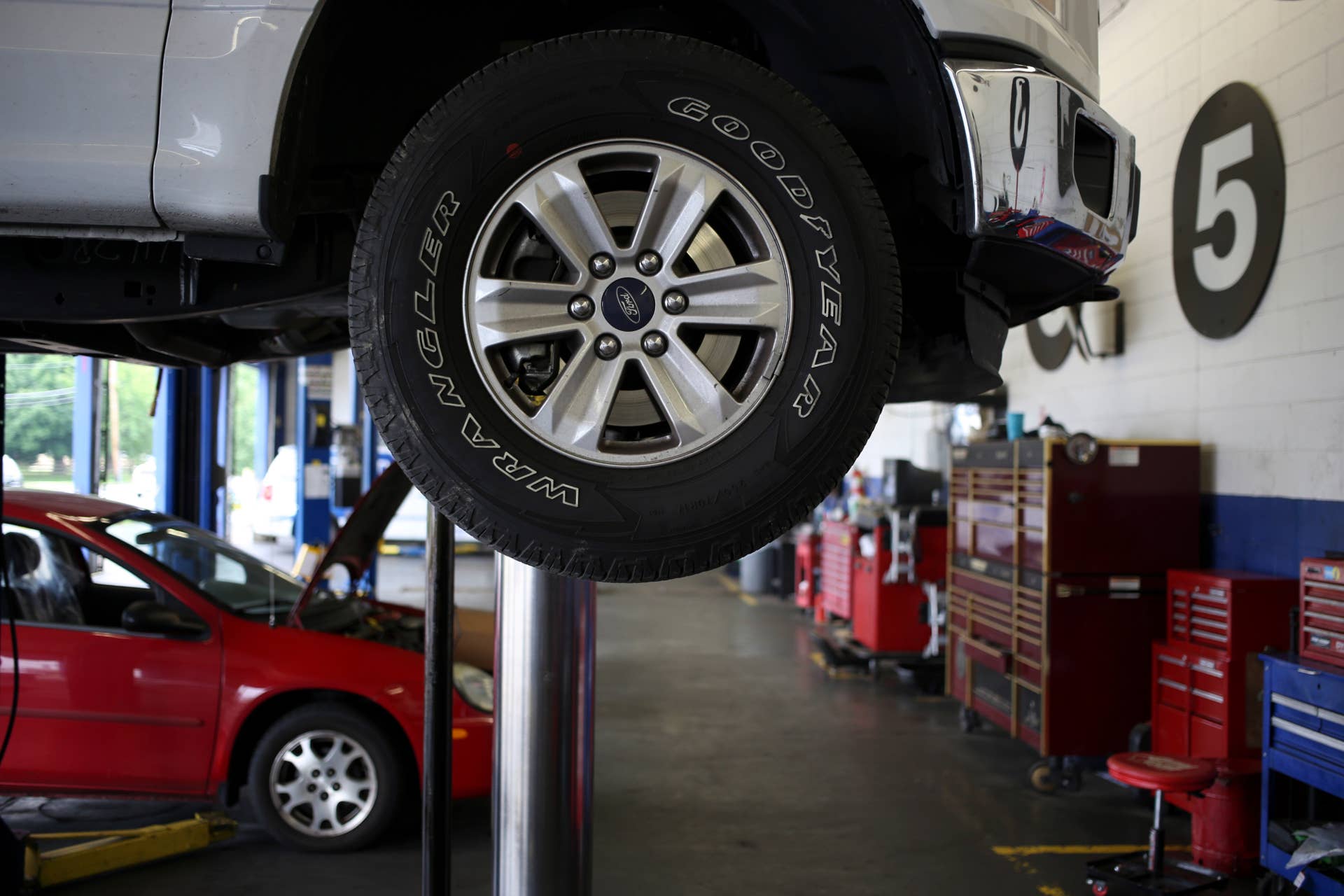
Ford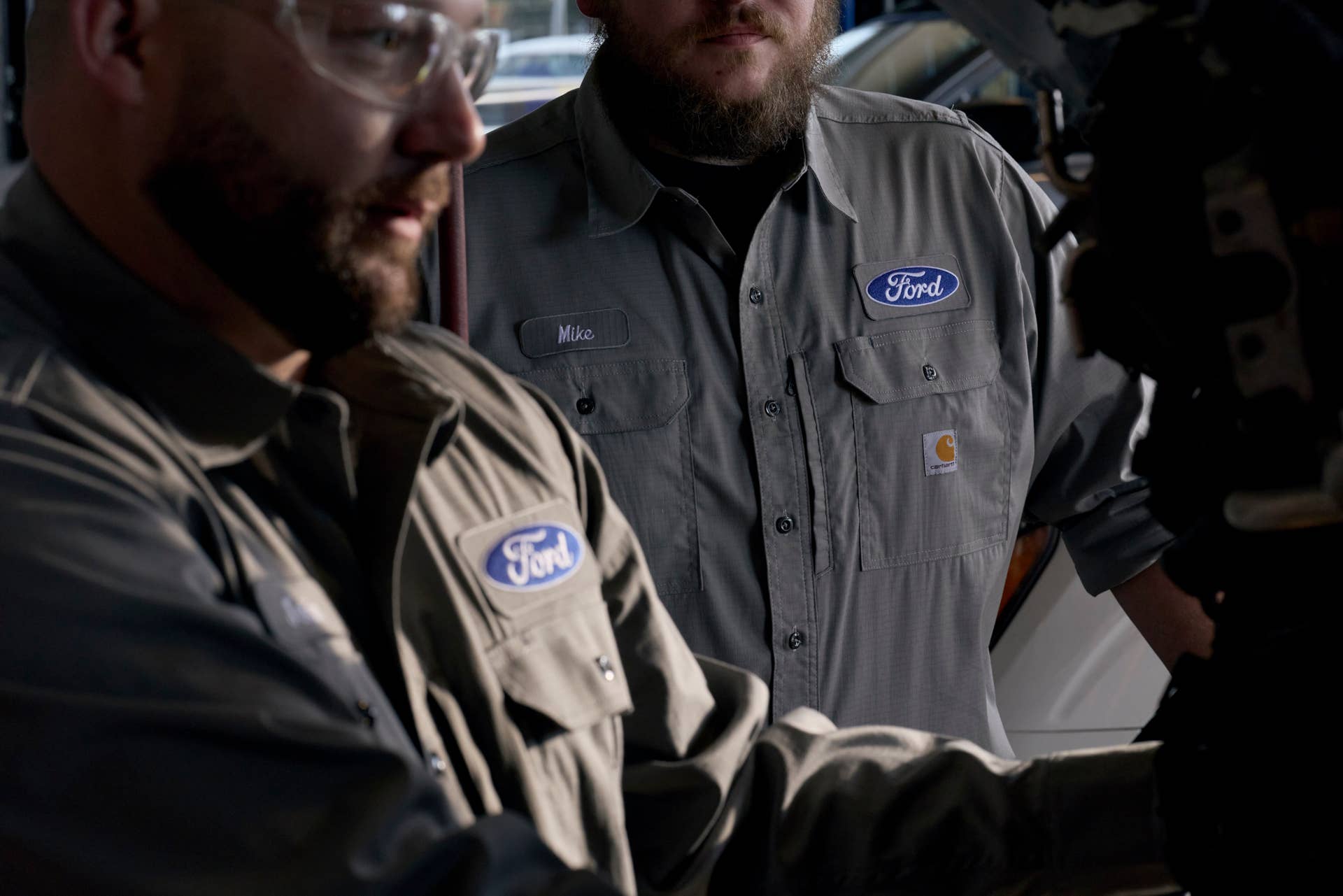
The Industry Is Adjusting
Market share for quick lubes, independent repair facilities, and tire chains increased from January 2025 to January 2026, with the study saying those gains came at the expense of dealerships. Interestingly, this happened even as automakers continue bringing more EVs to market. As a refresher, EVs do not need oil changes and can be more cost-efficient to maintain, thanks to fewer moving parts and fewer fluids to replace. Many manufacturers also offer warranties that cover high-voltage batteries.
The overall number of transactions across the industry fell 11% from January 2025 to January 2026. Dealerships saw the steepest decline at 13%, followed by independent shops at 9.6%, tire chains at 8%, and quick lubes at 7.8%. The study also measured transaction dollar amounts, which declined 8.3% across the industry over the same period. Dealers again saw a larger drop at 11%, followed by tire chains at 6.4%, independent shops at 4.8%, and quick lubes at 3.4%.
Getty Images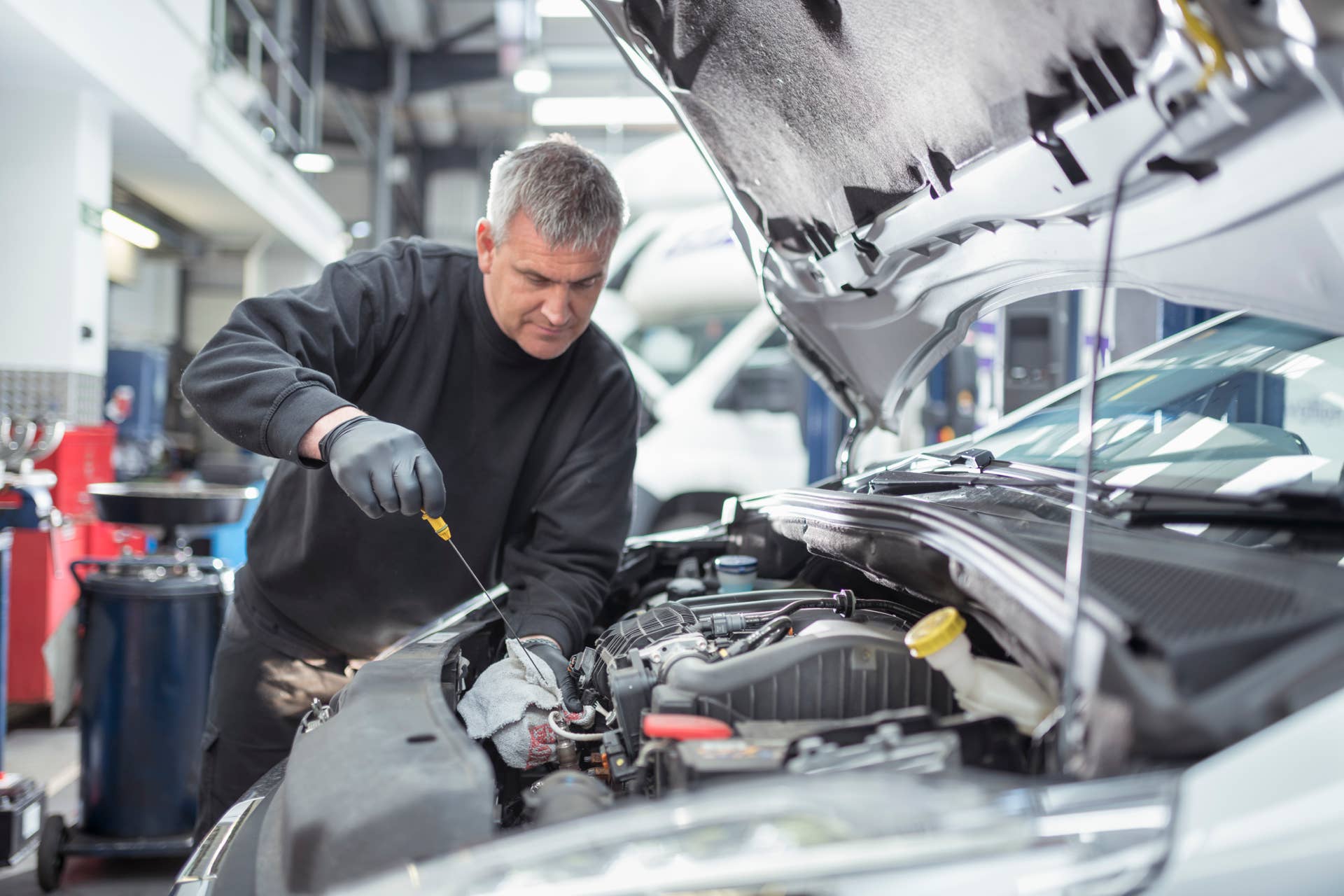
What Dealers Can Learn
For car owners, the hope is that dealerships take this trend into account and come up with more compelling ways to keep customers in their service bays. After all, dealers don’t just rely on vehicle sales – service is a key part of keeping the business running.
“Knowing this helps OEMs price – maybe they’re too expensive relative to tire chains, for example – and market themselves,“ Chenenko said.
That could become even more important as more EVs enter the market, including the Rivian R2 and Kia EV3. Quick lubes may also see EV adoption as a long-term threat, though not an immediate one, given the strong demand for ICE vehicles in the U.S. Over time, that shift could give independent shops and tire chains more room to grow, especially if dealerships fail to give customers stronger reasons to keep coming back to their service bays.