Turning Up the Volume Again
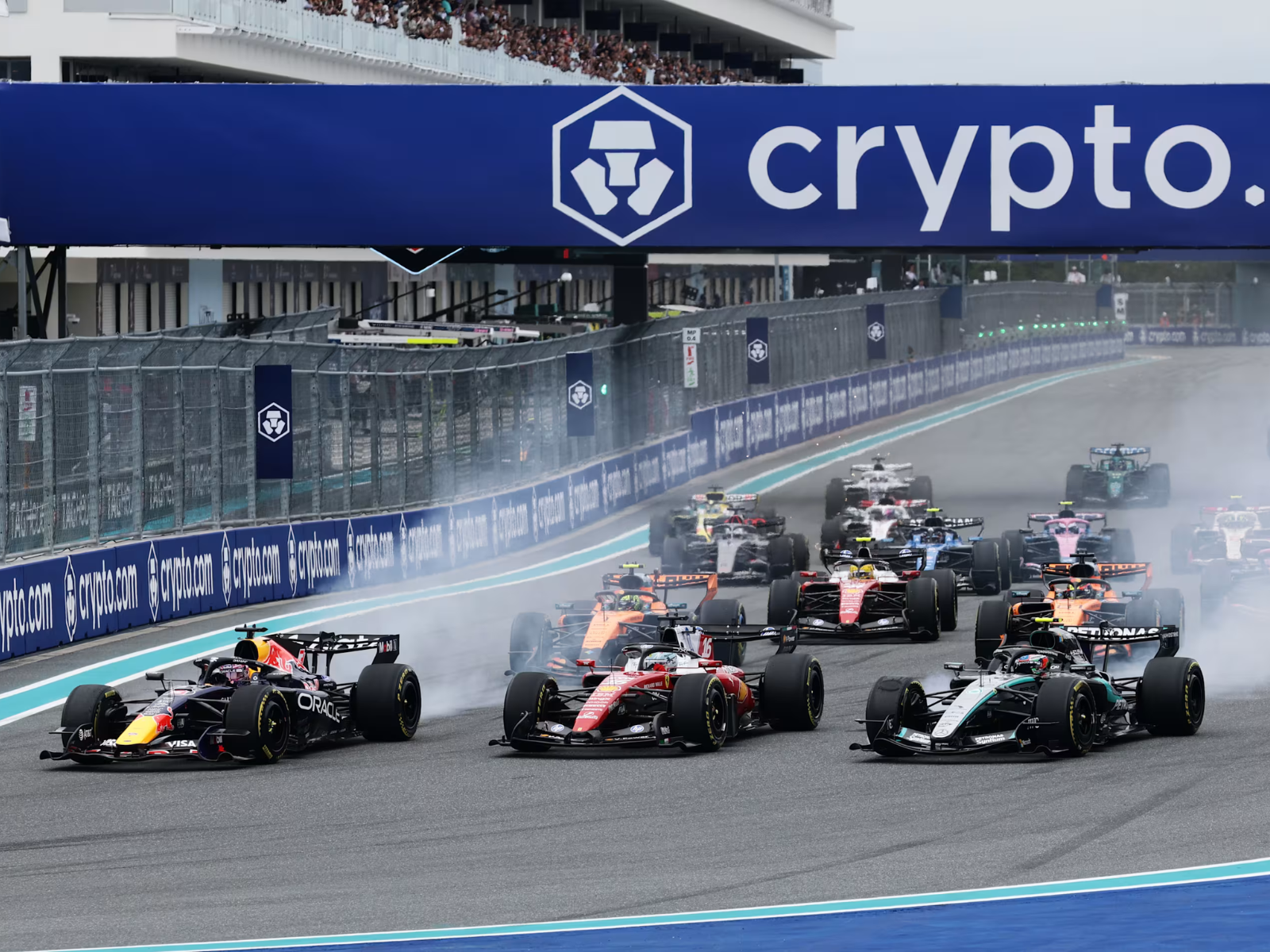
After Formula 1 switched to hybridized V6 engines in 2014, fans complained about the loss of the thrilling sound produced by the old V8s. With all the talk around sustainability and emissions, engines with more cylinders seemed unlikely to return to the grid. But that could change, as Reuters reported that FIA president Mohammed Ben Sulayem said a switch back to V8s is expected by the end of the decade.
The return to V8s would likely be made possible by sustainable fuel, one of the main targets of the 2026 engine regulations. But according to Ben Sulayem, electrification would play a smaller role, marking a major contrast with the current hybrid system, which delivers a near 50-50 split between the combustion engine and the motor-generator unit, or MGU-K.
The Path Back to V8s
The next regulation cycle is currently set to run until 2031, which could mark the return of V8s to Formula 1. However, the FIA president said that if a supermajority – four of the six manufacturers – votes in favor, the switch could happen a year earlier, in 2030.
“It’s coming. At the end of the day, it’s a matter of time,” he said.
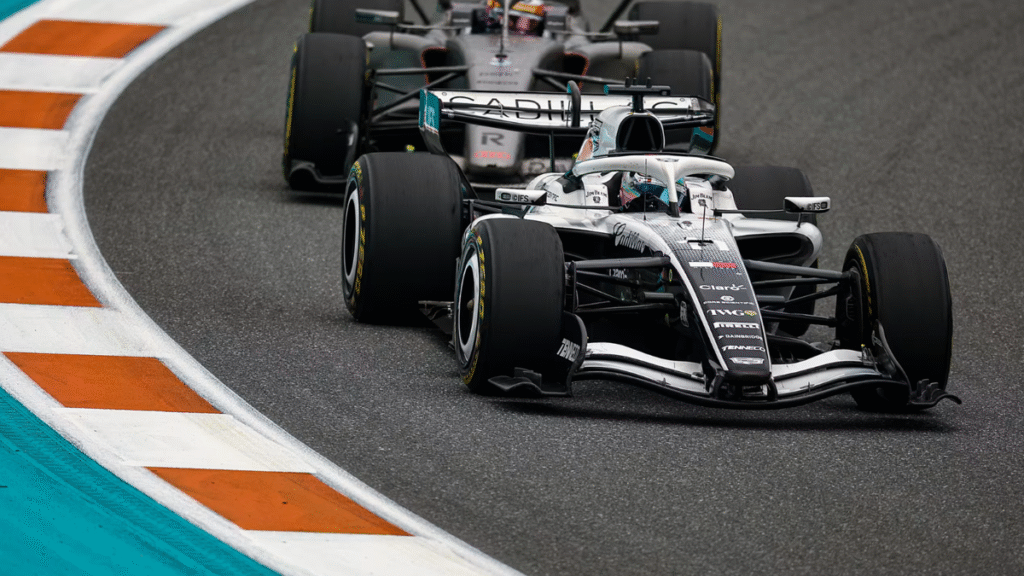
For American fans, this could be an interesting development, especially with General Motors, through Cadillac, now part of Formula 1 as the 11th team. It is safe to say V8s are GM’s wheelhouse, with that configuration powering some of the company’s most iconic performance nameplates, including the Chevrolet Corvette and Camaro. Ford is also back in the sport, though only as a technical partner of Red Bull Racing.
Cadillac currently uses a Ferrari powertrain, but it will eventually develop its own. Other power-unit manufacturers include Audi, Mercedes, Ferrari, Red Bull, and Honda.
More Than Lap Times
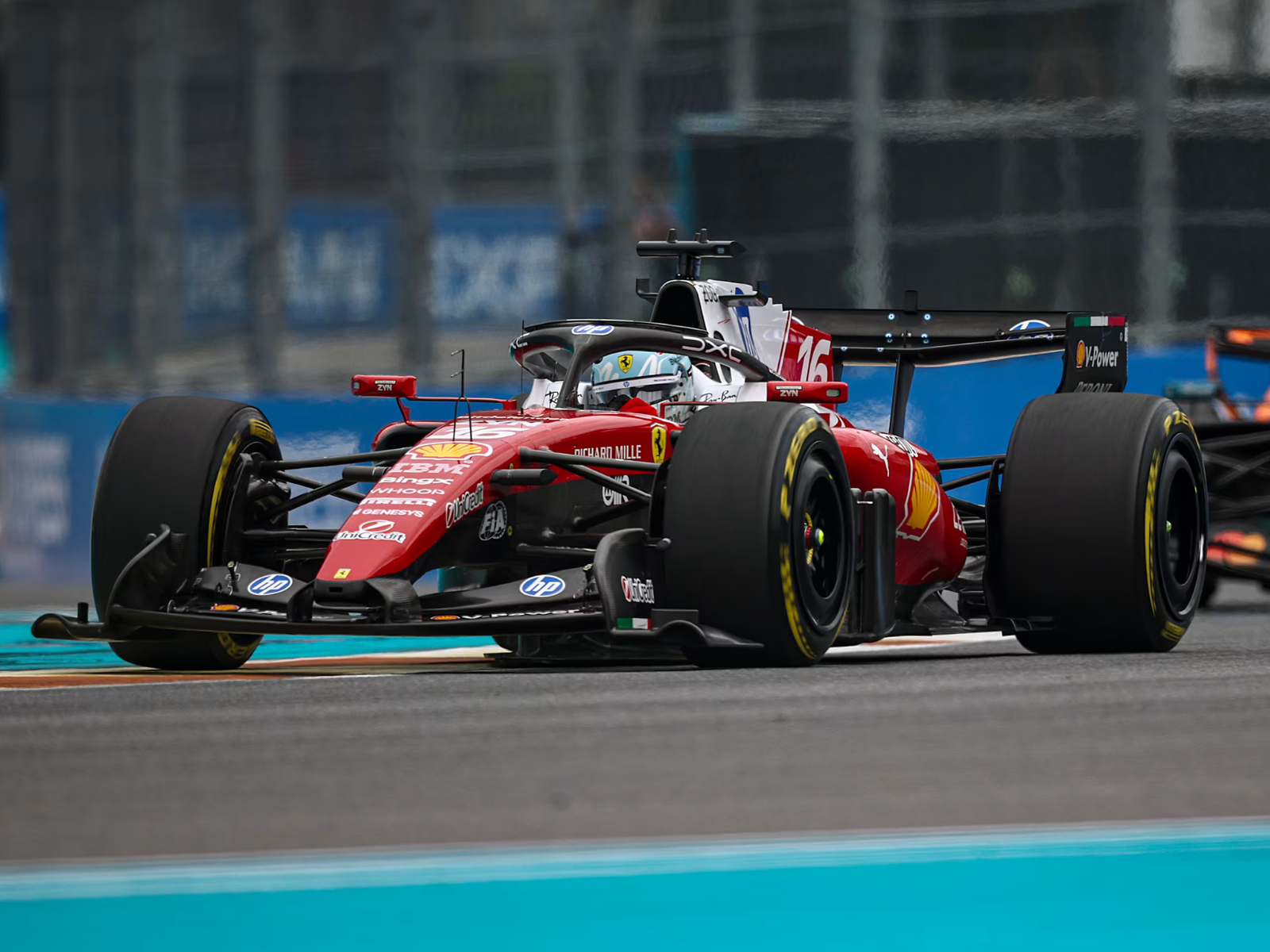
Outside of motorsports, a switch back to V8s could also help participating automakers further develop V8 technology for road-going models. After all, beyond the glory of podiums, automakers have long used racing to gather data from tracks around the world and apply those insights to improve the cars they sell in the market.
For instance, the Mercedes-AMG One uses a 1.6-liter V6 hybrid engine directly derived from F1. That likely helped the hypercar secure the fastest lap time for production cars at the Nürburgring in Germany, widely considered one of the ultimate proving grounds. The Ferrari 296 GTB also shows how the Prancing Horse brand has brought V6 hybrid performance into a road-going supercar. As such, if a switch to V8s does happen at the end of the decade, it would also be interesting to see what types of new road-car projects it could inspire.