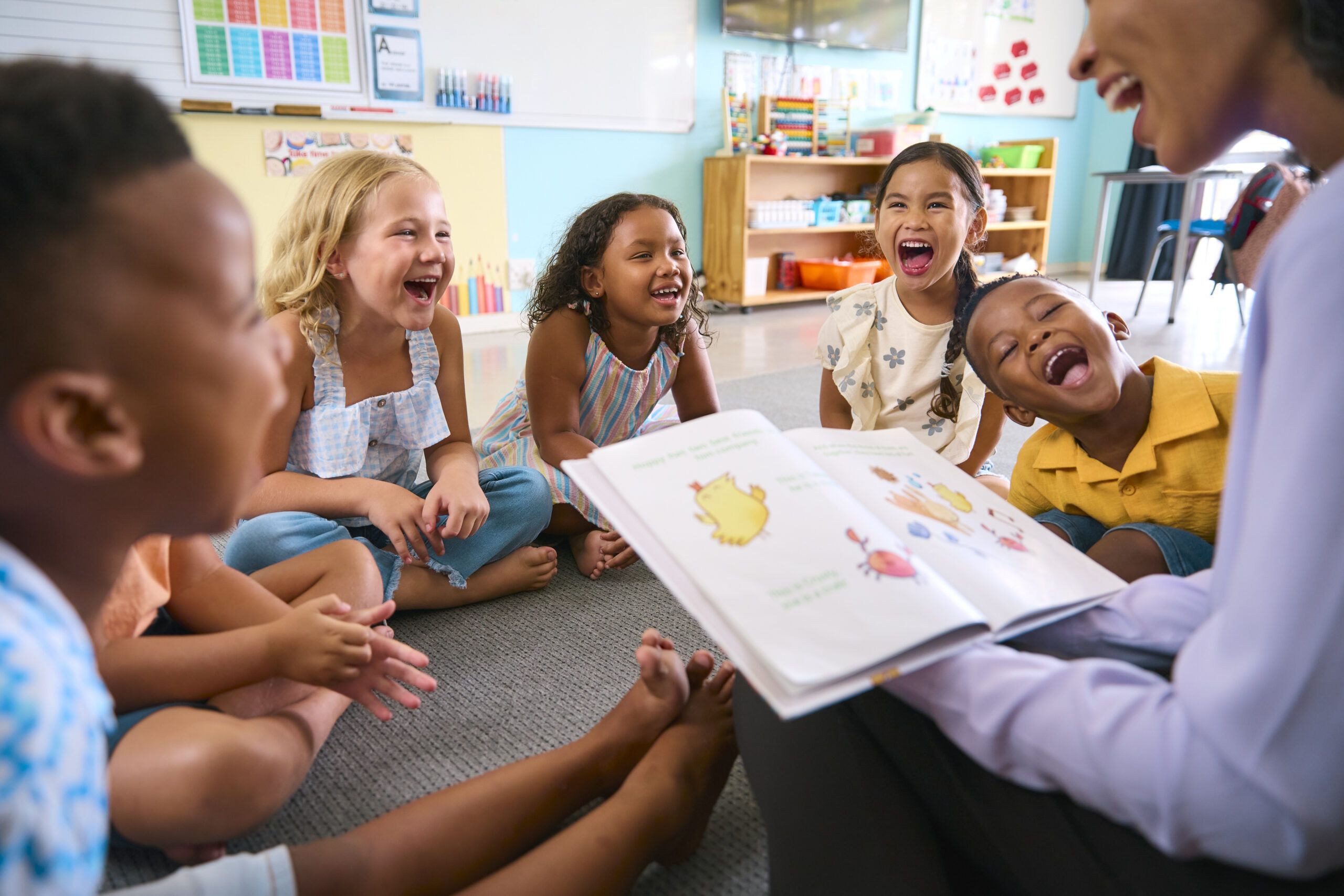
What we say to children matters – sometimes much more than we realise.
Words are powerful. Warm, caring words encourage and inspire us, but cruel, demeaning words can demoralise or even frighten us – and those words stick, with effects that shape who we are and who we become, throughout our lives.
We all remember things adults said to us when we were children ourselves, and how it felt to hear those words. We might recall something someone said that gave us a spring in our step or put a smile on our faces, or something that filled us with doubt and dented our confidence. Our brains are built in response to the relationships we grow up with, and the tone of sounds and words around us, and this happens right from the moment we’re born.
Although it’s often unintentional, two in five (41%) children experience verbal abuse from adults. It’s a form of emotional or psychological abuse, commonly used to intimidate and undermine a child, and maintain a level of control and power.
Verbal abuse means using negative words and language that cause harm, such as shaming, blaming, belittling, name-calling or ridiculing, threatening or criticising. It’s not just about shouting and screaming – it can also be quiet, insidious and subtle.
How words shape children’s development
While it can be unthinking and a result of busy, stressful lives, verbal abuse isn’t just about how children feel in that moment. It can have a profound and lifelong impact on children’s confidence, mental and physical health, and their development. It can lead to anxiety, depression, eating disorders, substance misuse, self-harm, and even suicide.
It’s common and easy to underestimate the impact of harsh words. In our childhoods, our bodies and brains are actively shaped by our relationships and experiences – especially during key periods like our early childhoods and teenage years.
All children need compassion, connection, acceptance and love. They need consistency and positive, supportive words to develop trust and emotional security. These warm interactions build strong foundations and are crucial for a child’s progress. Without them, children are more likely to experience difficulties later on.
Destructive language undermines and chips away at these foundations. It can make us feel worthless and hopeless, with long-lasting consequences for our development.
When we respect children, they respect themselves and others
Thinking about the words we use and the impact they have is a big responsibility, yet most of us never get any guidance on how our words affect children. In research with over 1,000 parents or carers and over 1,000 children, participants were asked what would help to protect children from hearing hurtful language – and nearly two thirds of both groups said adults need clearer guidance on how their everyday language affects children’s wellbeing.
Our opinions and the words we say – as their parents, caregivers or as adults in positions of power, such as teachers – form a child’s belief in who they are. When we treat them with respect, they learn to respect themselves and others.
That’s the good news. Every single one of us can take positive action for the benefit of the children around us. It’s never too late to learn, understand or put things right – and through awareness and practical change, we can prevent verbal abuse from happening in the first place. We can start with something as straightforward as apologising when we realise we’ve said something harsh or hurtful.
Ending the verbal abuse of children by adults
Our charity’s aim is simple and ambitious: we want to end the verbal abuse of children by adults.
We know we can’t do this on our own. It’s often said that it takes a village to raise a child, and we will need a much larger community of people to come together and take action if we are to achieve our vision of a world where all children can thrive and reach their full potential, free from verbal abuse.
We collaborate with experts, organisations, decision-makers and people with lived experience of verbal abuse, to help identify what will make a difference. Our approach is rooted in research, because we can design stronger solutions if we understand the problem better.
Raising awareness is crucial too. We want verbal abuse of children to be taken seriously, and to raise its profile as an urgent issue for action. With greater awareness, we can stop it and repair the damage our words can cause. If we know better, we can do better.
More support lightens the load for everyone
We recognise that adults need support too. One of the ways we can help is by sharing free educational resources, and we have a growing range of these, tailored to different needs and settings, including:
- talking to children about a separation, divorce or starting a new school
- tools for people who have experienced verbal abuse themselves, and
- talking to neurodivergent children and young people.
Each resource is created by experts and built on evidence from research and lived experience.
Our comprehensive ‘Talking with teenagers’ guide, published just a few months ago, focuses on one of the most sensitive and critical times in young people’s lives.
Children and young people’s bodies and brains continue to develop for longer than we might think, and our words continue to hold great power all the way through childhood and into adolescence.
Our brains don’t fully mature until we’re in our mid-to-late 20s. The prefrontal cortex – responsible for functions such as reasoning, impulse control and critical thinking – develops last. Along with heightened sensitivity to criticism and hormonal changes, and a developing sense of identity, it’s a uniquely challenging time for both teenagers and adults. Just a single conversation can plant seeds of confidence or self-doubt that can influence how we see ourselves throughout our lives.
Our guide offers practical tips to support parents, carers and teachers through this period.
Another developmental stage we’re focusing on is children’s early years, and we’re working on a new guide to support adults during this time.
Helping adults to discover the power of their words
Our newest resource is a free online course, designed for parents, carers, educators and any adults. This three-week course is the first of its kind and features compelling insights from world-renowned experts. It draws on the latest research and neuroscience to explain why words matter, alongside practical tips for real-life situations. It also includes children and young people’s perspectives.
-

 Words Matter
Words Matter: How to Communicate with Children so they ThrivePsychology & Mental Health,Teaching
We’re absolutely thrilled to see how many people have already completed the course, and to see the conversations and feedback they have shared as they discover the real power of their words. The comments from learners perfectly capture what we want everyone to know about why words matter for children – and the difference we can all make with just a few small, practical actions:
“This course showed me how powerful words are in shaping a child’s confidence and emotional wellbeing. I will be more intentional with my language and focus on using calm, supportive words that build trust and resilience.”
“I hadn’t fully realised how lasting the effects of verbal abuse or even casual negative language could be.”
“What really stood out to me is how the words kids hear become their inner voice. The video made me realise how even small comments or tones can shape a child’s confidence and how they see themselves.”
“Verbal abuse is common but not inevitable. By raising awareness, educating caregivers, and promoting positive communication, we can prevent a major cause of lifelong mental health disorders. Words are powerful: they can wound or heal, and as adults, we have the power to choose.”
Jessica Bondy is the founder of Words Matter, a charity dedicated to improving children’s mental and physical health by ending verbal abuse.