Nissan‘s latest survival strategy might just be one of its most radical yet. Faced with bleeding market share and persistent losses in Europe, Nissan is actively considering using Chinese-developed platforms to underpin its future European electric vehicles.
The revelation comes directly from Nissan’s newly minted CEO, Ivan Espinosa, who took the helm a year ago to pilot the struggling Japanese automaker through a sweeping corporate restructuring dubbed “Re:Nissan.” Speaking at an industry summit in London, Espinosa made it clear that nothing is off the table as the company fights to slash development costs and drag its European division back into the black.
Dongfeng Nissan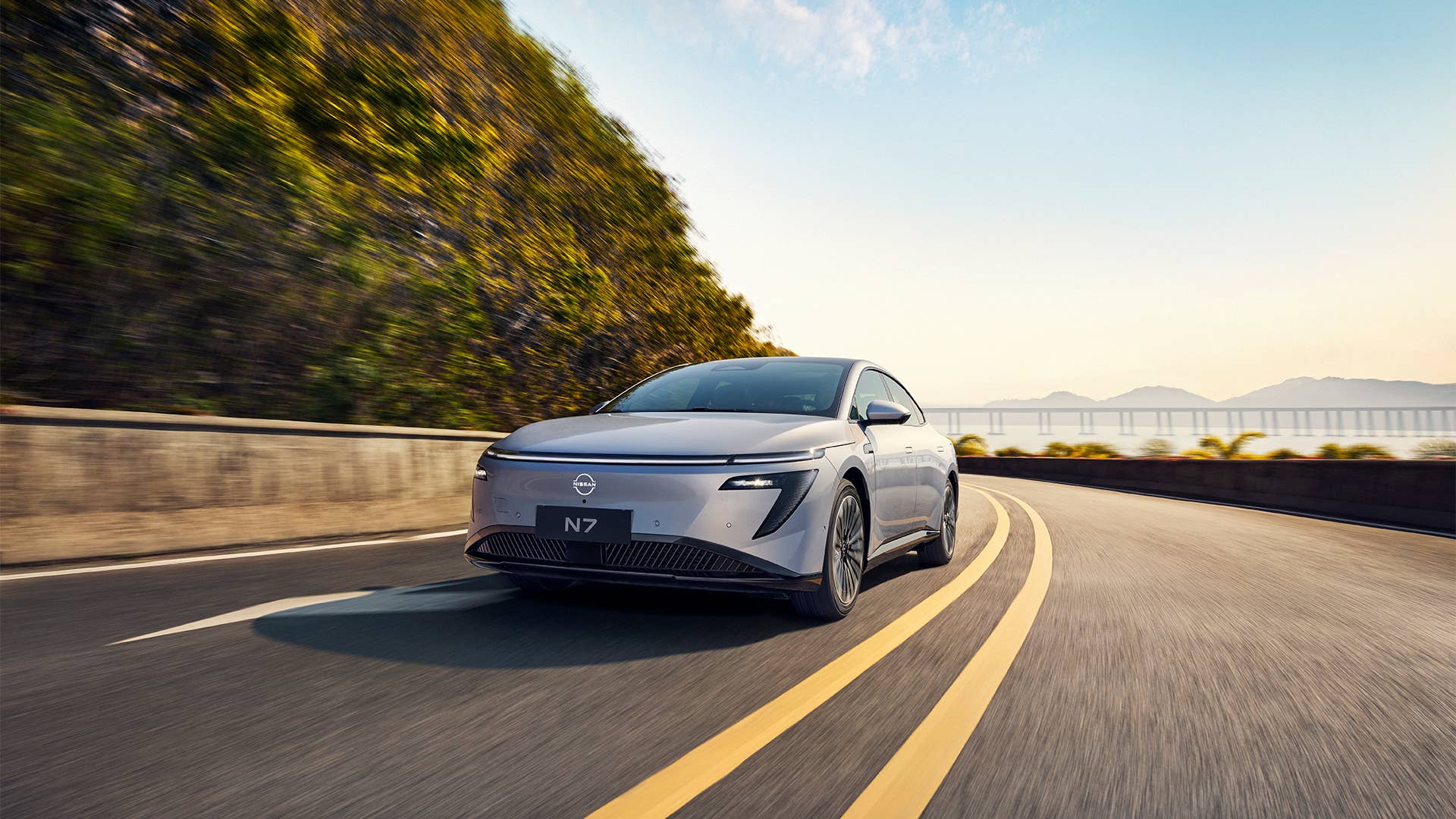
The Strategy
This pivot highlights a staggering shift in the geopolitical landscape of car building. Historically, Japanese and European engineering set the global standard. Today, automakers are increasingly forced to look to China’s ultra-efficient, lightning-fast tech ecosystem to stay cost-competitive.
Nissan’s recent financial earnings highlight why such drastic measures are on the table. The company closed its latest fiscal year a whopping $3.4 billion in the red. While Nissan’s North American retail operations have shown promising resilience, Europe has remained a distinct sore spot plagued by weak demand and poorly timed model cycles. Just last week, Nissan announced 900 European job cuts and consolidated production lines at its massive Sunderland plant in the UK due to faltering volumes.
Dongfeng Nissan
China’s Growing Automotive Influence
By leveraging Chinese platforms—likely stemming from its long-standing domestic joint-venture partner, Dongfeng—Nissan expects to bypass years of engineering overhead. Espinosa previously revealed that adapting development processes learned from the Chinese market has already allowed Nissan to shave vehicle development timelines down from 54 months to just 37 months.
Dongfeng Nissan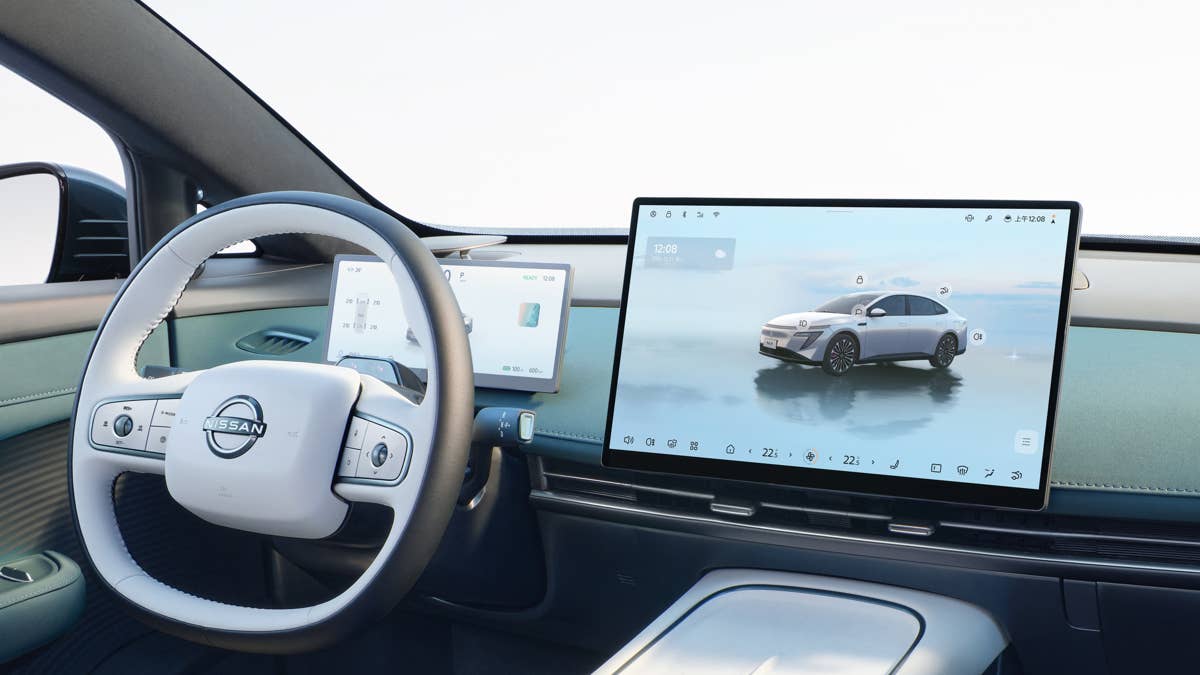
What does this mean for the American market? While strict domestic tariff structures mean we won’t see Chinese-built Nissans arriving at local U.S. dealerships anytime soon, the corporate philosophy will inevitably cross the Atlantic. As Nissan repositions itself for growth, the Western world is about to find out just how much Chinese DNA it takes to save a legacy Japanese brand.