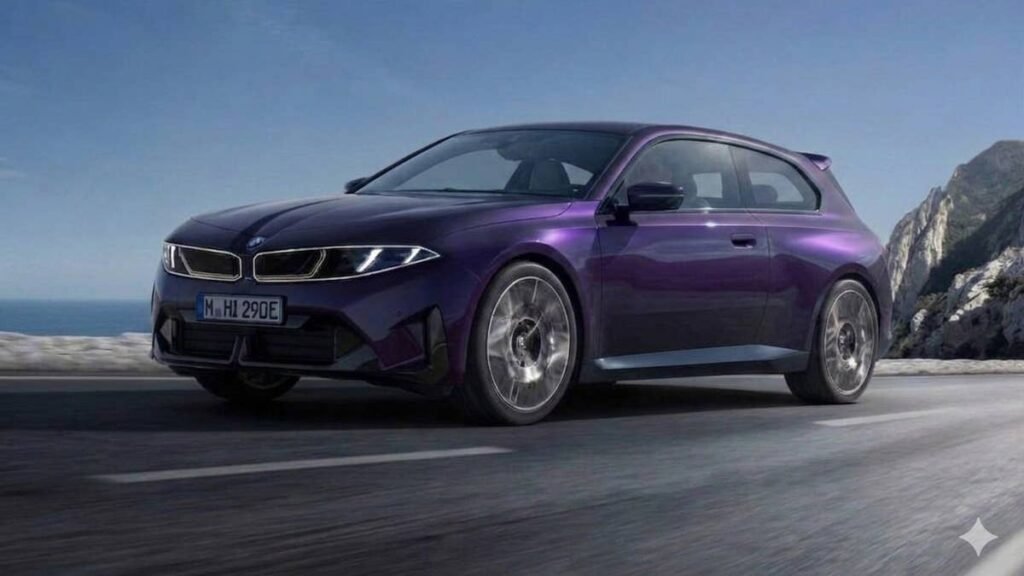
BMW is set to introduce the fifth generation of the 1 Series hatchback in 2028, featuring both electric and hybrid powertrains. The cheapest way into a new BMW in many markets where it’s sold, the 1 Series has typically blended driver-focused dynamics with a more upscale air than the average hatch. The all-new model will continue this tradition, but it will adopt the design language and technologies of other Neue Klasse BMWs. The question is: Will BMW finally sell the 1 Series hatch in the U.S., or will it remain forbidden fruit in this market?
The 1 Series Still Matters
BMW
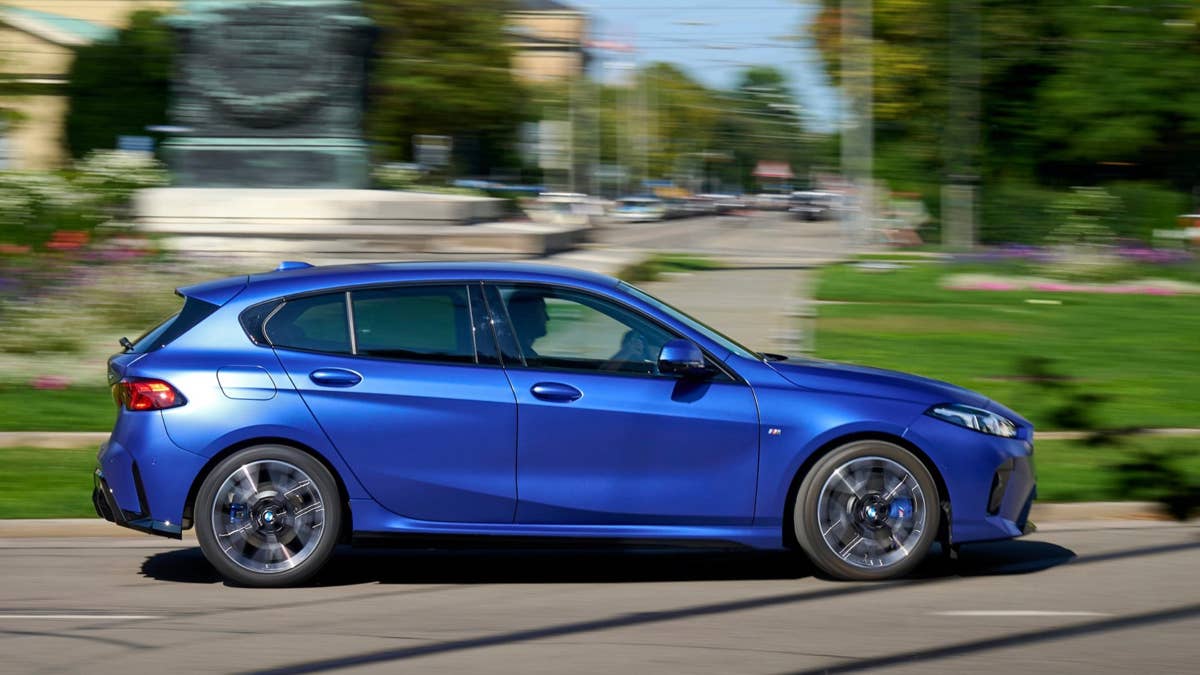
In the U.S., BMW only ever sold the first-generation 1 Series in coupe and convertible forms, but never the hatchback. However, the hatch continues to perform strongly in European markets like Italy and France, and over 200,000 units of the model were sold globally last year.
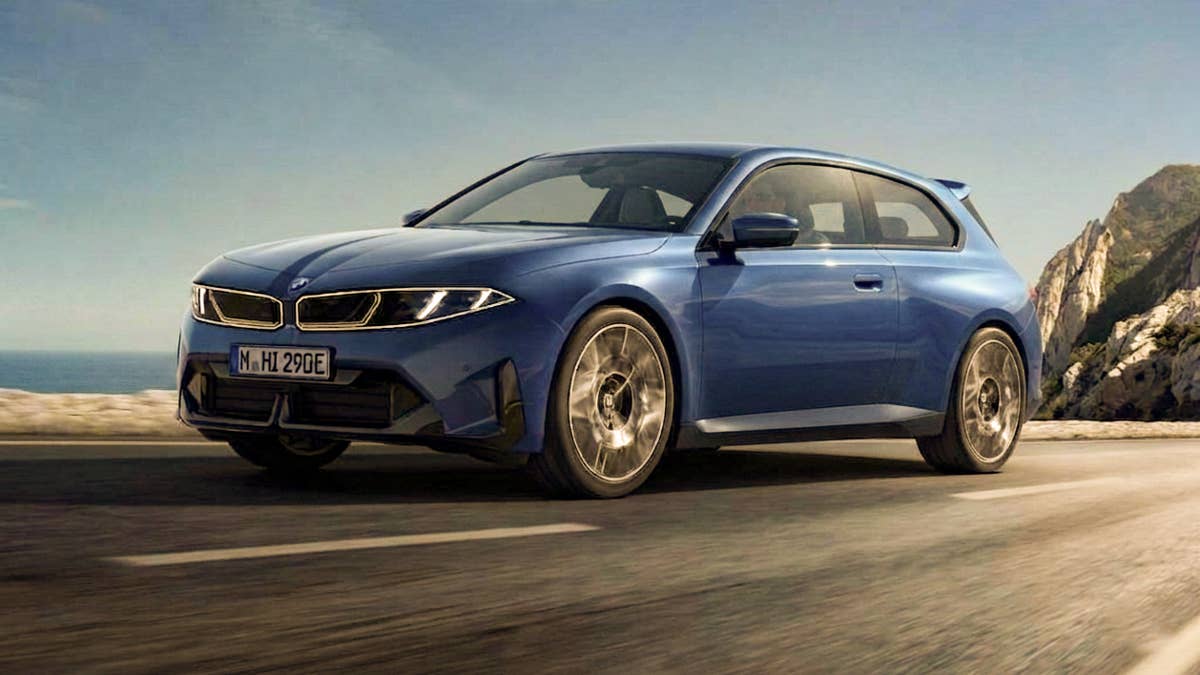
The baby Bimmer will compete with upcoming versions of the Mercedes-Benz A-Class and Audi A2 e-tron, but unlike those MPV-like models, it will adopt a more traditional hatchback appearance. Electric and hybrid models will feature similar styling, as is the case for other BMWs like the 5 Series and i5. However, the 1 Series will adopt Neue Klasse styling cues, which we’ve imagined in an AI-generated image here. Despite that, it will still look unique alongside other Neue Klasse models.
ChatGPT
Oliver Heilmer, BMW’s compact-car design boss, told Autocar that it’s “pretty important” for different BMW model lines to be distinct in terms of kidney grilles, surface treatments, and silhouettes. “BMW always stood for that differentiation. We never did a small series that looked like a shrunken 7 Series,” said Heilmer. “So this is the openness we want to keep in order really to enhance each specific character.”
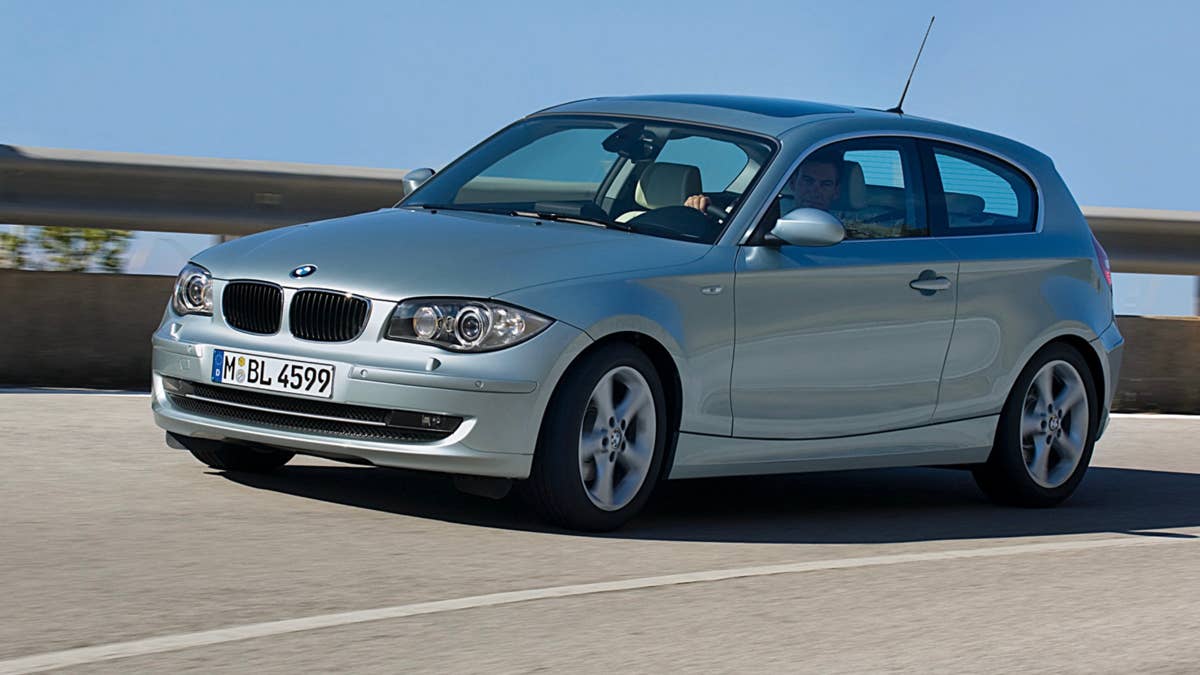
The next 1 Series may also offer a sportier three-door model, which hasn’t been seen since the second-gen hatchback. This alternative body style will be easier for the EV, which will be based on the scalable electric Gen6 platform. Inside, expect the new 1 Series to adopt the Neue Klasse layout of the i3 and iX3, which combines a hexagonal touchscreen with a wide driver’s display below the windshield.
Powertrains and Range
BMW
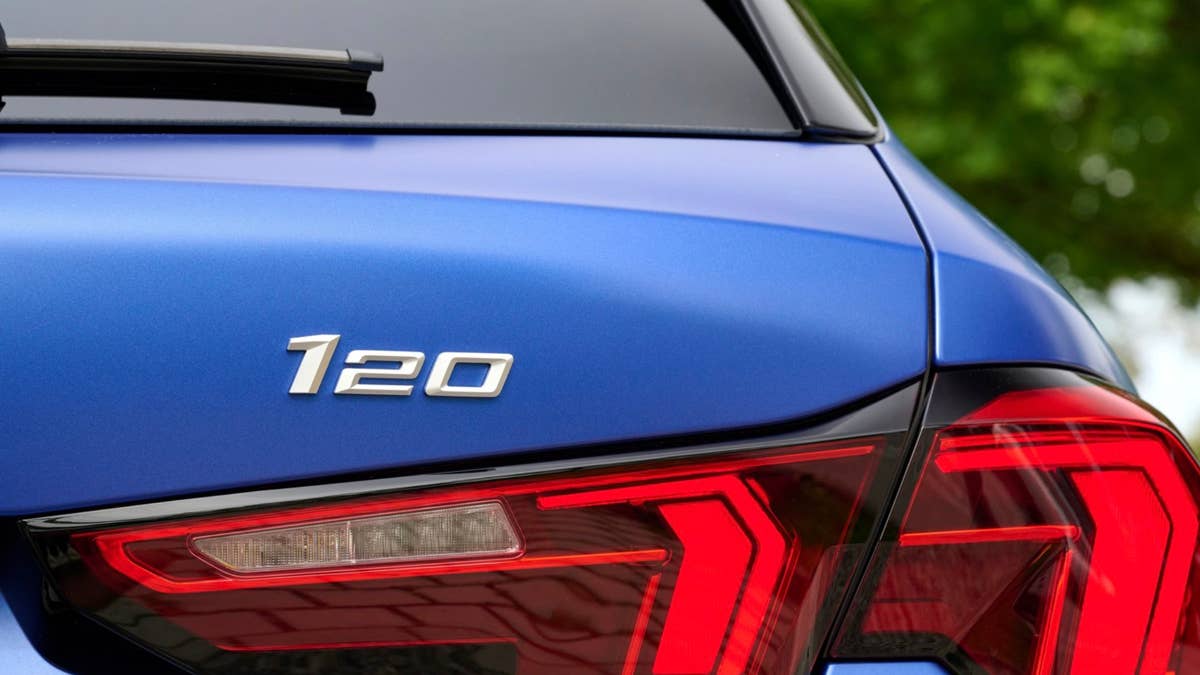
The gas and electric variants of the new 1 Series will be noticeably different, since the former will use the same architecture of today’s model, which is primarily front-wheel drive. The EV, on the other hand, will adopt the architecture of the Gen6 platform, which supports rear-wheel drive. This would mark a return to the first two 1 Series hatchbacks, which directed power to the rear wheels—a rarity in the hatch segment but a layout which made earlier 1 Series BMWs especially engaging, thanks to their small size and uncorrupted steering.
Gas-powered models are likely to use 1.5-liter three-cylinder and 2.0-liter four-cylinder mills, along with a plug-in hybrid option. The electric 1 Series, meanwhile, is expected to adopt a downtuned version of the i3 sedan’s powertrain with a smaller battery, and single or dual motors. Neue Klasse BMWs introduced so far have had class-leading ranges on a full charge—up to 434 miles in the iX3 SUV—so the 1 Series should still be solid in this regard.
What It Means
BMW
A return to a possible three-door variant and RWD could revive the spirit of the original 1 Series. That car wasn’t practical, pretty, or especially comfortable, but it was one of the best-handling vehicles in the hatchback class. The new 1 Series also keeps the BMW badge within reach of a broader audience, since it will be cheaper than the i3.
Sadly, the chances of this small, sporty BMW making it to the U.S. are low. Many hatchbacks have been discontinued here in recent years, and those from luxury models don’t exist at all. Neither Audi nor Mercedes sell their A3 Sportback/A-Class hatchbacks here, either. The new 1 Series would’ve made for a formidable rival to the current Golf GTI or R, including expected electric versions of the Volkswagen.