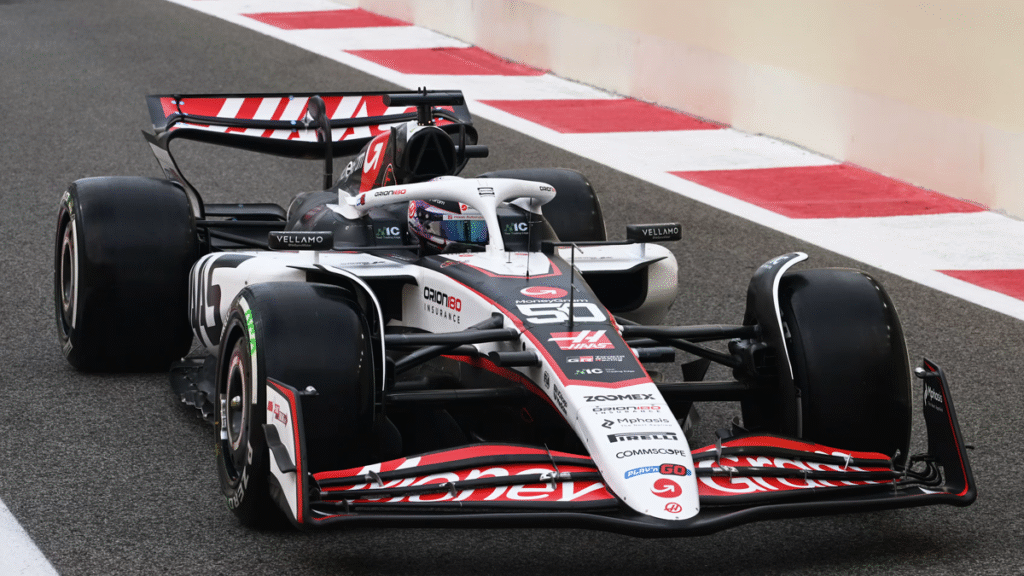
Viewers of Formula 1 over the last couple of years will know the sport is standing on the precipice of a massive identity crisis. The 2026 power unit regulations promised a radical shakeup: a strict 50-50 split between traditional internal combustion power and electric energy. Viewers and participants were not entirely positive about this move. Thankfully, the administration and team management have found a way to address this issue – keeping the visceral nature of the sport alive.
Driving Dilemma
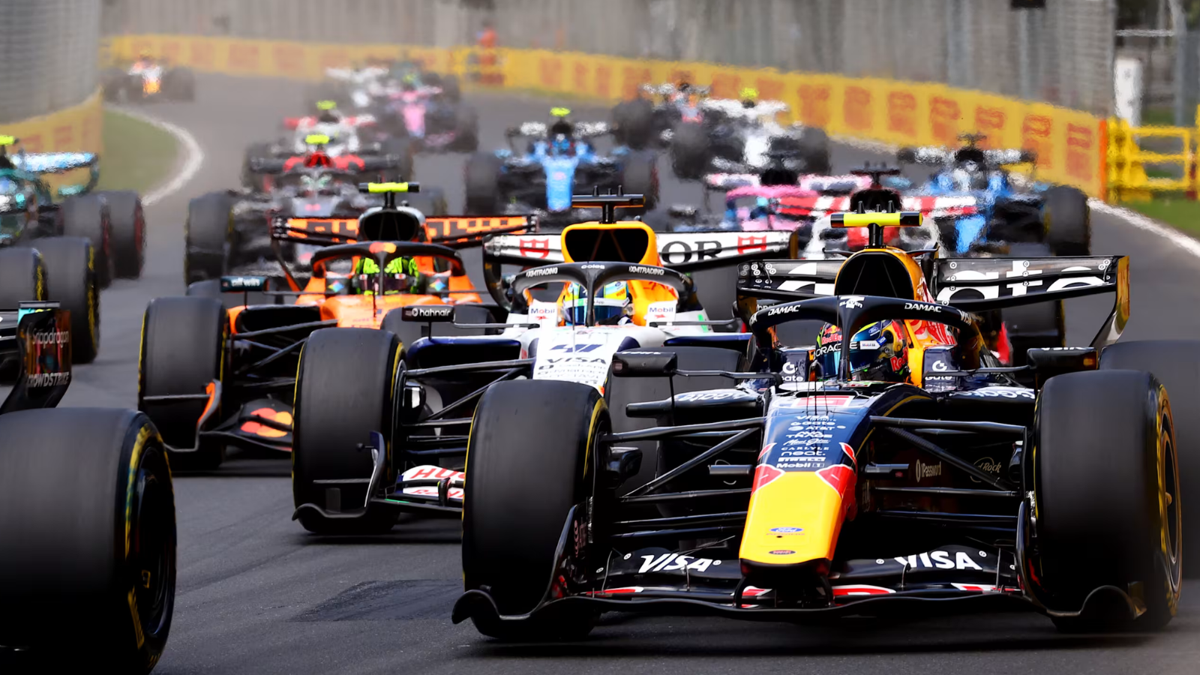
On paper, it sounded like a triumph for eco-conscious engineering. In reality? Early simulator data gave teams nightmares. Drivers were staring down a future of “tactical lifting”—literally backing off the throttle on straightaways to harvest enough battery juice to make it to the next corner. Imagine tuning in to the Miami Grand Prix or Las Vegas under the lights, expecting 200 mph wheel-to-wheel combat, only to watch the world’s best drivers hyper-miling. Thankfully, F1 chiefs realized that nobody buys a ticket to watch MPG wars; they pay to watch adrenaline-pumping, engine-screaming, and gravity-warping motorsport.
The Fix
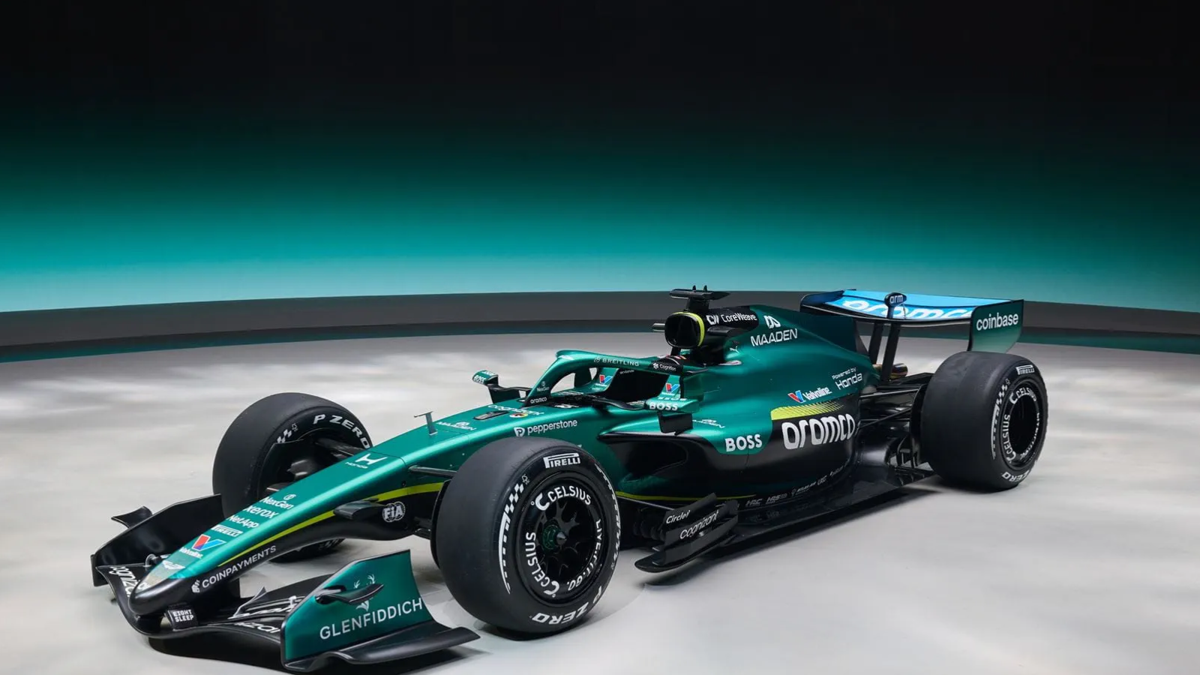
Following an agreement in principle among F1, the FIA, and engine manufacturers, the sport has decided to course-correct for the 2027 season. The strict 50-50 split is dead. Instead, the regulations are pivoting to a more organic 60-40 split in favor of the internal combustion engine, something BYD may not appreciate considering their intent on joining Formula 1, and their electric expertise.
The fix is beautifully simple: the V6 engine gets a 50kW boost (roughly 67 horsepower) along with an increased fuel flow rate, while the electric Energy Recovery System (ERS) drops by the same 50kW. The overall power remains immense, but the way that power is delivered changes completely. Driving will become “more intuitive,” meaning when a driver mashes the right pedal, the car will actually go faster for longer, without a computer forcing them to lift and coast on a 1.2-mile straightaway. The sport has undergone severe changes in the last decade, most of which softened it. It is refreshing to see a different approach.
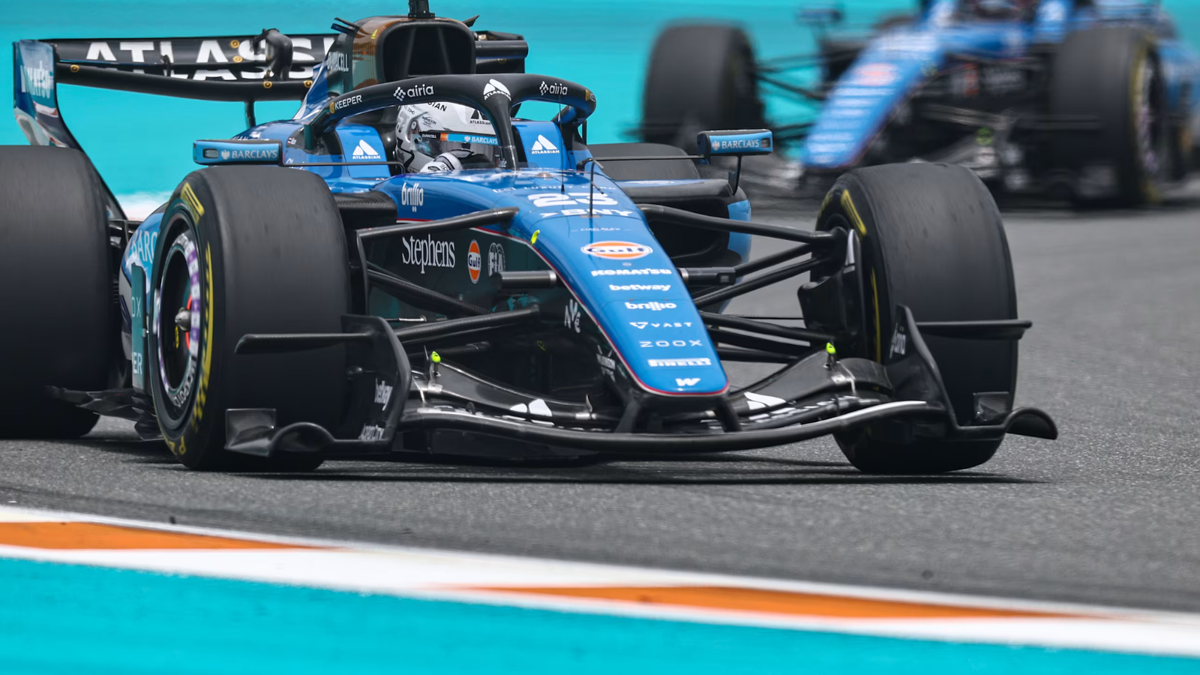
Engine manufacturers need long lead times to cast blocks and design hardware, which is why these 2027 tweaks are being locked in now. By stepping back from the digital ledge and embracing a bit more mechanical muscle, F1 has ensured that the upcoming engine era will still feel like the pinnacle of motorsport. Power units should push drivers’ limits—not their patience.