Bumpers Have Always Been a Compromise
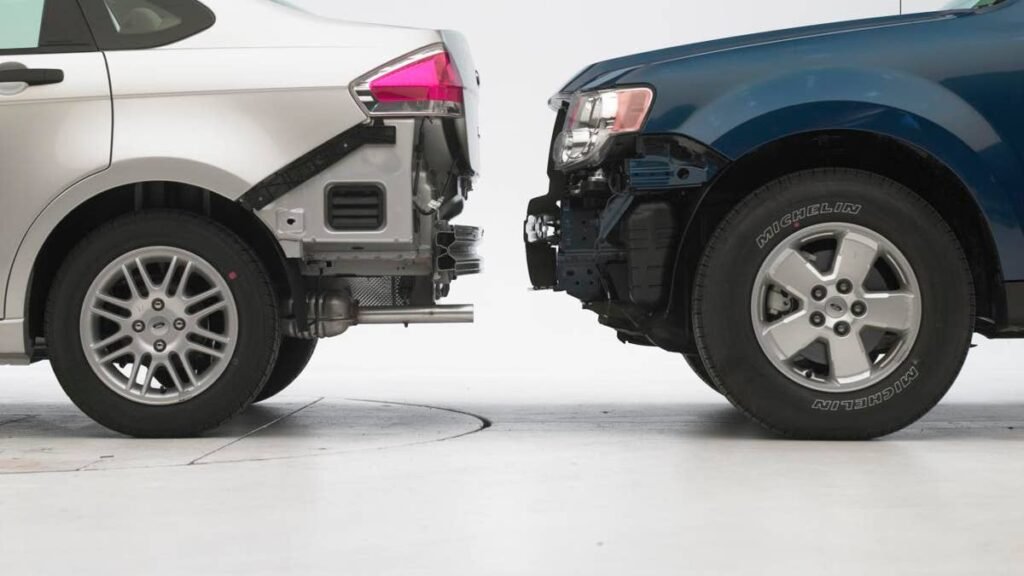
Today’s bumpers have a lot on their plate. They need to shield pricey front-end parts, manage crash forces, and even help protect pedestrians. The problem is, most bumpers are built to react the same way, no matter the impact. Softer bumpers help with minor bumps, but you want something stiffer when things get serious.
Ford’s patent looks to blend both approaches into one bumper. Filed in November 2024 (patent no. 20260131749 if you want to check), the design uses what Ford calls a non-linear spring. Instead of staying the same through an impact, the bumper gets tougher to compress the further it moves.
Put simply, the bumper starts out soft for light bumps, then firms up as the hit gets harder. That way, it can soak up minor knocks but still stand up to bigger crashes.
USPTO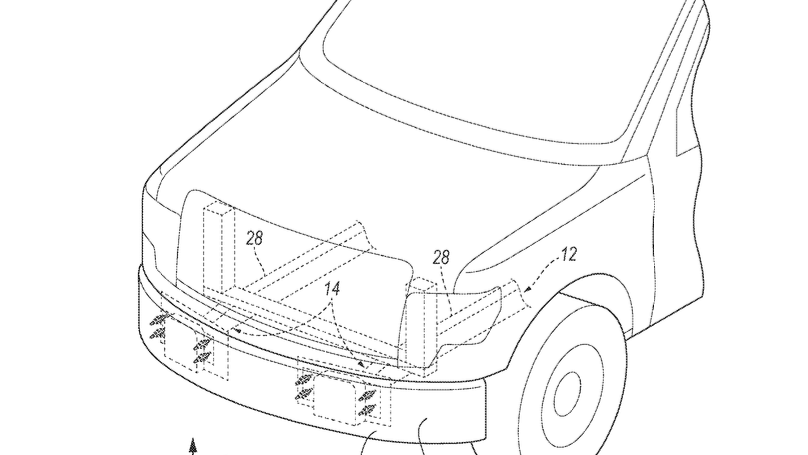
A Smarter Way of Managing Impact Energy
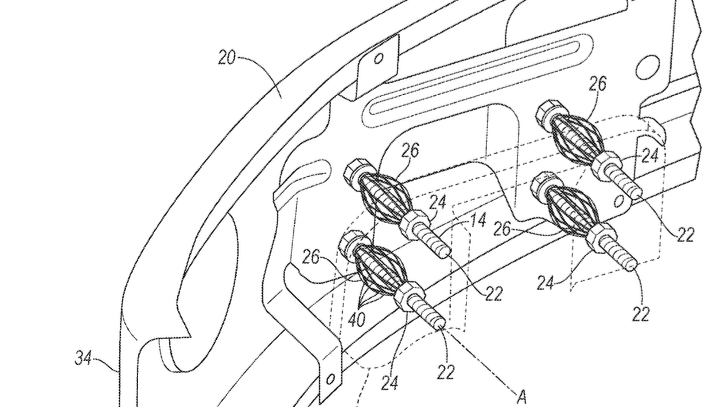
Most bumpers use foam, metal beams, and brackets that bend in set ways. Ford’s setup adds spring assemblies between the bumper and the frame, letting the front end react differently depending on how hard it gets hit.
Patent drawings show a few setups, with curved metal springs, rods, brackets, and sometimes coil springs. The curved springs flex easily at first, then push back harder as they compress more.
One detail that stands out is a force-versus-displacement graph. Unlike a normal spring that gets harder at a steady rate, Ford’s curve ramps up fast as the bumper compresses. The deeper it goes, the tougher it gets to push in.
Ford also mentions pedestrian safety, especially for lower-leg impacts in city driving. The softer start could help cut down on injuries, while still keeping the car’s structure safe. It might also help steer crash forces away from expensive parts in smaller accidents.
USPTO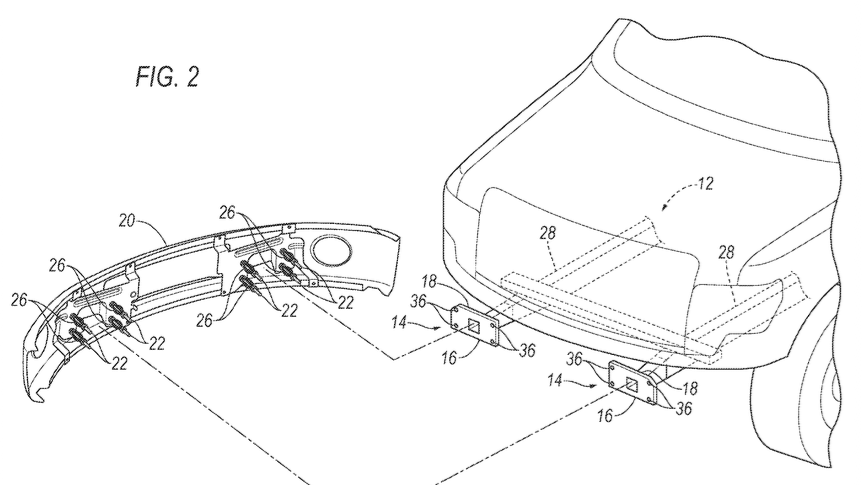
A Patent Is Still Just a Patent
Of course, just because Ford patented this idea doesn’t mean it will show up in showrooms. Car companies file lots of patents that never make it past the drawing board or end up changing a lot before production.
Still, this patent shows how the industry is looking for smarter ways to handle crashes. With cars getting heavier and pricier to fix, brands are searching for solutions that do more than just add extra metal.
Ford’s approach hints at a future where bumpers can adapt to different types of crashes. Even if this exact system doesn’t make it to production, expect to see more adaptive impact systems as safety rules keep moving forward.