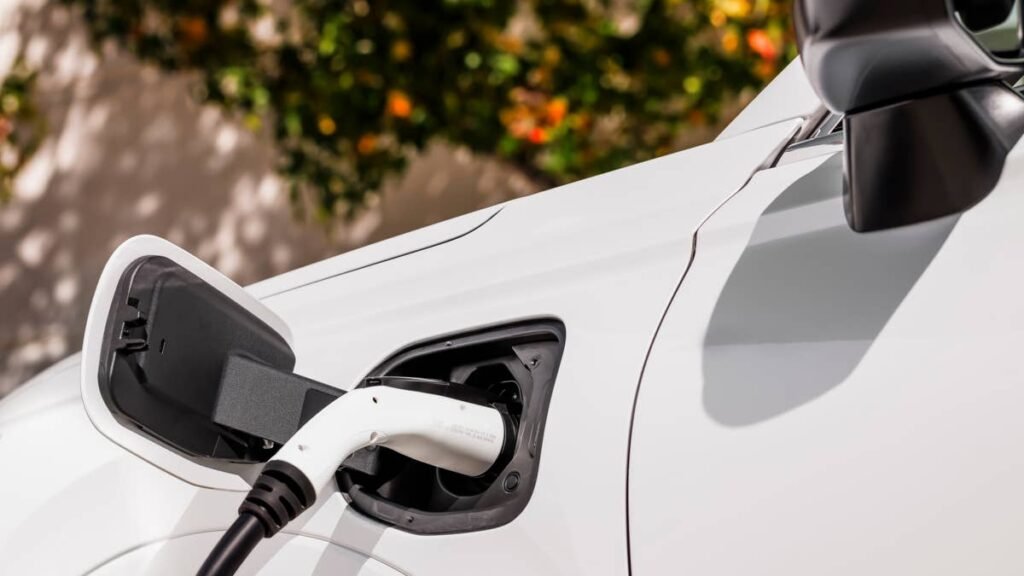
Charging Speeds are Getting Out of Hand
At the time of writing, Geely and BYD are leading the charge in terms of, err, charging speeds. The two Chinese EV makers are pushing the limits of current battery technology. We’re seeing Megawatt chargers that can deliver charging speeds as fast as 5 minutes or less with over 1,000 kW of charging power. With the right outlet, owners of these ultra-fast charging EVs are essentially getting a refill at the pumps.
It’s not advised for EV owners to constantly use fast chargers, lest they risk premature battery degradation. The heat and the strain put into the battery as a result of 300 kW, 500 kW, 800 kW, or megawatt charging can lead to lower ranges in the long run, or a trip to the dealer for a replacement. Though what if AI could help mitigate battery degradation? Would you take advantage of it?
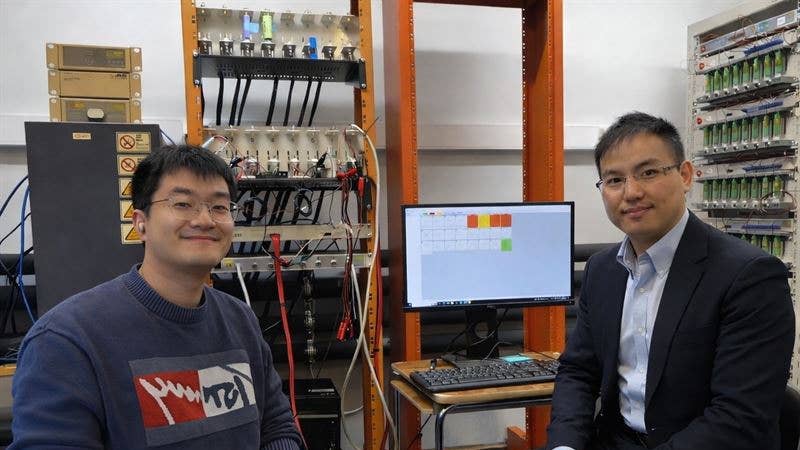
Up to 23% More Life
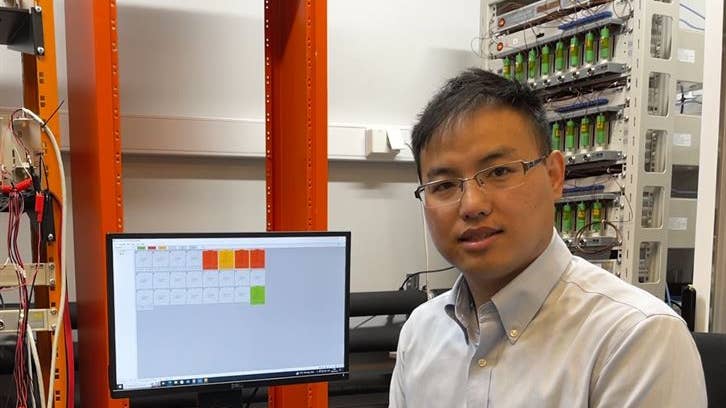
Researchers at Chalmers University have developed an AI that manages electric vehicle batteries, netting 23% more battery life with no sacrifice in charging speed. Theoretically, the AI-based charging system adapts the battery’s charging behavior to the current state of charge, battery chemistry, and battery health to deliver a fast charge that improves long-term battery health by up to 23%.
The AI model was trained on reinforcement learning. The researchers dropped it into an environment using some of the most common electric vehicle batteries on the market and simulated charging parameters that affect charging time and battery health. However, at the time of writing, further physical testing is required. The question is: what if charging speeds are increased further, what if more heat builds up, and what if the environment becomes less-than-ideal for charging an EV quickly?
In simpler terms, the AI model adapts to the current state of the battery, minimizing unwanted electrochemical reactions while maintaining charge speeds and maximizing battery health.
BYD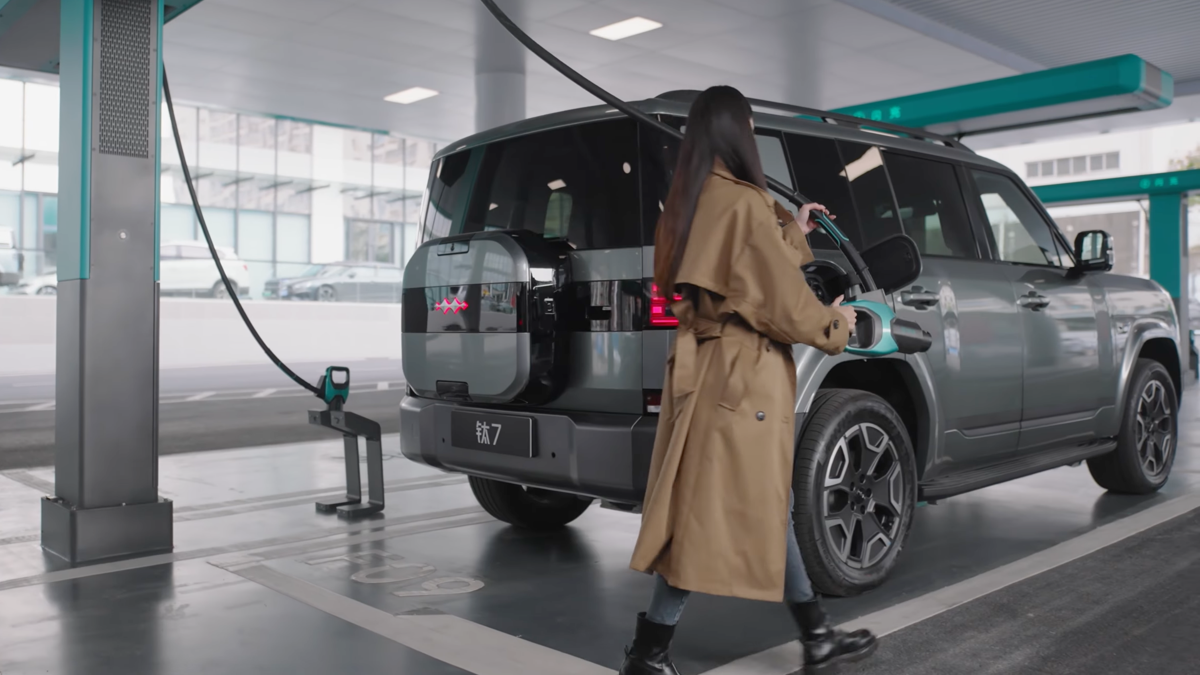
Just a Software Update
The new AI-based charging software should be easy to implement, as it could be delivered via a software update. However, as stated previously, further testing is needed. With so many battery technologies and chemistries out there, not to mention the impending arrival of solid-state batteries in future EVs, the system will need to learn and adapt to different systems.
However, once the next steps are implemented and the system learns beyond simulations, it could make EV ownership more efficient in the long run. Not only that, but it could also serve the second-hand market for these cars in the future, allowing car-buyers additional peace of mind knowing that the original factory-installed battery can go just a bit further.
It will be interesting to see how this technology progresses in the industry if automakers ever give it the green light. The question is, with further testing, will opening up battery health management to AI make a big impact? More longitudinal studies are needed for this; in other words, it will take some time.