At the recent Samson International Smart Mobility Summit in Tel Aviv, Tesla CEO Elon Musk delivered a familiar statement: unsupervised “Full Self-Driving” (FSD) will be “widespread in the US by the end of this year.” However, a closer look at the company’s current footprint and historical track record suggests this ambitious timeline is on a collision course with reality.
The Gap Between Rhetoric and Reality
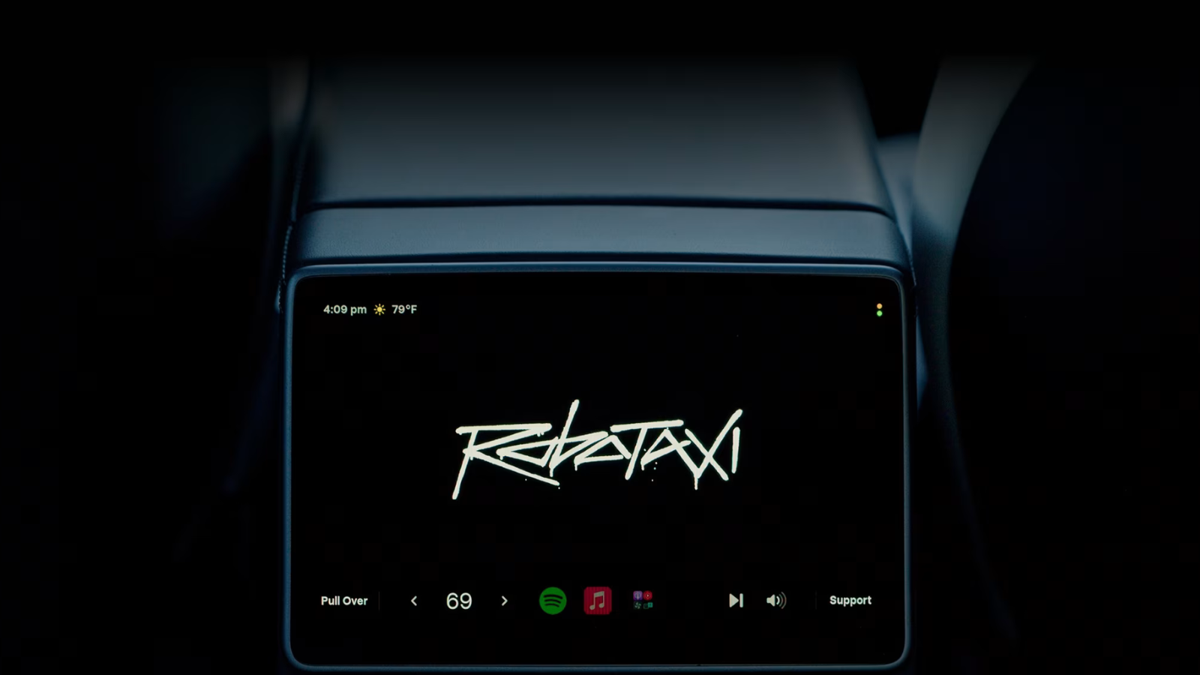
Despite the promise of a nationwide rollout within seven months, Tesla currently operates a meager fleet of roughly 30 unsupervised robotaxis, entirely confined to three Texas cities: Austin, Dallas, and Houston, with promises to expand to an additional two cities. Scaling such a limited pilot program to a “widespread” national presence by December defies the company’s current rate of technological and geographical expansion.
Tesla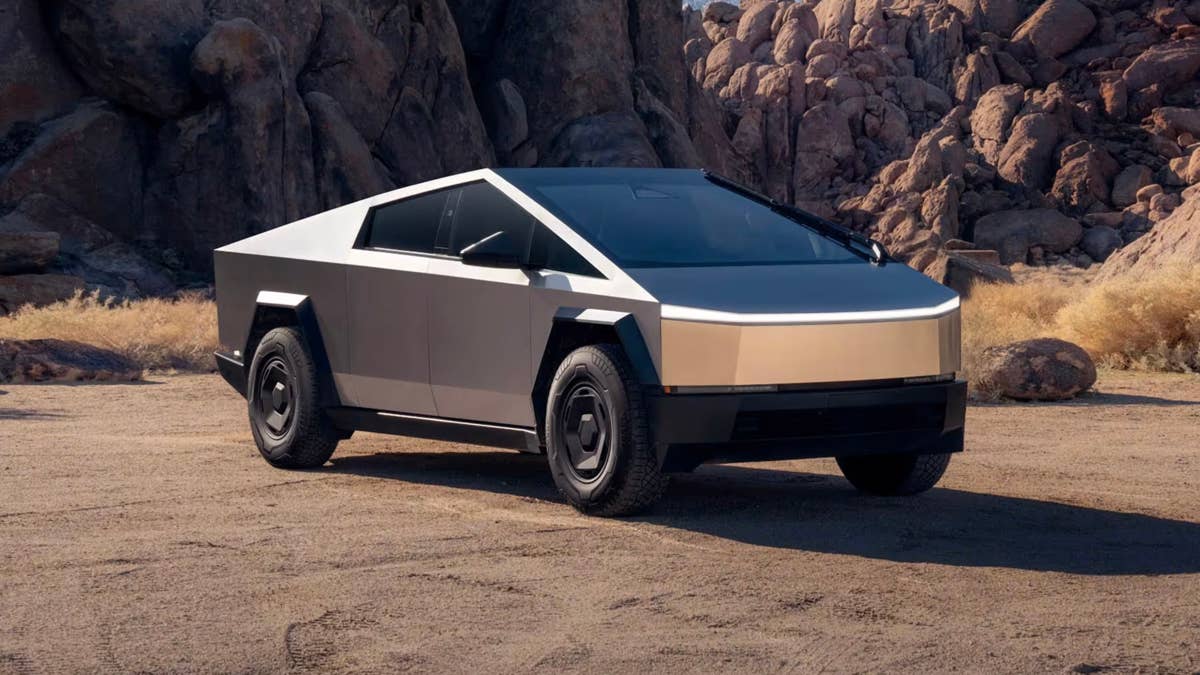
This latest prediction fits neatly into a decade-long pattern of missed deadlines. For over a decade, Musk has routinely heralded imminent breakthroughs in autonomous driving, amongst other claims that ultimately fail to materialize on schedule.
Contradictory Messaging and Flawed Data
Further complicating Musk’s narrative are his contradictory claims regarding vehicle safety. At the mobility summit, he carefully framed FSD as being on a “path” to becoming safer than human drivers. Yet, when addressing his followers on social media just weeks prior, he definitively declared the system is already “10X safer” than a human behind the wheel.
These bold safety assertions rely on methodologies that analysts and safety advocates have heavily criticized:
- Mismatched Road Types: Tesla routinely compares its highway-heavy FSD mileage—which occurs on statistically safer, predictable roads—against national averages that include chaotic city streets and complex rural routes.
- Skewed Crash Definitions: The company compares its severe, airbag-deployment crashes against all police-reported crashes nationwide, the vast majority of which are minor fender benders.
By relying on mismatched crash definitions and road types, the data is artificially skewed to flatter Tesla’s technology.
The Road Ahead
If Tesla’s unsupervised FSD is to achieve true mainstream adoption, the path forward requires more than lofty conference predictions. Until the company can align its aggressive timelines with its physical fleet size and publish transparent, peer-reviewable safety data, claims of a “widespread” rollout will remain just another recurring entry in a long history of unfulfilled promises.