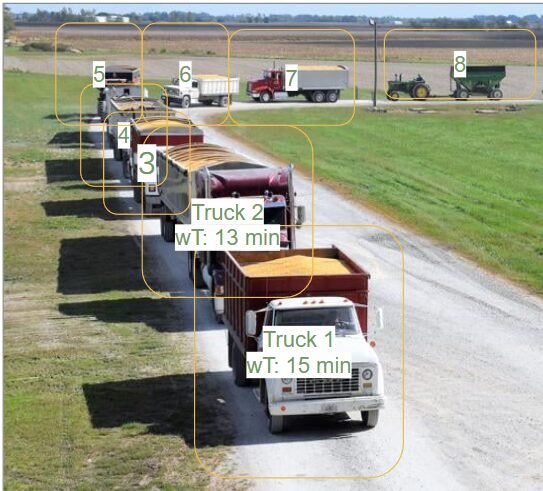
From MAHA’s glyphosate tug-of-war with Trump to patent cliffs to rising fertilizer costs, the cracks in the use of traditional crop inputs are starting to resemble fault lines.
Mainstream investors are even starting to notice, including Gary Tan, CEO of Y Combinator, the world’s largest accelerator program, who recently took to video to say that those cracks are now “obvious.”
While promoting the accelerator’s latest call for applications, Tan appealed to innovators working on AI and biology solutions to reduce the global agriculture industry’s reliance on chemical crop protection products directly: “What used to work stops working, so farmers spray more. Costs go up. Margins go down. The pipeline for new chemicals? Slower and more expensive than ever.”
Toxicity is also of increasing concern. A recent high-profile family office event in London dedicated a significant portion of the program to green chemistry and alternatives to chemical inputs. And Silicon Valley investor and agtech entrepreneur David Friedberg recently highlighted the rise in cancer cases among younger people, calling out the herbicide picloram as a key culprit.
“Let’s figure out the things we got wrong in the industry and back and delete them out of our food supply and out of our industrial supply,” he said on the All-In Podcast, which he co-hosts with other VC heavyweights.
In response, technology is advancing rapidly, especially in AI and biology, not to mention automation, mechanical engineering, powering a whole range of new alternative crop input solutions, from microbes and peptides to multiplex gene editing and precision applications. The timing for such tech is opportune.
Verdant: ‘a category unto itself’
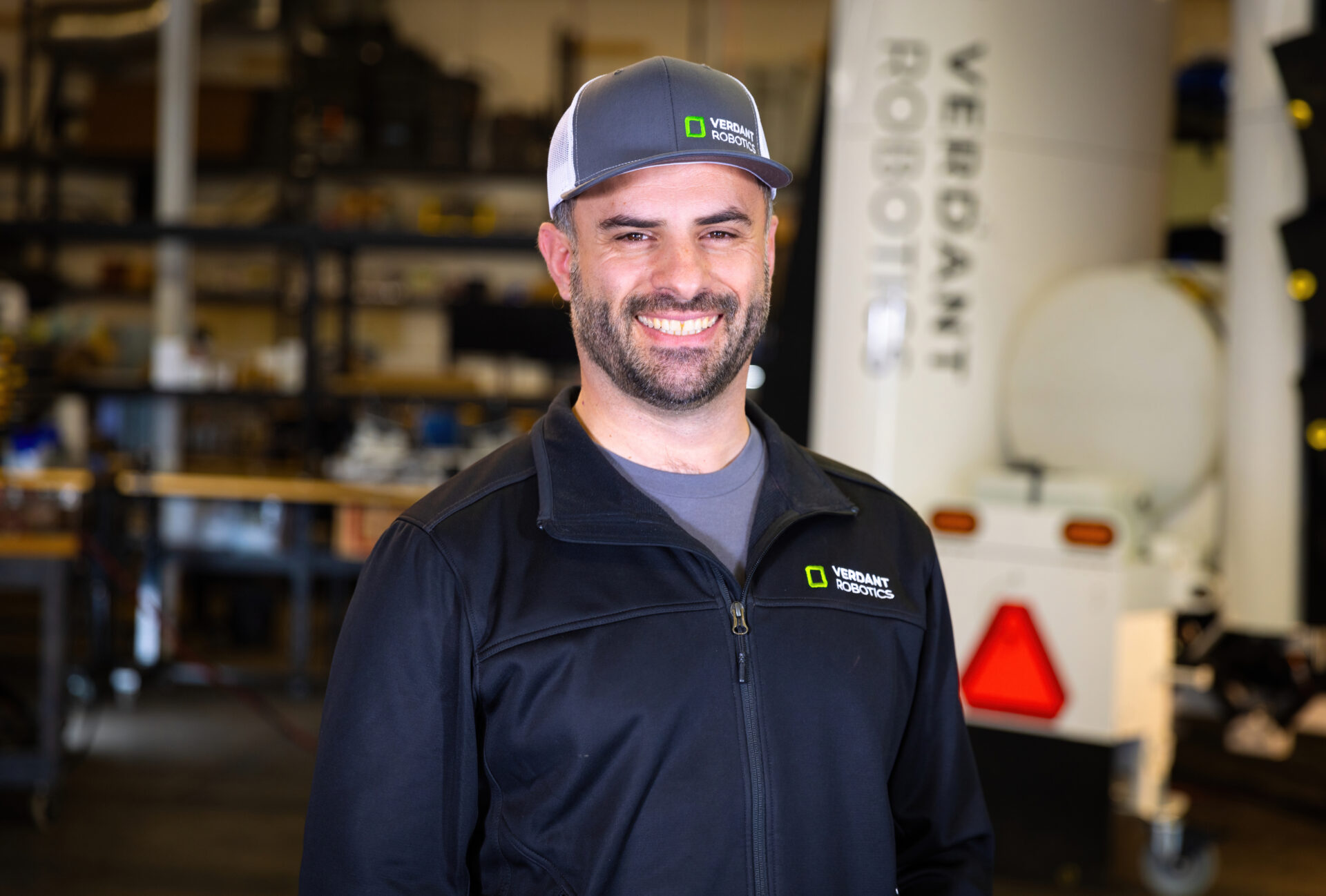
For California-based Verdant Robotics, bringing down input costs and usage for farmers has been core to the mission from the start, says founder Gabe Sibley. [Disclosure: AgFunderNews’ parent company AgFunder is an investor in Verdant Robotics.]
Instead of the “spray-and-pray” approach to applying herbicides, pesticides, fertilizers and other inputs typical in broadcast systems, Verdant uses its Aim & Apply platform, which uses an AI vision system that detects each target, predicts where it will be at the moment of application, and directs individually controlled turrets to deliver each shot within millimeters of the plant.
SharpShooter is Verdant’s first product to leverage the Aim & Apply technology. It attaches to the back of a tractor and applies each shot precisely to the target plant, reaching in-row weeds and targets under the canopy in dense crops that broadcast systems and other precision weeders can’t reach, without impacting surrounding growth.
“It’s a beam of molecules on target with the precision and accuracy of a laser,” explains Sibley. That precision also opens doors for growers looking to transition more acreage to organic and regenerative practices.
Aim & Apply is “a category unto itself,” says Sibley. Unlike a product tied to a single machine or market, Aim & Apply is a platform. That means the same core technology that guides a shot on a tractor-pulled implement today could direct applications from a swarm robot, a center pivot, or platforms that don’t exist yet. SharpShooter is the first product built on the platform, but it won’t be the last, he says.
While weeding is the entry point, SharpShooter also handles precision thinning, including double removal (where two plants grow too close together), and targeted input applications, he adds. “You can use it for novel on-crop application molecules, bioactives, fertilizers, the whole range of premium inputs. Plant-level precision changes what’s possible; things growers couldn’t justify at broadcast rates now become viable.”
Organic precision
Verdant also recently expanded into new markets with its system’s capabilities to include grass seed, sod production, and golf turf markets, in addition to vegetable crops like leafy greens, onions, and broccoli.
Combining precision with a wide range of tasks means Verdant has helped its customers not only reduce chemical use but also expand into more bio-friendly products, says Sibley.
“We can be so sparing in our use of the chemistries that we can use organic chemistries that are genuinely better for the consumer at an economic price point that is now competitive with conventional spraying.”
Over time, he adds, growers can convert conventional acreage to organic without sacrificing margins.
Danny Berstein, CEO and managing partner at farm robotics incubator Reservoir, is also keen to see more work in bringing precision robotics and cleaner farming practices to more growers.
“There needs to be a closer connection between the worlds of regenerative/organic farming and the world of hard tech and physical AI,” he explains.
Reservoir operates two locations in California that help agricultural robotics and automation companies develop, test, and scale breakthrough technologies directly in working farm environments.
According to Berstein, there is “significant opportunity” for companies that want to provide better crop protection with robotics, so long as they’re doing two things: developing a robot and developing a novel approach to pest control and weed management.
He says Reservoir’s incubator is currently home to a few different companies accomplishing this, including TRIC Robotics (UV light for pest control), High Degree Machinery (using steam for fumigation), and BHF Robotics (electricity for weed control).
Controlling costs
While cost can be a challenge as smaller farms aren’t always able to afford the price tag of machines like Verdant’s, the company says ROI for its machines is achievable within six to 18 months for many specialty crop operations.
“Putting the molecule exactly where it needs to be, and nowhere else, is how you get the most out of it,” explains Sibley. “Efficacy increases because you’re not diluting the effect across bare ground. And the economics follow. You use less, it works better, and suddenly the unit economics look completely different.”
Verdant further addresses this through a few different avenues, including working with financing partners and available tax incentives to bring monthly costs down to as little as $5k/month. Verdant says it has also sold machines to service providers in regions with a high concentration of smaller farms. Those providers offer SharpShooter applications on a per-acre basis, so growers can access the technology without owning a machine.
“For growers whose crop cycles don’t justify sole ownership, we’ve helped multiple smaller operations share a machine, coordinating use schedules around planting and harvest timing so the economics work for everyone involved,” says Sibley.
From seed selection to seed design with AI
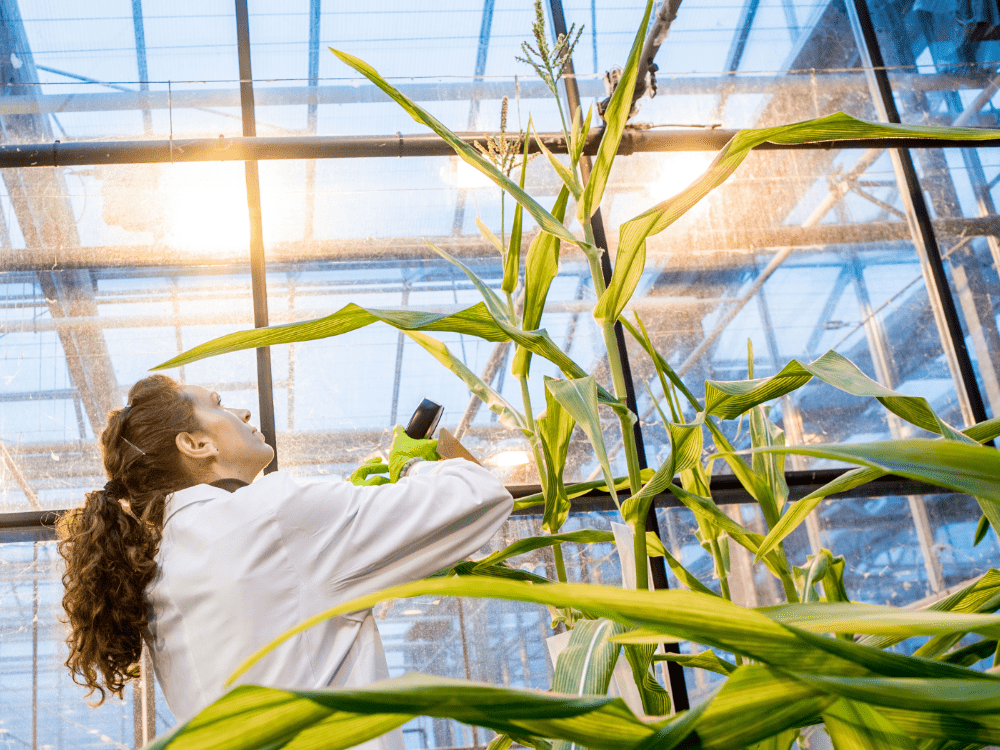
On the other side of the country, scientists are using AI and genomics to make seed breeding a process of design, not selection, in the hopes of strengthening crops to depend less on fertilizers and crop protection inputs.
For thousands of years, humans have relied on manual pollination and years of field trials to cross-breed and create new crop varieties, with the process often taking generations.
Biotech company Inari says it’s now possible to design and develop a plant in just a few years using AI to understand the relationship between different plant genes and what they impact.
The company’s SEEDesign Platform combines biological engineering, data science, and machine learning across the full cycle of predictive design, development, and validation.
“We continuously generate, integrate, and interrogate data, building the path from genome sequences to phenotypes to field performance and back again,” explains chief scientific officer Catherine Feuillet.
This continuous process allows scientists to generate editing designs that define not just what to edit but how to edit it—what genes to turn on or off, or how to fine-tune a gene’s expression, for example.
“This enables us to generate editing designs that define what to edit and how to edit it. Then, using our broad and versatile gene editing toolbox, we perform various types of precise editing – turning genes on or off, fine-tuning their expression, making targeted gene replacements – on elite germplasm at scale to generate step-change outcomes.”
While Inari says its technology will work with any crop, the company is currently focused on staples like corn, wheat, and soybean.
Feuillet says AI is “supercharging” the life sciences sector.
“It has unique abilities to identify patterns, interrogate and extract knowledge from data, and build a completely novel understanding of the biology of crop performance. It accelerates and expands the exploration space, which is essential in advancing opportunities with gene editing technology.”
Historically, gene-editing tools have enabled scientists to make changes to the genome.
“The full benefits are only realized when you can define specifically what, where, and how to make the edits that will deliver the desired outcome. That is where AI has so much potential, seeing patterns where humans cannot and making initial predictions out of vast data sets.”
Whether it’s the precision application of traditional inputs or the creation of new ones, all this innovation is turning the heads of some ag retailers, though this group represents “a classic Innovator’s Dilemma” at the moment, says Bernstein.
“Ultimately, they will need to really think deeply about how they reinvent their business, and really think about how they can rely on new models.”
Others to watch:
Challenges in crop protection are vast, and the list of startups attempting to tackle them is even bigger. The following is a tiny sampling of the ways in which startups are bringing new ideas to the industry.
🌾 UK startup BindBridge wants to develop a viable alternative to glyphosate with molecular glues—a concept first developed in human medicine. These small-molecule chemistries are sprayed onto fields like any other herbicide and selectively bind to plants or pests to kick off the degradation process.
🌾 US-based biotech Enko bills itself “an AI informed crop health company” and hopes to speed up the discovery of new molecules for crop protection products. Its ENKOMPASS platform uses DNA-encoded libraries, AI, and structure-based design to reduce the time and cost of developing products, and to determine what does and does not work from a regulatory and commercial perspective.
🌾 France- and US-based Micropep focuses on micropeptides to produce solutions that sit somewhere between chemical crop protections and biologicals. The company also operates a discovery platform to make the process of finding and developing solutions more efficient.
🌾 Provivi offers a unique mode of action based on pheromones that causes “mating disruption” in pests and subsequently diminishes crop damage. The company recently announced a partnership with Syngenta to tackle the devastating Fall Armyworm (Spodoptera frugiperda) in Brazil.
🌾 Ag industry veterans Dr. Jon Lightner and Matt Crisp emerged from stealth with Quercus Bio last year. The startup is using Ordaos Bio’s genAI platform, originally designed for human medicine, to design mini proteins from scratch. The team hopes to create a new class of crop protection products that can compete on efficacy with chemicals but have the regulatory profile of biologicals.
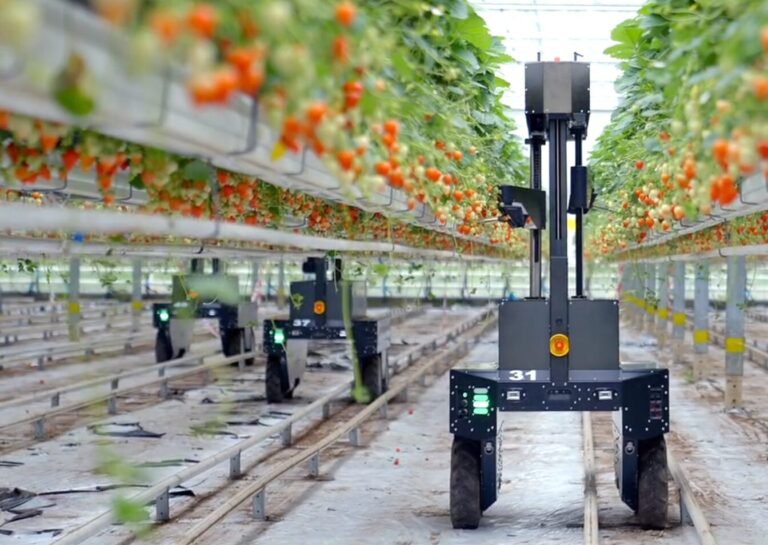
🌾 Saga Robotics is targeting the UK table top strawberry market and the US wine sector with its fleet of autonomous ‘bots that combat powdery mildew and other fungal threats with UV-C light. During the 2025 California wine grape season, it achieved a 10x increase in acres under treatment and expects to almost triple treated acreage again in 2026.
🌾 SenseUP, a Cologne, Germany-based startup, is developing biopesticides that can selectively zap pests via RNA interference. The idea is to attack pests without damaging soil, plants, or wildlife, making the company’s approach an attractive alternative to chemical pesticides. Importantly, SenseUP also says it has patented IP to address the stability issues that hamper many bio-based solutions.
The post The cracks in chemical farming are getting hard to ignore. These startups are providing alternatives appeared first on AgFunderNews.