Do PHEVs Make Sense?
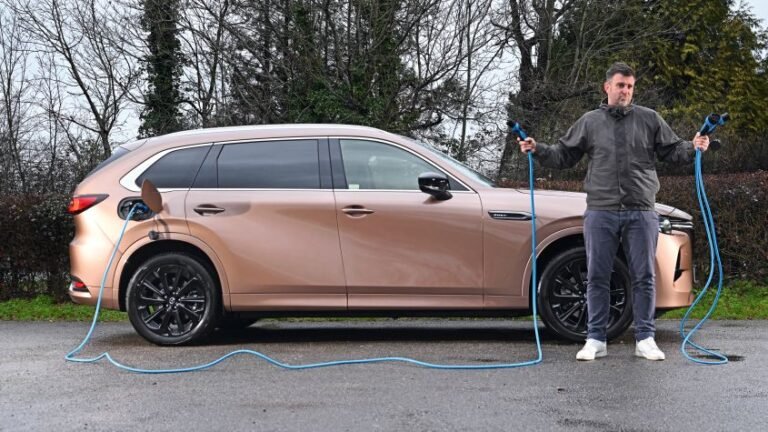
On paper, plug-in hybrids seem to offer the best of both worlds. You can charge it up and do your commutes on battery power alone, or you can drive it like a hybrid and still get a couple of extra MPGs along the way. Either way, there’s no range anxiety, as there are two energy sources.
But to truly make the most out of PHEVs, it’s best to plug these in regularly. It’s the best way to achieve those bold consumption claims. Also, the technology is already in place, and running on an empty battery just means you’re lugging around extra weight. Still, it’s self-charging, and there’s nothing wrong with treating it like a hybrid if charging ports are inaccessible.
However, BMW wants more of its PHEV owners to start plugging in. It’s not necessarily to improve fuel mileage, but rather for corporate reasons. The proposal? It’s rather drastic and probably bordering on extreme.
BMW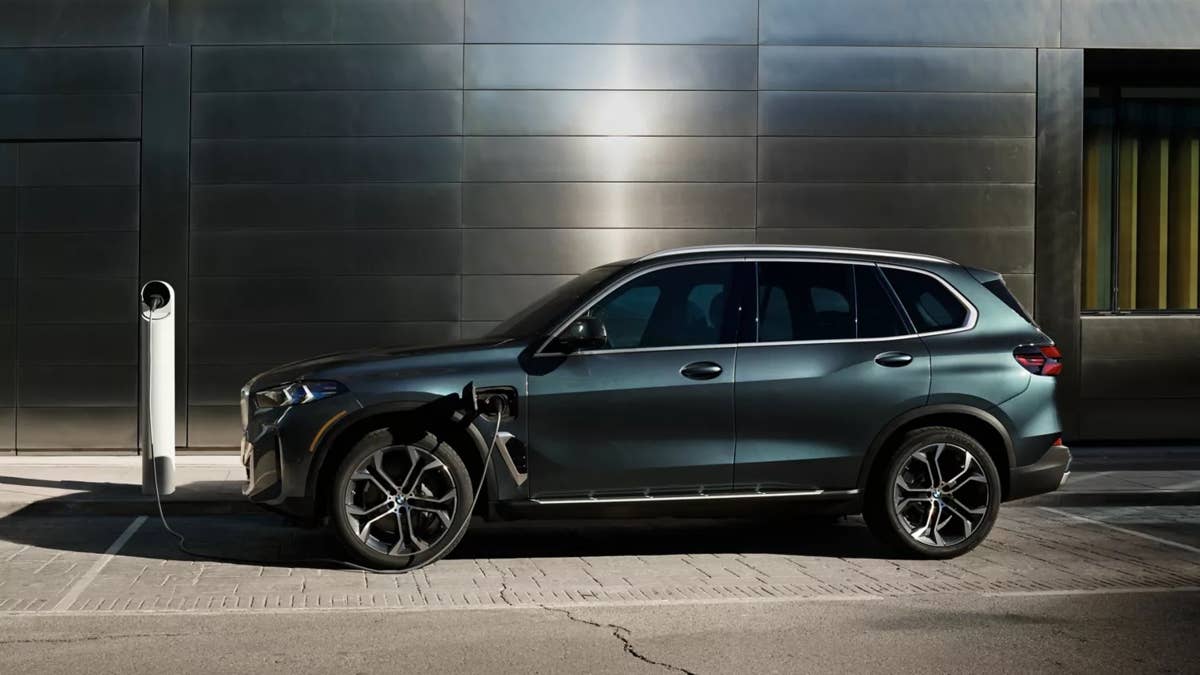
Punishment for Non-Chargers
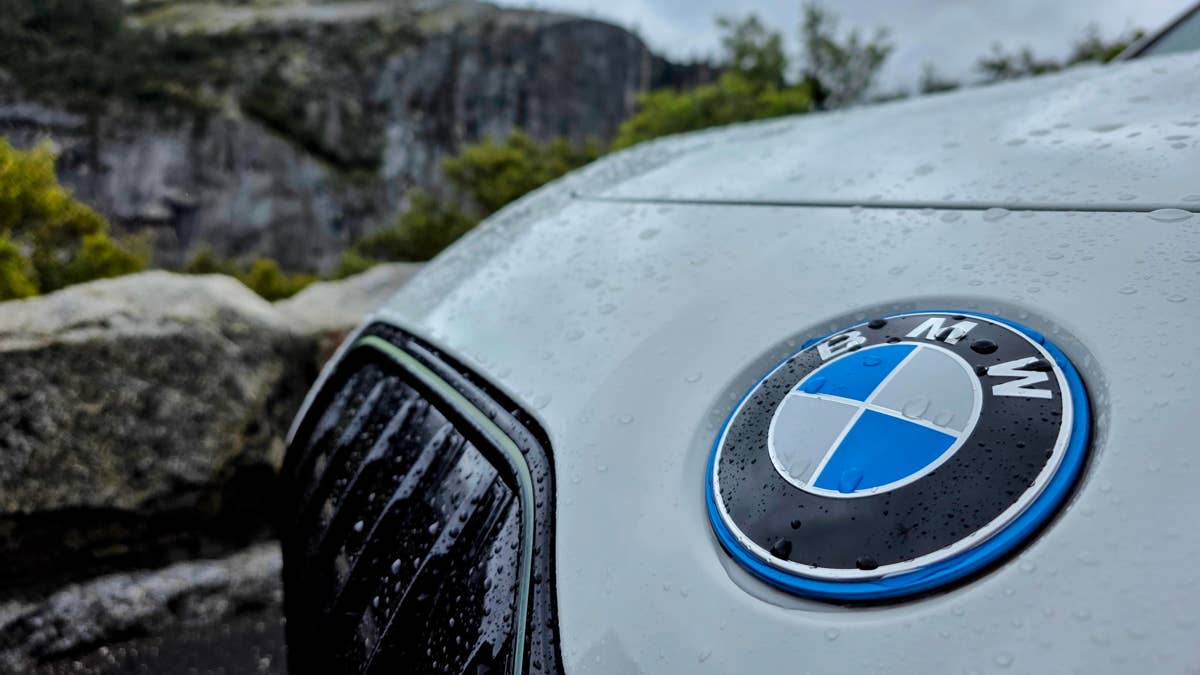
German news outlet Die Zeit reported a controversial proposal from BMW to force more PHEV owners to charge their cars. It has been suggested that those who stubbornly refuse to charge or those who don’t plug the car in regularly should be ‘punished.’ It was proposed by BMW supervisory board chairman, Dr. Nicolas Peter.
So, what exactly are the possible consequences? It wasn’t listed in its entirety, but the publication said, ‘One possible measure would be to reduce engine power if the battery is not regularly charged.’ It was also mentioned that this plan is ‘technically feasible.’ Yikes.
Let’s say BMW does push through with the proposal. How will the car know if it’s not being charged enough? Read on.
BMW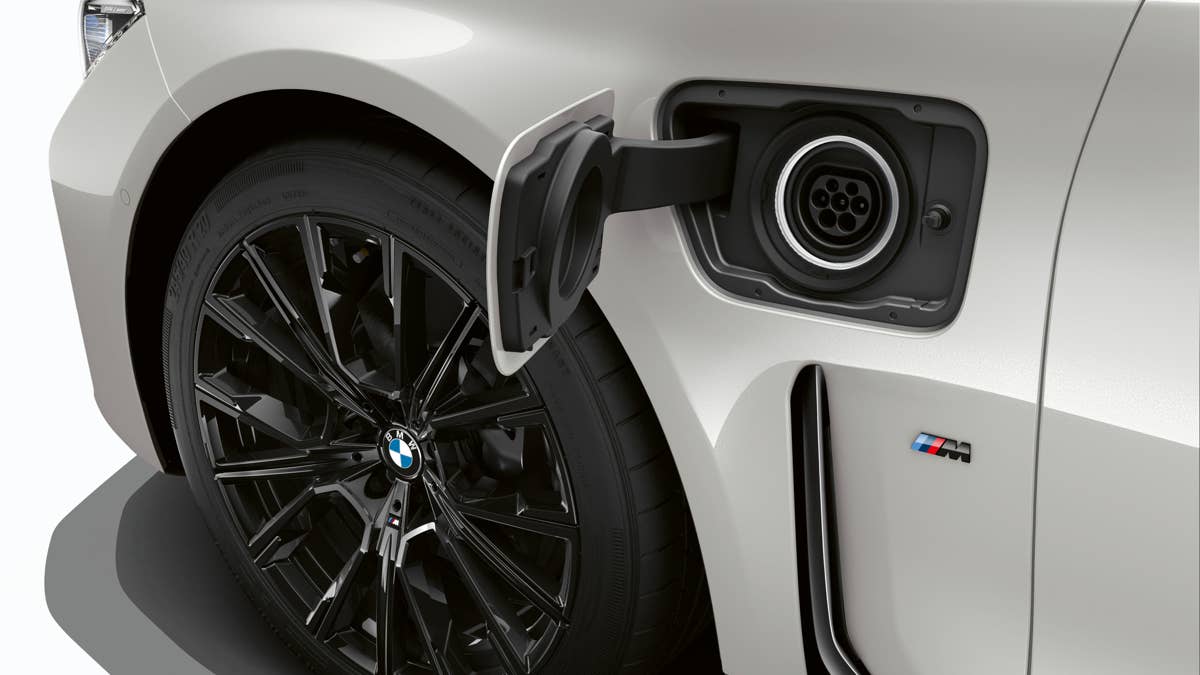
Tracking and Monitoring
Unsurprisingly, user habits will be tracked and monitored to find out. That brings us to the elephant in the room: privacy. As it is, cars practically track our movements 24/7, and adding this layer will certainly raise more alarms and concerns. There’s no shortage of companies that want to buy that potential data goldmine.
There’s also the matter of an automaker directly influencing a customer’s behavior. This is possibly the first time that the thought of being ‘punished’ for one’s charging habits is being brought forward. While it might force some owners to actually start charging their plug-in hybrids, there’s also the very real possibility of current owners just getting rid of their cars and buying something else.
Why so Drastic?
As Auto Motor und Sport reported, BMW isn’t proposing this entirely for the benefit of its customers. Instead, it’s to boost the company’s carbon credits. On-Board Fuel Consumption Monitoring (OBFCM) has been fitted to all new cars sold in Europe since 2022. It studies a car’s fuel consumption and energy usage, and, for PHEVs, miles driven on battery power alone. The data collected from the cars are then used to compute the automaker’s carbon credits. Failure to meet that means more fines and penalties for the company.
“This is a behavioral problem that discredits a climate-friendly technology that could actually be a good way to introduce people to e-mobility – especially where the infrastructure is still too sparse. One measure would be for car manufacturers to be able to document and even penalize usage patterns,” said Peter.
The thought of facing direct disciplinary action from a car certainly wasn’t on our bingo card this year. Add that to the idea of data possibly being used against you, and it comes off as unsettling. That said, it’s safe to say that the idea hasn’t been met with the warmest of receptions in Germany.
Kyle Edward