Stellantis is about to make important announcements for the U.S. market on May 21 at its investor day event in Auburn Hills as part of the company’s new strategic turnaround plan.
The strategy is likely to focus regionally on key brands such as Jeep and Ram in the U.S. and Fiat and Peugeot in Europe, with Stellantis also expected to detail a cost-cutting plan and lay out how it aims to return to profitability following a net loss of over $26 billion in 2025.
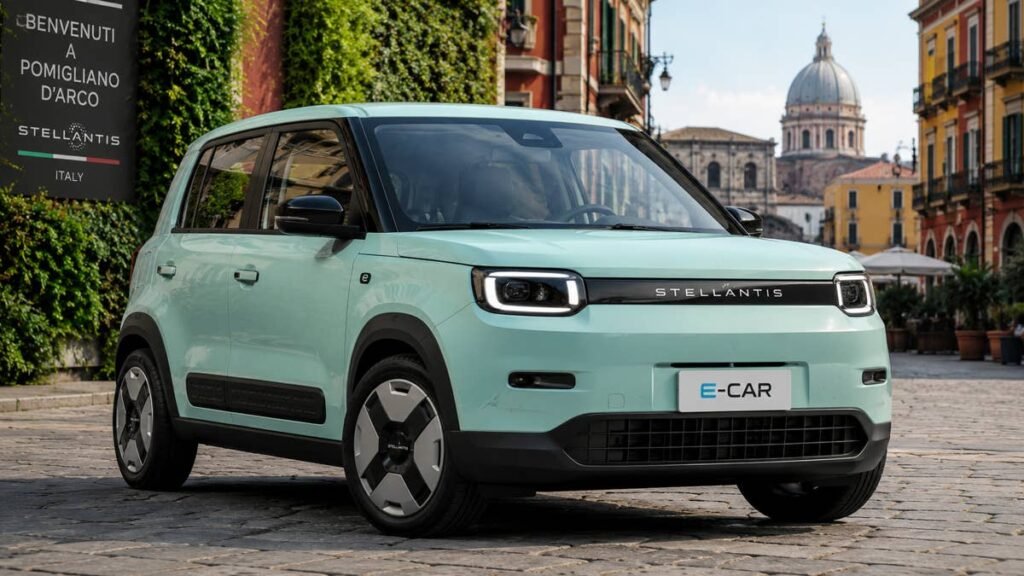
Parts of the strategy have already started to be revealed by Stellantis, including the planned launch of a “groundbreaking, small and affordable E-Car project” in Europe. The automaker argues that Europe needs a new generation of basic, cost-efficient small vehicles, in the style of Japan’s kei cars.
The First E-Car Will Be Made in Italy From 2028
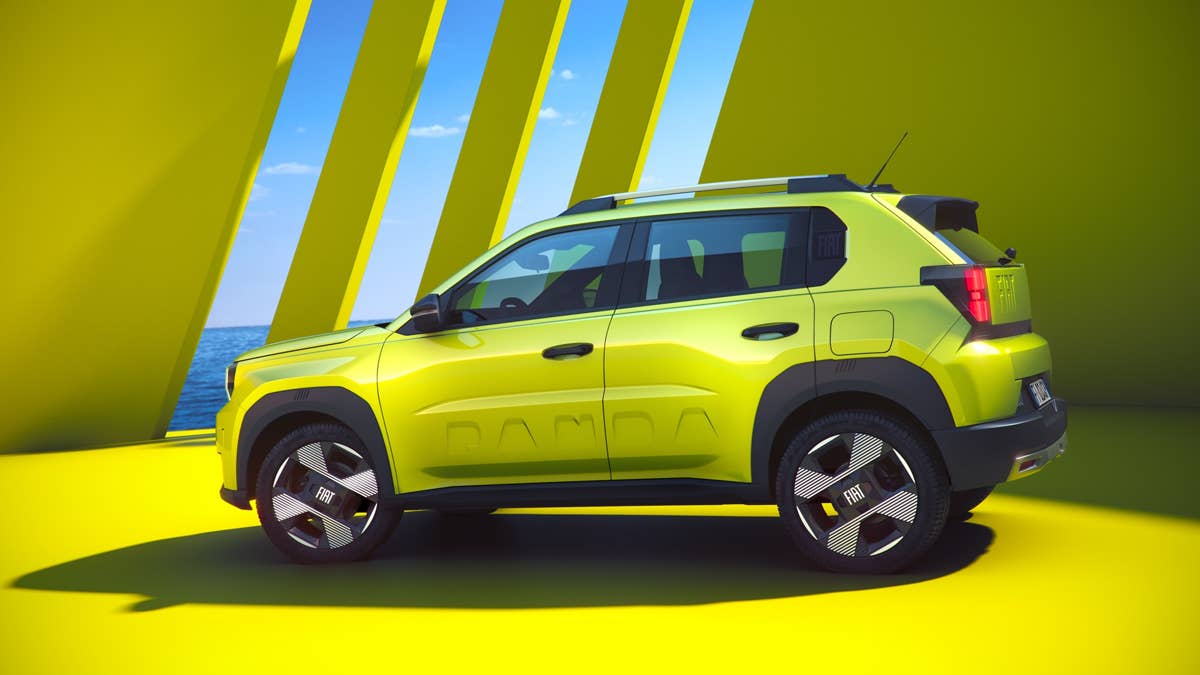
The first small, low-cost EV for the European market is expected to enter production in 2028 at the Pomigliano d’Arco plant in Italy, with potential for “significant” volumes. This may be a hint that the first product of the E-Car line will be a Fiat, since the facility currently builds the Fiat Panda. Mind you, badge engineering is quite common across Stellantis brands, so the E-Car will put on more than one badge.
While Stellantis did not disclose how much its affordable electric city car will cost, sources cited by Reuters claim it will have a price tag of around 15,000 euros, which is the equivalent of around $17,500.
In order to achieve such a low price, Stellantis said the E-Car will draw on partnerships to keep costs down and speed up development, while supporting local manufacturing jobs.
“Our customers are calling for a revival of small, stylish vehicles, proudly produced in Europe, which are also affordable and environmentally friendly,” said Stellantis CEO Antonio Filosa. “Stellantis is answering their call with exciting new models for multiple brands. Production is expected to start in 2028 in our Pomigliano (Italy) plant.”
The E-Car Line Will Be Developed With Unnamed Partners
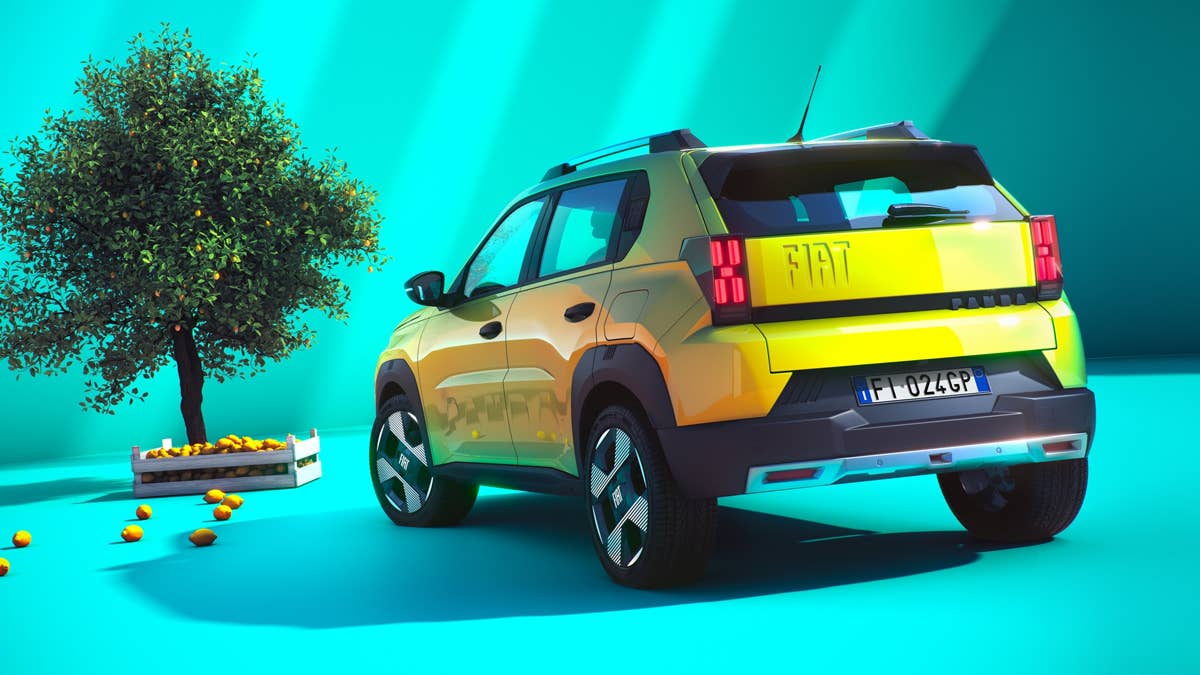
Stellantis’ press release also noted that the E-Car models will feature “cutting-edge design” and will be powered by “world-class BEV technologies” developed with selected partners. While no partners have been named, the low-cost approach and the focus on an accelerated time-to-market hint at tie-ups with Chinese automakers.
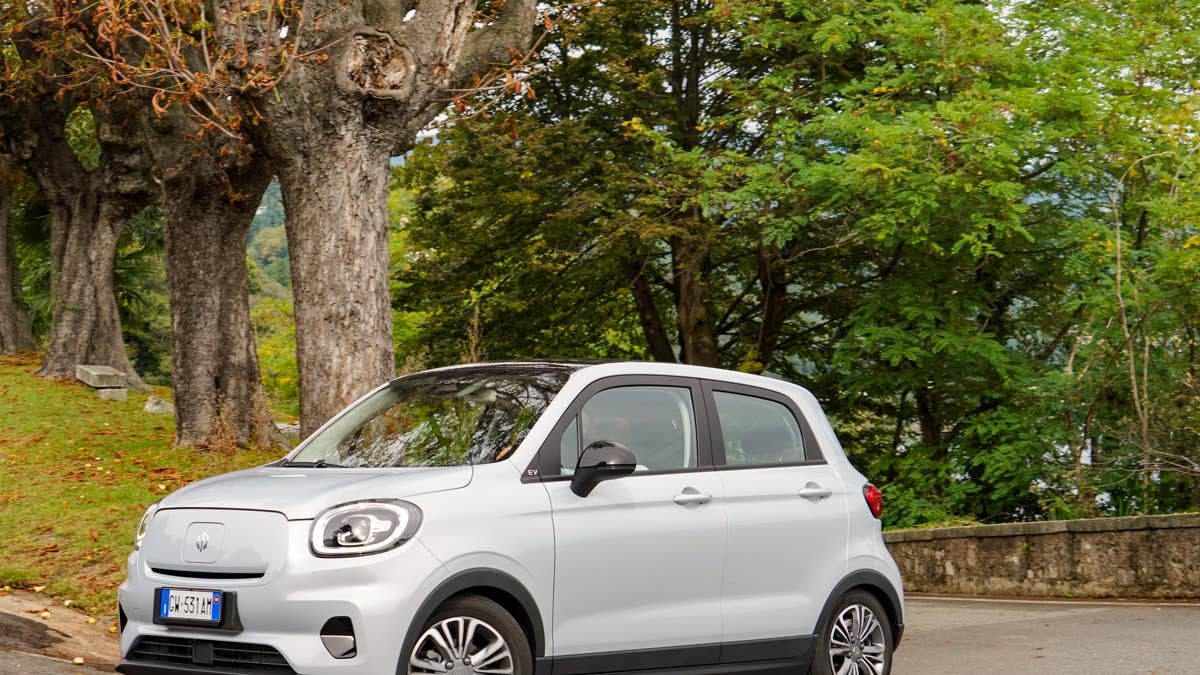
Stellantis already has a close partnership with Leapmotor, in which it holds a 20% stake, and has announced plans for joint production of two models in Spain with the Chinese carmaker. Additionally, Stellantis on May 20 announced the intention to form a European joint venture with China’s Dongfeng for sales, distribution, manufacturing, purchasing and engineering activities.
With its new small, low-cost category of EVs, Stellantis is targeting a market that has been neglected in recent years in Europe. Rising costs tied to electrification and safety regulations, as well as a search for higher profit margins, have driven carmakers toward mid-sized and larger cars, leading to a shrinking entry-level car segment as a result.
Stellantis has warned that without more affordable EVs, the European Union’s push toward zero-emission mobility risks stalling, especially among lower-income consumers.
Stellantis