The Digital Cockpit Revolution
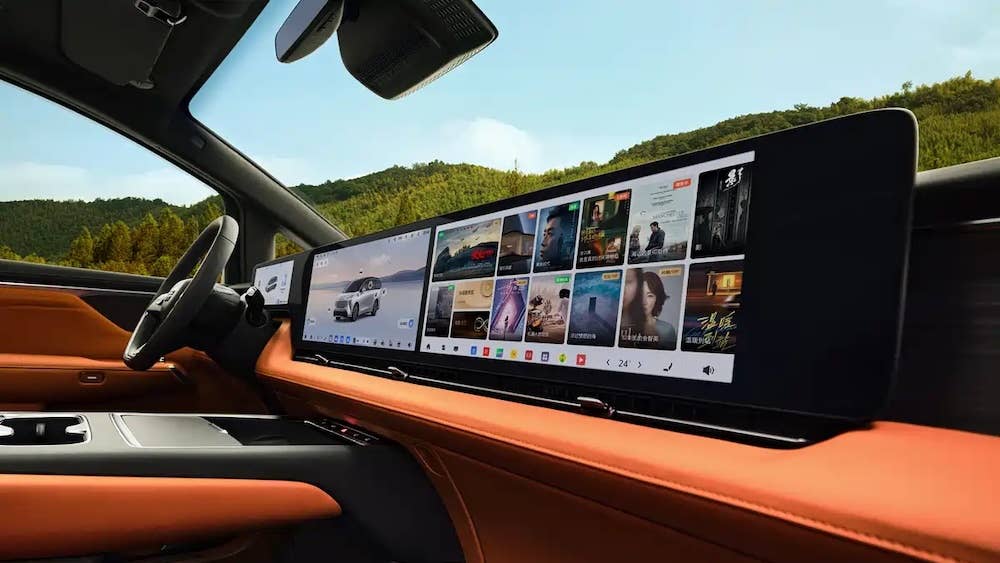
Car interfaces have transformed over the last decade, replacing tactile knobs with sprawling digital displays, a shift that brings both cutting-edge convenience and a nostalgia for simpler controls. This rapid transformation has formed a distinct love-hate relationship with car enthusiasts, who appreciate the cutting-edge convenience but often mourn the simplicity of the past. To revolutionize this cabin experience, Stellantis is partnering with Qualcomm Technologies to integrate the advanced Snapdragon Digital Chassis into its next-generation vehicles.
This multi-year collaboration leverages Qualcomm system-on-chips and Stellantis’ STLA Brain software to create a scalable technology foundation across all Stellantis brands. By centralizing in-car connectivity, digital cockpits, and driver assistance systems, the partnership streamlines internal development and cuts costs through hardware standardization, all while enhancing the user experience.
Stellantis
The Push for Scalable Autonomy
Infotainment and driver assistance systems have become so important to the modern consumer that some companies are going to great lengths to keep older models relevant. For example, Volvo recently launched extensive software update programs designed to feature its latest user experience technology in vehicles up to five years old. This level of corporate commitment proves just how heavily we rely on these systems during our daily commutes. Stellantis recognizes this shifting consumer demand, heavily prioritizes long-term scalability and continuous over-the-air feature upgrades.
The expanded agreement includes deployment of the Snapdragon Ride Pilot ADAS platform, offering scalable features from active safety to Level 2+ hands-free driving. Stellantis and Qualcomm have also signed a non-binding letter of intent for Stellantis-owned aiMotive to join Qualcomm. Stellantis CTO Ned Curic said the platform will help deliver next-generation experiences faster and more efficiently, while Qualcomm’s Nakul Duggal called the expansion across Stellantis brands a major milestone for both companies.
BMW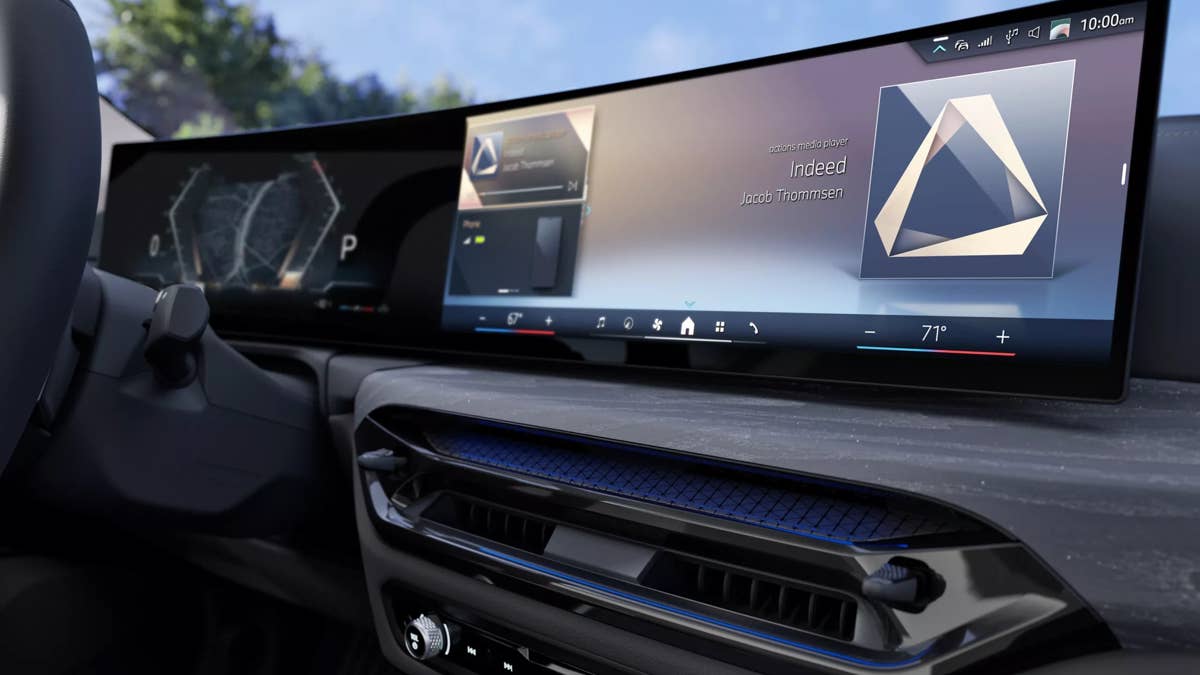
Behind the Screens
Automakers can easily get infotainment systems wrong, and recent Volvo glitches that led to class-action lawsuits prove how quickly software issues can become safety concerns. Frozen screens and delayed camera feeds are more than annoyances, especially as studies show complex touchscreens can distract drivers.
Physical buttons still matter because they reduce cognitive distraction and let drivers adjust key functions by feel alone. If Stellantis and Qualcomm can use this new hardware to make interfaces simpler and more intuitive, they could help improve the modern dashboard experience.
Buick