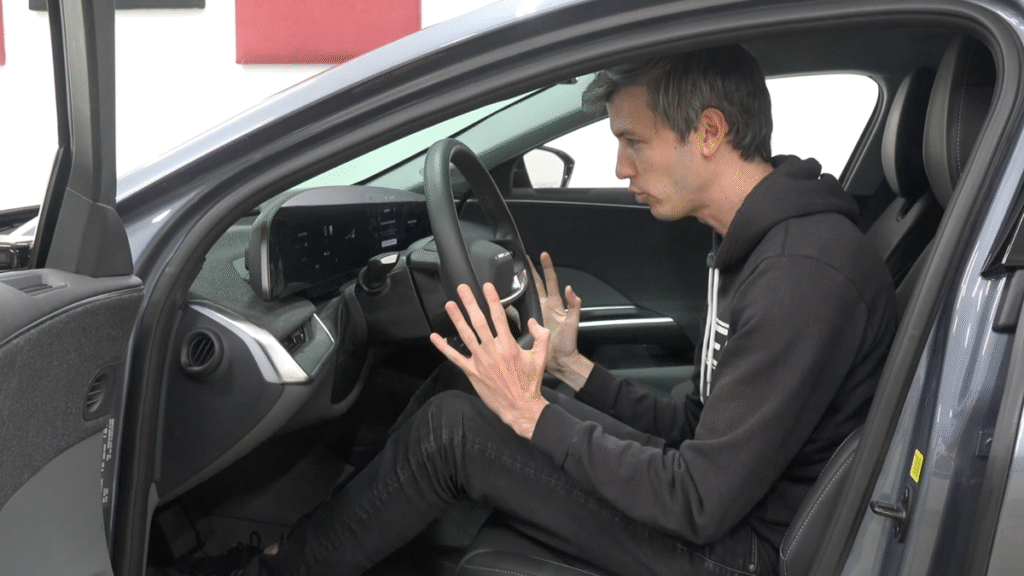
Late last year, Jason Fenske from the Engineering Explained YouTube channel detailed several faults encountered during just six months of leasing a Lucid Air sedan. In January, he reported that Lucid had reached out and explained how it intended to fix the flaws, but in the five months since, things have only gotten worse, as he explains in another new video (embedded below). As if that’s not frustrating enough, when Lucid offered to replace the car under Lemon Law, Fenske discovered that finding an exact match to his current spec in an effort to maintain his current lease payments was impossible. So Lucid offered to compensate him for his past payments, buying the car outright to let him start a new lease with a new car. But even that didn’t work out, and there’s still more to the story, including how Lucid’s offer of a Gravity SUV as a long-term loaner only added to his inventory of irritations.
Weekend From Hell: 8 Unique Lucid Air Glitches in One Trip
After Lucid offered to address Feske’s multiple earlier issues with software updates, some problems still persisted, and on a single weekend trip over four days and roughly 400 miles, eight unique new problems appeared from a Thursday to a Sunday. You can watch the full video above for more details, but in a nutshell, these were the issues:
- All of the Air’s electronic door handles popped out, but the rears would not open.
- One rear vent was measured to be blowing 50 degrees Fahrenheit warmer than the other, despite temperature testing being carried out in a garage out of sunlight, and with equal settings for all four zones of the climate control system.
- Dynamic white lines to assist with parking using the display from the rearview camera did not load.
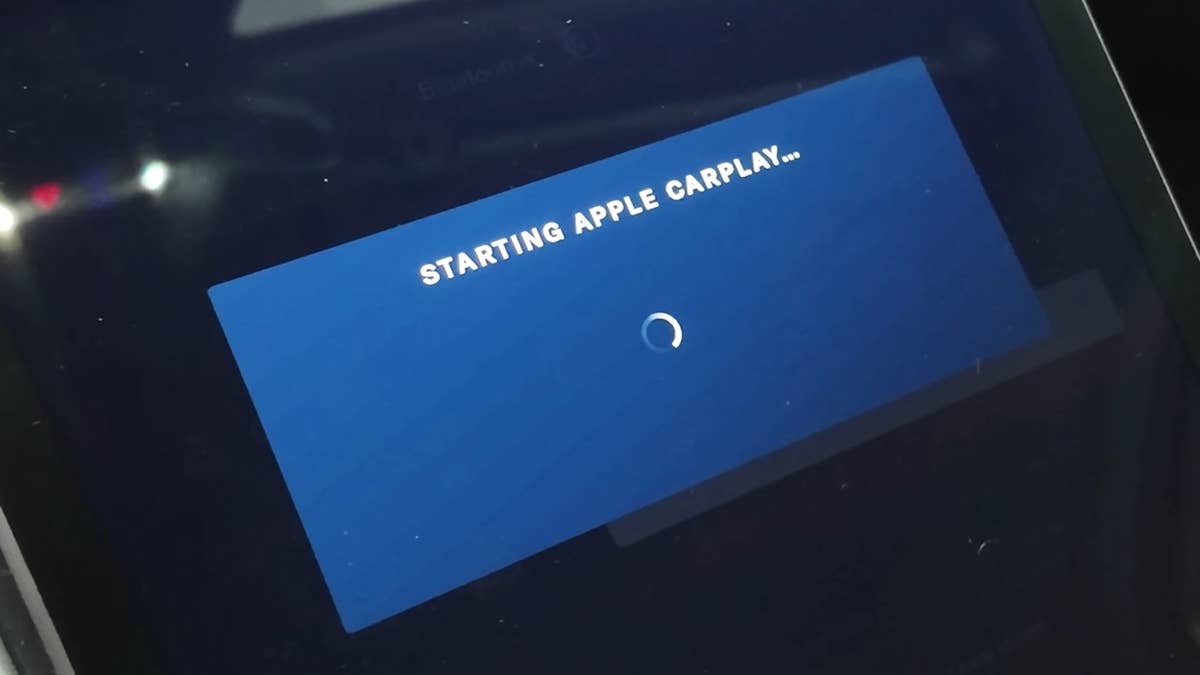
- Apple CarPlay booted up, but navigation did not work, despite leaving the car, coming back, and trying again.
- On another occasion, CarPlay simply would not load at all.
- With around 7,000 miles on the odometer, Fenske noted that the car’s stop mode, despite being set to ‘Hold’ instead of ‘Roll’ (enabling one-pedal driving in tandem with regeneration set to ‘High’), randomly switched to the opposite after just a few minutes inside a nearby shop, causing the car to roll forward after being started and pressure being taken off the brake pedal.
- The car indicated that the speed limit in a 45-mph zone was 75, despite neither the zone before nor after the 45-mph zone being a 75-mph zone.
- Music randomly stopped playing, on one occasion pausing three times during a single song and never resuming playing automatically, despite good cell coverage.
Fenske documented all these problems so he could email Lucid for assistance, with the most concerning being how the car changed its stop mode after he spent just a few minutes inside a nearby store. Picture this: when starting the car, you put your foot on the brake and select Drive or Reverse, and with ‘Hold’ selected instead of ‘Roll,’ the car should slowly creep away in the selected direction. Normal, right? As Fenske was on a slight decline and the car had changed its setting without warning, he rolled forward. Trying to go back into Park and back into Reverse didn’t solve the issue, and on the third try, he used the accelerator pedal, and the car finally moved back. As Fenske notes, if this setting changes when someone is on a steep hill, especially when they’re used to the car behaving as selected, this could cause a crash or worse. Unfortunately, the problems didn’t end there.
Other Problems Appearing on Fenske’s Lucid Air
While all the above happened over one weekend, other issues have appeared in Fenske’s short time with the car. The audio system was particularly buggy, sometimes not working at all, and sometimes sounding tinny. On other occasions, only the front speakers would fail, and these issues are separate from the regular but random pausing of music. Another problem was that the heated seats would keep turning off, and sometimes, the car would select neither Drive nor Reverse, despite all other functions working – Fenske theorizes that the car thinks it’s connected to a charger when this happens. Finally, on that one weekend trip while skiing, the Lucid mobile app was operating in the background and consumed a whopping 46 percent of Fenske’s new iPhone 17’s battery charge, despite only one minute of screen time, while a GPS-tracking app that was running simultaneously in the background only used 7 percent.
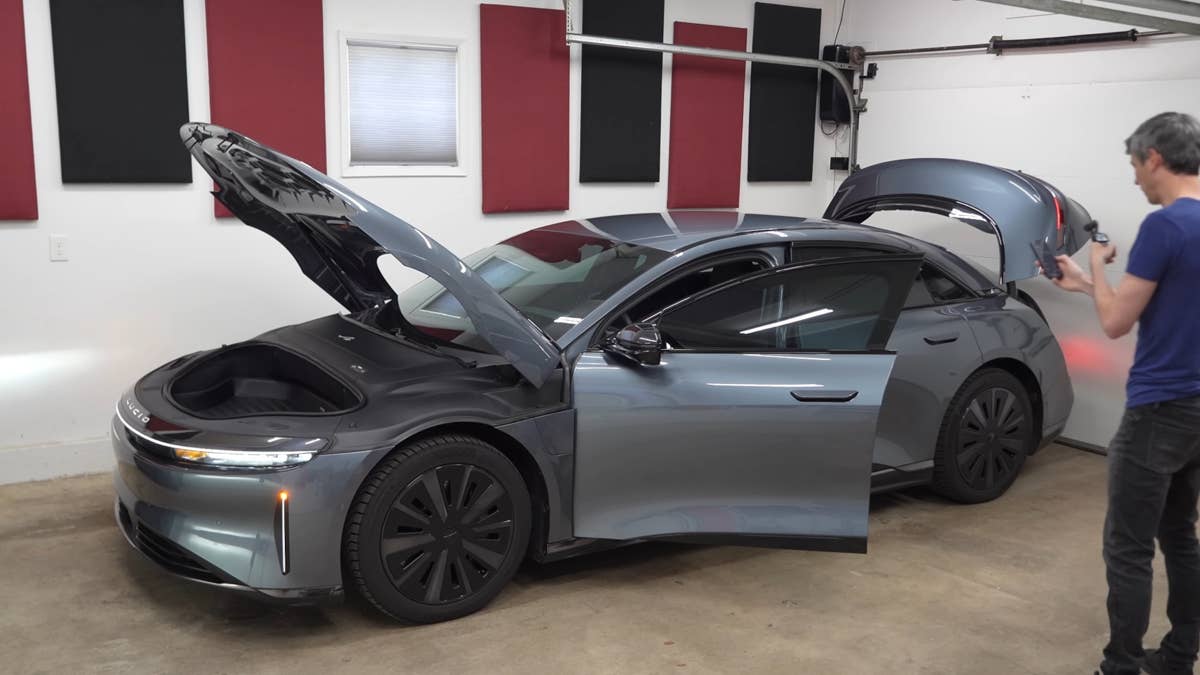
Yet another issue is that, after leaving the frunk and trunk open for roughly 10 minutes or more (as many do while packing for a trip), the apertures would not close, regardless of whether Fenske used the buttons in the storage spaces, the screen on the dashboard, or his smartphone app. This was despite the car showing on-screen confirmation that the openings weren’t closed and that the app wasn’t working. Furthermore, after closing manually, the trunk would sometimes not reopen. Since the people at Lucid are reasonable, they agreed that these issues were too big to live with, and they tried to make the “popular YouTuber,” as the engineer laughingly admits he is, happy with a replacement.
Lucid’s Solution to a Buggy Air Touring Backfires with the Gravity SUV
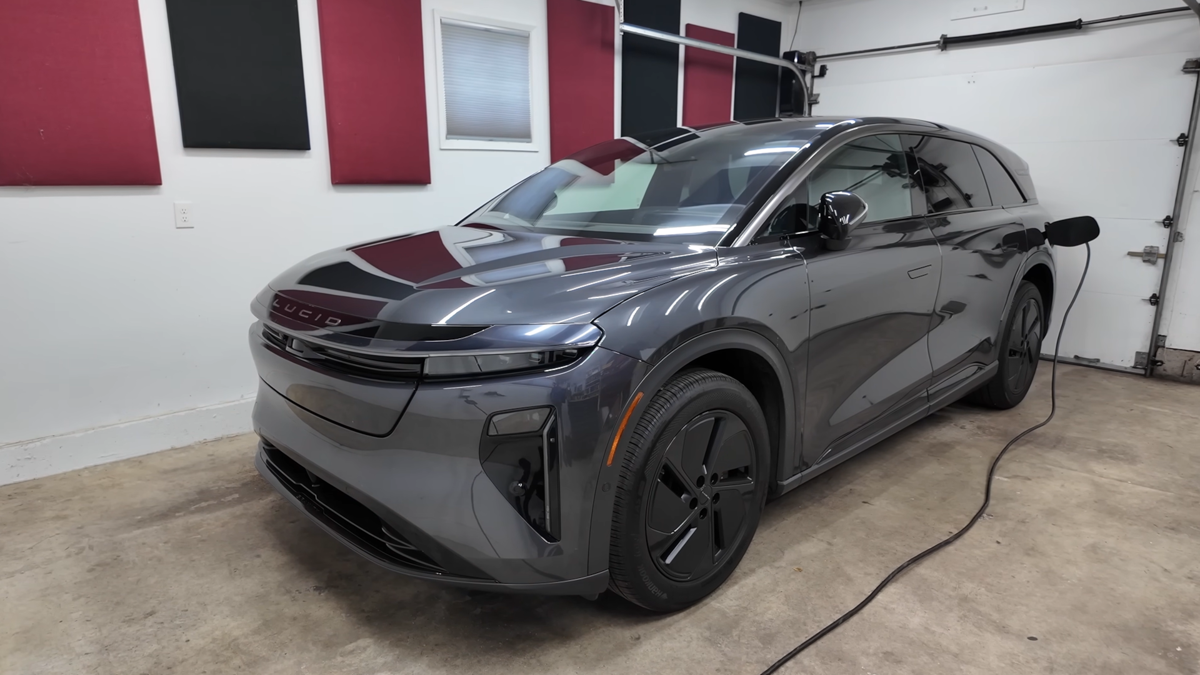
Lucid offered to replace the car under the existing lease agreement using a similar spec, but legally, for Fenske’s payments to stay the same, Lucid would have to provide the exact same spec, not similar. With Fenske finding over 4,600 unique builds based on the Air Touring alone, and with Lucid being a relatively low-volume company, that would be impossible. To Lucid’s credit, the company still didn’t give up, offering a full buyback and a new lease, providing a Gravity SUV as a long-term loaner while a suitable vehicle was being sourced, but Fenske was at his breaking point and declined for three reasons.
Firstly, the lease signed in August 2025 was at $865, and speccing the same build now is $265 more, at $1,130. Secondly, Fenske only wanted a three-year lease, and at this point is already 11 months in; not only would a new lease restart the term, but a signing two-year lease would increase payments even more dramatically, to $1,440. Finally, the experience left a bitter taste in Fenske’s mouth, and he knew that if the replacement was bad, it would make things even worse for Lucid. If the replacement was good, critics would suggest Lucid had provided a flawless car just because of Jason’s publicity, impossible as that would be for software-related issues. Even though he declined, Lucid kept trying to make things right by maintaining the offer of a long-term Gravity loan.
Related: New Lucid Gravity Recall Isn’t Even Lucid’s Fault
Fenske took delivery of the electric SUV and planned an in-depth long-term review, but shortly after editing the video, the Gravity had to return to Lucid Service because a passenger-side window would not roll back up even after multiple vehicle resets. As if the experience couldn’t get much worse, the cruise control “cancel” button would only work sporadically, and the cameras would repeatedly fail to load images. Sigh. Lucid may be brilliant when it comes to engineering and packaging, but its software still has a long way to go, as Fenske’s closing statement sums up nicely.
“While Lucid has been very understanding and supportive, I am not sure if I will complete the long-term loan. While I believe Lucid has continuously innovated in the EV space and delivered impressive engineering throughout their vehicles, unfortunately, my personal experience has been overshadowed by glitchy software.” – Jason Fenske, Engineering Explained