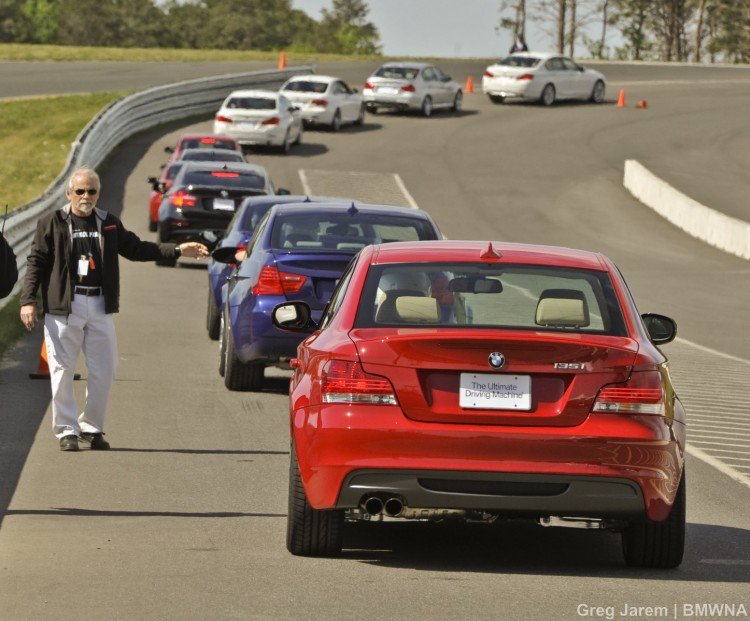
The used BMW market is full of cars that look like bargains until you remember what they cost to maintain. Cheap 7 Series sedans, tired M cars, and neglected turbocharged SUVs can all tempt the brave, but few deliver the right mix of affordability, performance, and old-school BMW charm. Precious fewer are actually worth the headache. That’s where the E82 BMW 1 Series coupe comes in. It’s the perfect blend of classic BMW charms and modern performance; in 135i form, it gives you a turbocharged inline-six in one of the smallest BMWs ever sold. That combination has only become more appealing as new cars have gotten bigger, heavier, and more expensive. It all adds up to the 135i being one of the greatest performance car bargains out there. The best news? A decent one can still be found for roughly $11,000 to $13,000 — or less than half the price of a new (or even lightly used) Toyota Corolla.
Why You Want “1”
BMW’s E82 1 Series coupe was, in many ways, the last old-school small BMW sold in America. No fancy all-wheel drive here — rear-wheel drive only. It’s one of the last BMWs to come with hydraulic power steering that arguably made the brand famous. Being over three inches shorter than its successor, the 2 Series, the 1 Series also feels and looks noticeably more compact than any modern BMW. You could order one with a manual transmission, and many did.
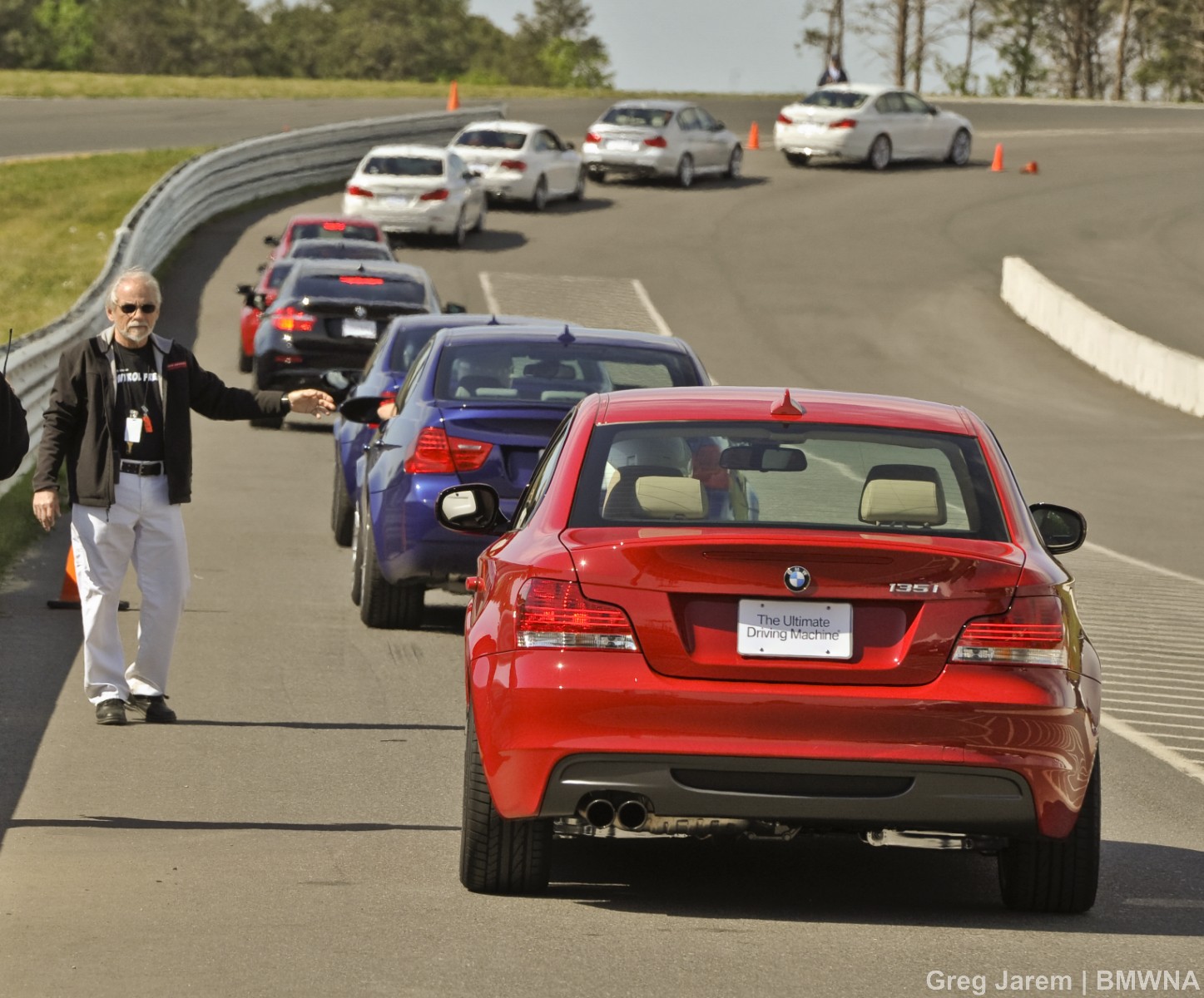
Importantly, the 135i also packed serious power into that short-wheelbase package. Early cars used the twin-turbo N54 inline-six; later models moved to the single-turbo N55. The 135i’s N54 is only marginally different from the one under the hood of the legendary BMW 1M. The formula was simple: big engine, small car, rear-drive balance, and just enough refinement to feel premium without feeling sanitized. If it sounds familiar, it should: it’s somewhat the guiding principle behind some legendary BMWs. Chiefly, the 2002 turbo and original M5.
That is why the 135i still feels special today. Modern BMWs are quicker, cleaner, and more technologically advanced, but very few are this direct. The 135i is small enough to place confidently on a back road, powerful enough to feel genuinely quick, and playful in a way that newer, heavier performance cars often aren’t. It has the basic ingredients enthusiasts claim to want: a straight-six, rear-wheel drive, compact footprint, available stick shift, and real steering feel. It is not hard to understand why some people consider it one of the best-handling BMWs ever sold.
New Corolla vs. Old BMW: Pricing and Reliability

By now the 135i is a bit of an open secret among enthusiasts. However, the car remains a relative bargain. Autotrader listings show 135i pricing floating around the $11,000-$12,000 range. Now, there are outliers on both sides, and getting a really great 135i will definitely cost more, but for that kind of money you can certainly find a good driver. Pricing depends on mileage, body style, condition, transmission, and maintenance history. But if you aren’t a stickler and just want a great driving BMW, you can easily pick up a decent car for sub-$10,000. A new Toyota Corolla, in the U.S., starts at around $24,420. High-mileage, clean models from 2023 and 2024 are still commanding around $15,000 to start.
Of course, there is a reason these cars are fairly inexpensive to get into. The 135i is a performance BMW, and it has performance BMW running costs. N54 cars in particular can bring familiar headaches: high-pressure fuel pumps, injectors, turbo wastegate rattle, oil leaks, water pumps, and cooling system issues. N55 cars are generally a little easier, but they are not maintenance-free. Suspension bushings, brakes, tires, and deferred service can turn a “cheap” 135i into a very expensive one quickly. The smartest buy is not the cheapest car; it is the one with the thickest service history. You probably won’t run into those problems with a Corolla. But then, you also won’t be having even 10% of the fun.
Afraid of Turbochargers?
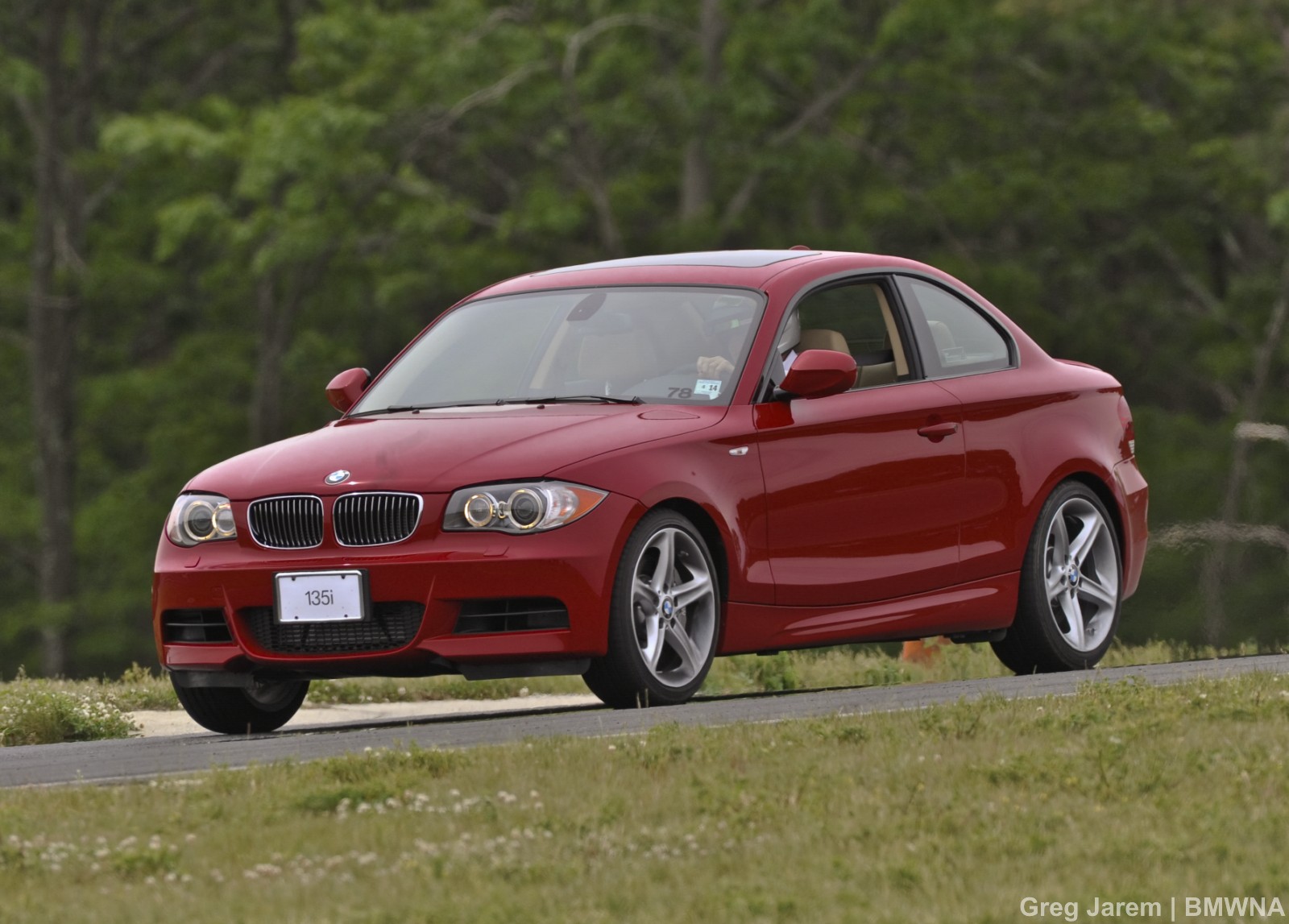
The 128i deserves a serious look, too. It is less powerful, less explosive, and less obviously exciting, but it also uses BMW’s naturally aspirated N52 inline-six, which is less complex than the turbocharged engines in the 135i. That makes it a cleaner long-term ownership proposition for buyers who care more about balance than acceleration. It’s also a great engine in its own right; it had better be, since it’s essentially the final iteration of the inline-six formula BMW reiterated since the early 1930s!
There’s a caveat, though. The 128i is often only slightly cheaper. Current listings show nice examples commonly sitting near the same broad range, with some manual coupes priced around 135i money. That makes the decision harder. The 128i is probably the more sensible car. The 135i is the one you buy because you want the full mini-M car experience without spending modern M car money. The really excellent news here? You cannot go wrong with either. N52-powered cars call to mind vintage M cars and their naturally aspirated power. N54 and N55 cars feel more like the M of today. No matter what, you’re saving thousands and getting an incredible driving experience that truly cannot be replicated by any new car on the market today. Toyota, BMW, or otherwise.
First published by https://www.bmwblog.com