Never in my life have I said the word “dopamine” more than I have in the last year, but I’m glad we’re talking about it. Dopamine, the feel-good motivating neurotransmitter, is more than just a hot buzzword — it’s meant to signal to our brain that whatever it is we’re doing, we want more of it. Dopamine hit when you deep-clean your bedroom and decide you want to tackle the bathroom next? Good! Dopamine hit when you cross something off your to-do list and suddenly want to do it all? Excellent! Dopamine hit when you’re scrolling your phone and now you’re three hours deep into Instagram? Oh no, we went too far.
The thing about dopamine is that there is fast dopamine and slow dopamine. For everyone, but especially us moms with a million things happening all the time, knowing the difference and making sure we get the right amounts of dopamine is imperative. I’ve found myself, despite getting dopamine hits from things like being on my phone or eating a ton of sugary foods, still feeling just as blah and fatigued and icky as I did before the dopamine hits… and that’s because I’m often choosing “fast” dopamine triggers instead of “slow” dopamine triggers.
With summer officially here and three kids surrounding me most of the day, I need to know — how do I find my “slow” dopamine triggers? And how do I make sure I’m getting enough?
What is “slow” dopamine vs. “fast” dopamine?
“The way I describe it to clients is the fast dopamine hit is the quick hit that is super accessible,” says licensed marriage and family therapist Ilana Grines. “This looks like scrolling through your preferred platform, the quick snack from the pantry — even though you may not be hungry — or pressing purchase on the online cart for something you may not really need.”
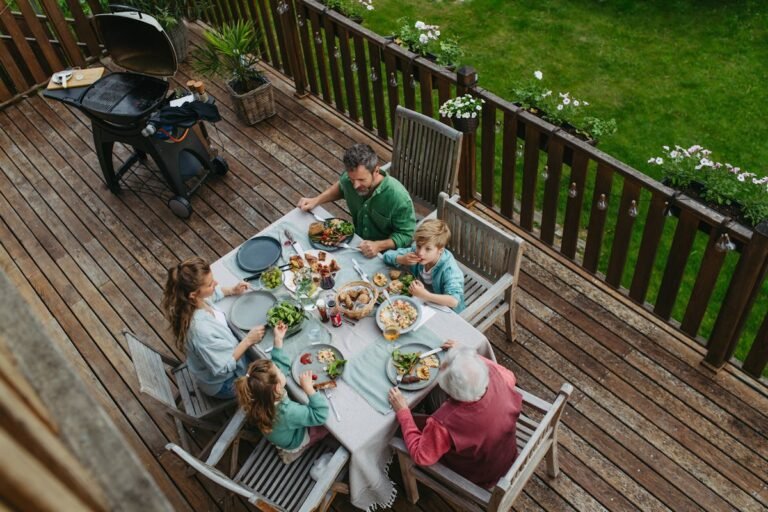
But slow dopamine, Grines says, “takes a little effort and a little time.” This could be taking a walk, playing a board game with your kids, or even reading a book.
Ah, right. So we can all see how slow dopamine sometimes takes a back seat to fast dopamine, right?
“The problem with fast dopamine is that there is the least amount of friction between making the decision and receiving the dopamine hit. It asks nothing of you and has a quick release,” Grines says. And with less decision-making involved (What game should we play? Do I need to clean the kitchen before I start making sourdough? What if it’s too hot for a walk?), we all seem to prioritize the fast dopamine release.
But I’ll be the first one to say that the fast dopamine never makes me feel better in the long run.
Why does slow dopamine have longer-lasting effects than fast dopamine?
“Slow dopamine allows you to calm down and potentially restore some of that energy which you have expended,” says Grines. Whereas fast dopamine feels like constant stimulation, followed by an exhausting crash that never leaves you feeling quite satisfied.
“Research on dopamine suggests that after these rapid spikes, we often dip below our normal baseline dopamine state, also known as our tonic dopamine level,” says Dr. Amelia Kelley, trauma- informed therapist at Liven. “Because of this, the brain can begin craving more fast dopamine in order to feel regulated again, which is where patterns of overuse, dependence, or addiction can sometimes emerge.” What goes up, Kelley points out, most come down — even our fast dopamine releases.
How do we mix more “slow” dopamine into our day?
Much like feeling guilty over how addicted you are to your cellphone, it’s really not your fault that you find yourself reaching for fast dopamine over slow dopamine. “The issue is that moms rarely have the ability to engage in long-term stress relief, or in this case, slow dopamine release. The day and all of our responsibilities don’t leave room for it,” says Grines.
And then there’s the whole stimulation — both the speed and intensity of it — thing that fast dopamine gives us.
Kelley says this can make “slower and quieter activities feel less interesting by comparison.” She says if you compare brain imaging studies of “highly stimulating activities like video games, to something slower like reading a book, you often see much higher levels of stimulation and activation during the gaming experience.” Because of this, it’s literally more difficult for your brain to transition from a highly stimulating activity to a lower one while still imagining the reward you’ll get.
But don’t fret: Both Grines and Kelley say it’s all about being more mindful rather than eliminating fast dopamine altogether. And you don’t want to overuse it to the point that slow dopamine activities no longer feel rewarding to you.
“This becomes especially important during the long stretch of summer days where routines and boundaries may loosen,” Kelley says. “It can help to intentionally balance the two, perhaps saving some of the ‘fast dopamine’ activities until after you have engaged in more sustaining and regulating experiences for yourself and modeled those behaviors for your children as well.”
Grines says it’s important to allow yourself to retrain what it looks like to take care of yourself. “Instead of checking out with the scrolling, go outside and take some deep breaths. Take some of the inundating apps off the phone — make yourself a bit more available for slow, in-between pleasures, and that’s what gives you the chance to actually settle a bit,” she recommends.
Easier said than done, I know. But as a mom of three who’s desperate to reclaim her attention span and her energy, these are the things that have worked for me:
- Make slow dopamine stations: If I want to cross-stitch or read or paint, make sure all of the supplies I need are together and easily accessible.
- Treat my phone like a landline: I try to leave it plugged in upstairs so it’s out of sight, out of mind. It helps me stay focused on the things I’m doing, and I hardly ever want to walk upstairs to get it. (You can also try screen time blocking apps or a Brick if you won’t stay off of it even if it’s in another room.)
- Loop my kids in: I find myself way more frustrated and cranky with fast dopamine releases if my kids are around. They are great “slow down” tools, and I’ll ask them things like, “Do you want to bake today? Should we go on a walk? Do we want to go outside and work in the garden?” They pretty much always say yes, and then I have a built-in slow dopamine helper.
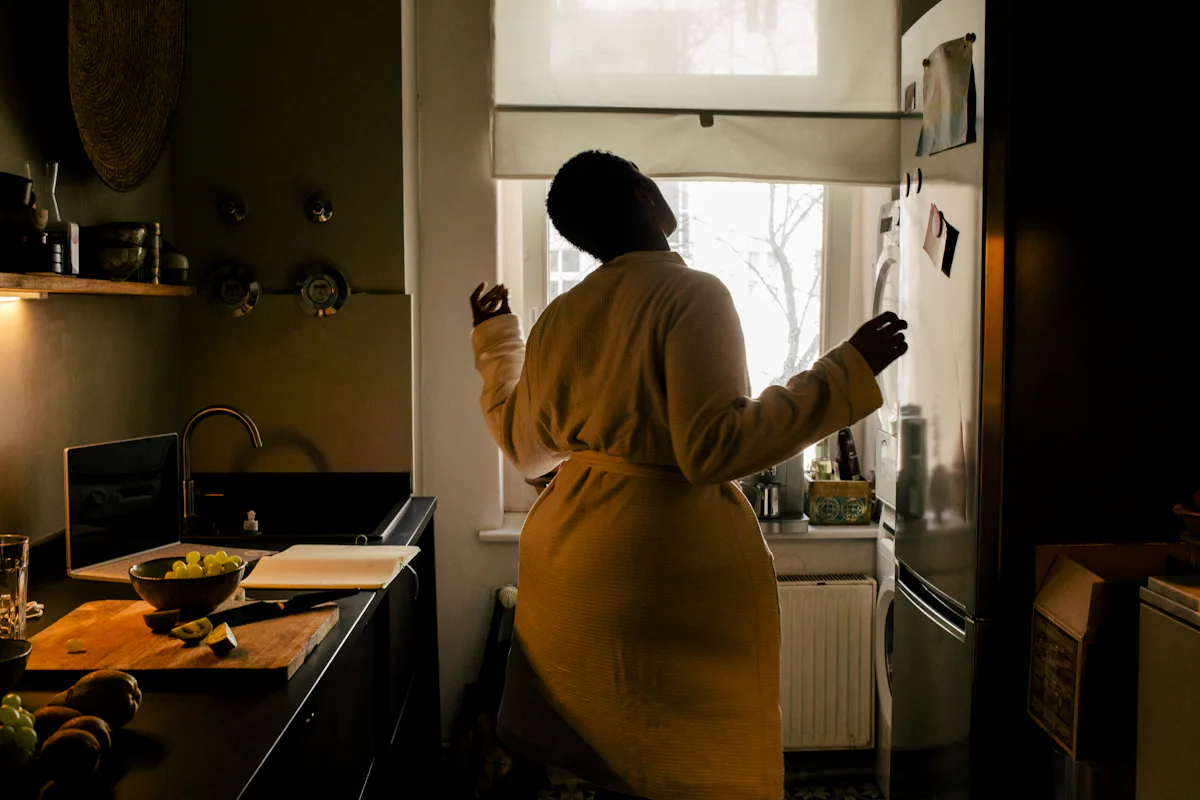
- Put on music: Music never makes me want to sit down or scroll on my phone or eat garbage — all the “fast” dopamine things I turn to throughout the day. Instead, it makes me want to dance, to talk, to have people over — it’s an instant “slow” dopamine effect for me that encourages me to find more slow, fulfilling activities.
“Part of that process is allowing ourselves to experience a little boredom, slowness, effort, or stillness without immediately reaching for a quick hit of stimulation,” Grines says. “Over time, those slower dopamine experiences often create something that feels more emotionally sustainable: calm, fulfillment, connection, and steadier joy rather than rapid emotional cycling.”